Portugal
Foz Côa
Open-air Stone Age galleries line a river valley — 25,000-year-old horses and aurochs pecked into rock.
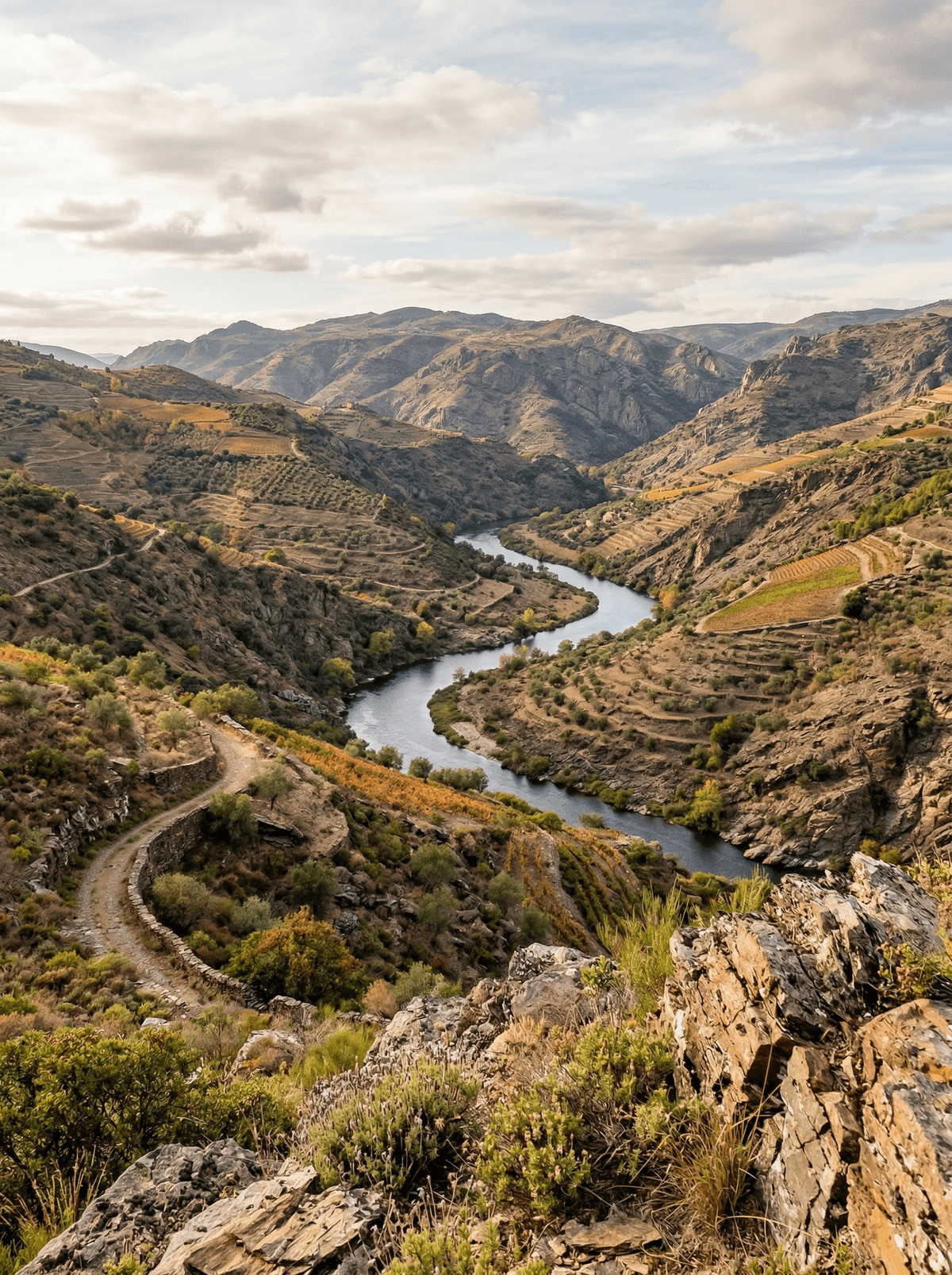
Torchlight sweeps across a rock face and a horse emerges from the stone — carved 25,000 years ago, its mane flowing in a wind that stopped blowing when the glaciers retreated. The Côa Valley in northeastern Portugal holds one of the largest open-air collections of Palaeolithic rock art on earth, and seeing it by night, in the silence of the gorge, collapses time entirely.
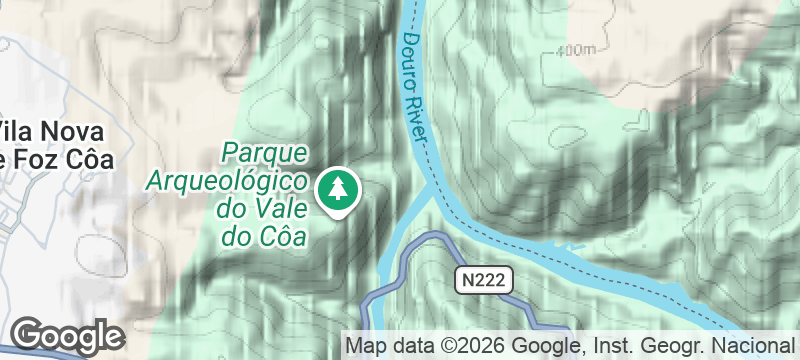
Foz Côa is the gateway to the Côa Valley Archaeological Park, a UNESCO World Heritage site preserving thousands of Palaeolithic engravings along 17 kilometres of the Côa river valley. The carvings — horses, aurochs, ibex, and abstract symbols — span from roughly 25,000 to 10,000 years ago, making this one of the most significant concentrations of Upper Palaeolithic art outside cave systems. The engravings were only discovered in 1992, during dam construction surveys, and a national campaign saved the valley from flooding. The Côa Museum, designed by Camilo Rebelo, is built into the landscape above the river confluence, its concrete form echoing the schist geology. Guided visits to the rock art panels operate from three access points, with some sites requiring 4x4 transport along the valley floor. The surrounding terrain — hot, dry, vine-planted, and sparsely inhabited — is Alto Douro at its most austere.
Solo
The guided panels demand close looking and quiet — both things solo travellers do well. The Côa Museum alone justifies the journey, and the surrounding Douro landscape offers empty roads and granite solitude.
Family
Children who can comprehend deep time will be genuinely moved by seeing art older than civilisation itself. The guided 4x4 drives add adventure, and the museum contextualises the experience for all ages.
- The Côa Valley is the world's largest open-air Palaeolithic art site, with over 1,000 individual figures spanning a 17km stretch of river valley.
- The art was discovered in 1992 during dam construction — an international campaign saved it, the dam was abandoned, and UNESCO listed the site in 1998.
- The figures — horses, aurochs, ibex, and deer — were pecked into schist rock using stone tools between 22,000 and 10,000 years ago.
- The Côa Museum won the Portuguese national architecture award in 2011 and tells the dam controversy story alongside the Palaeolithic art.
Douro lamb roasted with rosemary, the meat falling from the bone.
Alheira sausages — bread-and-game sausages invented by crypto-Jews, fried golden and split open.
Mindelo
Cape Verde
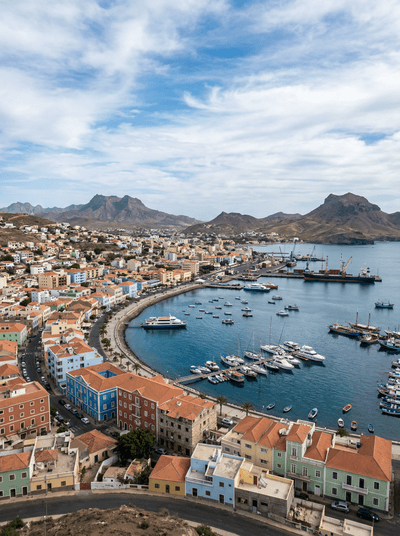
Morna music drifts from dimly lit bars where Cesária Évora once sang barefoot for sailors.
Cidade Velha
Cape Verde
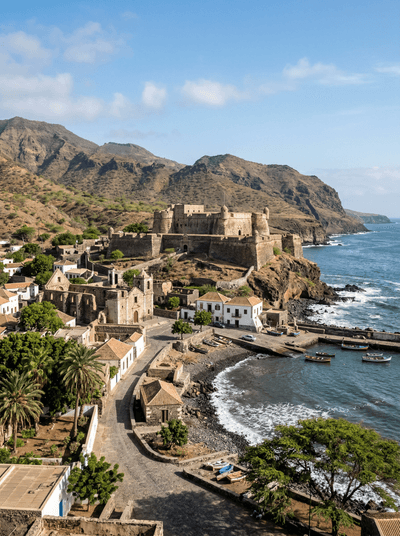
First colonial city in the tropics — a slave pillory still stands in the silent square.

Fukuoka
Japan
Yatai street stalls steaming under canvas where strangers share ramen at midnight.
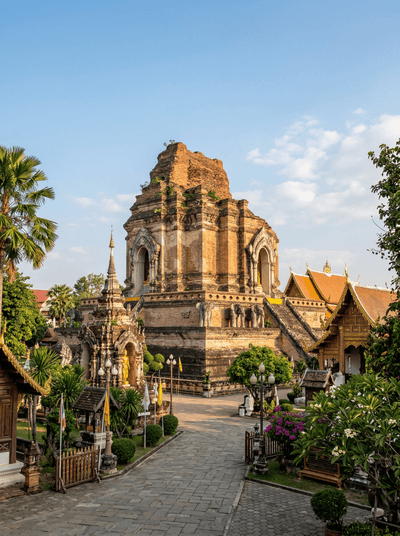
Chiang Mai
Thailand
Monks in saffron robes walking barefoot past tattooed expats and ancient brick chedis at dawn.
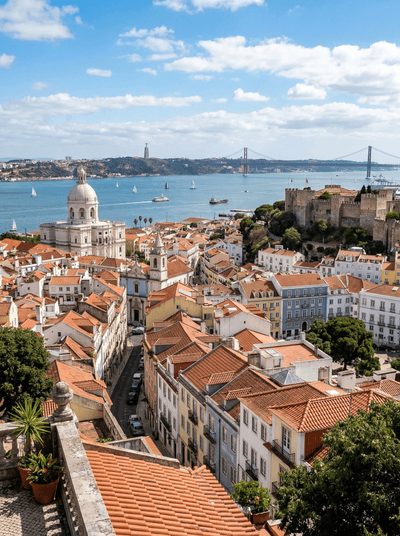
Lisbon
Portugal
Seven hills of crumbling azulejo facades where fado drifts from open doorways at dusk.
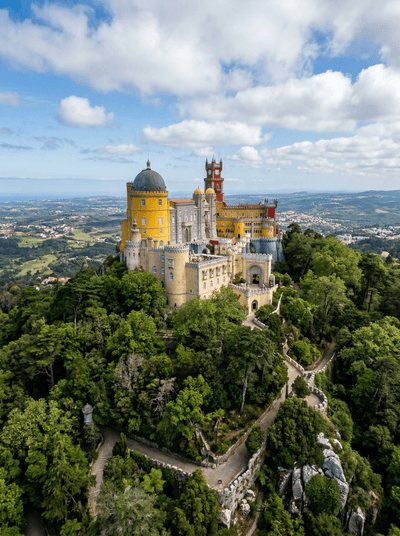
Sintra
Portugal
Moss-cloaked palaces vanish into mountain fog, each winding path revealing towers you weren't told about.
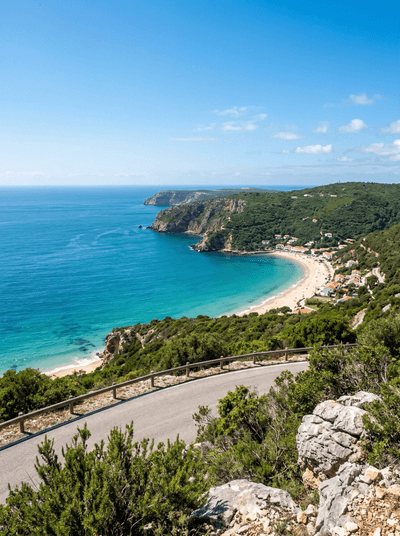
Arrábida
Portugal
Turquoise coves locked between limestone cliffs and ancient monastery forest above the sea.
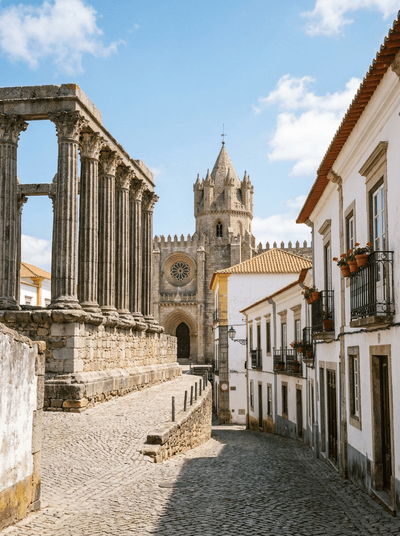
Évora
Portugal
Monks' skulls and femurs line a chapel ceiling beneath a Roman temple still intact.