Kenya
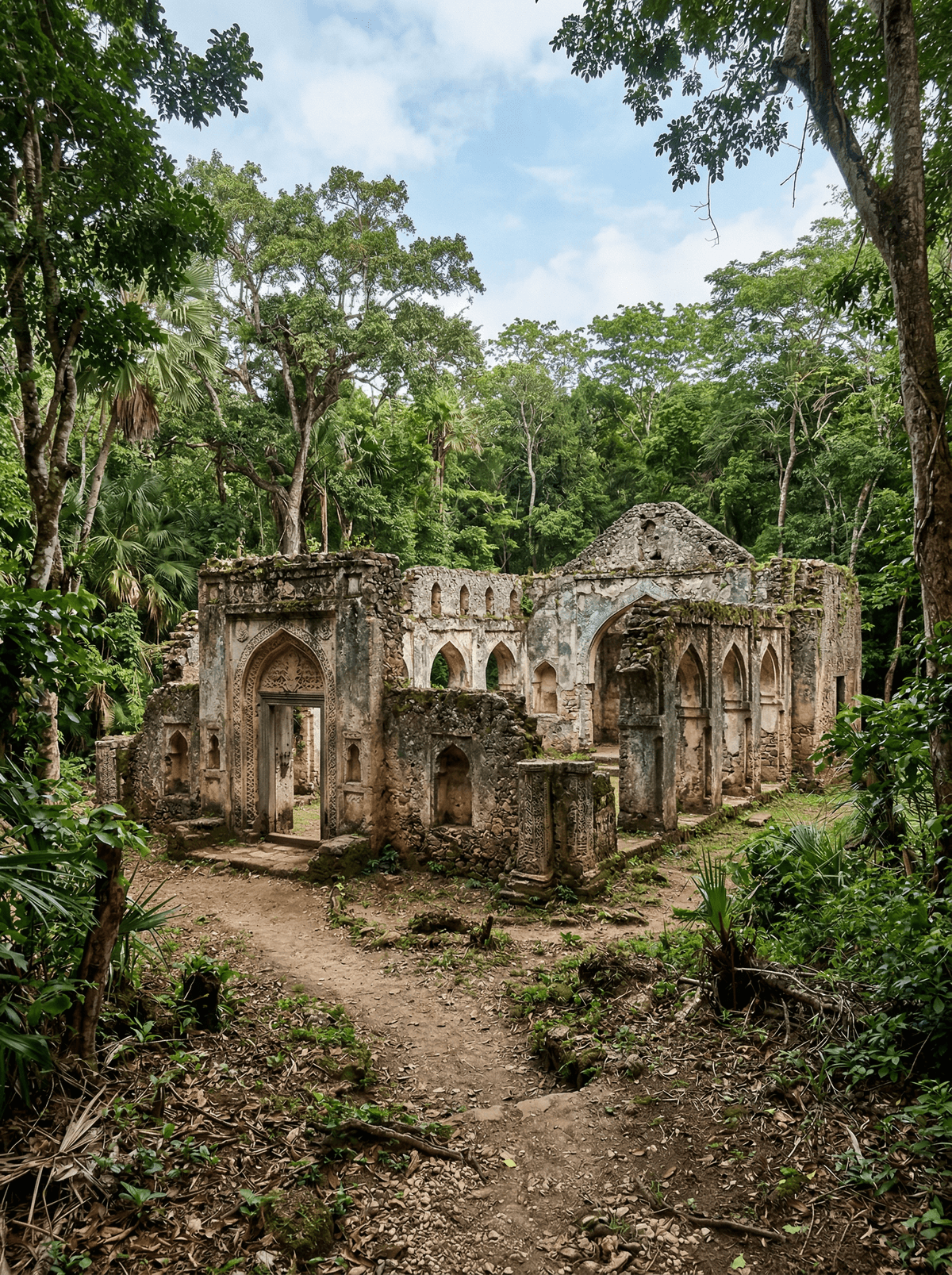
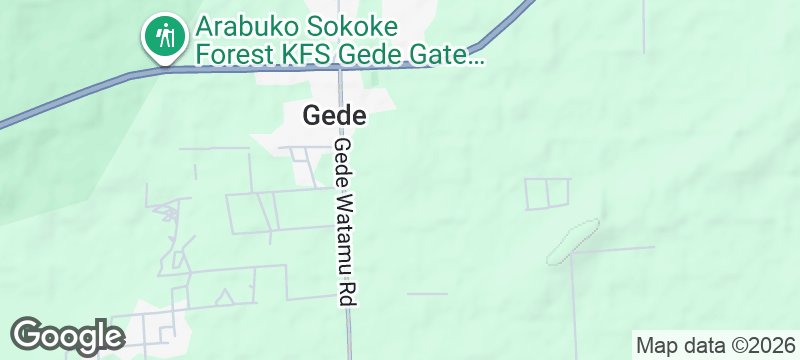
Gede Ruins
An entire Swahili city abandoned four centuries ago, now swallowed by forest and claimed by monkeys.
Coral-stone walls drip with strangler-fig roots, and Sykes' monkeys watch from the branches above what was once a grand Swahili town. The forest has swallowed Gedi whole — mosques, houses and tombs dissolving back into the canopy across four centuries of abandonment. Light falls through the leaves in shifting columns.
Gedi thrived from around the 13th to the 17th century — a wealthy Swahili trading town whose excavations have produced Ming porcelain and Venetian glass, proof of commerce running from this forest clearing to China and the Mediterranean. Then everyone left, and no contemporary account says why; water failure, Portuguese pressure and raids from the north are all theories, and the coral walls keep their counsel. The town lay lost in the forest until the twentieth century, and UNESCO wrote it into the World Heritage list in 2024 — palace, great mosque and pillar tombs now held inside a sacred kaya forest that the Mijikenda still honour. It is the coast's best mystery, ten minutes from the beach.
Solo
Wandering the coral corridors feels like archaeology at first hand — the mystery deepens at every overgrown doorway.
Couple
Forest shade, ancient architecture and an unhurried mood that forgets the beach resorts up the road.
Family
A lost city in the jungle with resident monkeys — the Indiana Jones effect works on every child.
Friends
Pair the ruins with Watamu — morning mystery, afternoon snorkel, sundown seafood.
- A whole Swahili town — palace, grand mosque, pillar tombs — abandoned four centuries ago without explanation.
- Excavated Ming porcelain and Venetian glass prove trade links from this forest to China and Venice.
- UNESCO inscribed Gedi as World Heritage in 2024, held within a sacred Mijikenda forest.
- The National Museums of Kenya manage the site — a shaded, walkable monument ten minutes from Watamu.
Young drinking coconuts hacked open near the gate, drunk warm from the shell.
Coconut-rich Swahili curry back on the Watamu strip once the ruins let you go.
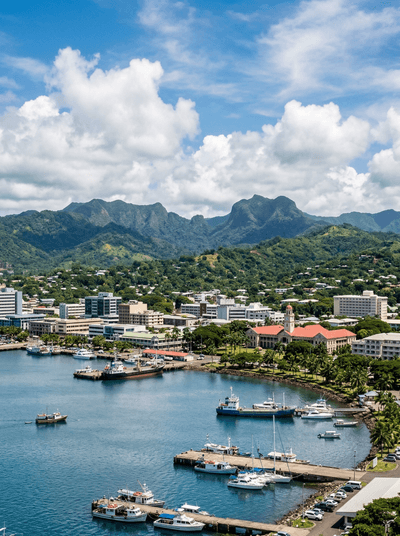
Suva
Fiji
South Pacific hustle where Hindu temples share streets with Fijian markets and colonial verandahs.
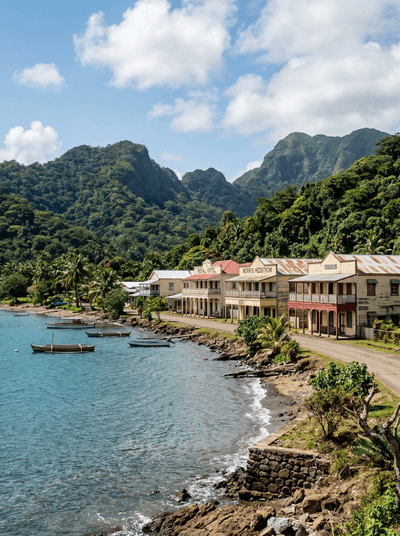
Levuka
Fiji
Fiji's first colonial capital frozen in the 1870s, wooden shopfronts sagging under tropical rain.
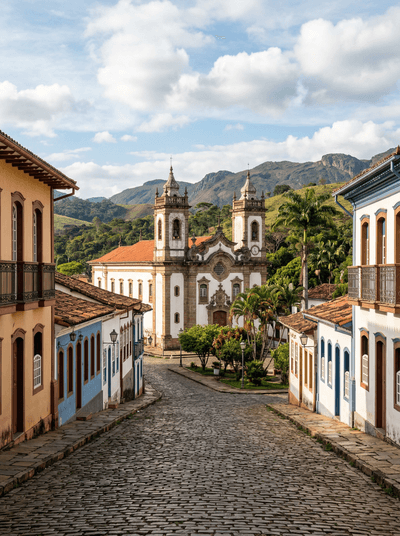
São João del-Rei
Brazil
Baroque towers answering each other across a valley, ringing the sex of whoever has just died.
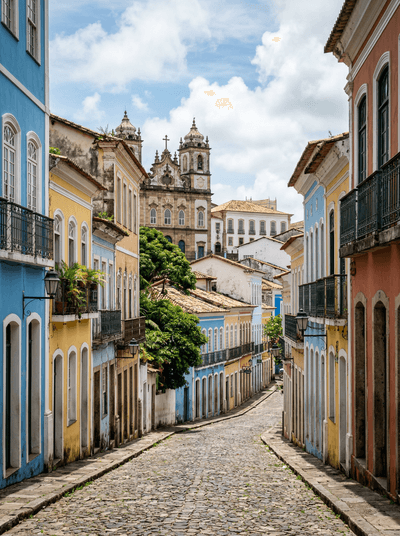
Salvador
Brazil
Drum rhythms ricocheting off colonial walls where song, dance and combat happen at once.
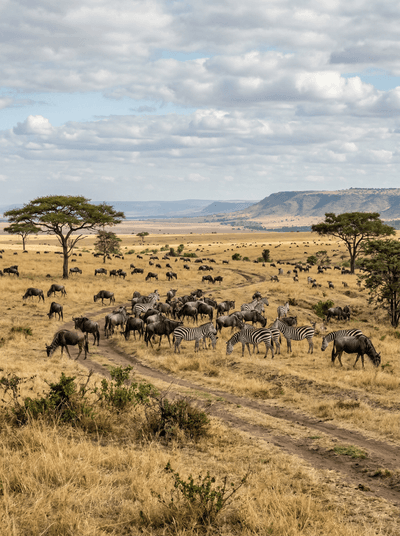
Masai Mara National Reserve
Kenya
Over a million wildebeest thunder across crocodile-thick rivers in Earth's greatest land migration.
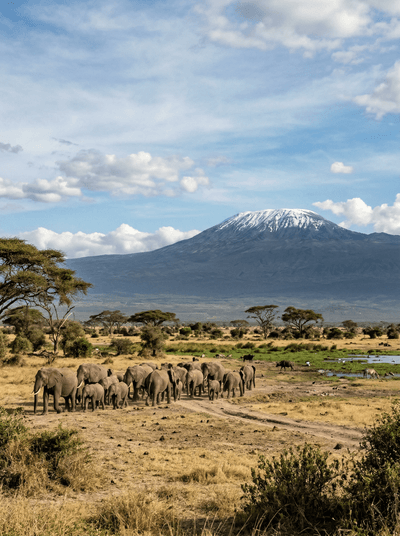
Amboseli National Park
Kenya
Elephants wade through swamp grass with Kilimanjaro's snow-capped peak floating above the haze.
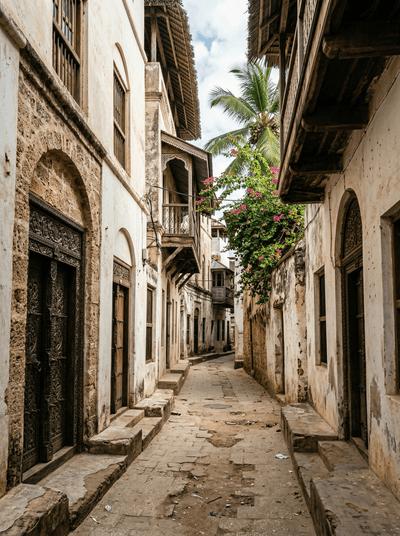
Lamu Old Town
Kenya
Donkeys replace cars on coral-stone lanes where Swahili doors tell centuries of family history.
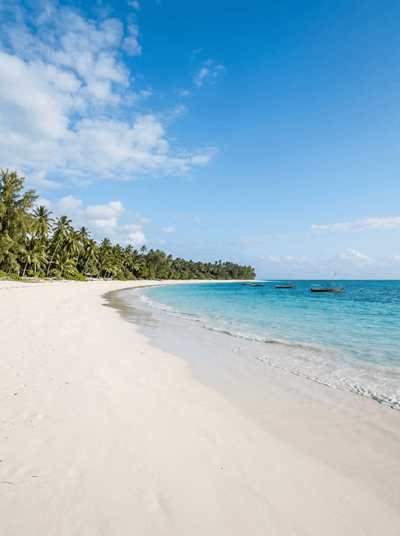
Diani Beach
Kenya
Colobus monkeys leap through the canopy above white sand so fine it squeaks underfoot.