Pakistan
Chilas
Three millennia of petroglyphs scratched into boulders where the Indus squeezes through the Karakoram's deepest gorge.
The boulders along the Indus are covered in marks — ibex, Buddhas, hunting scenes, stupa diagrams — scratched and pecked into dark river-worn rock by hands spanning three thousand years. The Karakoram Highway cuts through the gorge above, but down by the water the only company is petroglyphs and the sound of the Indus forcing itself through one of the deepest river valleys on Earth.
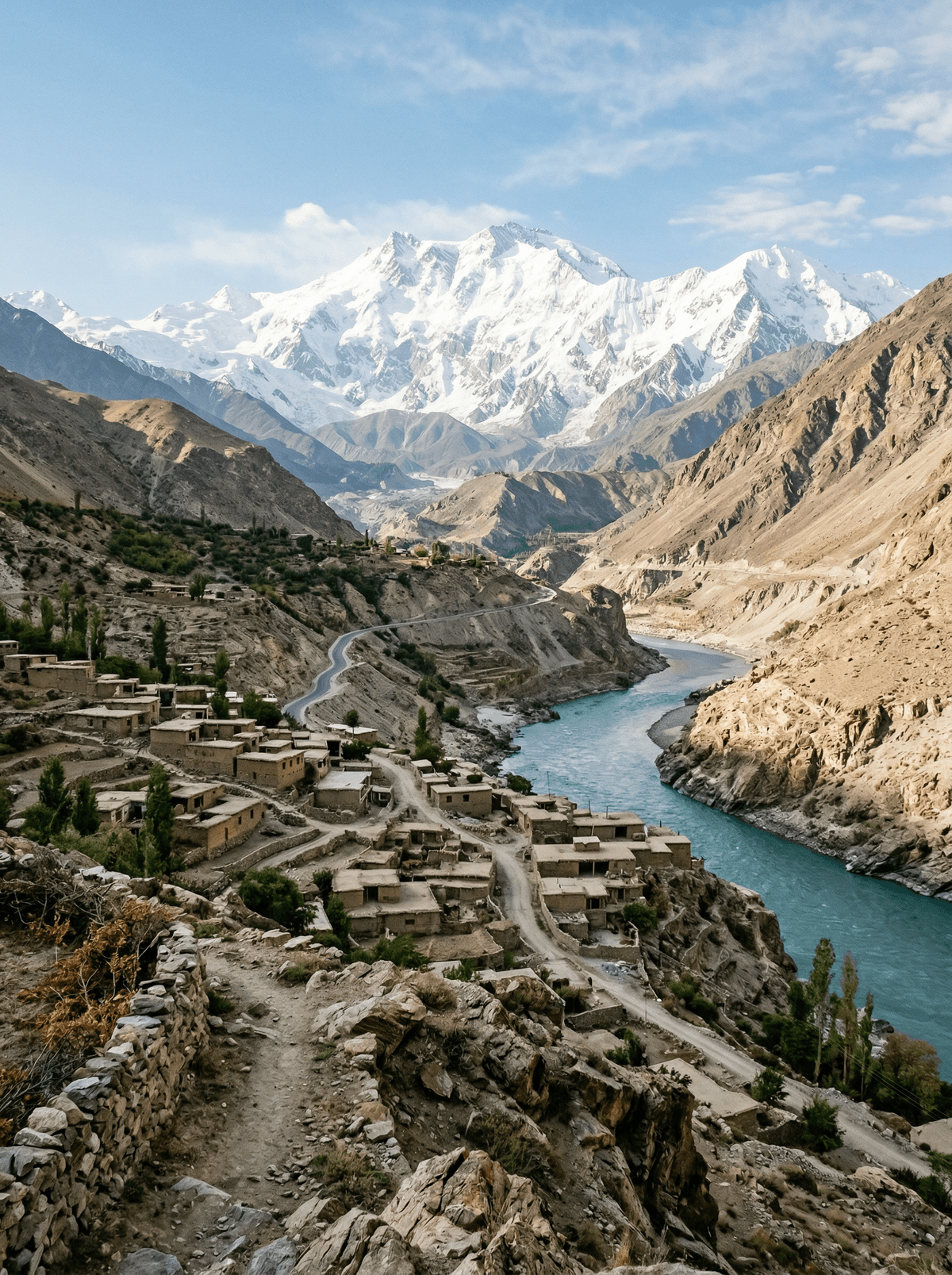
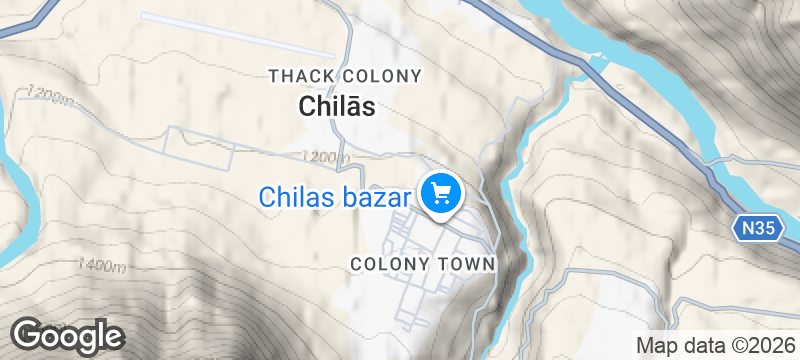
Chilas sits where the Indus squeezes through the Karakoram in Diamer district, Gilgit-Baltistan, and the rocks around it carry one of South Asia's densest concentrations of petroglyphs — some 50,000 carvings documented across Chilas, Thalpan and Shatial, running from the Bronze Age through Gandhara Buddhism to Islamic-era inscriptions. They record three millennia of traders, pilgrims and armies moving the Indus corridor, and many of the panels stand within the planned reservoir of the Diamer-Basha dam — archaeologists are recording them against the rising water. The carvings are unenclosed: visitors walk among them freely, the rock warm to the touch under the gorge sun, with Nanga Parbat's western flanks in view along the road.
Solo
Three millennia of human expression scratched into riverside boulders, with no queues, no barriers, and no one between you and the marks.
Couple
Breaking the Karakoram Highway journey here adds a dimension beyond scenery — roadside boulders become an open-air gallery from the Bronze Age to the medieval.
- Some 50,000 petroglyphs span three millennia — Buddhist pilgrims, ibex hunts, and Silk Road traders' inscriptions.
- The Indus runs visibly violent through its narrowest squeeze, grey with silt and audible from far above.
- The boulders line the roadside — three thousand years of art without a single step of hiking.
- Nanga Parbat's western flanks rise beyond the gorge — an 8,000-metre backdrop to a Bronze Age gallery.
Diamer pine nuts — chilgoza from the surrounding forests, the region's prized crop.
Roti and sweet chai at the highway dhabas, mountain walls rising on every side.
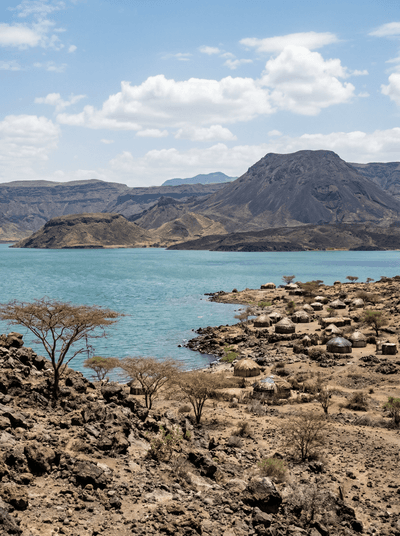
Loiyangalani
Kenya
Four peoples meet at a windswept settlement where the desert ends and the Jade Sea begins.
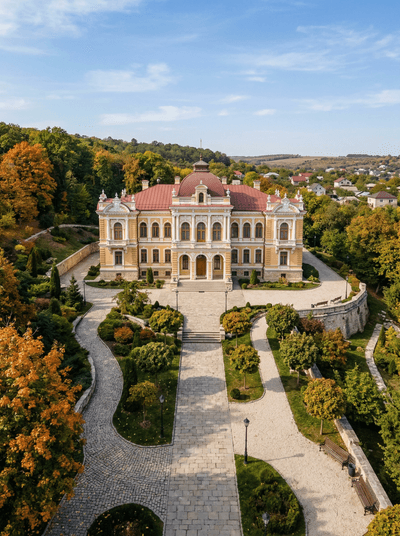
Hîncești
Moldova
A French palace in a Moldovan market town, its vaults credited to the sea-painter Aivazovski.
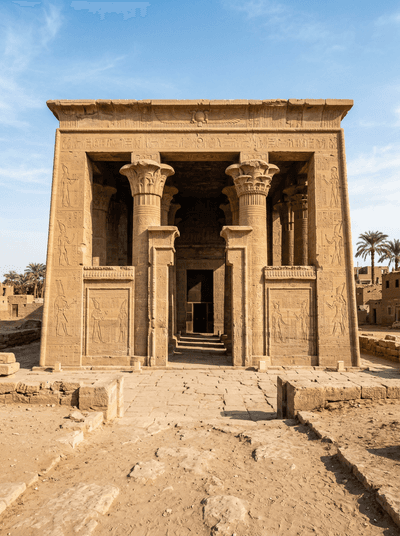
Esna
Egypt
A Ptolemaic temple buried nine metres below a modern town, its zodiac ceiling still overhead.
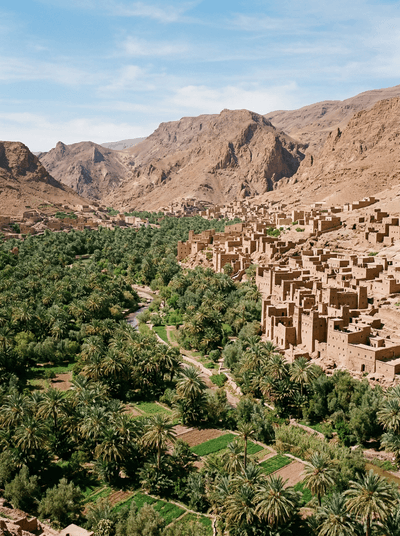
Tinghir
Morocco
Water flickers through palm shade before the road disappears between limestone walls.