Portugal
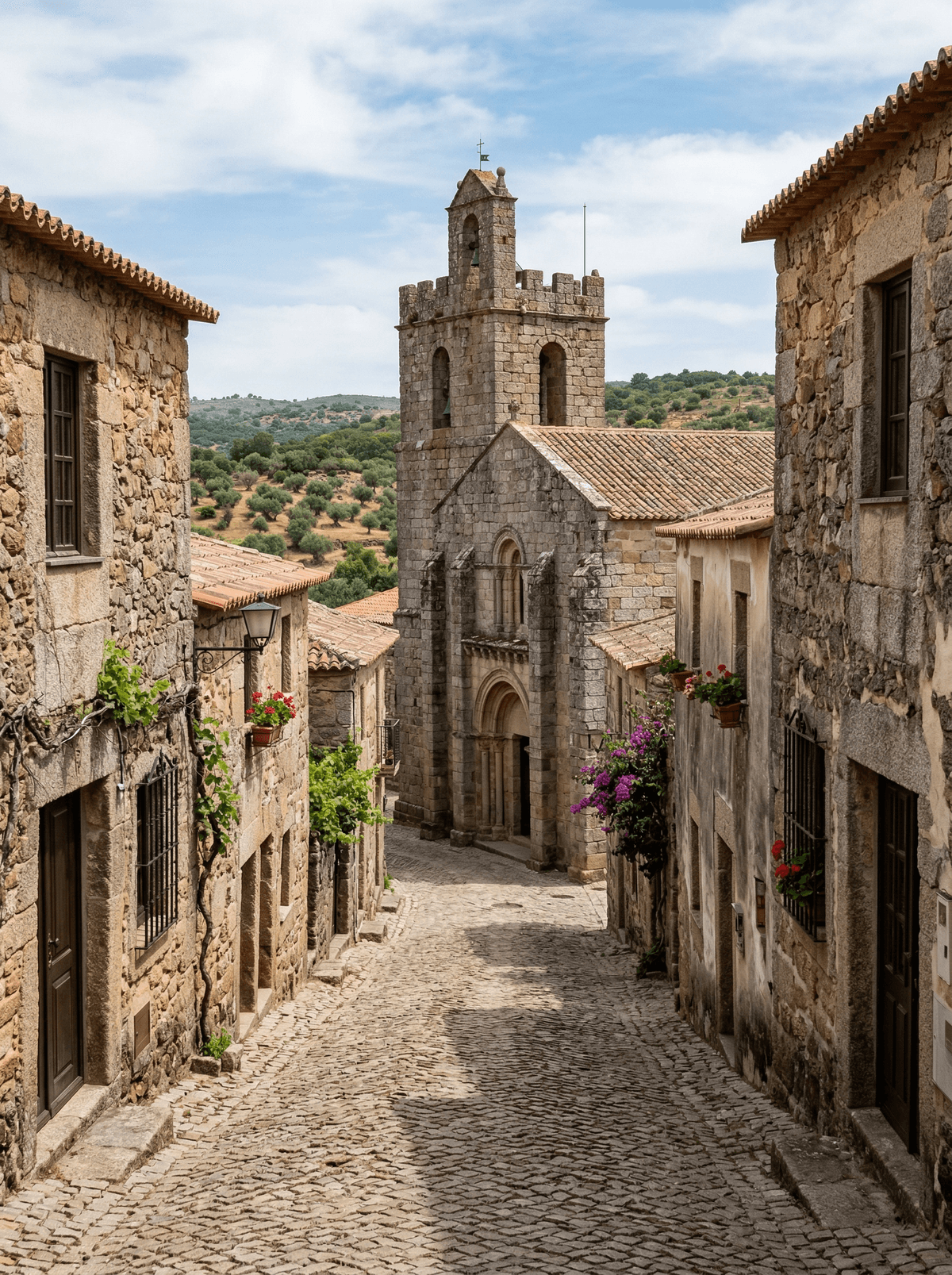
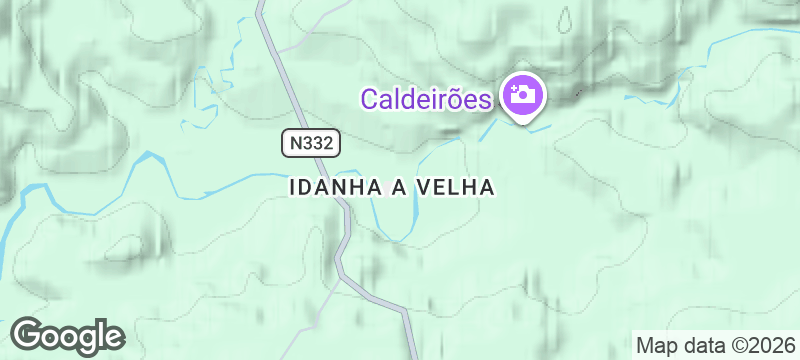
Idanha-a-Velha
A handful of residents among Roman walls and Visigothic carvings, in a village the world forgot.
A few dozen residents live inside what was once a Roman city. The walls of Idanha-a-Velha still stand in stretches — patched with Visigothic masonry, then Moorish, then medieval Portuguese, each layer readable like a cross-section through the Iberian Peninsula. The silence is the loudest thing here.
This was Roman Igaeditania, seat of a civitas governing a vast territory of eastern Iberia; today its inscriptions, early baptistery and temple remains lie scattered through a hamlet of a few dozen inhabitants — a ruins-to-residents ratio with few equals in Europe. The old cathedral concentrates the peninsula's whole story in one building: an early basilica raised over Roman foundations, Visigothic elements in its fabric, a spell as a mosque, then a church again — and tradition ties the seventh-century Visigothic king Wamba to the village. Excavations keep uncovering Roman roads, walls and an olive press beneath the residents' feet, and the Roman bridge, Templar tower and press all stand within a few hundred metres of each other, mostly unroped and freely walked. It belongs to the Historical Villages network, and to anyone patient enough to come.
Solo
Archaeology without ropes — Roman roads underfoot, Visigothic carving under your palm, bread from the communal oven, and ruins so empty they feel briefly yours.
Couple
The haunting emptiness of a Roman city reduced to a hamlet has no equivalent atmosphere in Portugal — ruins shared in near-total solitude while the light shifts across twenty centuries of stone.
- Roman Igaeditania shrank to a hamlet — few places in Europe carry more ruin per resident.
- The old cathedral layers basilica, mosque and church over Roman foundations.
- Tradition ties the Visigothic king Wamba to the village and its ancient font.
- Bridge, olive press, Templar tower and walls stand within two hundred metres, unroped.
Goat cheese with oven-warm village bread, in a hamlet Romans once fed.
Simple regional sausages and olive oil — food as stripped back as the ruins.
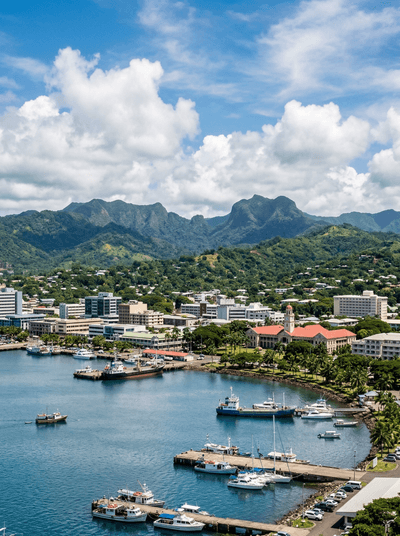
Suva
Fiji
South Pacific hustle where Hindu temples share streets with Fijian markets and colonial verandahs.
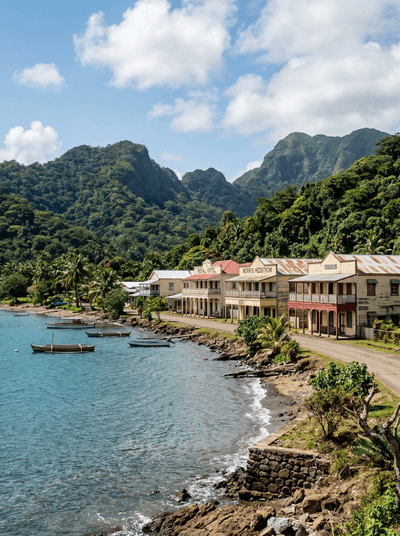
Levuka
Fiji
Fiji's first colonial capital frozen in the 1870s, wooden shopfronts sagging under tropical rain.
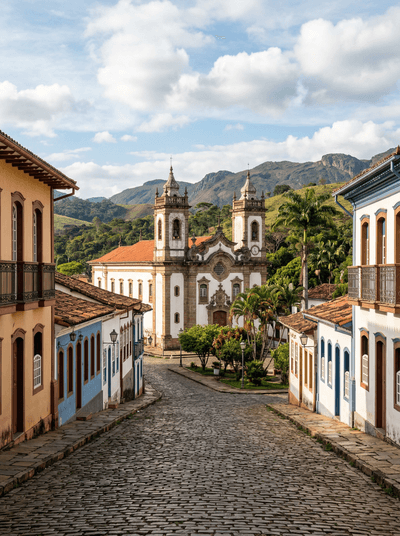
São João del-Rei
Brazil
Baroque towers answering each other across a valley, ringing the sex of whoever has just died.
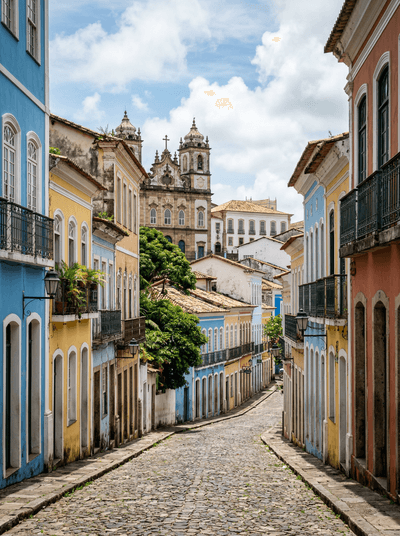
Salvador
Brazil
Drum rhythms ricocheting off colonial walls where song, dance and combat happen at once.
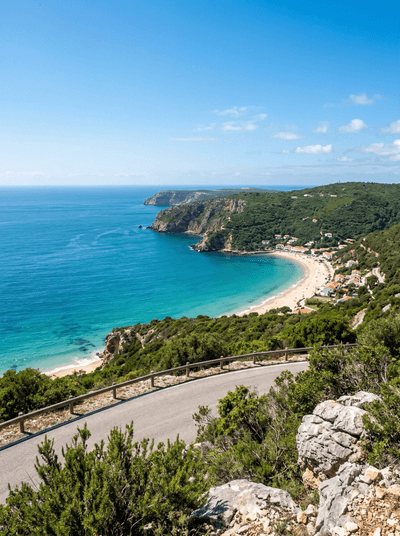
Arrábida
Portugal
Turquoise coves locked between limestone cliffs and monastery forest above the sea.
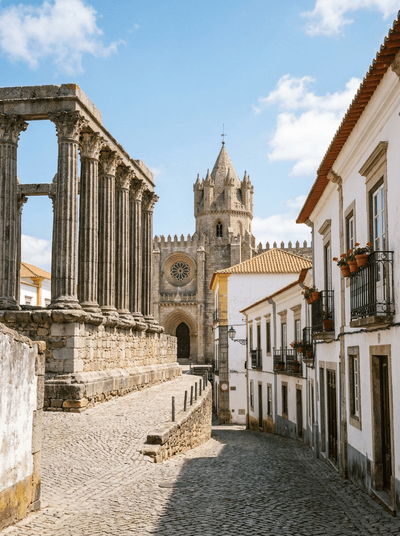
Évora
Portugal
A Roman temple stands intact beside a chapel the monks lined with their own dead.
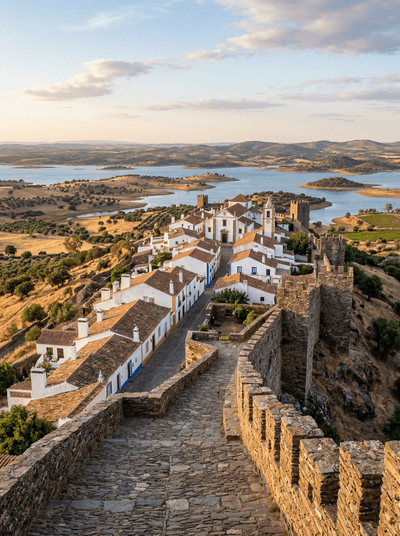
Monsaraz
Portugal
A walled village of whitewashed stone above a lake so still it doubles the sky.
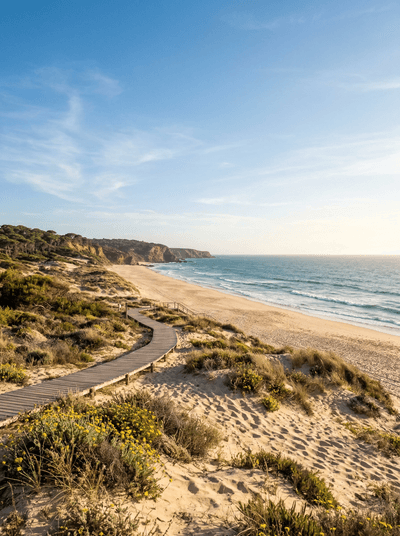
Comporta
Portugal
Rice paddies end where the dunes begin, an undeveloped Atlantic beach running for hours.