Argentina
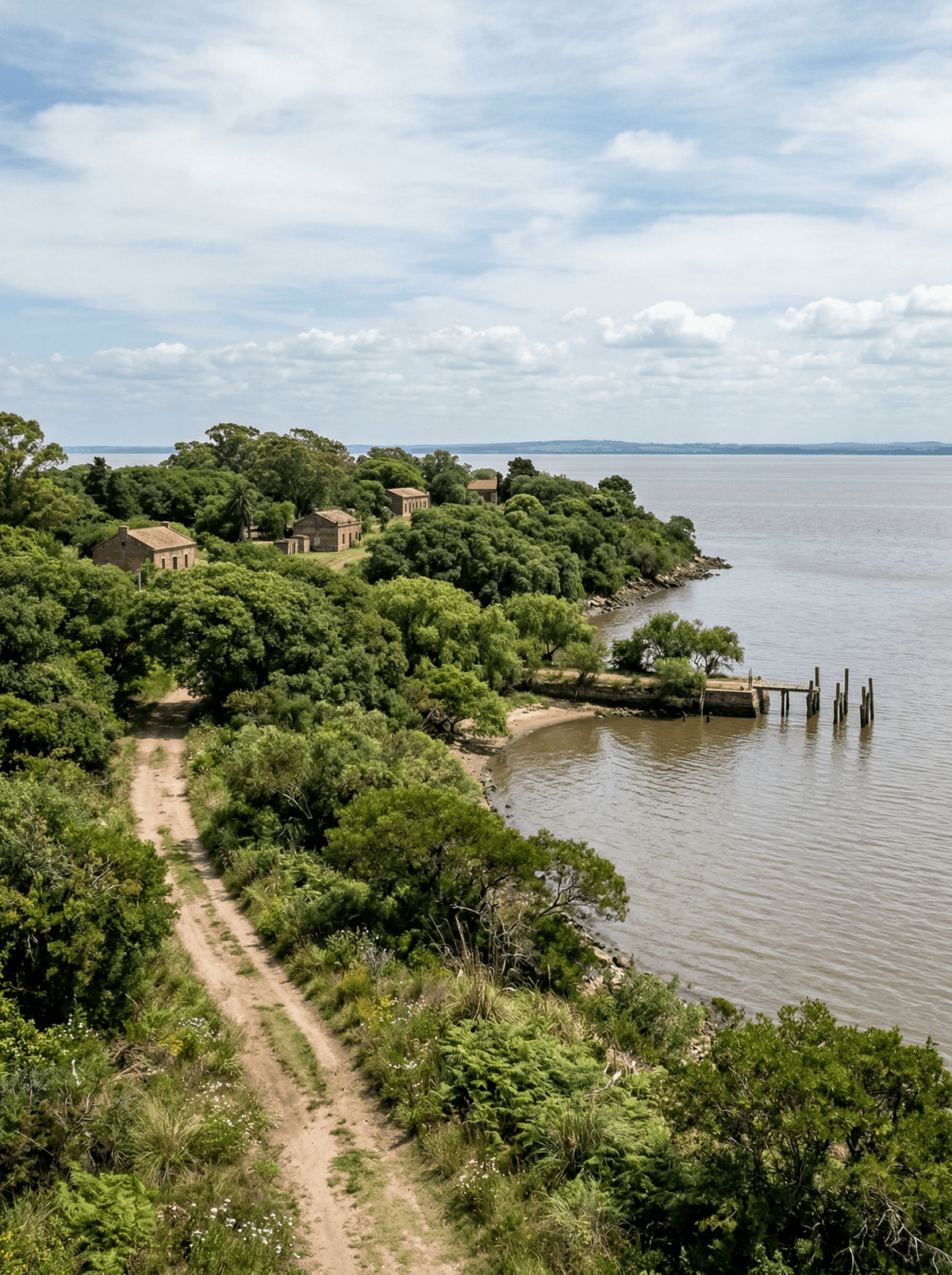
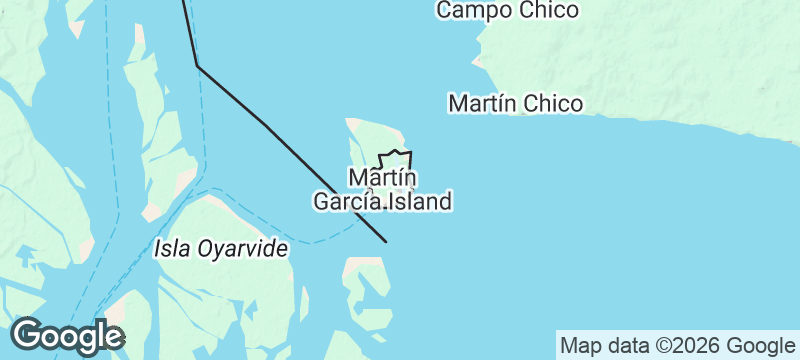
Isla Martín García
Four Argentine presidents were imprisoned on this river island near Buenos Aires.
Isla Martín García has held four Argentine presidents as prisoners — Yrigoyen, Alvear, Perón briefly, and Frondizi — and the island is small enough that their marked cells, the colonial fortifications that preceded them, and the settlement's civic buildings all sit within a short walk of each other in the Río de la Plata. History here is compressed to strolling scale.
The island has been strategic since colonial times — Spain, England, Brazil and Argentina have all held it — and its twentieth-century role as a political detention site left cells, murals painted by detained artists, and a sculpture park among the civic remains. Around all of it runs long-protected native gallery forest, an ecological reserve since 1986 with scarcely another example left in the province, timbó and ceibo breaking through the old military roads with birds by the hundred. The visit is a day ashore by ferry from the Tigre delta, the departure deadline respected — the island's depth belongs to the walking circuit, not the river crossing.
Couple
The historical trail at conversational pace — cells, fort, murals, forest — makes one of the most unusual day trips the capital offers, a compressed history of Argentine political life.
Family
The scale suits children: the whole island walks in an afternoon, and military history, presidential prisons and subtropical forest hold different ages at once — with ferry length, weather and a meal backup planned.
Friends
A group can divide between forest and civic history and reconvene at the bakery — the fixed ferry day gives the outing its natural structure.
- The marked cells held presidents Yrigoyen, Alvear, Perón and Frondizi across a turbulent century.
- Ferries cross from the Tigre delta for day visits ashore.
- Long-protected gallery forest breaks through the old military roads.
- Murals and a sculpture park carry the work of artists the island once detained.
The island bakery's traditional pan dulce — the speciality the province itself names.
A substantial picnic carried from Tigre — island kitchens keep island hours.
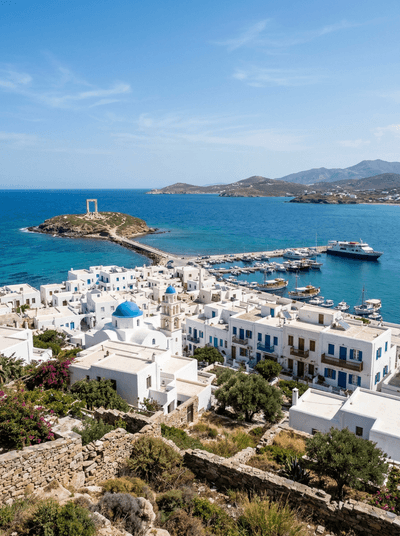
Naxos
Greece
A marble gateway stands unfinished on the harbour, abandoned mid-construction 2,500 years ago.
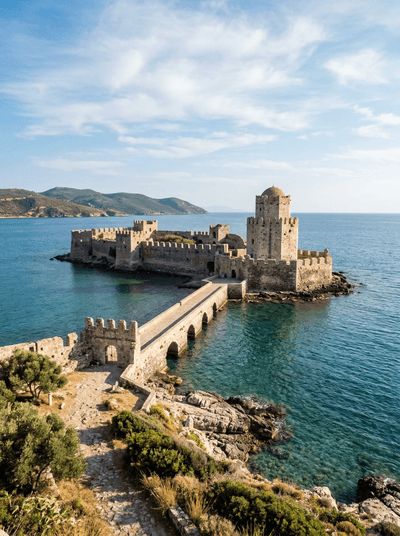
Methoni
Greece
A stone causeway from a Venetian fortress ends at a lone tower standing in the sea.
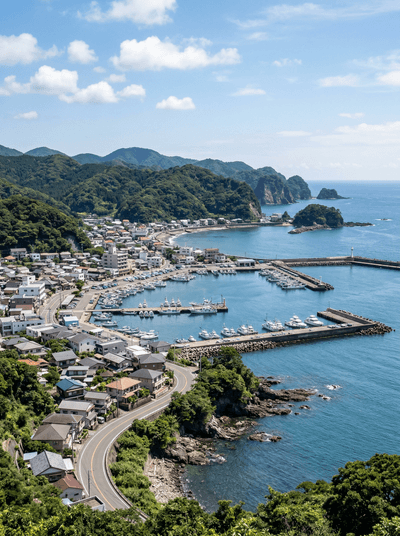
Shimoda
Japan
Perry's black ships forced Japan open here; now it is white sand, sleepy surf and snapper.
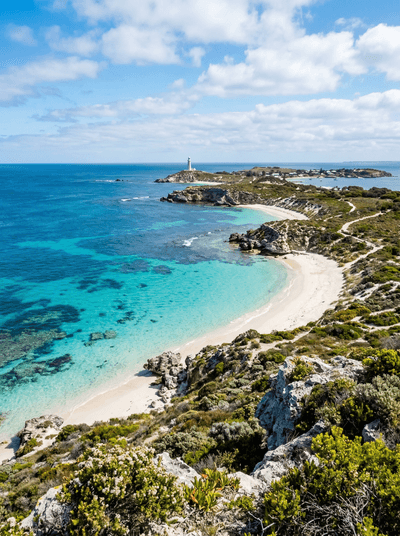
Rottnest Island
Australia
Cycle between clear bays and quokka habitat on Wadjemup, where holiday and prison histories meet.
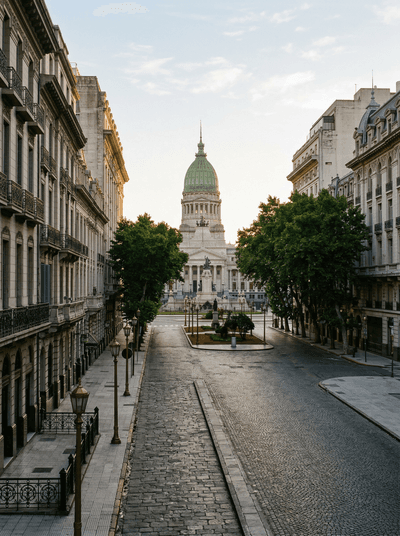
Buenos Aires
Argentina
Tango echoes through faded ballrooms where strangers dance until the city wakes.
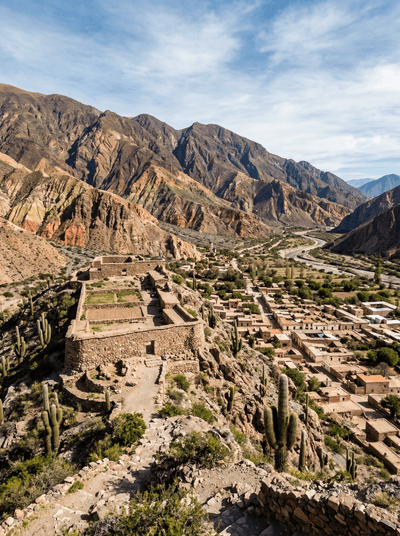
Tilcara
Argentina
A pre-Inca fortress above a rainbow canyon where carnival explodes into devil masks.
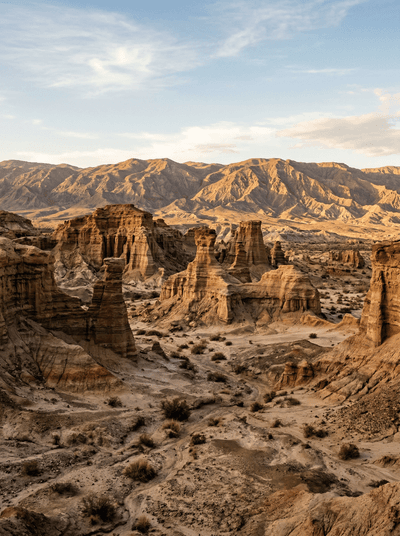
Ischigualasto
Argentina
A moonscape where the dinosaur age begins — bones in grey clay, stone spheres underfoot.
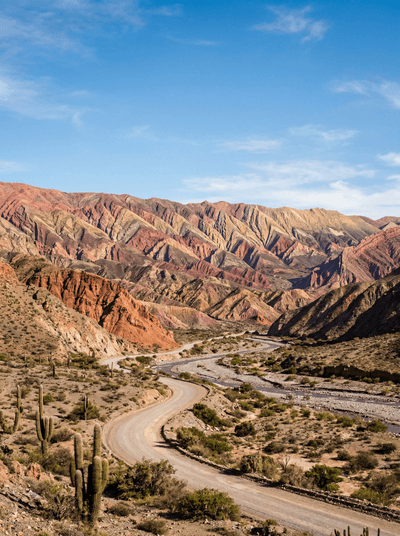
Quebrada de Humahuaca
Argentina
A canyon of painted strata where Andean trade routes thread villages older than the conquest.