Brazil
Jalapão
Natural springs where your body refuses to sink, surrounded by golden grass dunes in the cerrado.
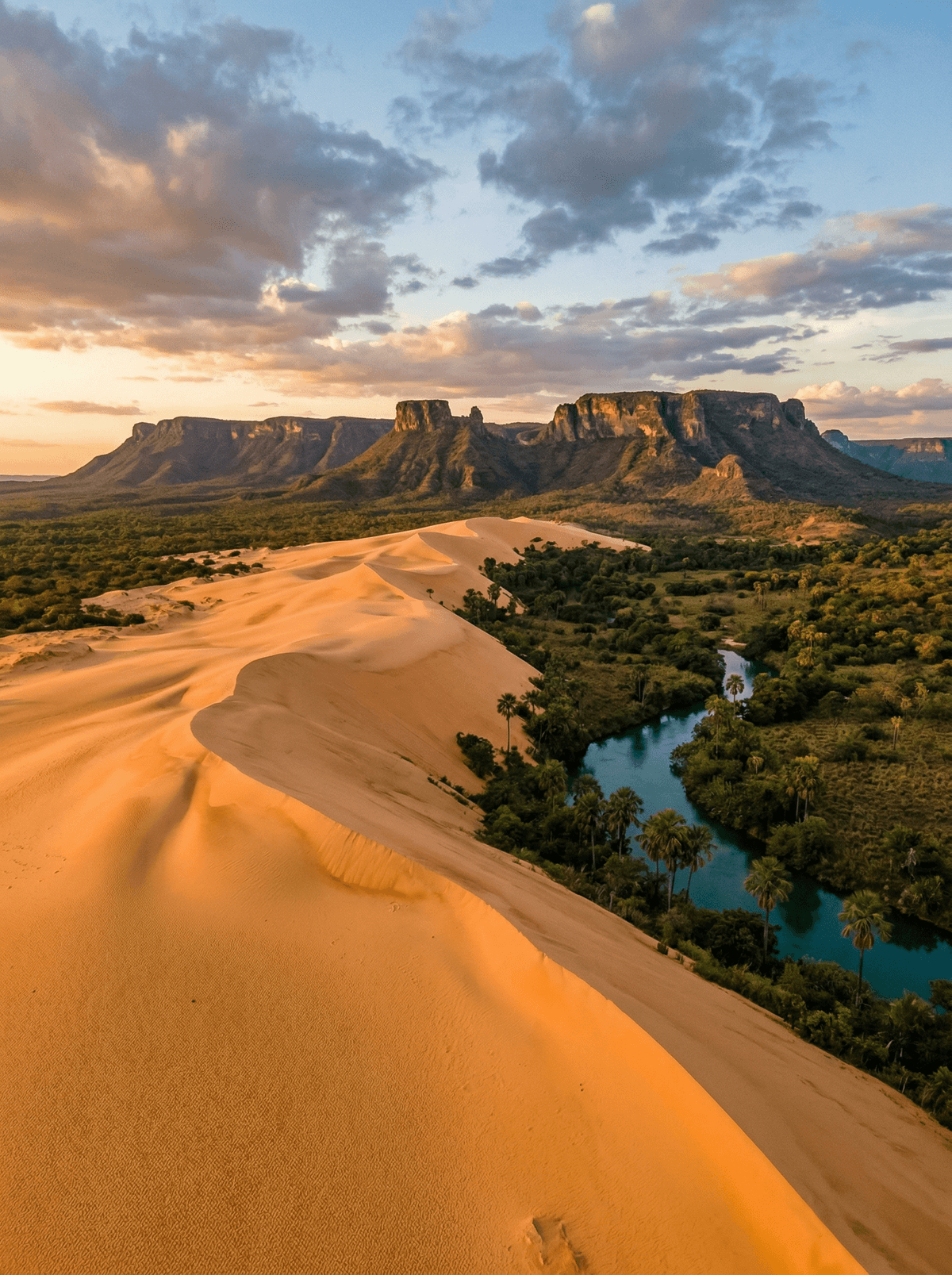
Sunlight catches the capim-dourado as it ripples across golden dunes that seem impossible in the heart of Brazil's cerrado. The fervedouros — natural springs pressurised from below — hold your body at the surface no matter how hard you try to sink, the water so clear it barely looks like water at all. Heat shimmers above the sandstone, and the silence is total.
Jalapão is a vast wilderness state park in Tocantins, roughly the size of Belgium yet home to fewer than thirty thousand people. The landscape alternates between wind-sculpted golden grass dunes, rust-coloured sandstone formations, and freshwater springs fed by underground aquifers. The Mumbuca quilombo community — descendants of enslaved Africans who settled here centuries ago — harvest the capim-dourado (golden grass) to weave into jewellery and baskets, a tradition recognised as cultural heritage. Access requires a 4x4 and a guide, and the remoteness is the point: Jalapão rewards those willing to earn it.
Solo
The remoteness and physical demands of Jalapão suit self-reliant travellers seeking total immersion. Camping under cerrado skies with nothing but golden grass to the horizon is solitude at its most vivid.
Friends
A Jalapão expedition — 4x4 convoys, waterfall jumps, campfire dinners — is a shared adventure that bonds a group. The fervedouros alone are worth the journey, and the remoteness turns every day into a story.
- The fervedouro springs force water upward so powerfully you cannot dive below the surface — you simply float, supported from beneath.
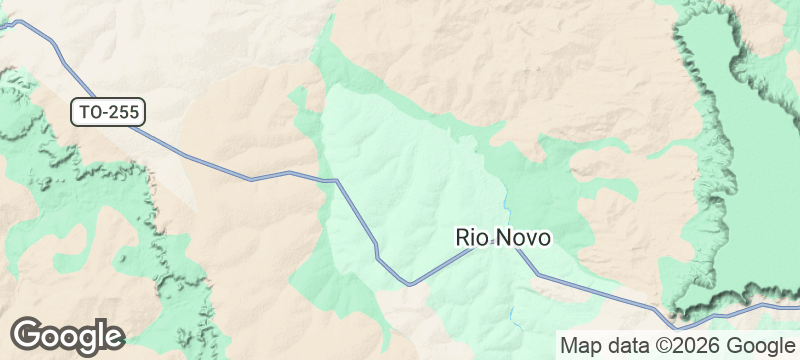
- The Cachoeira da Velha stretches over three hundred metres across the Rio Novo — visitors wade to midstream on rocky shelves below the falls.
- Local artisans weave golden capim dourado grass into bags and jewellery — the craft is protected as an Intangible Heritage of Brazil.
- Jalapão receives fewer than thirty thousand visitors annually — the dune and spring circuit has almost no infrastructure and near-zero development.
Arroz com carne seca and feijão tropeiro cooked over camp stoves in the golden grass wilderness.
Buriti palm fruit sweets and capim-dourado (golden grass) handicrafts from Mumbuca quilombo communities.
Fresh-caught river fish roasted on sticks at campfire dinners under the cerrado stars.
Millennium Cave
Vanuatu
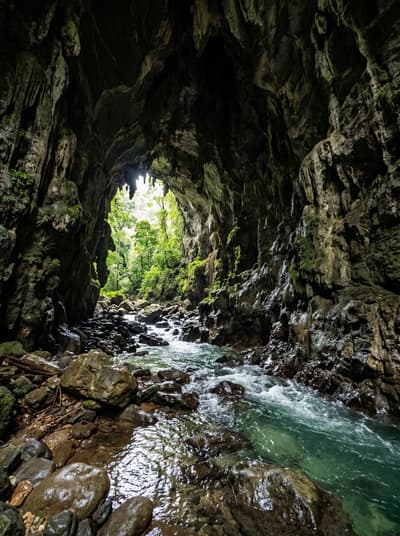
Scramble through jungle and wade chest-deep rivers to a cave you enter walking and exit floating.
Maryang-ri
South Korea
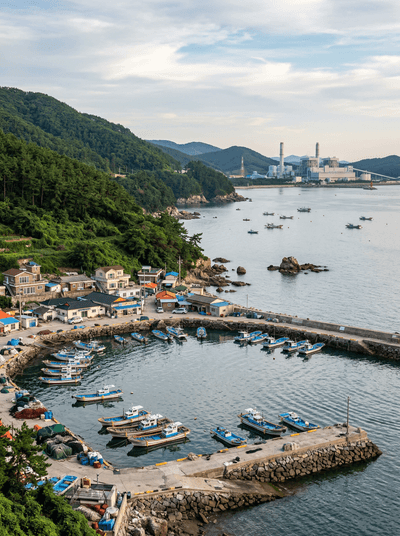
A five-hundred-year-old forest of camellia trees bleeding red flowers against the grey winter sea.
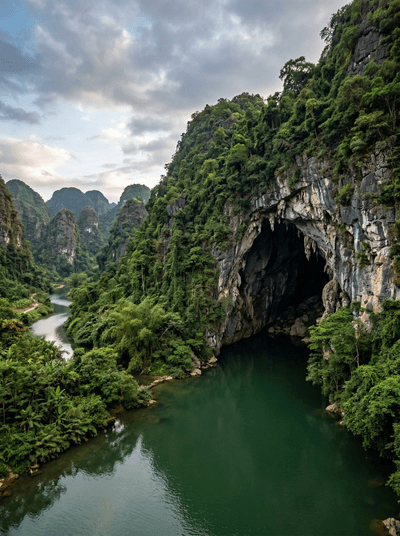
Phong Nha
Vietnam
Hidden jungle portals opening into subterranean river systems and limestone caverns.
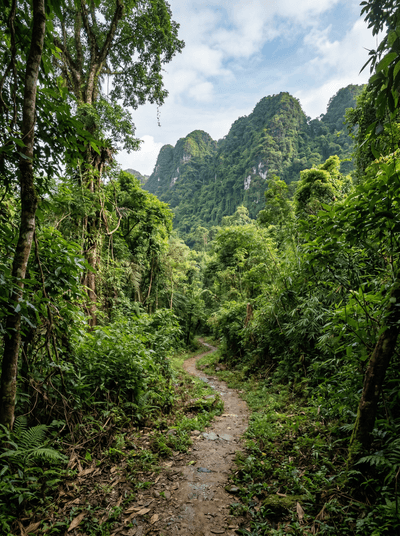
Cuc Phuong National Park
Vietnam
Millennium-old trees rising above a jungle floor swarming with millions of white butterflies each spring.
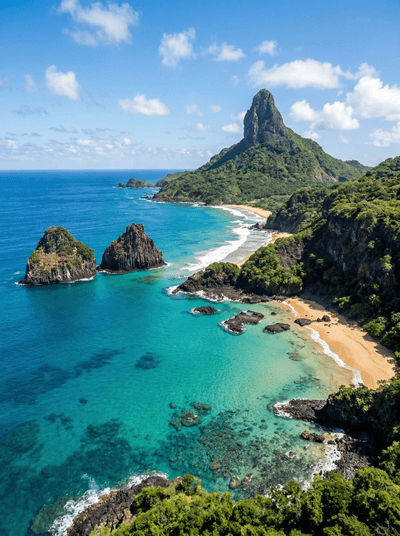
Fernando de Noronha
Brazil
Volcanic spires rising from water so clear the seafloor glows up at you from the clifftop.
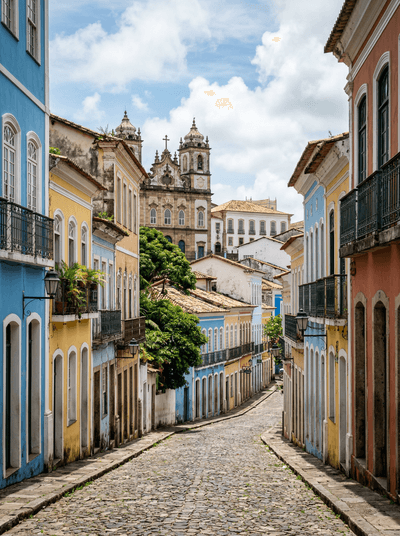
Salvador
Brazil
Drum rhythms ricocheting off pastel colonial walls where capoeira circles form before sundown.
Jericoacoara
Brazil
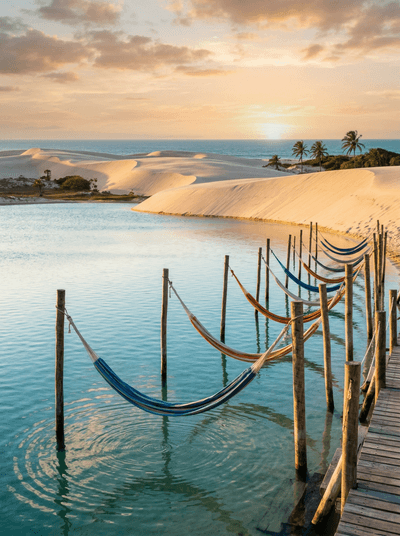
Windswept dunes where the sun melts into the sea from a natural stone arch.
Lençóis Maranhenses
Brazil
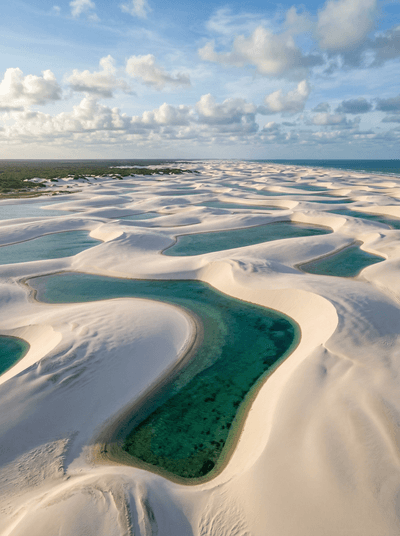
Thousands of rain-filled lagoons between white dunes stretching to the horizon like another planet.