Wales
Kenfig
Sand that swallowed a medieval town and castle, now home to one of Britain's rarest plants.
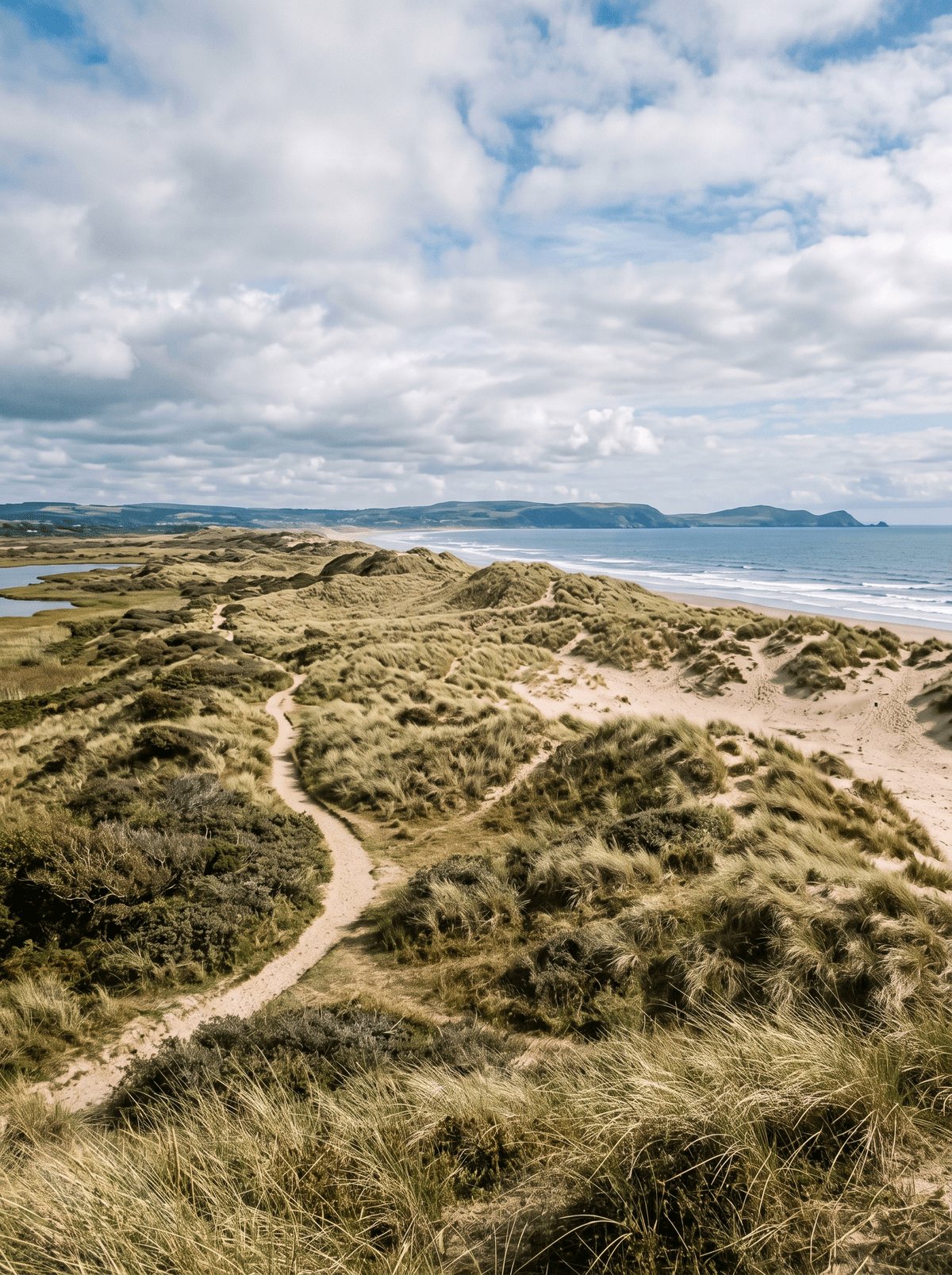
There was a town here. By the 1140s Kenfig was a walled borough with a castle at one corner and 142 house plots inside the rampart, and then the sand came, so steadily through the fifteenth century that the town was abandoned to the dunes, though its corporation went on meeting until 1883. Today, on the south Wales coast between Porthcawl and Port Talbot, the castle tower's stump rises out of the sand, and the dunes around it rank among the finest in Europe.
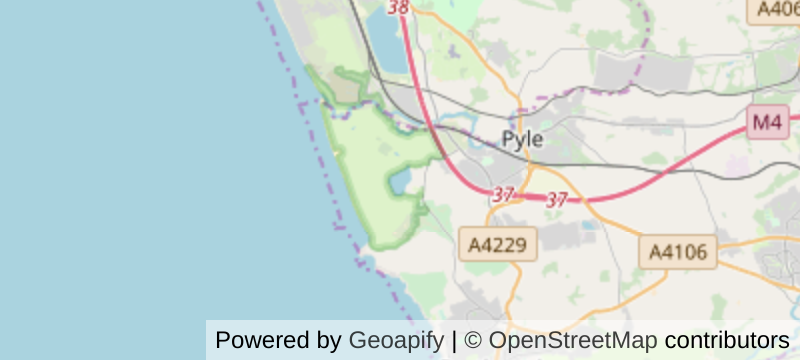
The castle was built early in the twelfth century by the lord of Glamorgan, a fourteen-metre square tower inside a palisaded court that would have dominated the town's skyline, rebuilt in stone around 1300 and ruinous by the early 1500s; it was excavated between 1924 and 1932, and what is left is scanty and strange, masonry emerging from a hillside of marram grass. The reserve that swallowed it is about 1,300 acres of dunes and wetland between Porthcawl and Port Talbot, the remnant of a system that once ran from the Ogmore estuary to Gower. It is managed hard, with grazing and scrub control, to keep the sand moving, because the rare plants need bare ground: the fen orchid, extremely rare in Britain, has climbed here from 200 plants to more than 4,000. Kenfig Pool, 70 acres, is the largest natural lake in South Wales, a refuge for wildfowl and among the few UK sites where a bittern can be seen in winter. Sker Beach, the most westerly in the county, is reached only through the reserve; Porthcawl, with its 1887 promenade, is the resort next door for the fish and chips.
Solo
The circular route through the dunes to the castle stump and the pool, with binoculars for the bittern in winter and the orchids in early summer.
Couple
A long walk out to Sker Beach with a picnic, and the promenade at Porthcawl for the evening.
Family
A buried town to hunt for in the sand, a lake, Sker Beach beyond the dunes, and ice cream in Porthcawl.
Friends
A slow day of dunes, the buried castle and the pool, then Porthcawl's promenade for chips and the sunset over Swansea Bay.
- A walled medieval borough stood here by the 1140s with a castle at its northern corner; from the fifteenth century the sand choked it, and the corporation was finally abolished in 1883.
- The scanty remains of Kenfig Castle, a once formidable fortress of the early twelfth century with a fourteen-metre square tower, rise from the dunes beside the river; the site was excavated in 1924 to 1932.
- The reserve is about 1,300 acres of dunes and wetland between Porthcawl and Port Talbot, one of the finest dune systems in Europe, with a significant population of the extremely rare fen orchid that has risen from 200 plants to more than 4,000.
- Kenfig Pool, 70 acres, is South Wales's largest natural lake, and the reserve is among the few UK sites where the bittern can be seen in winter.
Fish and chips or an ice cream on Porthcawl's promenade of 1887, the resort next door, where cafés and parlours sit beside the Grand Pavilion.
A pint or a meal in the Prince of Wales Inn, the historic pub beside Kenfig Pool.
Taveuni
Fiji
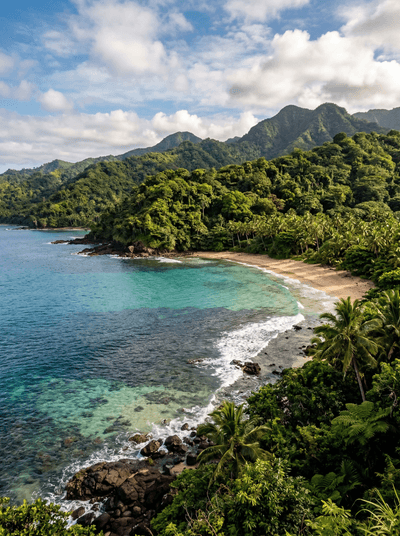
Stand astride the 180th meridian in rainforest, one foot in today, one in yesterday.
Parque Nacional Conguillío
Chile
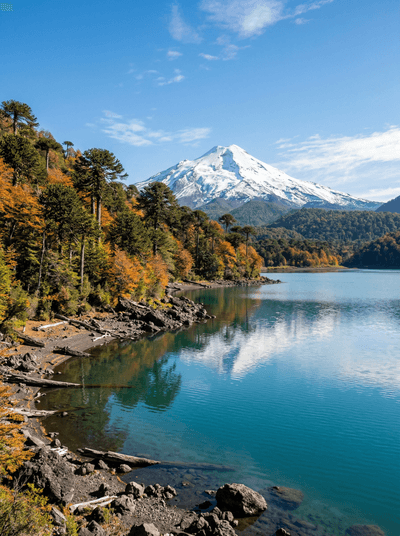
Araucaria crowns stand over black lava and clear lakes beneath Volcán Llaima.
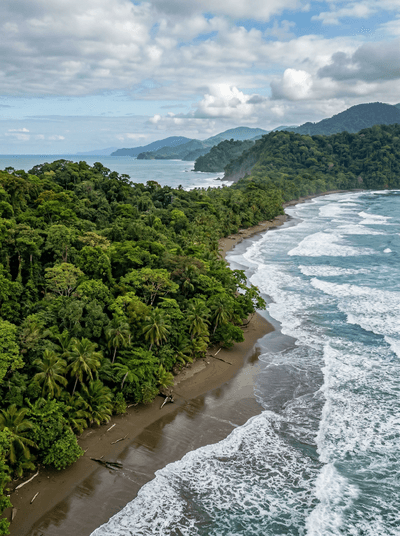
Corcovado National Park
Costa Rica
National Geographic called it the most biologically intense place on Earth. They undersold it.
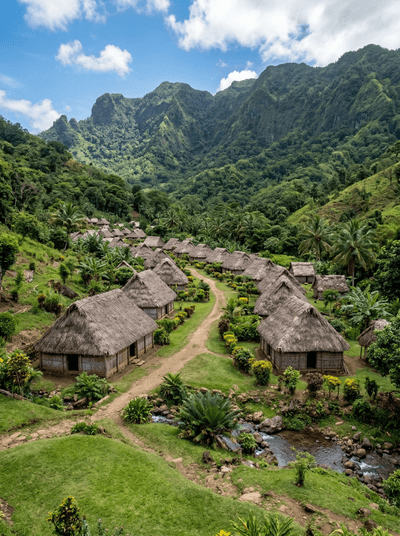
Navala Village
Fiji
Two hundred thatched bures, all built the same size, climb a valley above the Ba River.
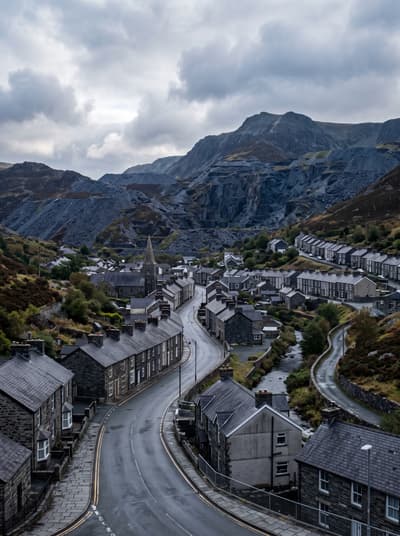
Blaenau Ffestiniog
Wales
The town that roofed the world, where you bounce on trampolines slung inside a slate cavern.
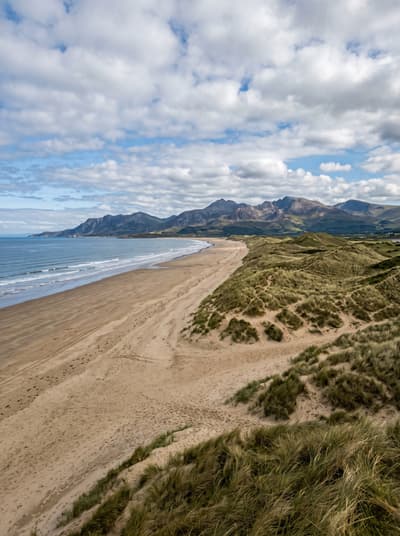
Harlech
Wales
A castle on a crag waiting for a sea that walked away centuries ago.
Aberdaron
Wales
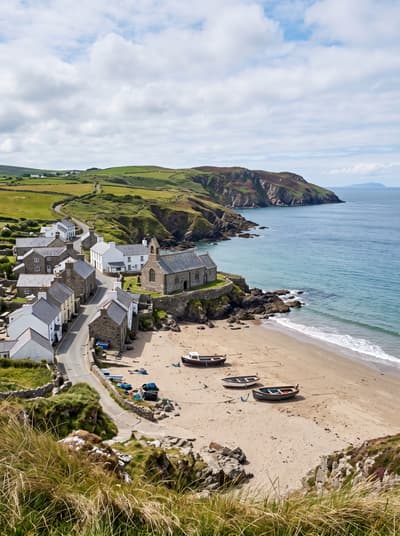
A church on the sand where pilgrims ate their last meal before the island crossing.
Beddgelert
Wales
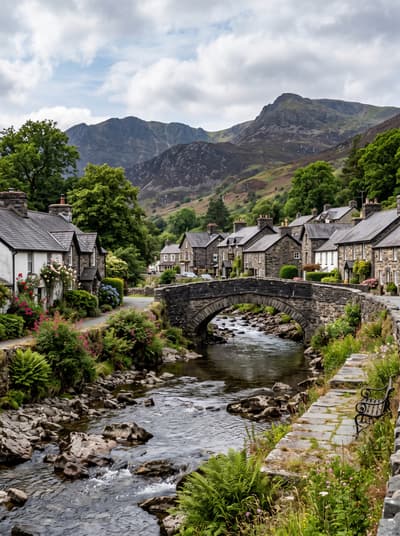
A stone village at the meeting of two rivers, named for a legendary dog's grave.