Pakistan
Khaplu
A 14th-century mosque with Tibetan Buddhist carvings hiding inside an Islamic prayer hall.
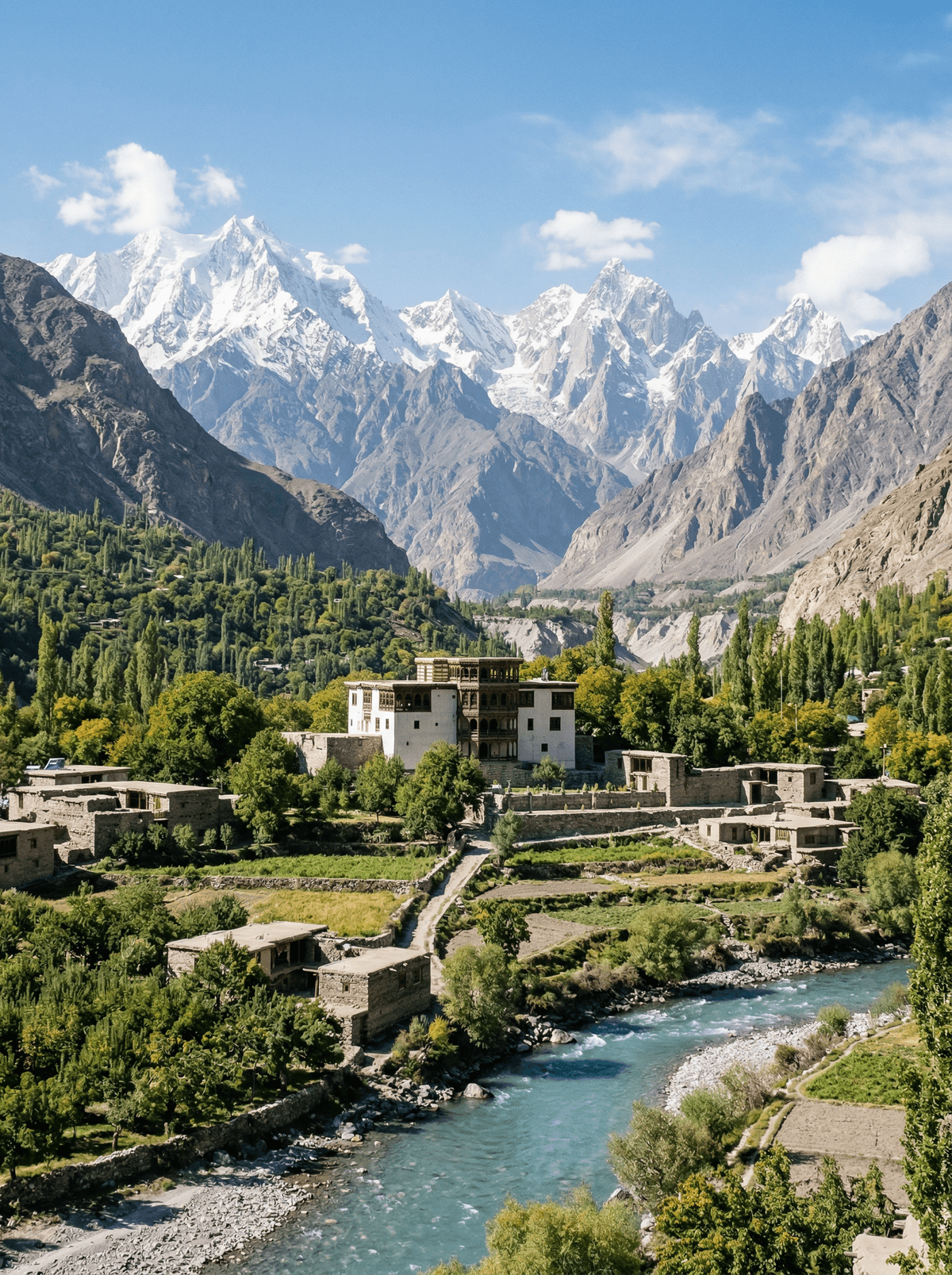
The prayer hall is silent except for the creak of ancient timber. Inside the Chaqchan Mosque, 14th-century Islamic calligraphy shares wall space with Buddhist lotus carvings — two faiths layered into the same woodwork by craftsmen who saw no contradiction. Outside, the Shyok River curls through a valley floor of green barley fields, and the Karakoram's granite walls press close on every side.
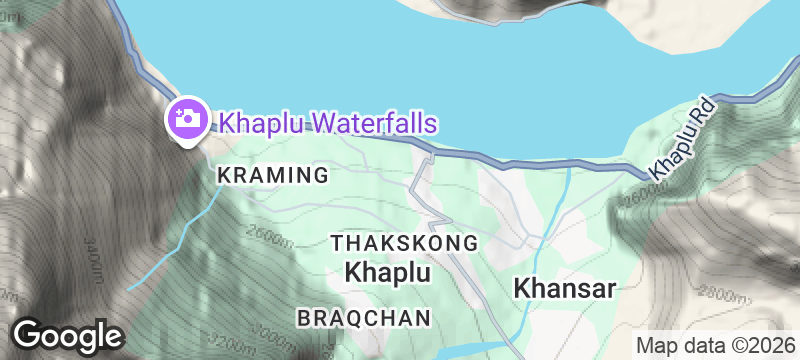
Khaplu is the former capital of the Chorbat dynasty in Ghanche district, Gilgit-Baltistan, and its layered history is visible in every structure. The Chaqchan Mosque, dating to 1370, is the most remarkable: its wooden interior preserves pre-Islamic Buddhist motifs alongside Islamic geometric patterns, evidence of the gradual religious transition that occurred in Baltistan over centuries. The Khaplu Palace, a grand timber-and-stone residence built by the local raja, has been meticulously restored by the Aga Khan Trust and converted into a heritage hotel where guests sleep in rooms decorated with original Balti woodwork. Khaplu sits at the confluence of the Hushe and Shyok rivers, surrounded by apricot orchards and barley terraces. The town is also the starting point for treks to Masherbrum and the Hushe Valley peaks. Balti gosht — slow-cooked mutton with dried apricots — originated in this region, and the version served in Khaplu's family kitchens remains the benchmark.
Solo
Solo travellers discover Khaplu's layered religious history at walking pace — the Chaqchan Mosque's Buddhist-Islamic woodwork rewards close, unhurried inspection, and the restored palace offers a rare chance to sleep inside Baltistan's cultural heritage.
Couple
The Khaplu Palace hotel transforms a royal Balti residence into one of Pakistan's most atmospheric stays — couples dine on apricot lamb beneath carved wooden ceilings in rooms where the local raja once received guests.
- The Khaplu Palace — built in the 1840s, restored by the Aga Khan Trust for Culture — is now a hotel where you sleep in the Rajah's former rooms.
- The Chaqchan Mosque, built 1370, shows carved Tibetan timber detailing inside an Islamic prayer space — the synthesis is visually arresting and architecturally unmatched.
- The village sits at 2,600 metres above sea level with apricot and apple orchards running up the hillside between stone irrigation channels.
- Trails into the Hushe Valley and towards the K2 trekking route begin within 20 kilometres of the town — Khaplu is the last comfortable base.
Balti gosht in its birthplace — slow-cooked mutton with cumin and dried apricots.
Yak butter tea brewed in the Chaqchan tradition.
Mamtu dumplings steamed in brass pots at the restored Khaplu Palace.
Mindelo
Cape Verde
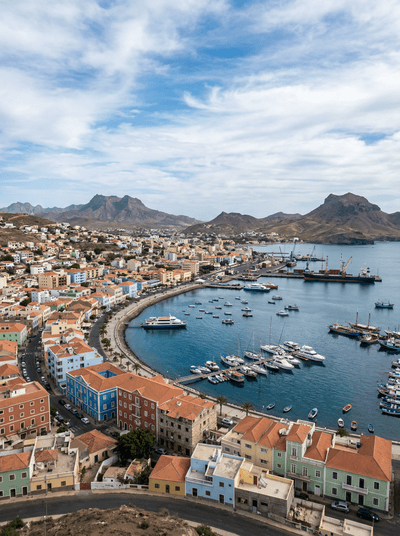
Morna music drifts from dimly lit bars where Cesária Évora once sang barefoot for sailors.
Cidade Velha
Cape Verde
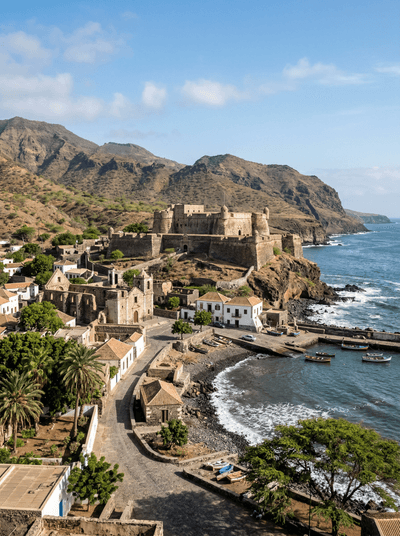
First colonial city in the tropics — a slave pillory still stands in the silent square.
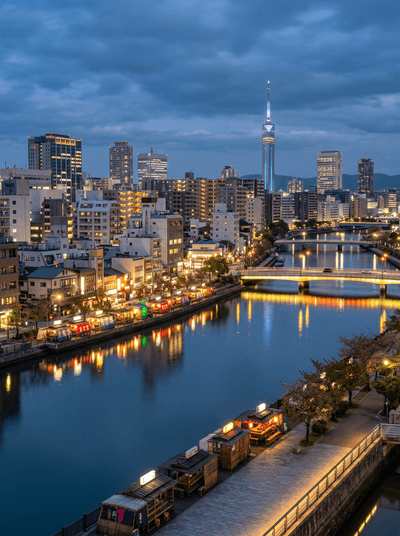
Fukuoka
Japan
Yatai street stalls steaming under canvas where strangers share ramen at midnight.
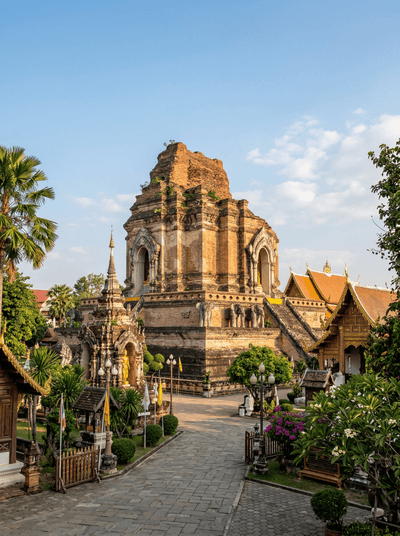
Chiang Mai
Thailand
Monks in saffron robes walking barefoot past tattooed expats and ancient brick chedis at dawn.
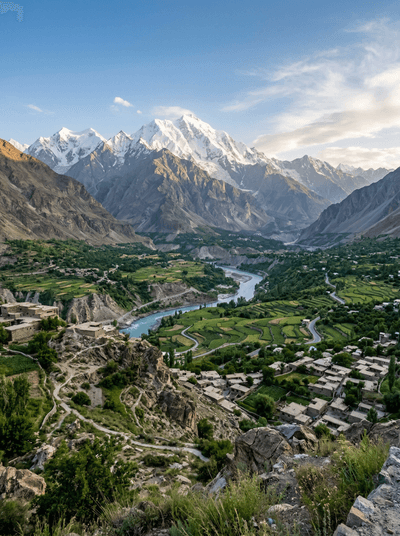
Hunza Valley
Pakistan
Apricot orchards cascading down terraces where three of Earth's mightiest mountain ranges collide.
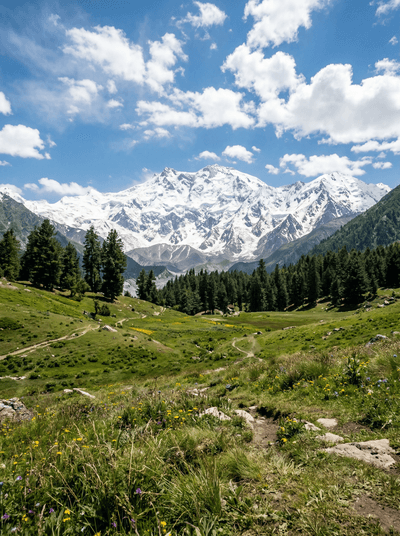
Fairy Meadows
Pakistan
A wildflower carpet at 3,300 metres where Nanga Parbat's killer face fills the entire sky.
Skardu
Pakistan
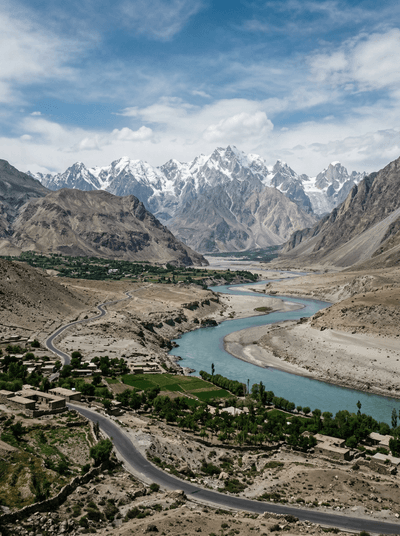
Sand dunes and glacial lakes sharing the same valley floor beneath Karakoram granite walls.
Naltar Valley
Pakistan
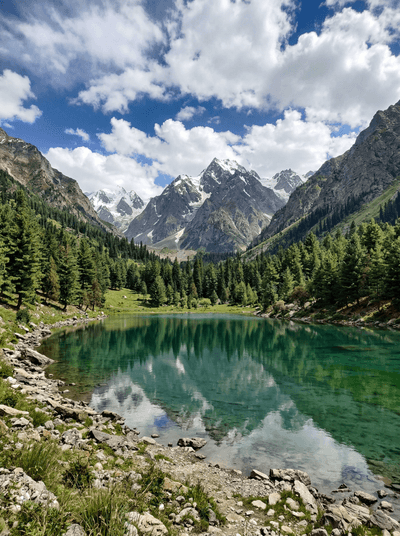
Three lakes cycling through turquoise, emerald, and sapphire depending on the angle of light.