
Panama
La Amistad International Park
A binational cloud forest so dense and remote that vast sections remain unmapped.
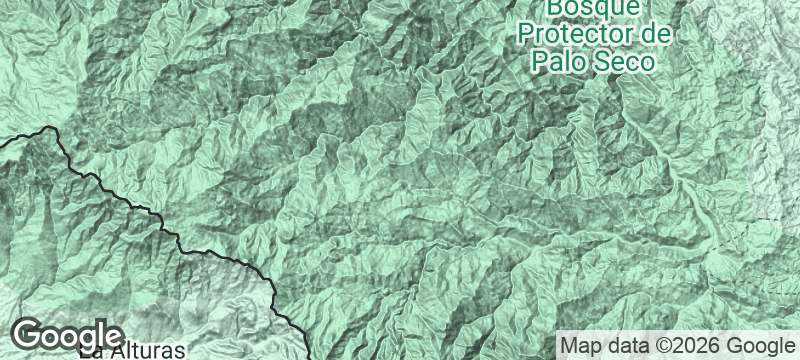
The cloud forest swallows you within the first hundred metres. Moss hangs in curtains from branches overhead, visibility drops to the trees directly ahead, and the sound narrows to dripping water and the distant cry of a quetzal. La Amistad International Park is a place where the map shows green and nothing else — vast sections have never been surveyed on foot.
La Amistad spans 400,000 hectares across Panama and Costa Rica, making it the largest protected area in Central America and a UNESCO World Heritage Site. The park holds six of Panama's eight wildcat species — jaguar, puma, ocelot, margay, jaguarundi, and oncilla — all moving through its territory. The Wekso sector on the Caribbean side is accessible only by boat up the Teribe River through Naso indigenous territory, where communities control their own visitor access. Temperature and ecosystem shift dramatically with altitude: lowland tropical forest at the entrance gives way to cloud forest above 2,500 metres. The Panamanian side receives a fraction of the visitors that the Costa Rican side does, and multi-day treks into the interior require guides, permits, and serious preparation.
Solo
La Amistad rewards the self-sufficient trekker: multi-day routes through unmapped cloud forest, nights at ranger stations, and the possibility of wildcat tracks on the trail ahead. This is solitude at its most absolute.
Friends
A multi-day expedition into Central America's largest wilderness, with Naso guides navigating the Teribe River approach and cloud forest camps above the treeline — La Amistad is the kind of trek a group plans for and remembers forever.
- La Amistad spans 400,000 hectares across Panama and Costa Rica — the largest protected area in Central America, and almost entirely roadless.
- The park holds six of Panama's eight wildcat species: jaguar, puma, ocelot, margay, jaguarundi, and oncilla all move through its territory.
- The Wekso sector on the Caribbean side is accessible only by boat up the Teribe River through Naso indigenous territory — communities that control their own visitor access.
- Temperature and ecosystem shift dramatically with altitude: from lowland tropical forest at the entrance to cloud forest at over 3,500 metres in the upper reaches.
Highland stews made from whatever the forest and farms provide — simple food for tough terrain.
Coffee and bread at ranger stations before dawn expeditions into the canopy.
Ngäbe-Buglé tamales wrapped in banana leaves, carried as trail provisions.

Wistman's Wood
England
Twisted ancient oaks dripping with moss in a silence so deep it hums.

Imber
England
A ghost village frozen in 1943 where wildlife has reclaimed the empty cottages.
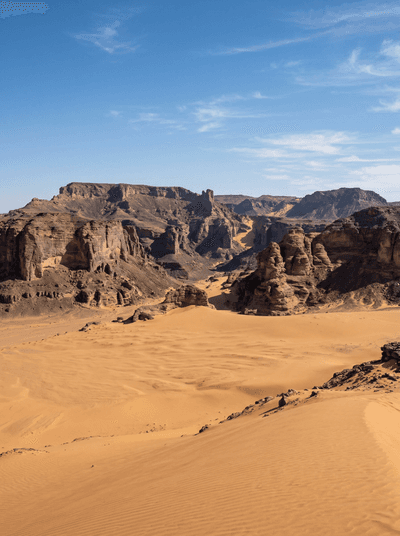
Gilf Kebir
Egypt
Prehistoric swimmers painted on cave walls in the deep Sahara, from when this wasteland was green.
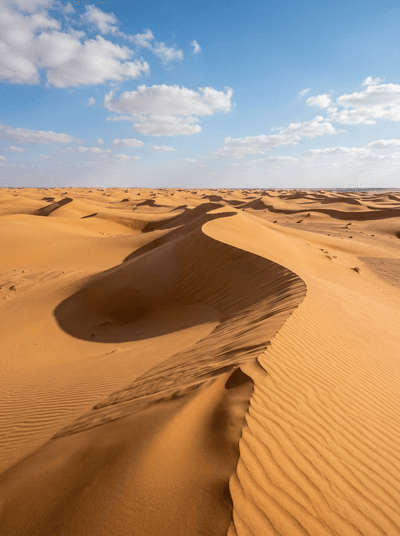
Great Sand Sea
Egypt
Sand ridges higher than buildings stretching to the Libyan border, hiding shards of cosmic glass.
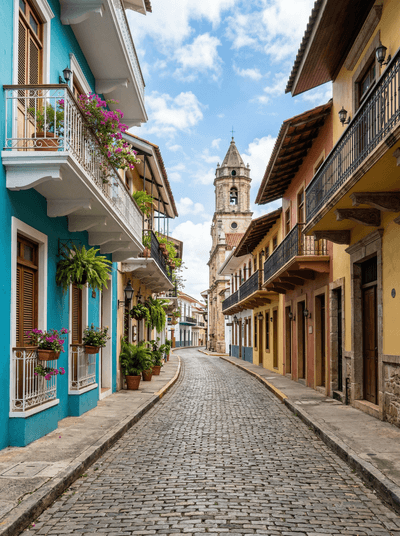
Casco Viejo
Panama
Crumbling baroque balconies where jazz drifts over a skyline of glass towers.
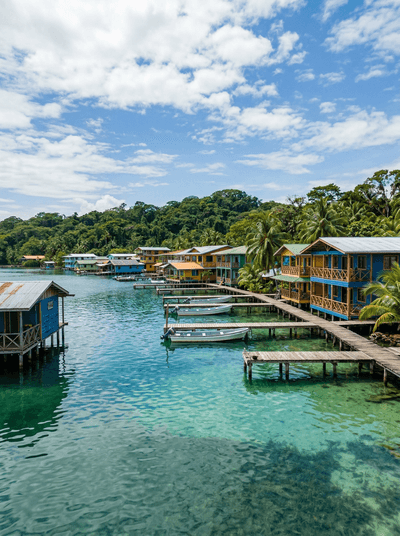
Bocas del Toro
Panama
Over-water bungalows on a Caribbean archipelago where sloths drift through mangrove canopies.
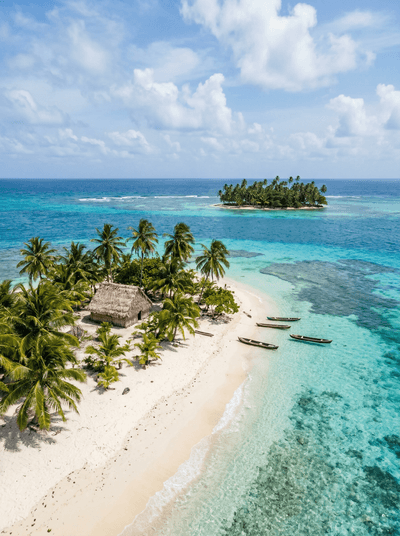
San Blas Islands
Panama
Palm-tufted coral islands governed by an indigenous nation that rejected the modern world.
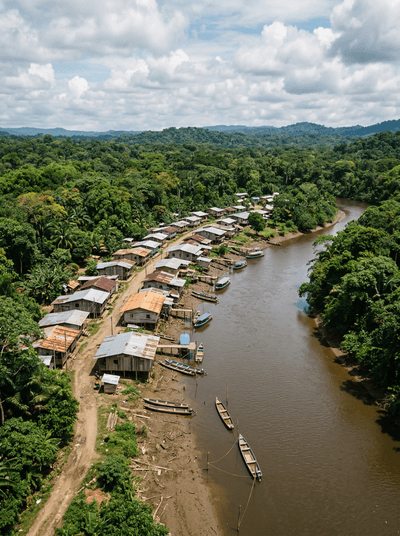
Yaviza
Panama
Where the Pan-American Highway dies: the last town before a hundred kilometres of trackless jungle.