Indonesia
Makassar
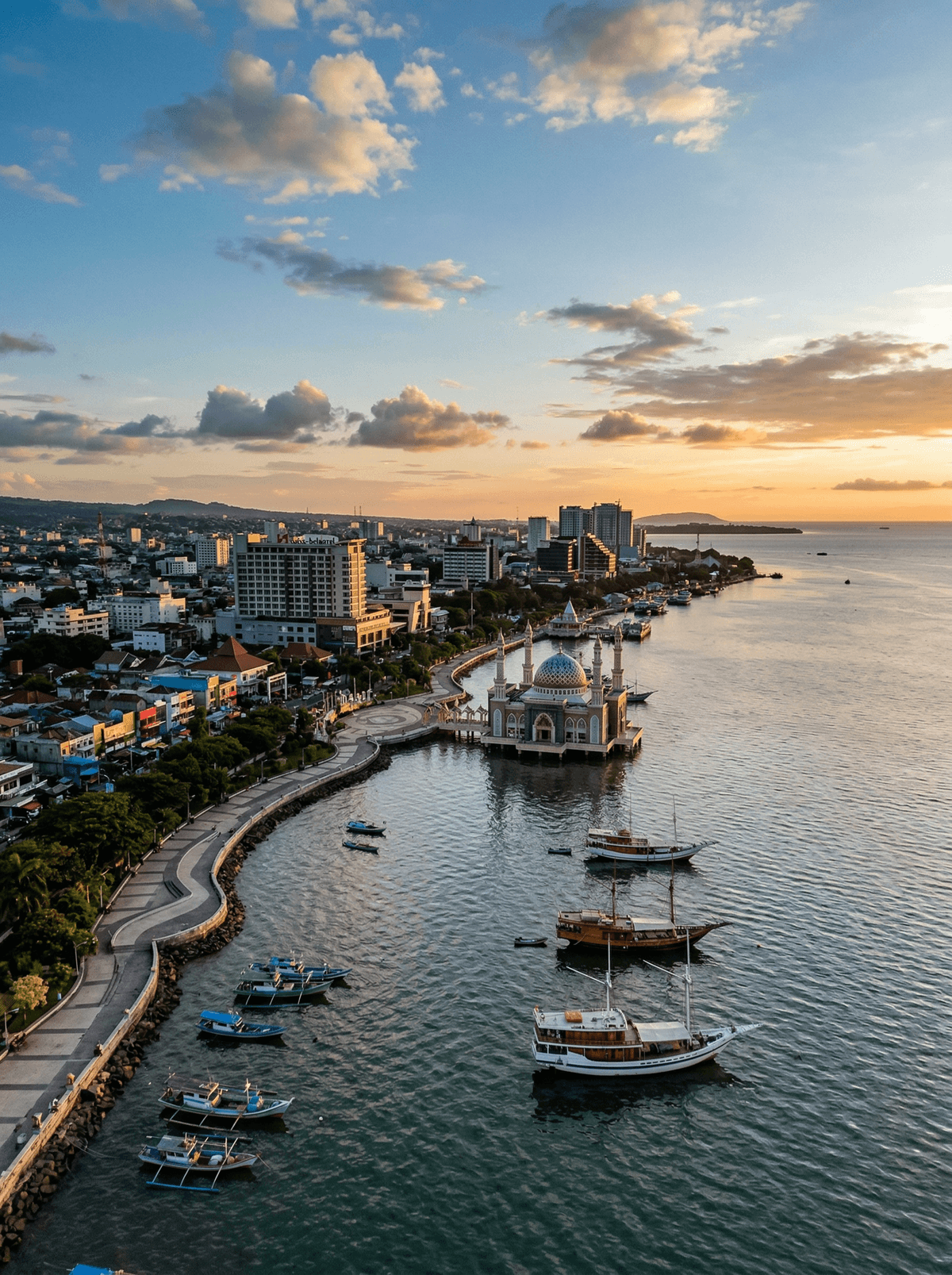
Wooden phinisi still tie up at Paotere, where the fish market erupts at dawn.
By first light Paotere is already loud: tuna the size of torpedoes on the concrete, sarongs and shouted prices, tall wooden schooners against the quay. The city behind it moves at working-port speed.
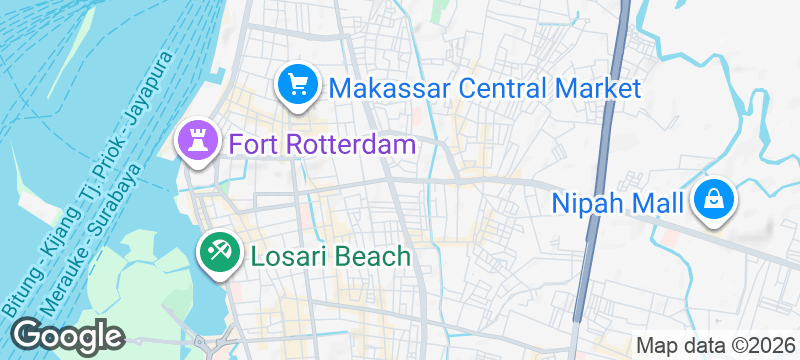
Makassar is eastern Indonesia's largest city and its maritime capital, built by Bugis and Makassarese seafarers whose phinisi schooners still work Paotere harbour alongside the steel. Fort Rotterdam holds the Gowa kingdom's and the Dutch colony's layered history in one seafront complex of museums, and by late afternoon the city turns to Losari's waterfront for sunset and street food, pisang epe pressed and grilled on the promenade. Most travellers pass through on the way to Toraja or the karst; the city's harbour mornings and food evenings argue for a day of their own.
Solo
An early start at Paotere, respectful of the work, is the city at its truest.
Couple
Port history in the morning, Losari's sunset food in the evening.
Friends
A group food crawl lands naturally after the harbour and the fort.
- Paotere is a working harbour where traditional wooden schooners still berth.
- Fort Rotterdam carries Gowa and Dutch history in one seafront complex.
- Losari's promenade turns the city seaward every evening.
- The dawn fish market is among Indonesia's most vivid urban spectacles.
Coto Makassar has its named houses in its home city, Coto Nusantara among them.
Pisang epe, banana pressed and grilled under palm-sugar sauce, is Losari's evening snack.
Moshi
Tanzania
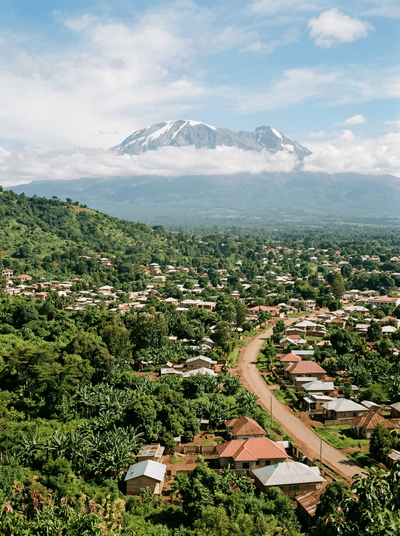
Coffee ripens on Kilimanjaro's flank above a town the Chagga farmed first.
St Bathans
New Zealand
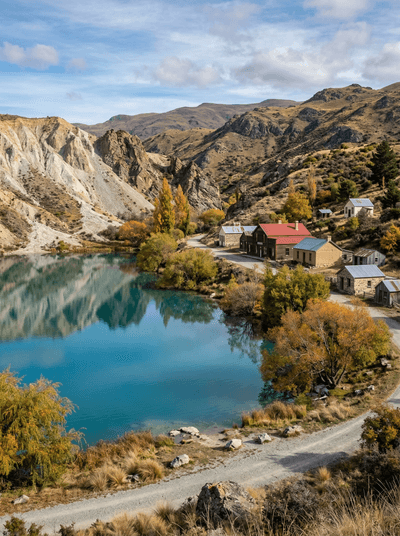
A gold-rush village of mud brick beside a flooded mine pit turned sapphire lake.
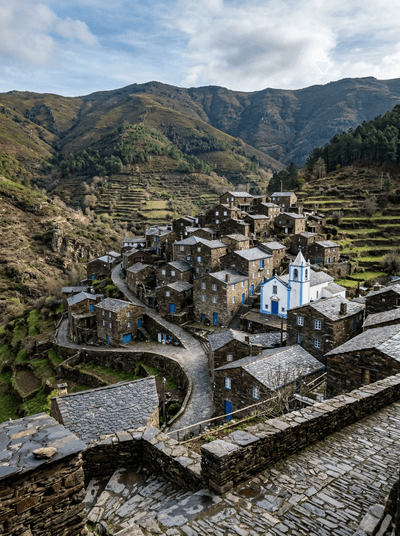
Piódão
Portugal
Blue-grey schist houses cascade down a mountain bowl, glowing amber after dark.
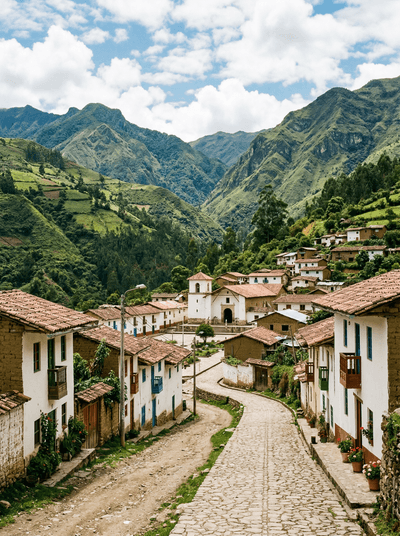
Leymebamba
Peru
A cloud-forest town guarding two hundred rescued Chachapoya dead with personal tenderness.
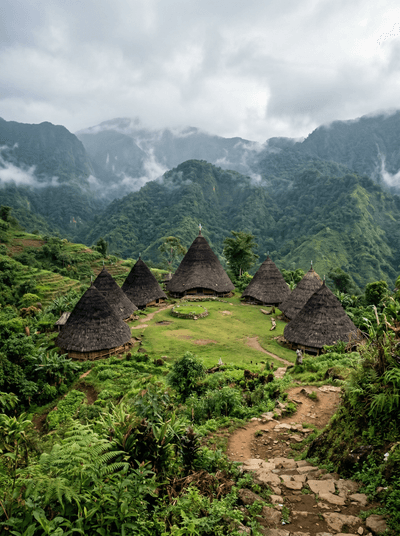
Wae Rebo
Indonesia
Seven thatched cones stand alone in a mountain clearing with cloud drifting through the village.
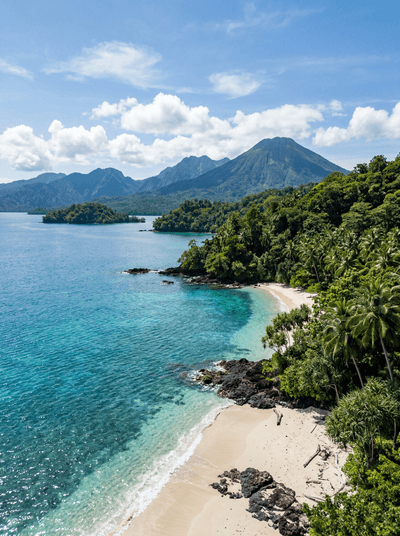
Halmahera
Indonesia
Wallace's standardwing dances at dawn on the island that shaped his theory.
Banda Islands
Indonesia
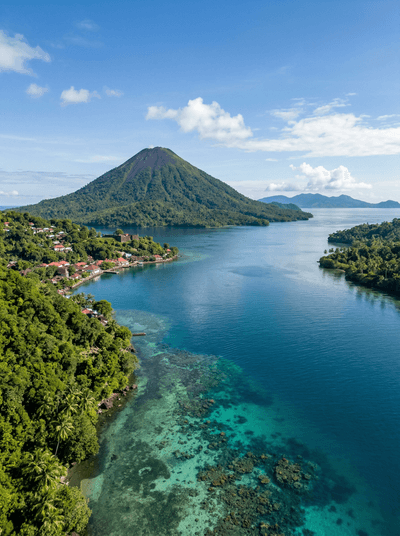
Manhattan was traded for one of these nutmeg islands, and the groves still stand.
Wakatobi
Indonesia
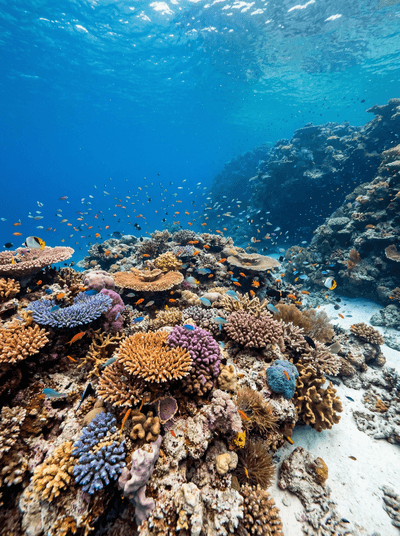
Most of the world's coral species crowd the reefs beneath Bajo stilt houses.