Portugal
Piódão
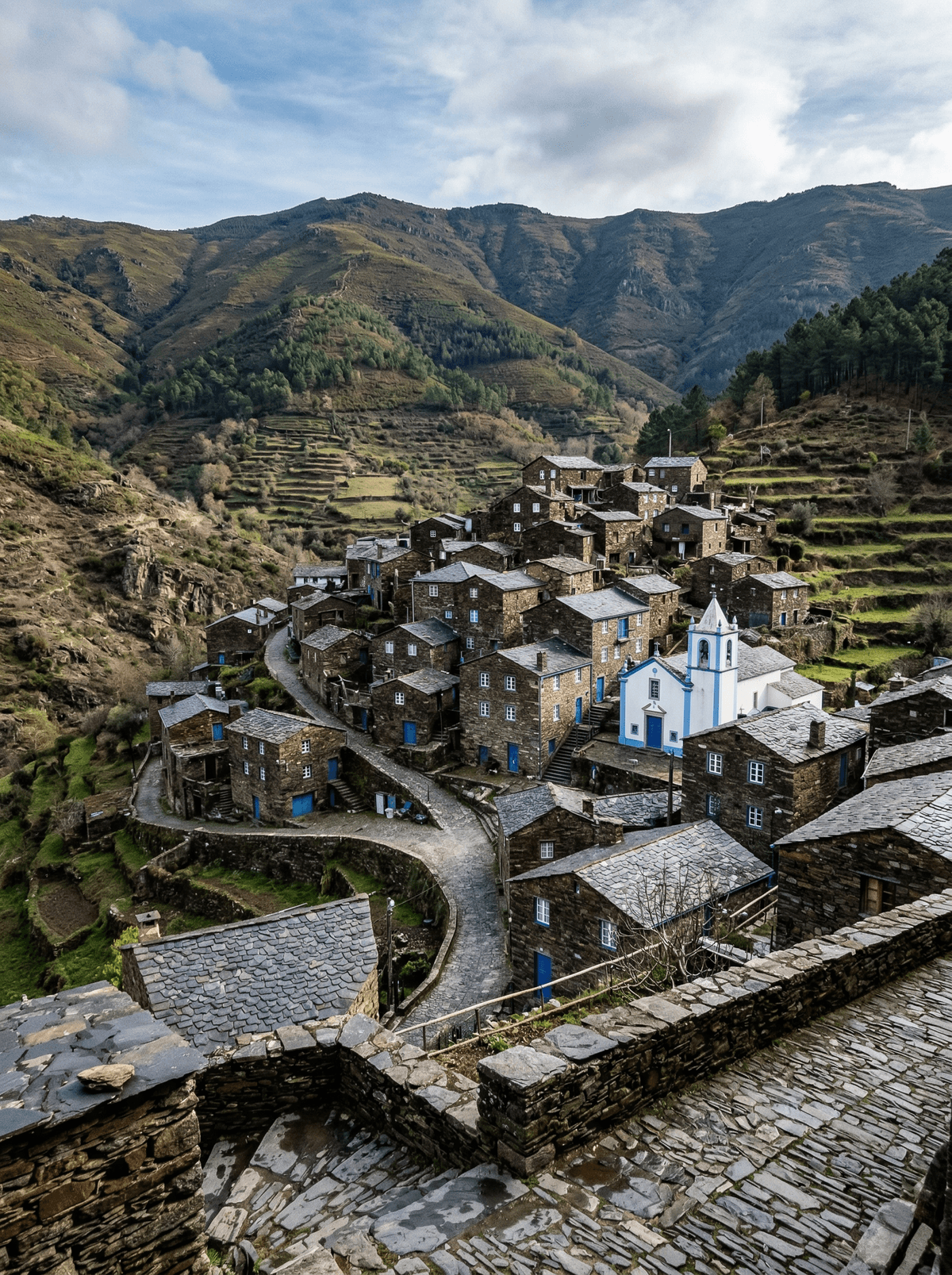
Blue-grey schist houses cascade down a mountain bowl, glowing amber after dark.
The village shows itself all at once — a cascade of blue-grey schist houses tumbling down a steep mountain bowl in the Serra do Açor. After dark it transforms: floodlights turn the stone amber and the white church at the base glows like a beacon. Woodsmoke drifts with the trickle of water running through channels older than anyone remembers.
Piódão is one of the classified Aldeias Históricas de Portugal, some two hundred schist houses terraced into a remote amphitheatre that no paved road reached until the 1970s — an isolation that preserved an architectural coherence development destroyed elsewhere. Every roof, wall and stairway uses the same local stone, the monochrome broken only by the whitewashed Igreja Matriz. Under a hundred souls remain, keeping the village lived-in rather than curated; the Serra do Açor's trails thread chestnut and pine to river beaches in the valleys, and summer fire risk is the one rule these serras set. Chanfana — goat slow-cooked in red wine in a clay pot — is the dish of the place, made in the same black earthenware that lines every village kitchen.
Solo
Remoteness is the entire draw — winding mountain roads, then schist and silence, then an evening watching floodlights turn the stone gold. A place that only works on your own time.
Couple
Dramatic setting and intimate scale make it deeply romantic without trying — chanfana at a schist-walled taberna, mountain trails by day, and a village glowing amber beneath the stars.
- No paved road reached the village until the 1970s, sealing its coherence in schist.
- Every building keeps the blue-grey stone, the church whitewashed as sole exception.
- Piódão keeps under a hundred residents — a village lived-in rather than curated.
- The village ranks among the classified Historical Villages of Portugal.
Chanfana — goat slow-cooked in red wine in a clay pot until the meat dissolves.
Goat cheese and a glass of aguardente — the mountain nightcap.
Tinghir
Morocco
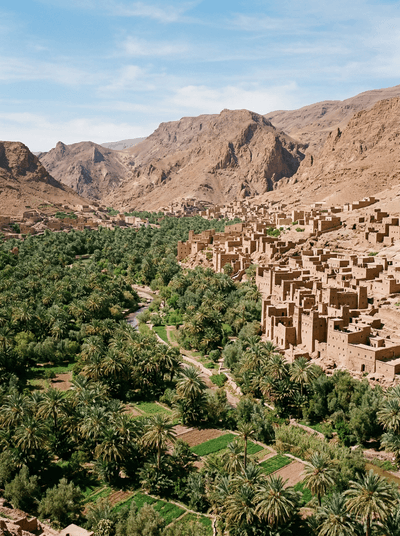
Water flickers through palm shade before the road disappears between limestone walls.
Leymebamba
Peru
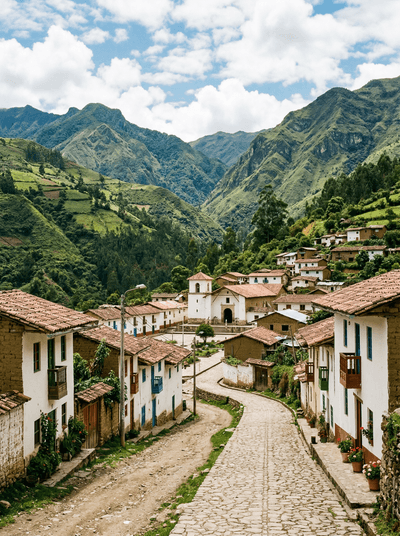
A cloud-forest town guarding two hundred rescued Chachapoya dead with personal tenderness.
Lixus
Morocco
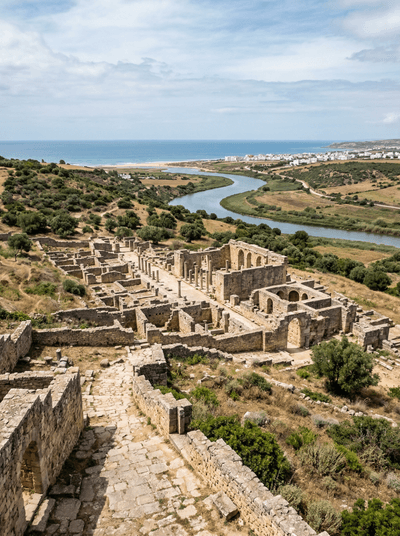
Roman garum vats cover a hillside ancient writers called the Garden of the Hesperides.
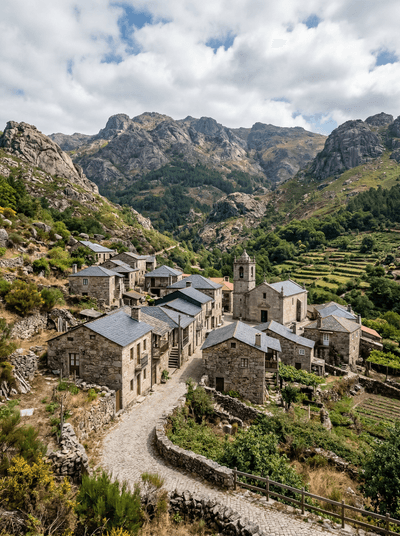
Pitões das Júnias
Portugal
A monastery abandoned to wolves and rain crumbles beside a waterfall at the road's end.
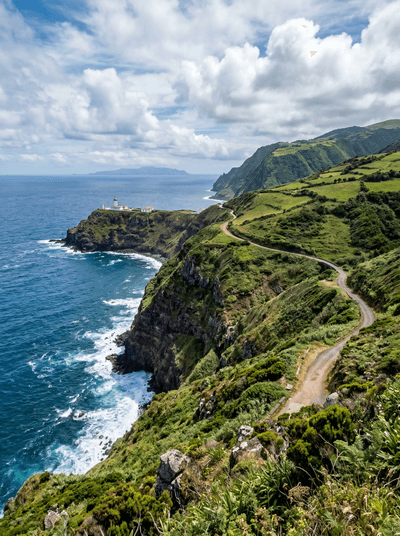
São Jorge
Portugal
Knife-edge ridges drop to coastal fajãs — green platforms born from cliff collapses.
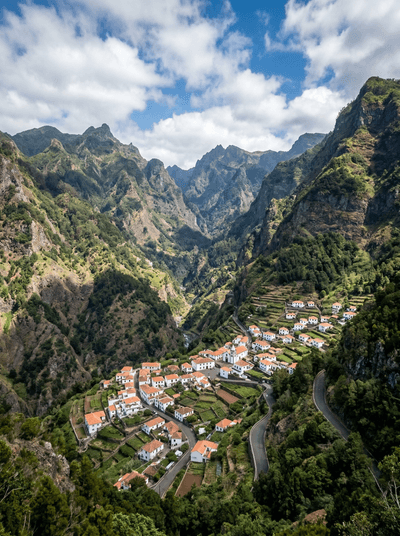
Curral das Freiras
Portugal
A village hidden in a mountain bowl so deep that nuns fled here from pirates.