Argentina
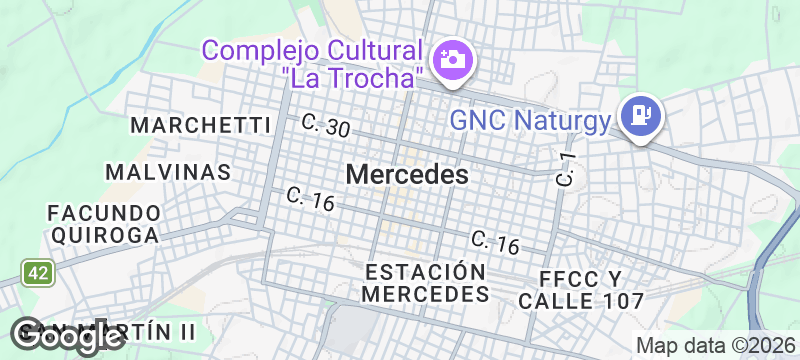
Mercedes
Pulperías where gauchos still drink behind wooden counters worn smooth since the 1800s.
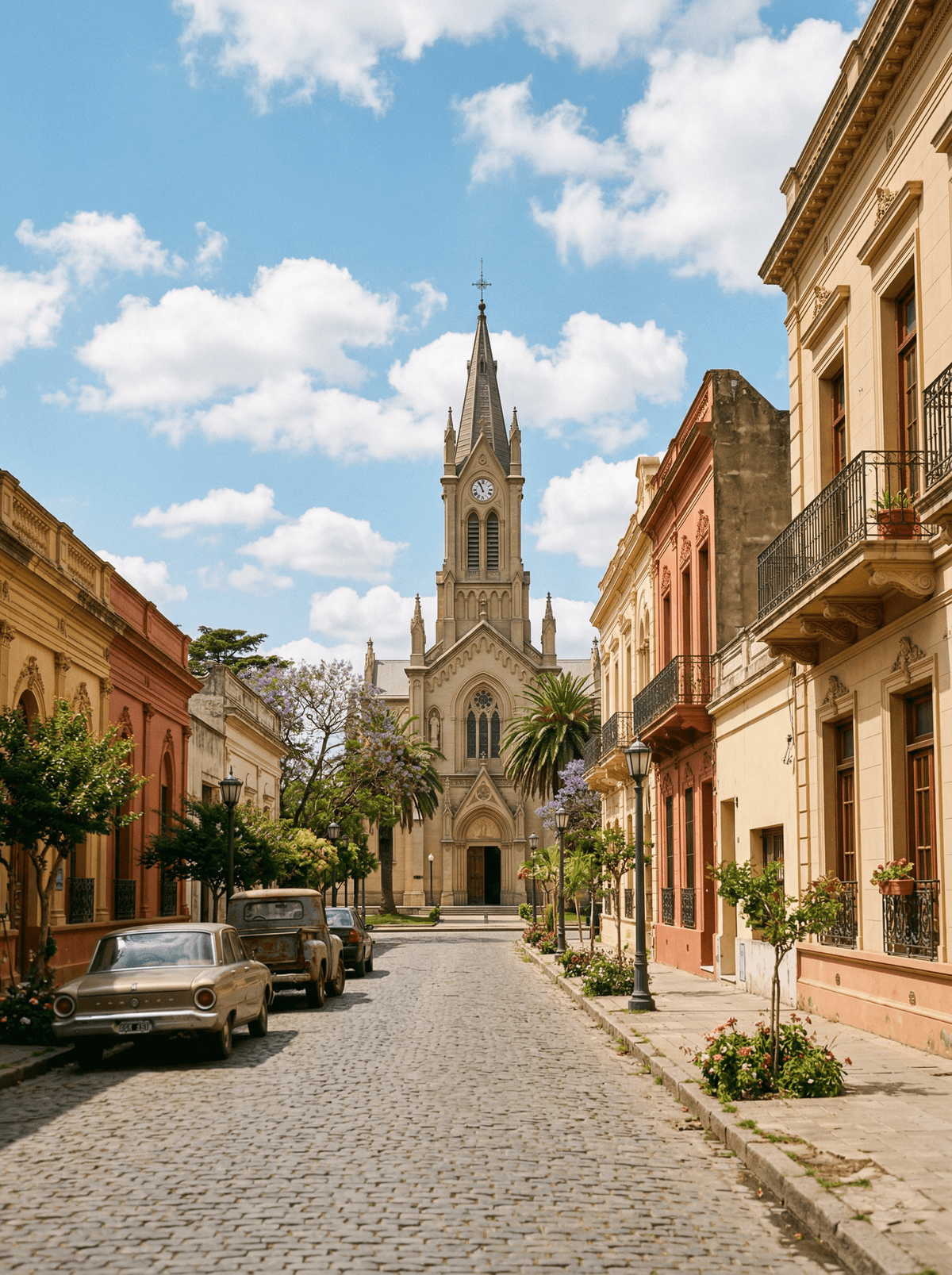
Mercedes keeps working pulperías — the colonial-era rural taverns where gauchos tied horses outside and drank across a wooden counter, a grille once required by law separating landlord from customer to keep the peace. Wine still comes from the cask, the regulars still come because their fathers did, and the town around them keeps a grounded rural Buenos Aires character of churches and pampas streets.
A provincial city at the southern rim of the Cuenca del Salado — big-estancia country that held the gaucho labour tradition longer than the farmed northern pampas — Mercedes carries registered historic pulperías at a density no other Argentine town matches, alongside a proud claim as capital of the salame quintero, its cured speciality anchored in the local festival calendar. The municipal circuit connects the civic history to food traditions that still belong to working venues: the culture here lived rather than performed, met on the town's own rhythms. Gaucho tradition fills the town's calendar with riders and cattle-skills competition, and the village of Tomás Jofré nearby has made Sunday eating its entire identity.
Solo
Sitting at the colonial counter with wine from the cask, listening to landlord and regulars, is a specifically Argentine cultural encounter no city or tourist context can reproduce — an hour's drive from the capital.
Couple
A weekend pairing the civic route with one confirmed old-pulpería meal reaches a genuinely different cultural register from Buenos Aires — pleasant, unhurried and undervisited.
- Registered pulperías still serve wine from the barrel across colonial counters.
- Salame quintero and galleta de campo anchor the town's festival calendar.
- Gaucho riding and boleadora skills stay living practice in the town's culture.
- Tomás Jofré's village restaurants have made pasta and fire-cooked asado a Sunday institution.
A picada of salame quintero, cheese and olives at the pulpería counter.
Homemade pasta or visible-fire asado in Tomás Jofré on a Sunday.
Tsuwano
Japan
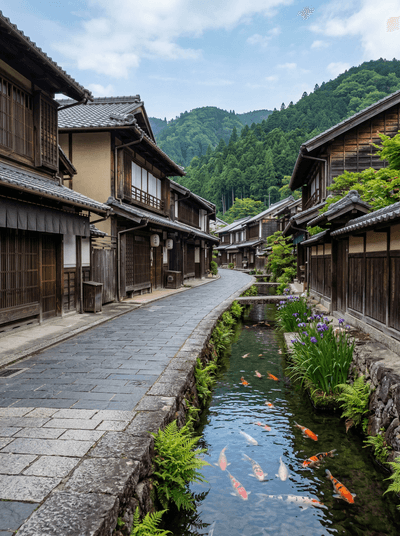
Koi swimming through the stone-lined gutters of a valley town the modern world forgot.
Locronan
France
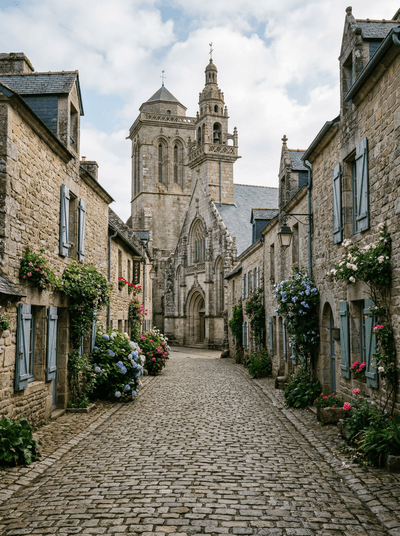
A granite village frozen in its sailcloth-weaving prime, where the seventeenth century never left.
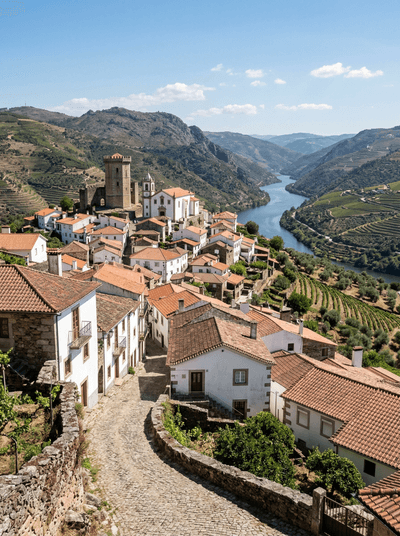
Freixo de Espada à Cinta
Portugal
Almond blossom turns a remote valley white each late winter beneath a seven-sided tower.
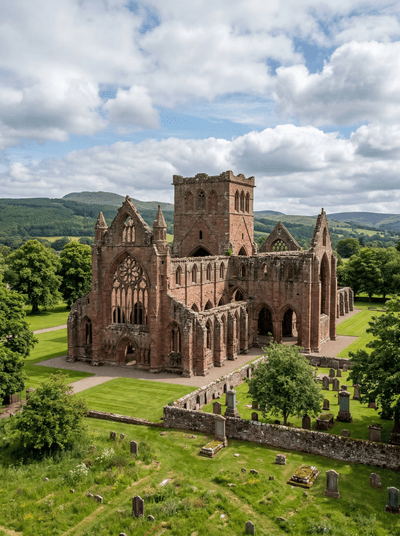
Sweetheart Abbey
Scotland
A widow built this abbey around her husband's embalmed heart — the red sandstone still blushes.
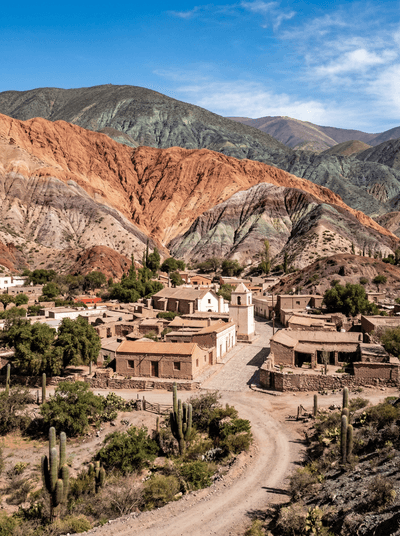
Purmamarca
Argentina
A seven-colour hill burns amber over adobe lanes where llamas carry the morning market.
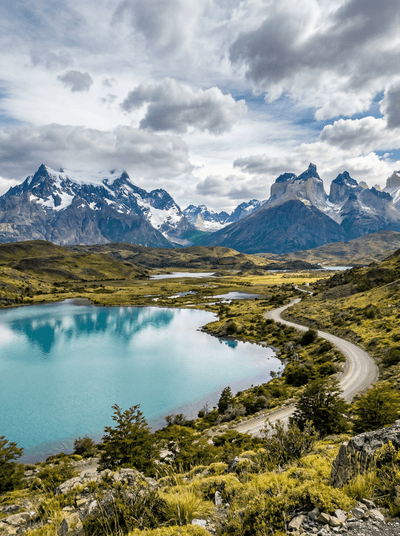
Parque Nacional Patagonia
Argentina
A sheep ranch returned to wilderness, where pumas again stalk guanaco herds freely.
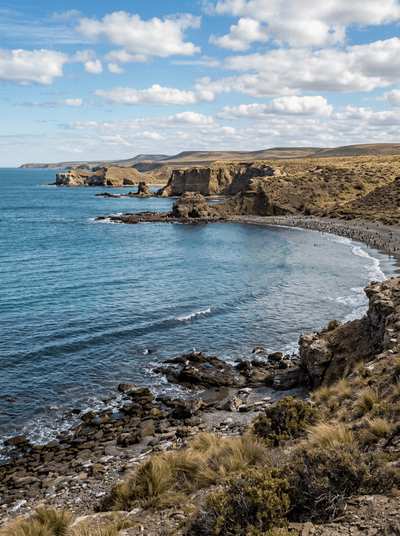
Bahía Bustamante
Argentina
A seaweed-harvesting hamlet turned wildlife reserve, its beaches resting empty of visitors.
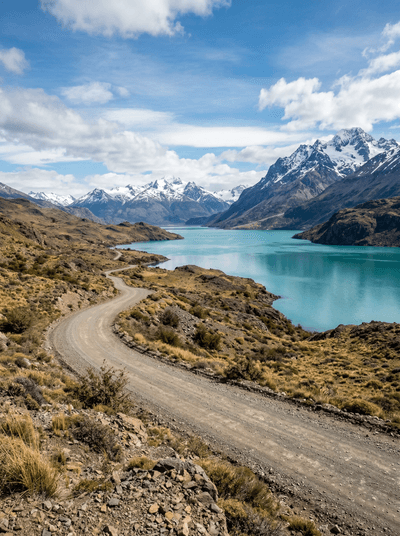
Lago Posadas
Argentina
Twin lakes, one turquoise, one sapphire, divided by a land bridge laced with fossils.