South Africa
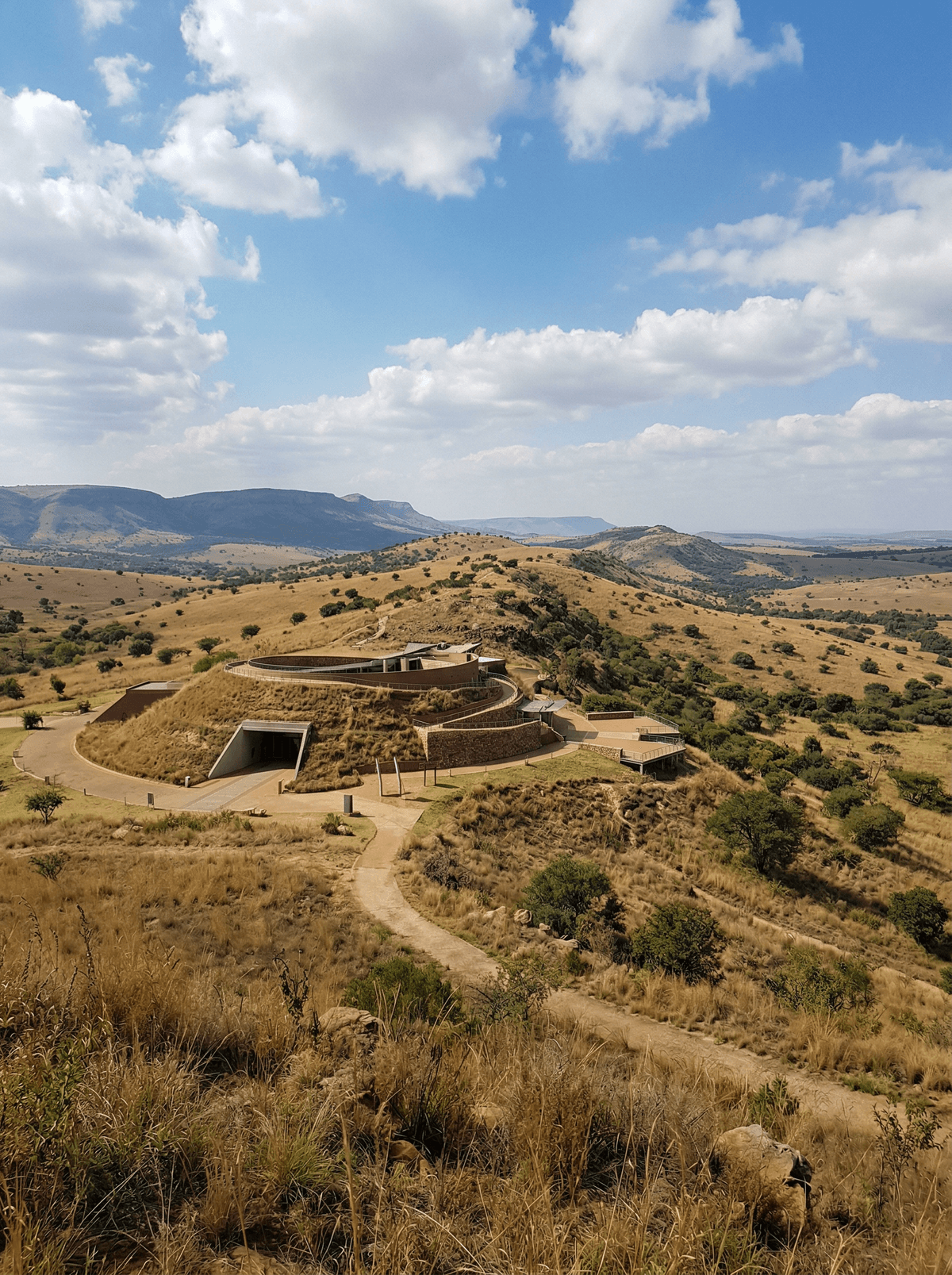
Cradle of Humankind
Fossils surface from limestone darkness, pulling the human family tree millions of years backwards.
Below the highveld, breccia and cave chambers hold fragments of ancient lives. In the visitor centre, those pieces begin rearranging the family tree above ground.
The Cradle is a broad fossil landscape interpreted through Maropeng. Its exhibition supplies the scientific frame before caves, breccia and separate palaeontological sites turn dates and species into physical ground. The result is a human story read across both museum and landscape.
Couple
Give Maropeng’s exhibition a full morning and a long lunch, then choose one separately managed palaeontological site for the afternoon.
Family
The visitor centre turns deep time into a structured journey for children, using fossils and interactive science to make immense timescales tangible.
Friends
Use Maropeng as the shared foundation, then debate the human story over lunch rather than collecting disconnected fossil-site stops.
- Maropeng is the official visitor centre for the World Heritage Site.
- The exhibition connects fossil evidence with human evolution.
- The exhibition travels from the planet's formation to the evolution of humankind.
- The wider landscape includes multiple palaeontological sites.
More than 220 wild food plants still grow across the Cradle, the foraging larder of fruits, leaves and tubers this landscape has always offered.
Roadside padstals sell boerie rolls, and the surrounding farms feed a growing farm-to-fork table.
Stonehenge
England
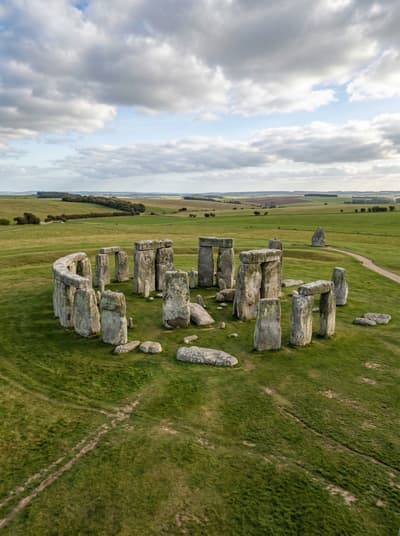
Bluestones hauled a hundred and fifty miles to stand in a circle nobody can fully explain.
Chuquicamata
Chile
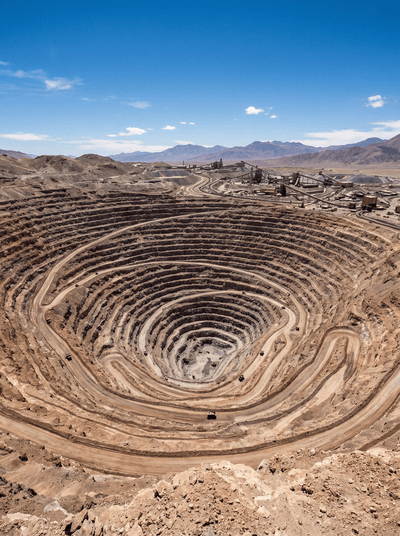
A silent company town faces a copper pit carved kilometres wide and deep.
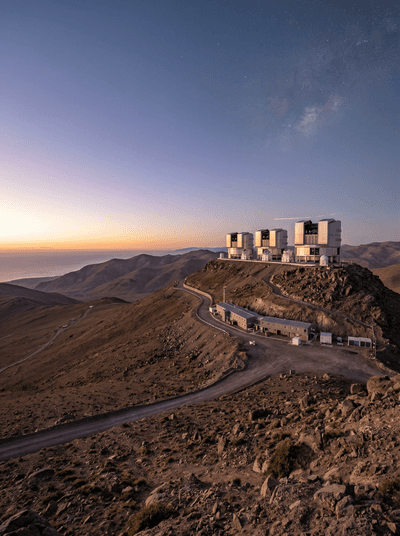
Observatorio Paranal
Chile
Four silver domes crown a levelled mountain summit in the driest desert on Earth.
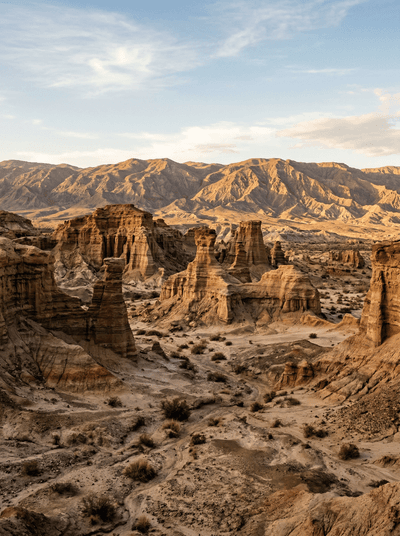
Ischigualasto
Argentina
A moonscape where the dinosaur age begins — bones in grey clay, stone spheres underfoot.
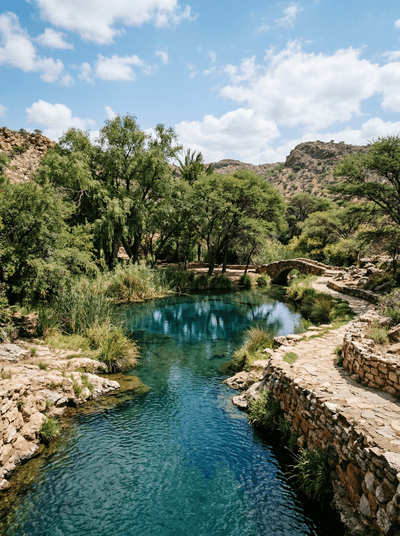
Kuruman
South Africa
Twenty million litres rise daily from Kalahari rock, filling a clear pool in town.
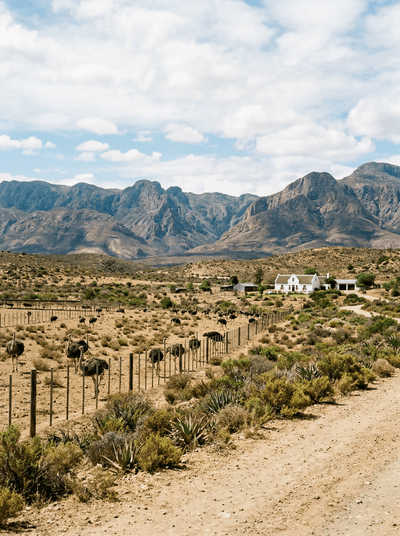
Oudtshoorn
South Africa
Ostrich-feather palaces line the streets while Cango Caves drip in cathedral silence.
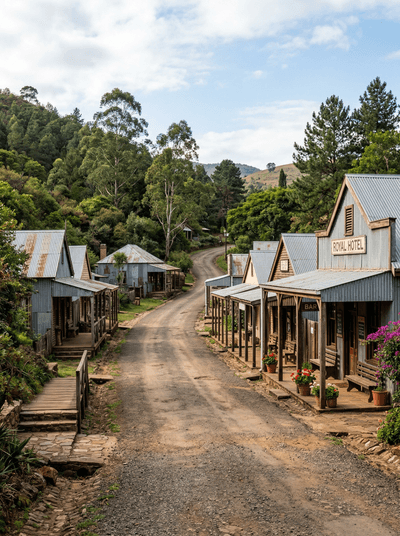
Pilgrim's Rest
South Africa
A gold-rush town survives as corrugated roofs, museum rooms and one long mountain street.
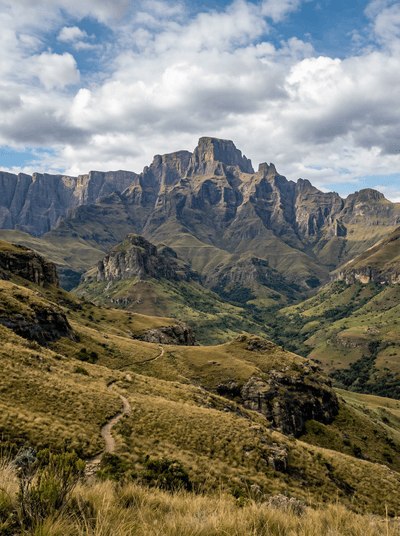
Giant's Castle
South Africa
Vulture thermals circle above high grassland folded beneath the Drakensberg escarpment.