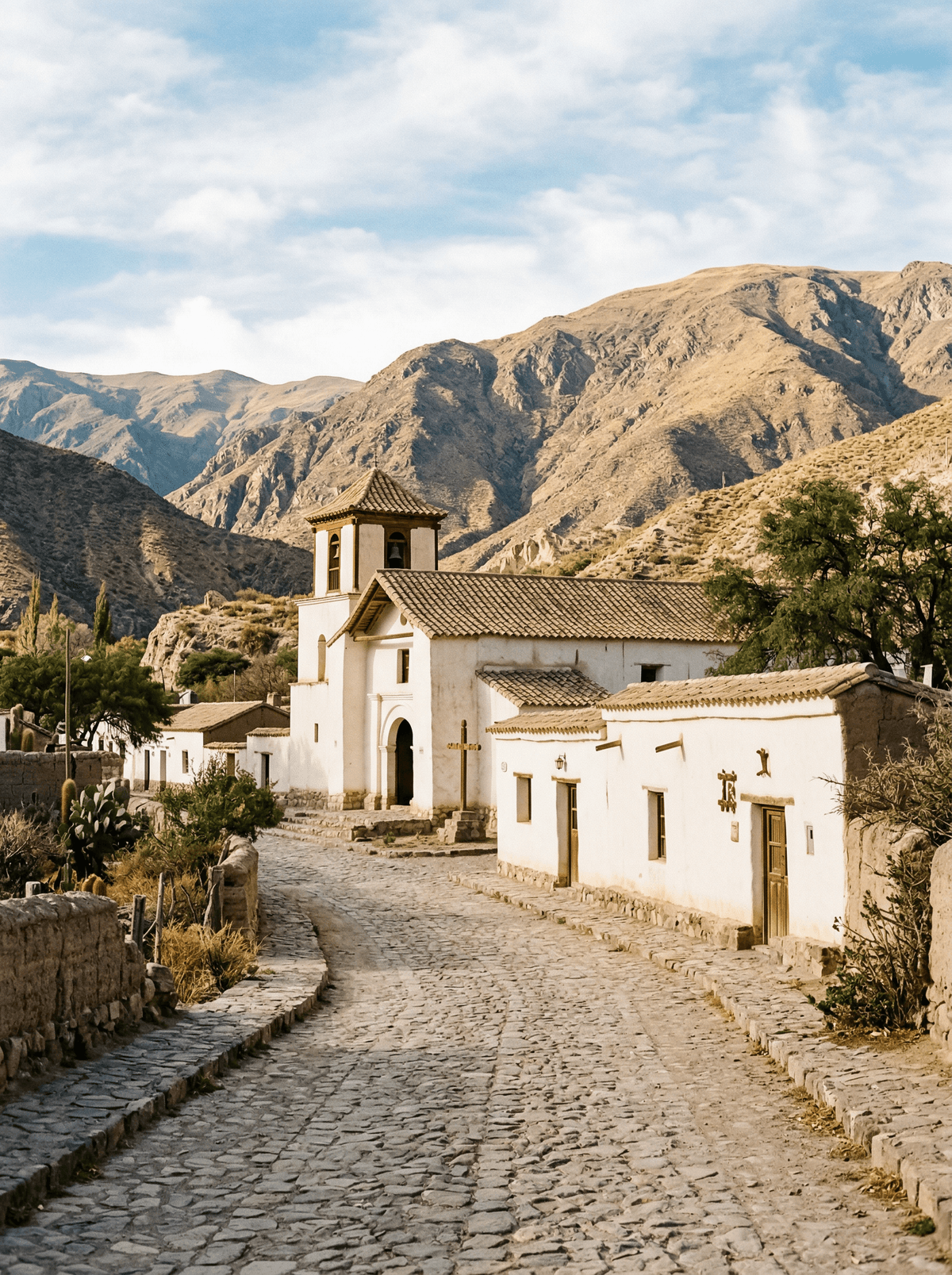
Argentina
Molinos
An adobe village whose church has kept watch over the Calchaquí valley since 1659.
Molinos has a shaded plaza, a seventeenth-century church, and adobe walls that turn deep amber in late afternoon — the quietest and most complete of the Calchaquí Valley towns. The church of San Pedro Nolasco, raised in 1659, has been in continuous use ever since, and the weaving cooperative beside it keeps Calchaquí textile patterns alive across generations. Nothing here suggests haste was ever considered an option.
The village sits at around 2,000 metres on the valley's pre-Inca road network, one of a chain of colonial towns the Spanish built along it. Its church — adobe walls up to two metres thick against the temperature extremes — holds the remains of the last royal governor of Salta, buried upright at his own request to keep watch over his domain; the village tells the story rather than selling the sight. A colonial hacienda anchors the block beside the church with its courtyards and native-wood beams, and the surrounding high-valley wine — Torrontés and dark-skinned, altitude-grown reds — carries its own Calchaquí identity distinct from Cafayate's. Workshops, tastings and estate visits are arranged through current local contacts rather than assumed open; the reward for that patience is a working Andean town, not a display of one.
Solo
The valley town that most rewards an overnight stay — evening returns the plaza to its residents, and the texture of a working Andean town in late-afternoon light is unhurried and genuine.
Couple
Two nights — the church and its history, textiles from the cooperative, outlying vineyards at sunset — make a complete, unhurried stay in one of Argentina's most intact colonial villages.
- The 1659 church keeps adobe walls up to two metres thick against the valley's extremes.
- A weaving cooperative carries Calchaquí patterns forward beside the church.
- Most travellers pass through without stopping — the overnight village is another place entirely.
- High-valley estates pour altitude-grown wine within excursion reach of the plaza.
Goat cheese from valley farms, crumbled over bread on a shaded patio.
Tamales with mote maize and charqui, the provincial kitchen's named staples.
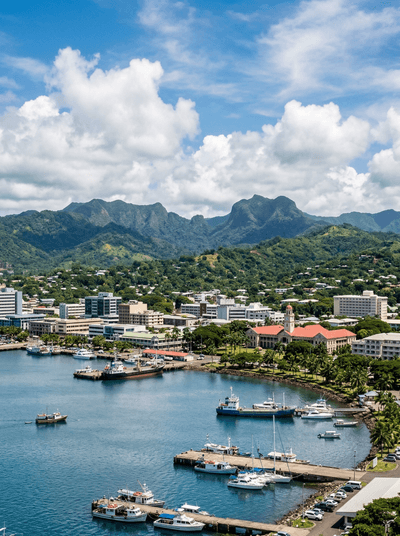
Suva
Fiji
South Pacific hustle where Hindu temples share streets with Fijian markets and colonial verandahs.
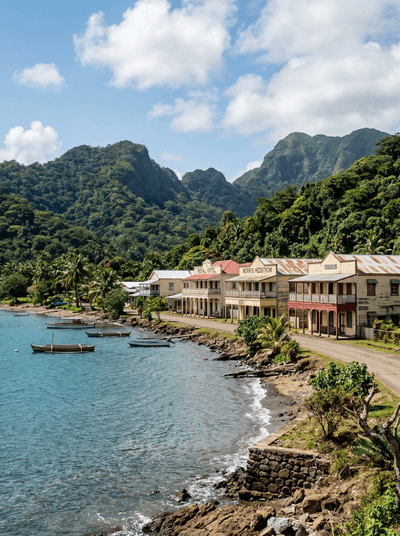
Levuka
Fiji
Fiji's first colonial capital frozen in the 1870s, wooden shopfronts sagging under tropical rain.
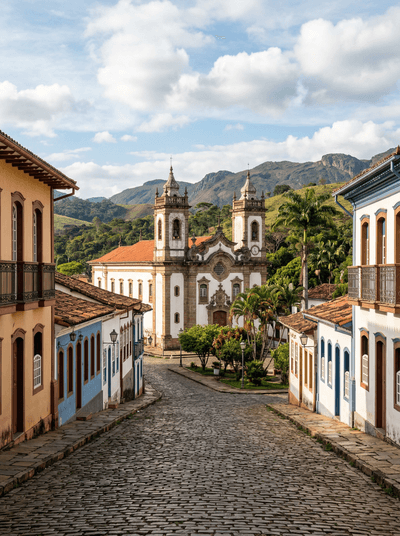
São João del-Rei
Brazil
Baroque towers answering each other across a valley, ringing the sex of whoever has just died.
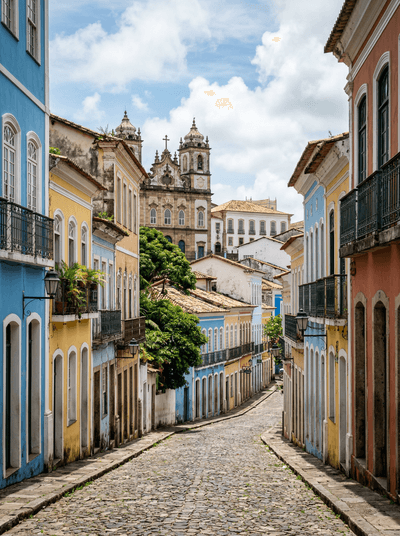
Salvador
Brazil
Drum rhythms ricocheting off colonial walls where song, dance and combat happen at once.
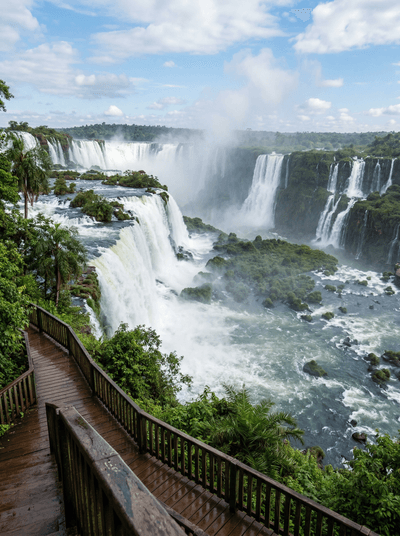
Iguazú Falls
Argentina
A river shatters into hundreds of waterfalls around the thunder of the Devil's Throat.
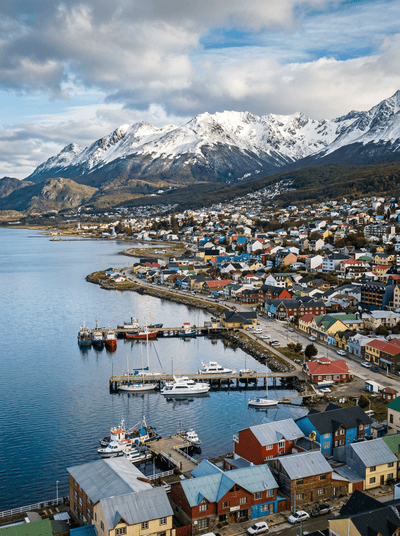
Ushuaia
Argentina
The port where Antarctica begins — beech forest climbing to glaciers at the planet's edge.
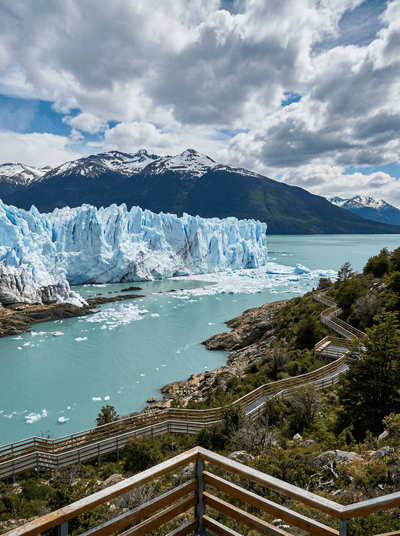
El Calafate
Argentina
A glacier calves office-block towers of ice into turquoise water as you watch.
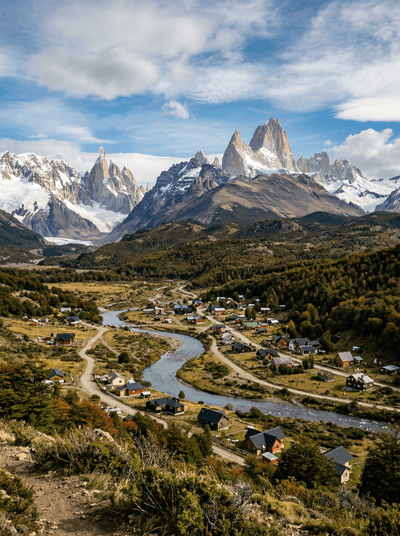
El Chaltén
Argentina
Granite spires pierce Patagonian cloud — condor country of vertical stone and wind.