Pakistan
Rohtas Fort
Four kilometres of garrison walls and twelve gates enclosing grass, birdsong and a village history forgot.
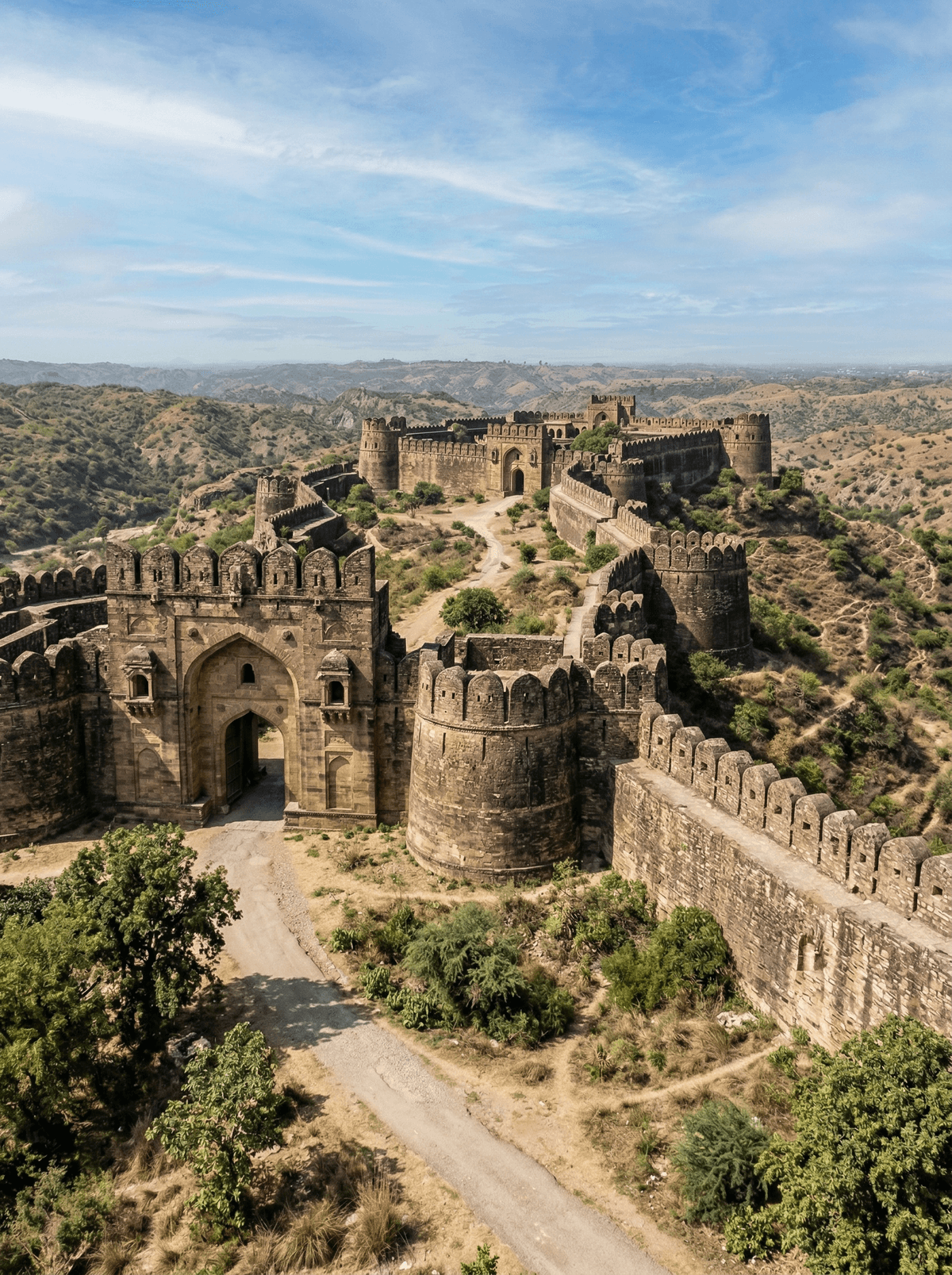
Four kilometres of walls enclose a space that should hold a garrison city but holds grass, birdsong, and a small village going about its day. Rohtas Fort in Pakistan's Punjab was built for an army that never came under siege — its twelve gates still intact, its bastions still sharp-edged, its emptiness inherited from a war that never arrived.
Rohtas Fort was raised from 1541 on the orders of Sher Shah Suri, the Afghan emperor who briefly displaced the Mughals — built to suppress the Gakhar tribes of the Potohar and block Humayun's return from Persia. The four-kilometre wall circuit carries twelve gates and dozens of bastions, each gate arched in its own style, so walking the battlements is a practical survey of 16th-century military architecture. Inside stand Sher Shah's mosque, stepwells cut deep into the rock, and the lanes of a small living village. The fort never saw a major siege — which is exactly why this UNESCO World Heritage Site survives as one of South Asia's most complete fortifications, and it still draws remarkably few visitors.
Solo
Rohtas rewards the solitary explorer — twelve gates to find, four kilometres of walls to walk, and almost nobody else on the battlements.
Couple
The scale turns a visit into an adventure — walking the battlements, comparing gate arches, and picnicking inside walls built for an army that never came.
Family
Children grasp Rohtas instantly: a massive fort with twelve gates to count, bastions to compare and stepwells to peer into — and a living village inside the walls.
- The Sohail Gate rises over twenty metres — one of the grandest medieval gateways of South Asia.
- A four-kilometre battlement walk passes twelve gates, each arched in its own style.
- Sher Shah Suri built Rohtas to block Humayun's return from Persia — the siege never came, so the fort survives whole.
- Inside the walls: cut stone, wild grass, deep stepwells, and the lanes of a village that never left.
Jhelum's desi murgh — country chicken cooked slowly in clay pots over wood fire.
Rabri from the bazaar — thickened sweetened milk, served cold in a steel bowl.
Guayabo National Monument
Costa Rica
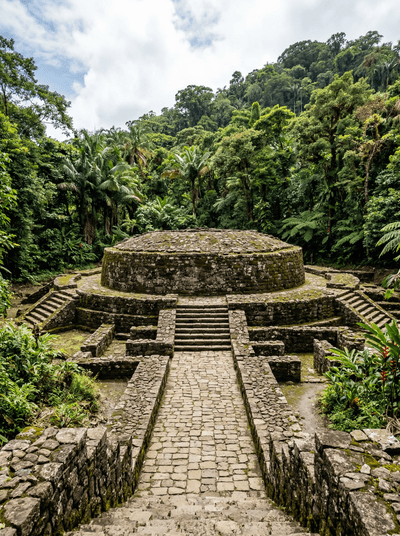
Pre-Columbian aqueducts still carrying water through a city the jungle tried to swallow.
Chiloé's Wooden Churches (UNESCO Circuit)
Chile
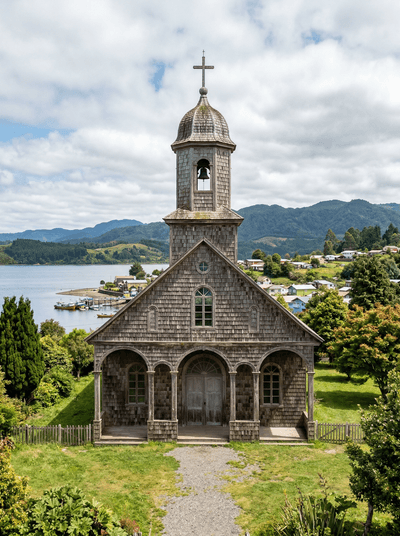
Sixteen timber churches turn Chiloé's islands into a road-and-ferry pilgrimage.
El Tajín
Mexico
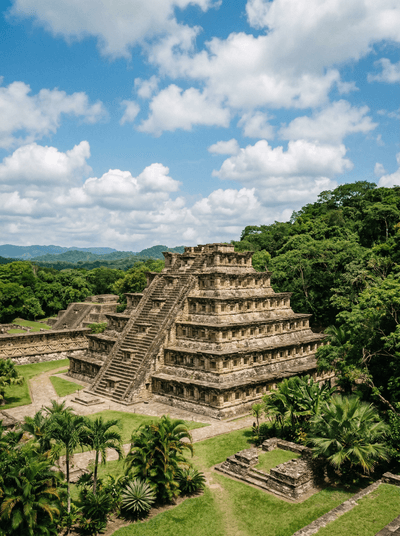
Niches, ball courts and carved reliefs spread across an ancient Gulf Coast capital.
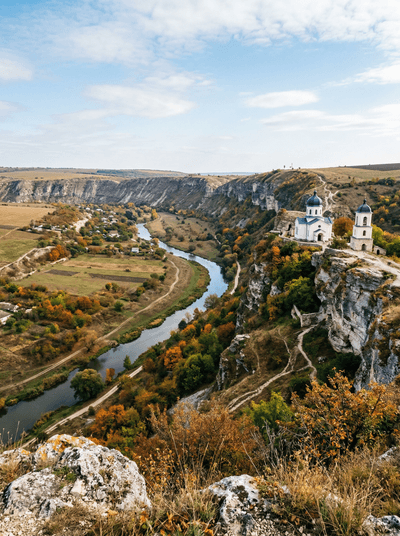
Orheiul Vechi
Moldova
Candles burn in a cliff-dug monastery cell; a Golden Horde city lies buried around the bend.
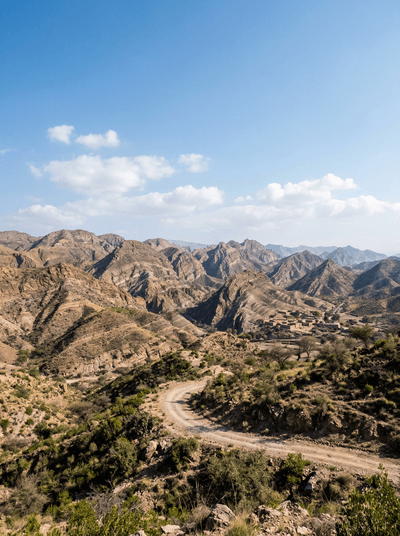
Salt Range
Pakistan
Crimson salt cliffs exposing the floor of a 600-million-year-old vanished ocean in Punjab's flat plains.
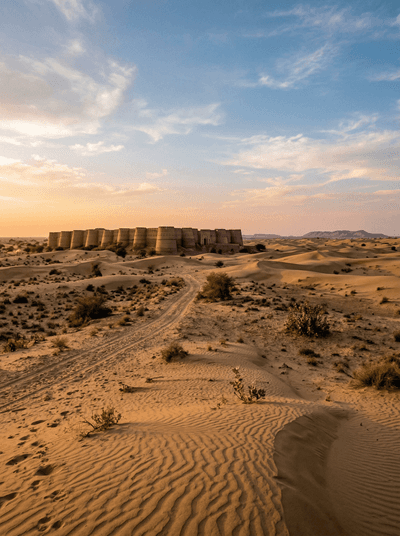
Cholistan Desert
Pakistan
Forty bastions of a forgotten fortress rising from featureless desert where camel nomads still roam.
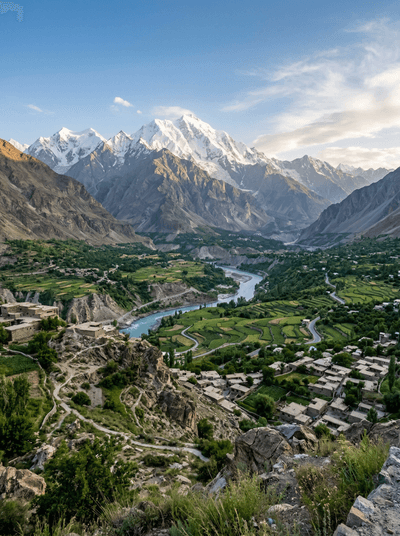
Hunza Valley
Pakistan
Apricot orchards cascade down centuries-old terraces beneath the ice pyramids of Rakaposhi and Ultar.