Brazil
Praia da Pipa
Dolphins hunting a bay seven hundred metres across, flinging their catch clear of the water.
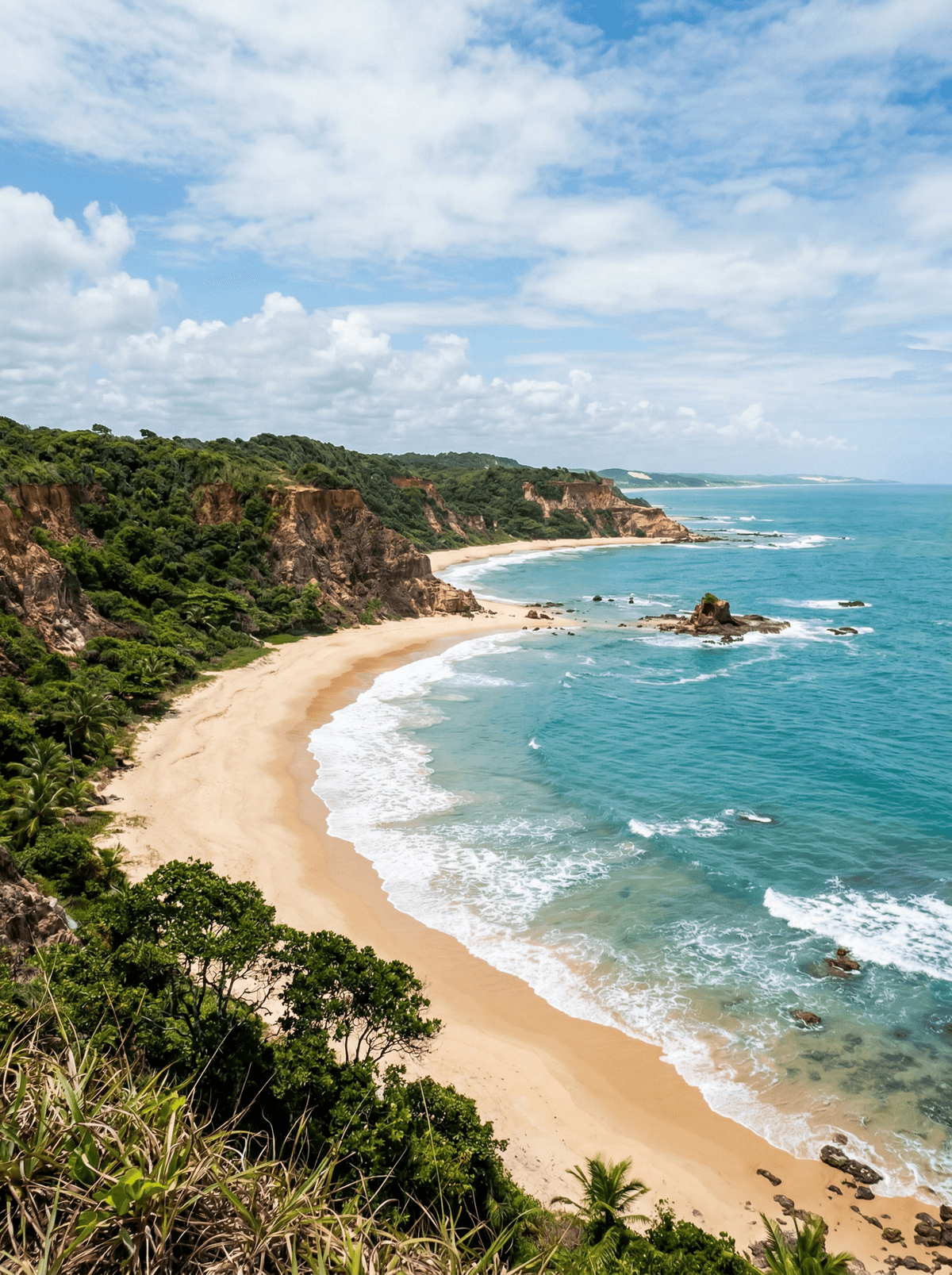
The bay is small, seven hundred metres end to end, cliffs around it and a fishing weir at one edge, and the dolphins that come in to feed here know exactly what they are doing. Researchers watching from the clifftop have written down twenty-one separate ways they hunt: eleven kinds of chase, strikes with and without a leap, coordinated group drives, and the moment a fish gets thrown. Above all of it, a piece of the Atlantic Forest that once ran the length of this coast is still standing.
Pipa is a village in Tibau do Sul, in Rio Grande do Norte, and four beaches lie within walking distance of it: Praia do Centro, Praia do Amor, Praia do Madeiro and Baía dos Golfinhos. The Chapadão above Praia do Amor drops twenty-five metres to the sand, and the cliffs standing over the dolphin bay run to about thirty. The animals are boto-cinza, Sotalia guianensis, and few bays anywhere have watched them longer; in March 2026 the federal prosecutors signed an agreement with the town and the local nautical tourism association that caps departures at three launches on a high tide and four on a low one, holds boats a hundred metres off, cuts observation to ten minutes an approach and limits speed to five knots. On the clifftop the Santuário Ecológico keeps fourteen marked paths and viewpoints through preserved Atlantic Forest, with iguanas, monkeys and birds in the canopy and zip lines strung through it. The rain comes between April and July.
Couple
Walk the sanctuary paths early, while the viewpoints over the bay are still empty, then come back down into the village for camarão na moranga. Everything here is close enough that the clifftop and dinner are the same short walk.
Family
Getting to Praia do Amor means the twenty-five metre descent off the Chapadão, so plan the day around the climb back. What children get for it is a bay where dolphins turn up from the sand as well as from a boat, and monkeys and iguanas along the sanctuary paths above.
Friends
Boat trips still run to the bay with snorkelling over the natural pools, and the March 2026 rules now shape the day: four outings to a vessel, six at the busiest times, last departure at quarter past three. Take a morning one and leave the afternoon for the beaches.
- Baía dos Golfinhos is roughly seven hundred metres of water held between cliffs, and the boto-cinza feeding in it have twenty-one catalogued hunting behaviours, from group drives to throwing prey.
- Since March 2026 an agreement between the federal prosecutors, the town and the boat operators has kept vessels a hundred metres off the dolphins, at five knots, ten minutes to an approach.
- The Santuário Ecológico on the clifftop holds fourteen paths and viewpoints through a surviving piece of Atlantic Forest, with iguanas and monkeys in it.
- Four beaches sit within walking reach of the village: Praia do Centro, Praia do Madeiro, Praia do Amor below the Chapadão's twenty-five metre descent, and the dolphin bay itself.
Camarão na moranga, prawns brought to the table inside a pumpkin, and peixe na telha, fish baked on a roof tile, are the two plates Pipa's own guide sends you after.
Tapioca recheada from the kiosks on the front, cassava starch pressed hot into a pancake and folded around its filling while you wait.
Jeju
South Korea
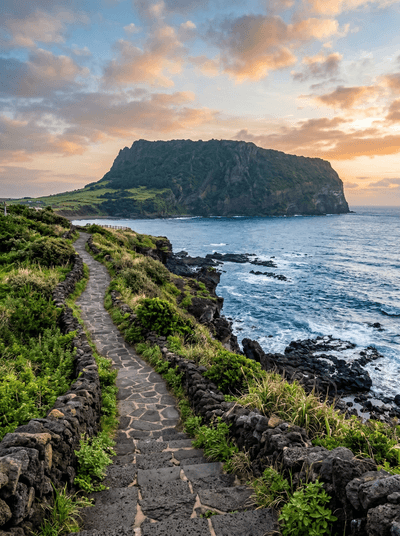
Seventy-year-old haenyeo surface whistling, net bags full, no oxygen but their own.
iSimangaliso Wetland Park
South Africa
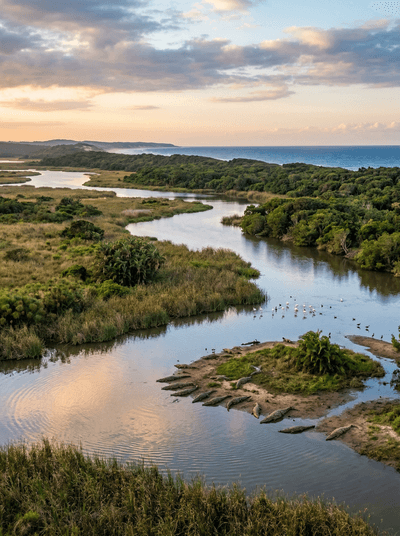
Hippos surface in an estuary beside dune forest, beaches and reefs on one protected coast.
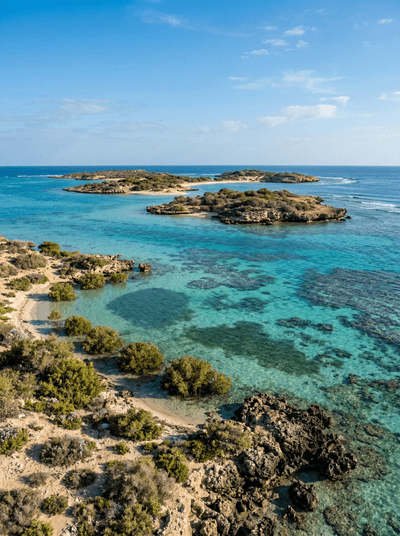
Farasan Islands
Saudi Arabia
Gazelles graze between Ottoman ruins on a Red Sea archipelago ringed by living coral.
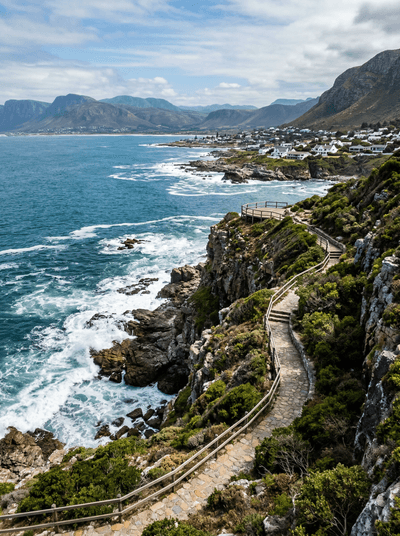
Hermanus
South Africa
Southern right whales surface five metres from shore beside a cliff path through town.
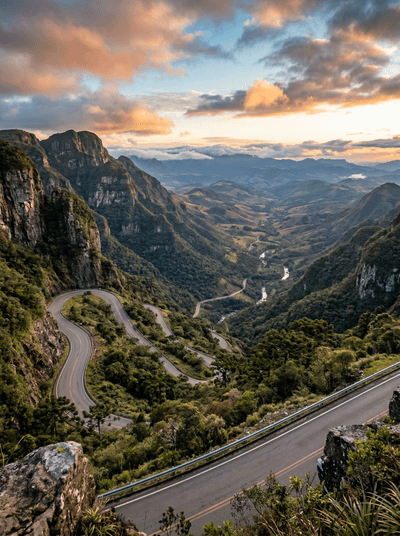
Urubici
Brazil
Frost-coated araucaria forests and canyon rims at the frozen heart of subtropical Brazil.
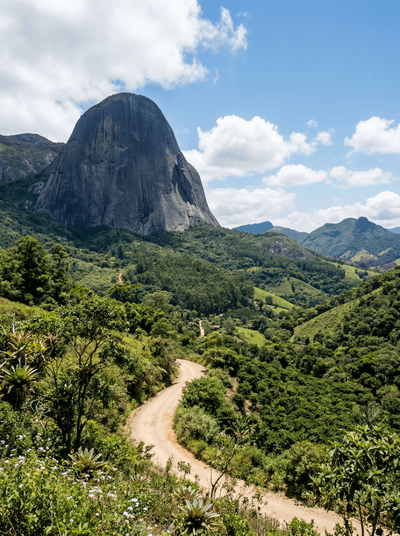
Pedra Azul
Brazil
A granite monolith blue with lichen, erupting from Atlantic Forest like a wave.
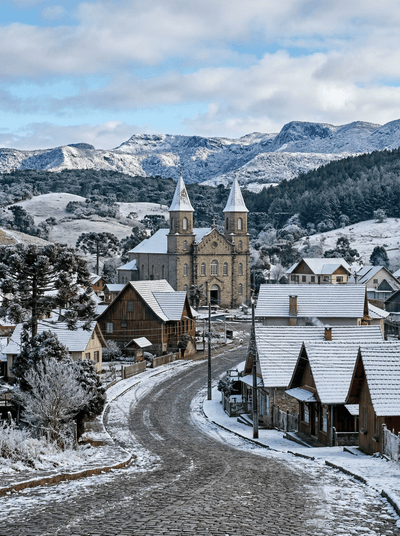
São Joaquim
Brazil
Apple orchards under frost in a highland town where Brazil forgets it's supposed to be tropical.
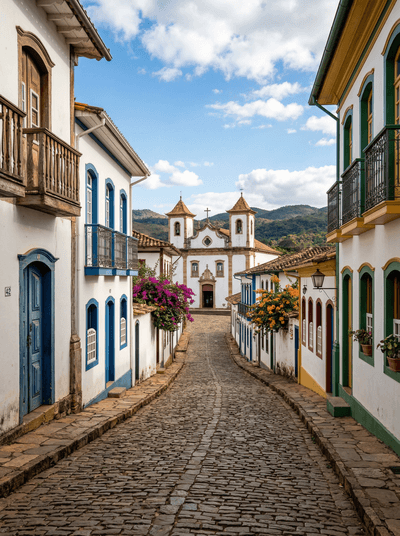
Pirenópolis
Brazil
A colonial gold town erupting in costumed cavalry battles between Moors and Christians every Pentecost.