Peru
Pozuzo
A Tyrolean settlement planted in Peruvian cloud forest in 1859 — and still cooking strudel.
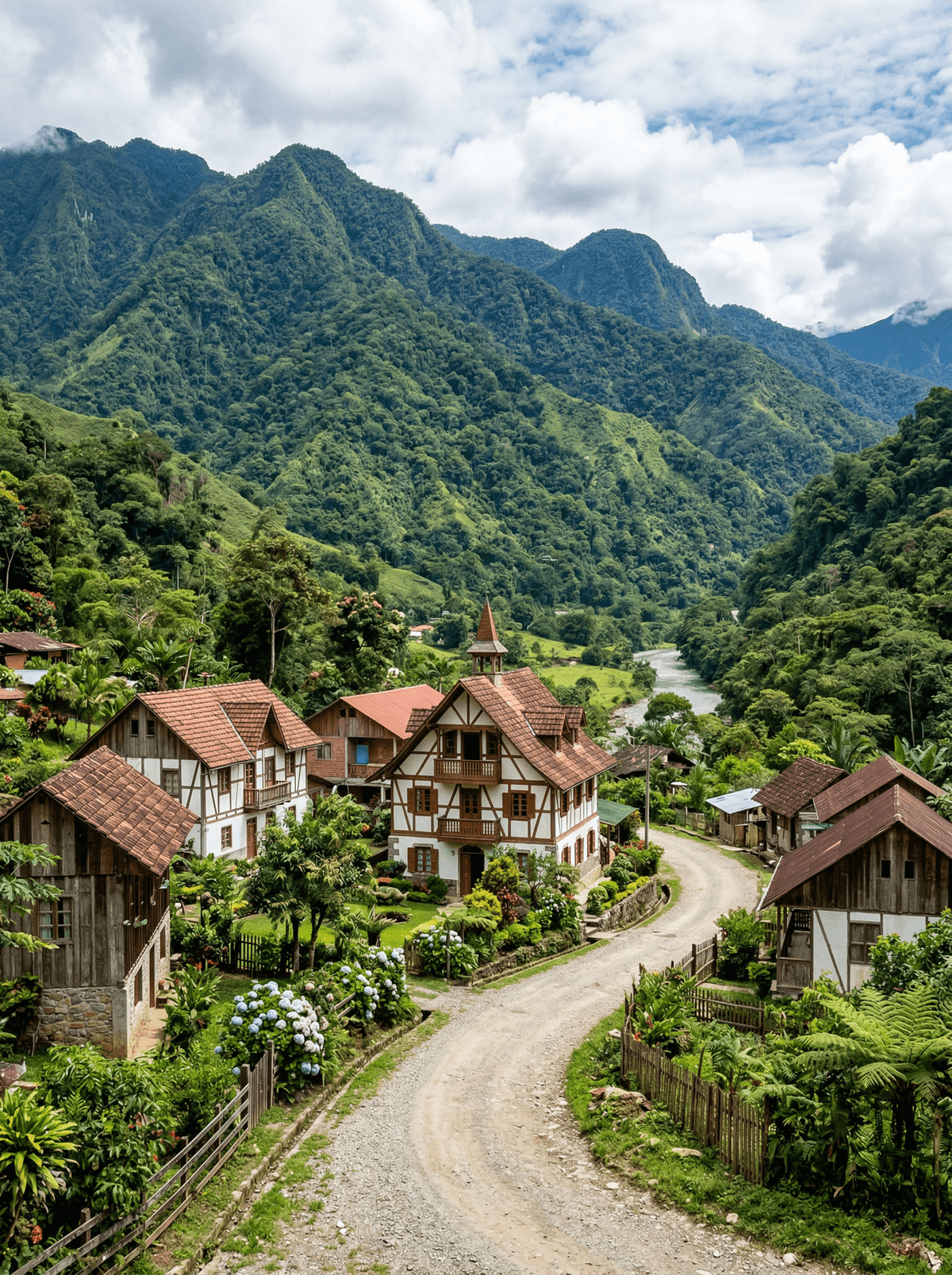
Wooden chalets with carved balconies stand among banana plants and cloud-forest ferns, the architecture unmistakably Alpine and draped in tropical green. Strudel and frying plantain share the morning air. Pozuzo exists where no Tyrolean settlement should — deep in central Peru's forested folds, where a long mountain road finally ends.
Pozuzo was founded in 1859 by Tyrolean and Rhenish migrants who walked in from the coast over Andean passes, and what makes it remarkable is not preservation but exchange: a century of near-isolation let Central European building, festival and kitchen traditions take root, while the forest and its existing Peruvian communities supplied the crops, the language's other half and most of daily life. The result is a genuinely hybrid town, not a theme village — sausages smoked beside yuca, gabled timber over jungle gardens, migration told first-hand in the local museums and family stories. The winding descent from the highlands is part of the pilgrimage, and worth respecting in the wetter months. Stay a few nights; the improbability deepens with time.
Solo
The long road in and the unhurried plaza suit agenda-free lingering — migration history followed through buildings, hosts and forest trails.
Couple
Timber lodges wrapped in jungle and the sense of somewhere that shouldn't exist make Pozuzo a deeply romantic detour from the standard circuit.
Friends
The sheer improbability — Alpine gables in the Amazon basin's green — fuels shared disbelief, and the homemade sausages fuel the evenings.
- Tyrolean and Rhenish migrants founded the settlement in 1859 after walking in from the coast.
- Timber chalets with carved balconies stand against cloud-forest green.
- Kitchens serve schnitzel and smoked sausage beside yuca and plantain — one table, two worlds.
- Local museums and family stories tell the migration first-hand.
Strudel and schnitzel beside yuca and plantain on wooden-balcony verandas.
Smoked sausages made to techniques carried across the Atlantic in 1859.
Suva
Fiji
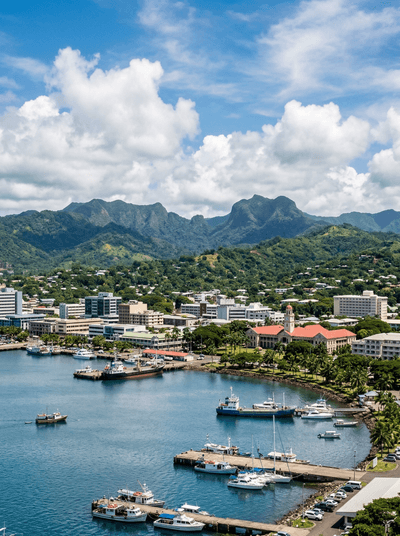
South Pacific hustle where Hindu temples share streets with Fijian markets and colonial verandahs.
Levuka
Fiji
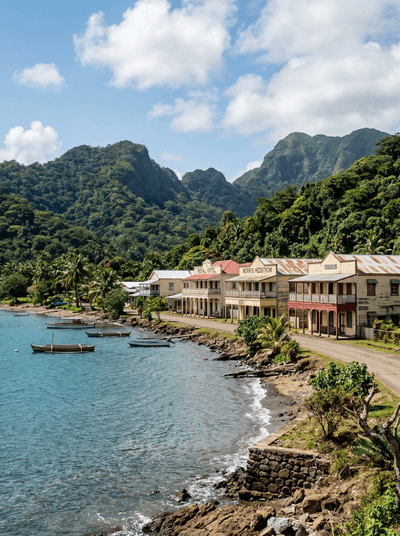
Fiji's first colonial capital frozen in the 1870s, wooden shopfronts sagging under tropical rain.
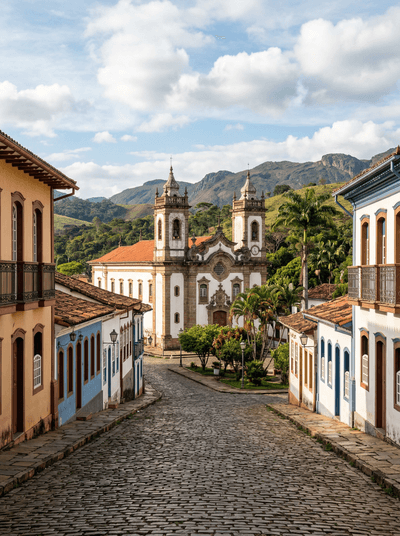
São João del-Rei
Brazil
Baroque towers answering each other across a valley, ringing the sex of whoever has just died.
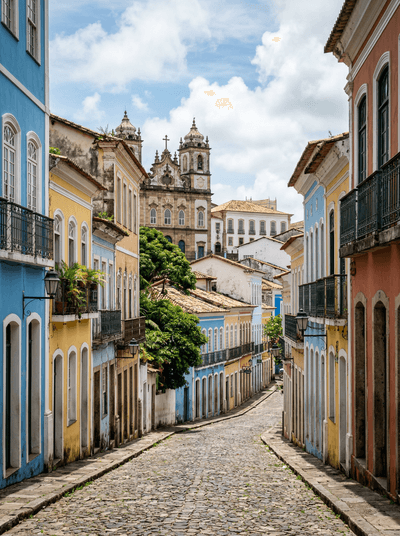
Salvador
Brazil
Drum rhythms ricocheting off colonial walls where song, dance and combat happen at once.
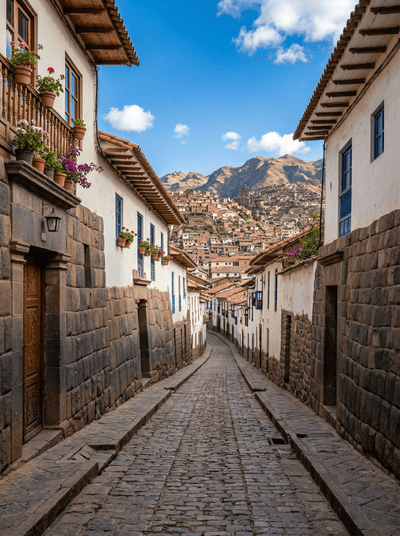
Cusco
Peru
Inca walls fitted so tightly a knife blade won't slide between the stones.
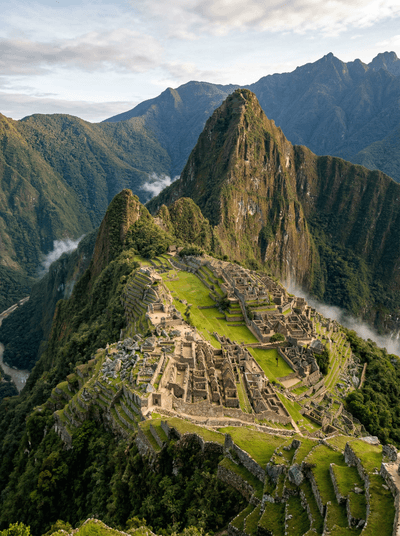
Machu Picchu
Peru
Cloud forest parts at dawn to reveal granite terraces balanced on the edge of the world.
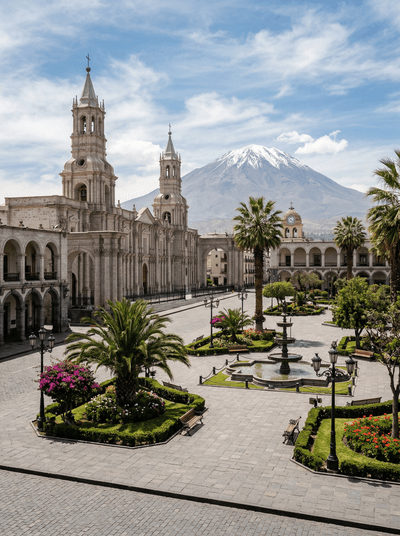
Arequipa
Peru
A city carved from white volcanic stone that glows amber under three volcanoes.
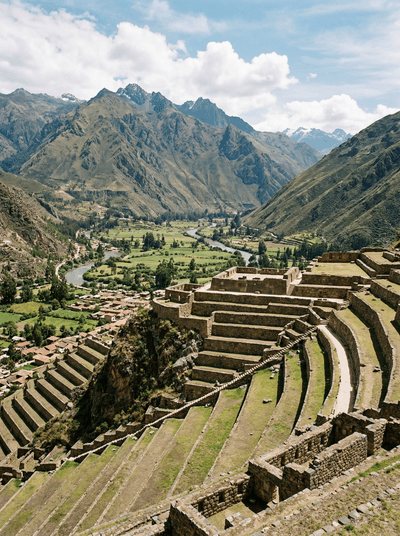
Sacred Valley (Ollantaytambo)
Peru
Inca water still flows through stone channels beneath the windows of a living town.