Pakistan
Ranikot Fort
Twenty-six kilometres of walls with no agreed explanation — the world's largest fort in Sindh's hills.
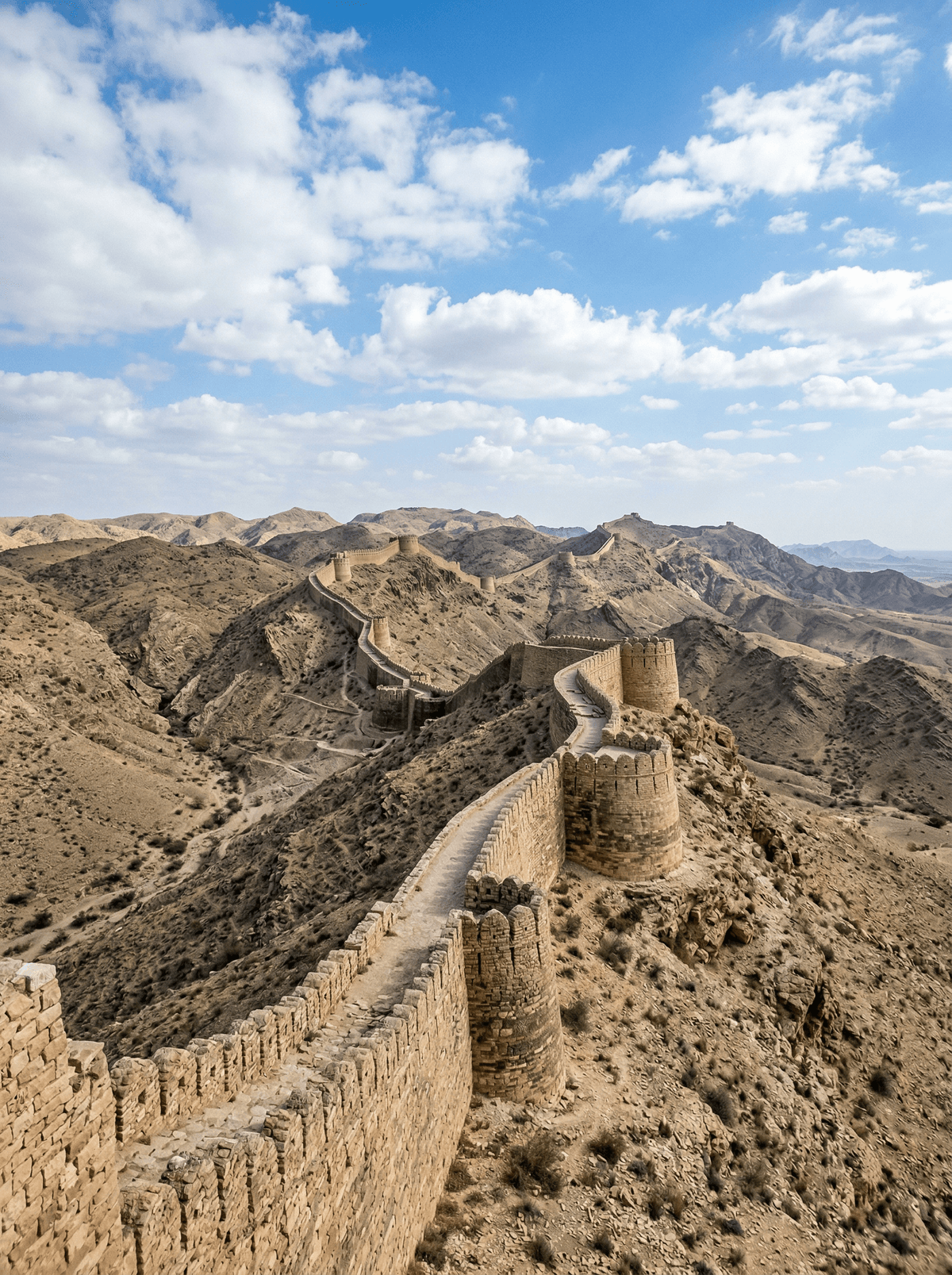
The walls go on and on. Twenty-six kilometres of stone ramparts snake across the Kirthar Range foothills, enclosing a space so vast that entire villages sit inside without touching the perimeter. The sun hammers the pale stone and the silence inside is total — no signage, no ticket booths, no other visitors. Just you and the largest fort on Earth, with no agreed explanation for why it exists.
Ranikot Fort in Sindh's Jamshoro district is the largest fort by circumference in the world, its 26-kilometre perimeter wall enclosing roughly 26 square kilometres of arid hills. Its origins remain genuinely disputed: estimates range from the Sassanid period to the early 19th-century Talpur dynasty, and no archaeological consensus exists on who built it or why. The scale is the mystery — nothing inside the walls explains the need for a fortification this enormous. Four main gateways, including the ornate Sann Gate and Mohan Gate, punctuate walls that reach up to 9 metres in height. The fort sits in the Lakhi Hills, accessible via a dirt road from the Indus Highway, and receives minimal tourism infrastructure. Visiting requires self-sufficiency: water, food, and transport must all be arranged in advance. The interior landscape is stark, dry, and eerily quiet — an experience closer to archaeological exploration than conventional sightseeing.
Couple
Walking deserted ramparts together with no other visitors in sight, piecing together the mystery of a fort that nobody can fully explain — Ranikot turns exploration into shared adventure.
Friends
A group with a 4x4 and a sense of adventure can spend a full day exploring Ranikot's gateways and wall sections, camping inside the perimeter under stars undimmed by any light source for kilometres.
- The perimeter wall is 26 kilometres long — longer than the walls of any other fort in the world — yet no historical document explains who built it or why.
- The four bastions — Mohan Gate, Sann Gate, Shah Pyaro Gate, and Bilal Gate — are each a full day's walk apart along the ridgeline.
- The interior contains the ruins of Miri Fort, a smaller garrison structure, and the Sann River which flows through the complex year-round.
- The remoteness of the site — two hours from the nearest town on an unpaved road — means you are likely to walk the walls alone.
Pack your own — nothing inside the 26 kilometres of fort walls.
Dhabas on the main road serve Sindhi biryani and dal for the journey.
Water is essential — the Kirthar foothills offer no shade and no mercy.
Mindelo
Cape Verde
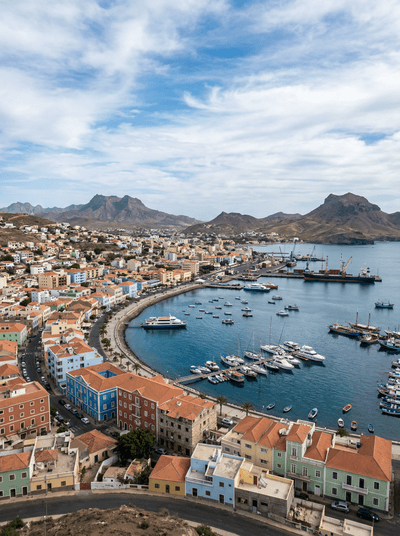
Morna music drifts from dimly lit bars where Cesária Évora once sang barefoot for sailors.
Cidade Velha
Cape Verde
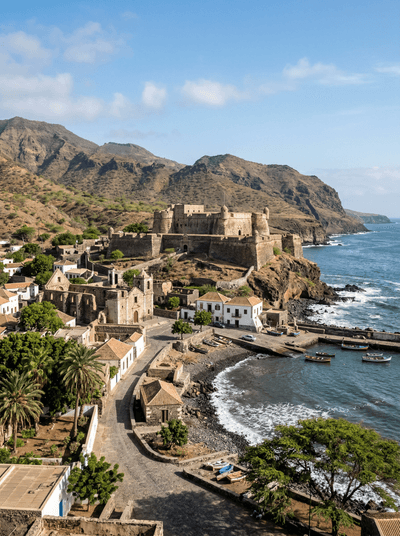
First colonial city in the tropics — a slave pillory still stands in the silent square.

Fukuoka
Japan
Yatai street stalls steaming under canvas where strangers share ramen at midnight.
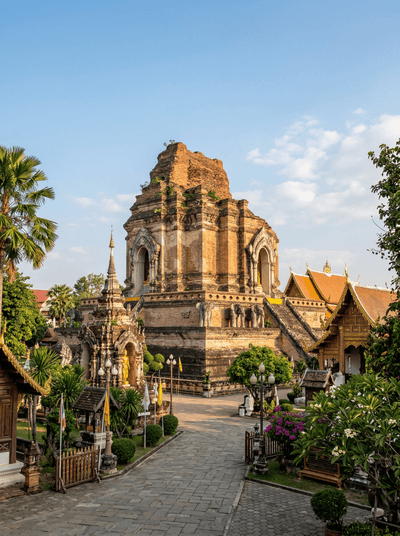
Chiang Mai
Thailand
Monks in saffron robes walking barefoot past tattooed expats and ancient brick chedis at dawn.
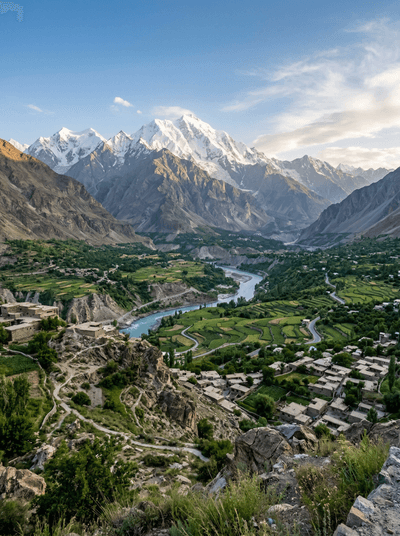
Hunza Valley
Pakistan
Apricot orchards cascading down terraces where three of Earth's mightiest mountain ranges collide.
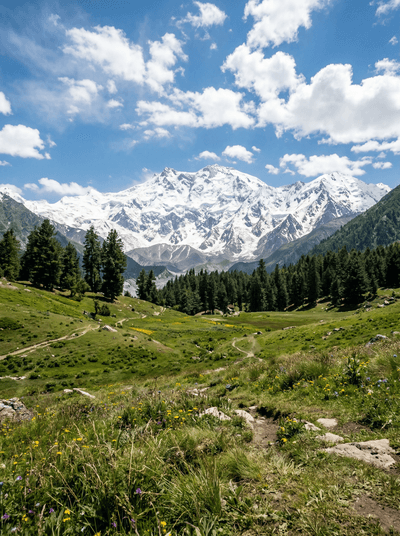
Fairy Meadows
Pakistan
A wildflower carpet at 3,300 metres where Nanga Parbat's killer face fills the entire sky.
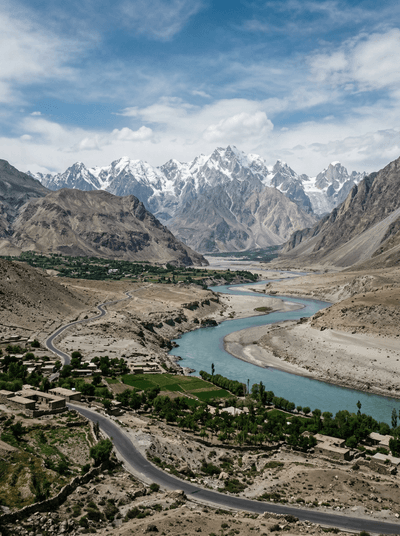
Skardu
Pakistan
Sand dunes and glacial lakes sharing the same valley floor beneath Karakoram granite walls.
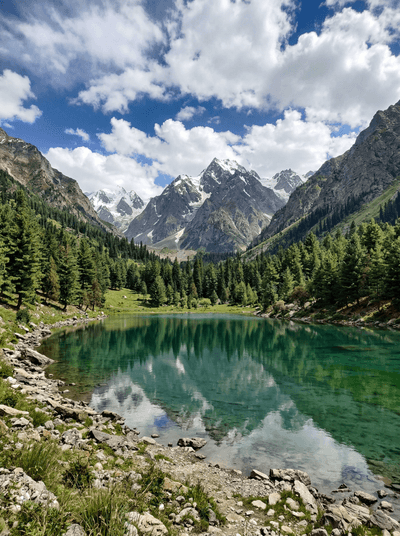
Naltar Valley
Pakistan
Three lakes cycling through turquoise, emerald, and sapphire depending on the angle of light.