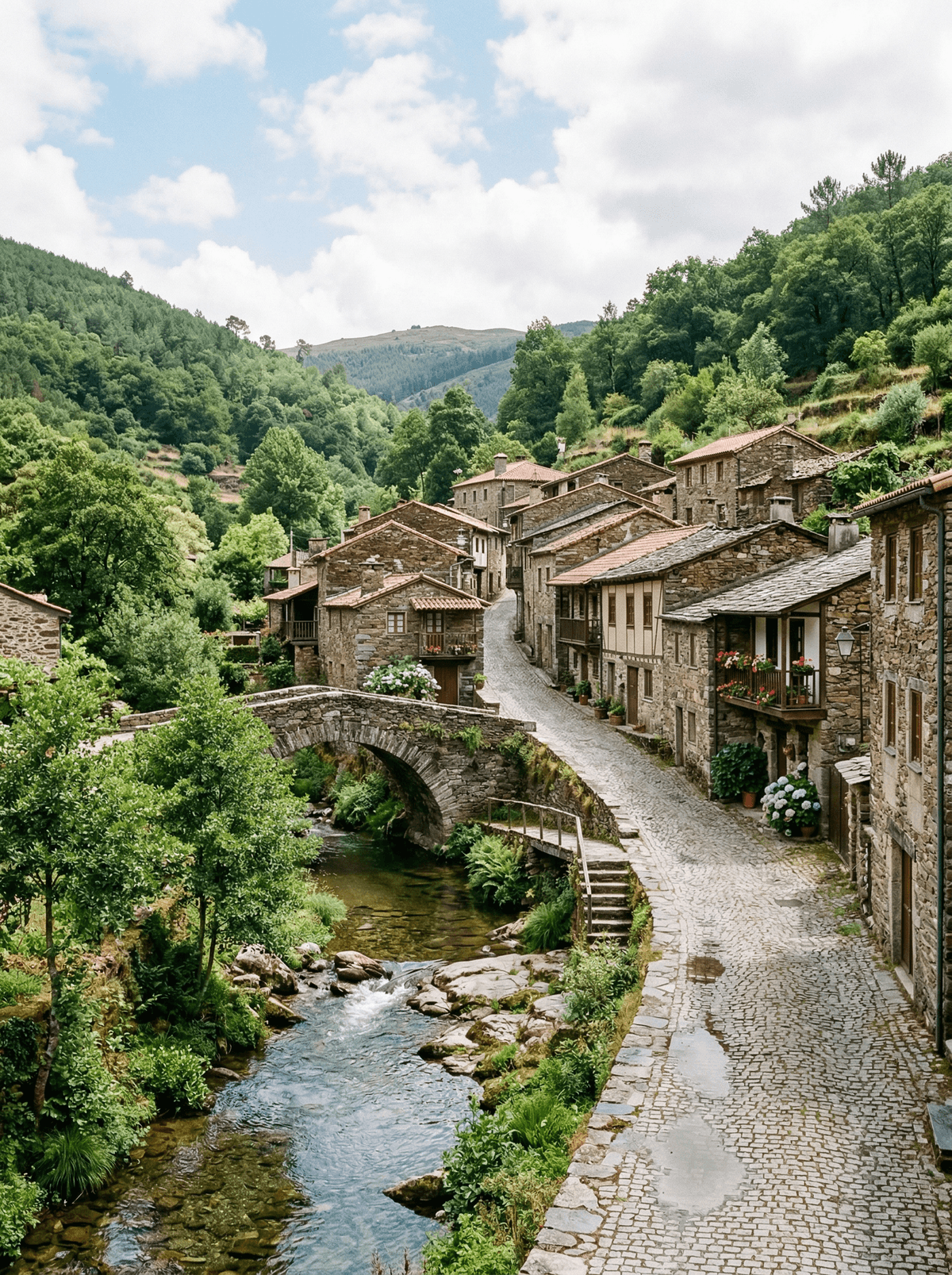
Portugal
Rio de Onor
One village, two countries — a shared commons that never much minded the border.
The border runs through the valley, real and mapped — and the village pays it the minimum courtesy. Stone houses line a cobbled street where smoke rises from the communal oven and conversation shifts between Portuguese and Spanish mid-sentence. The quiet here is ancestral, the kind that comes from centuries of shared routine.
Rio de Onor is one of Europe's last communitarian villages, paired across the frontier with Rihonor de Castilla on the Spanish side. For centuries the two halves ran a genuine commons — shared oven, grazing, forest and mill rights under the baldio system that outlasted the feudal era and persisted into the twentieth century — and the anthropologist Jorge Dias made the village famous with his landmark 1953 study of that life. Today a few dozen residents remain inside Montesinho Natural Park, among chestnut groves and terraced fields, and the visit reads the tradition honestly: through the village's ethnographic interpretation and the park's marked routes, not through the romance that the frontier disappears. The local speech is its own transitional thing, neither fully Portuguese nor Castilian — linguists count it one variety spoken under two flags.
Solo
For the traveller who finds a village of a few dozen people and stays three days — nothing here but the commons, the oven, and conversations that treat the border as furniture. That is exactly the point.
- The frontier bisects one paired settlement — Portuguese on one side, Spanish steps away.
- The baldio commons — forest, grazing and mill rights shared — outlasted the feudal era.
- Linguists class the village speech as one transitional variety under two flags.
- A few dozen residents keep a communal memory larger than the community itself.
Bread from the communal oven, still warm, with smoked sausage and local cheese.
Chestnut-fed pork and hearty soups — the food of a village that shared everything.
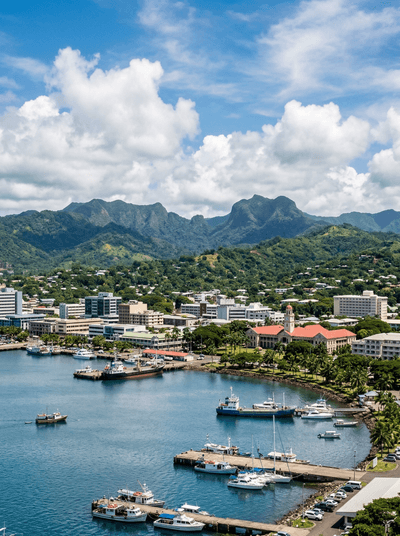
Suva
Fiji
South Pacific hustle where Hindu temples share streets with Fijian markets and colonial verandahs.
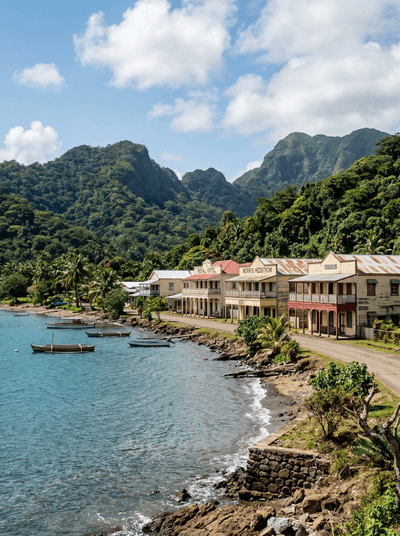
Levuka
Fiji
Fiji's first colonial capital frozen in the 1870s, wooden shopfronts sagging under tropical rain.
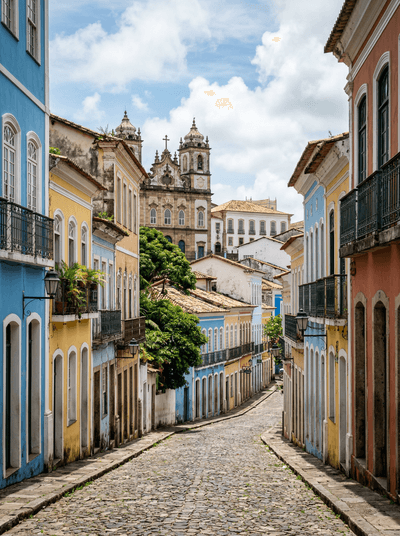
Salvador
Brazil
Drum rhythms ricocheting off colonial walls where song, dance and combat happen at once.
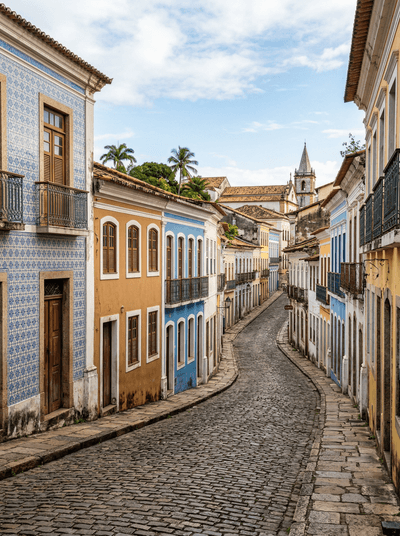
São Luís
Brazil
Hand-painted Portuguese tiles across four thousand colonial houses, cooling the walls against equatorial heat.
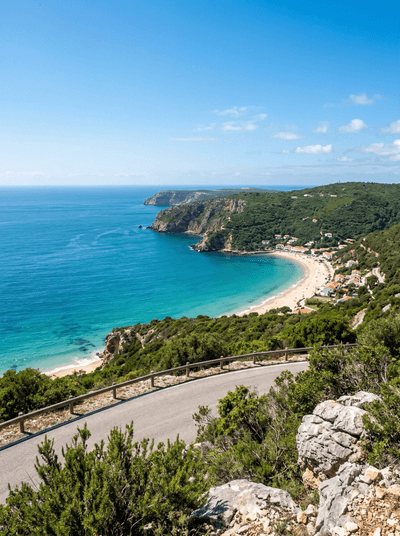
Arrábida
Portugal
Turquoise coves locked between limestone cliffs and monastery forest above the sea.
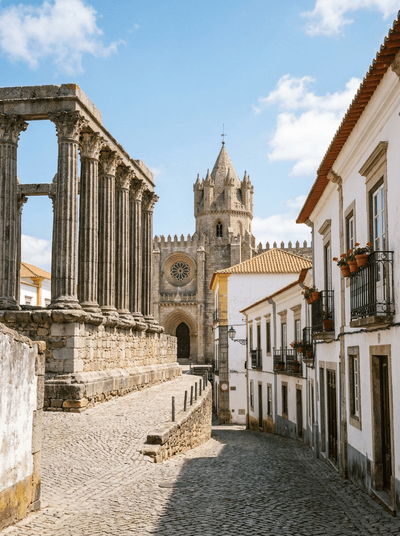
Évora
Portugal
A Roman temple stands intact beside a chapel the monks lined with their own dead.
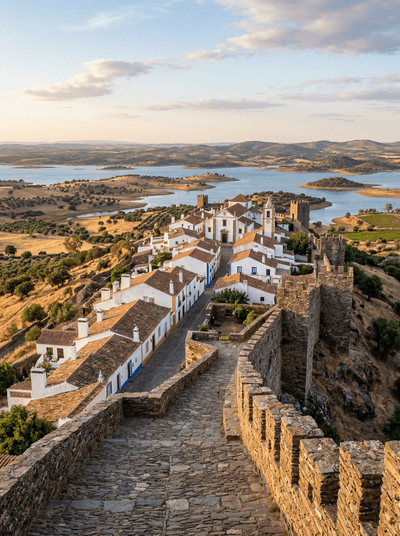
Monsaraz
Portugal
A walled village of whitewashed stone above a lake so still it doubles the sky.
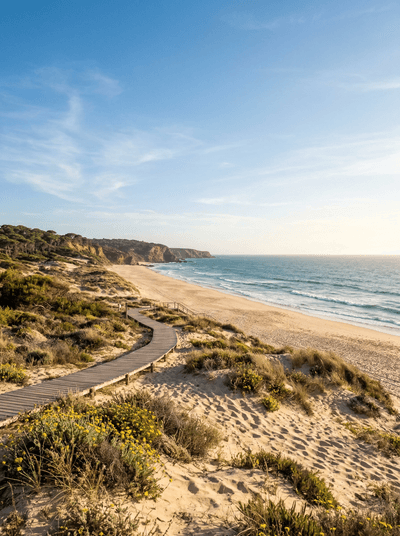
Comporta
Portugal
Rice paddies end where the dunes begin, an undeveloped Atlantic beach running for hours.