Portugal
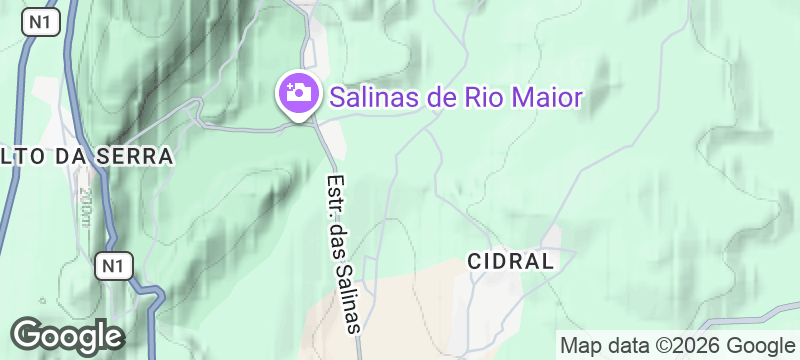
Salinas de Rio Maior
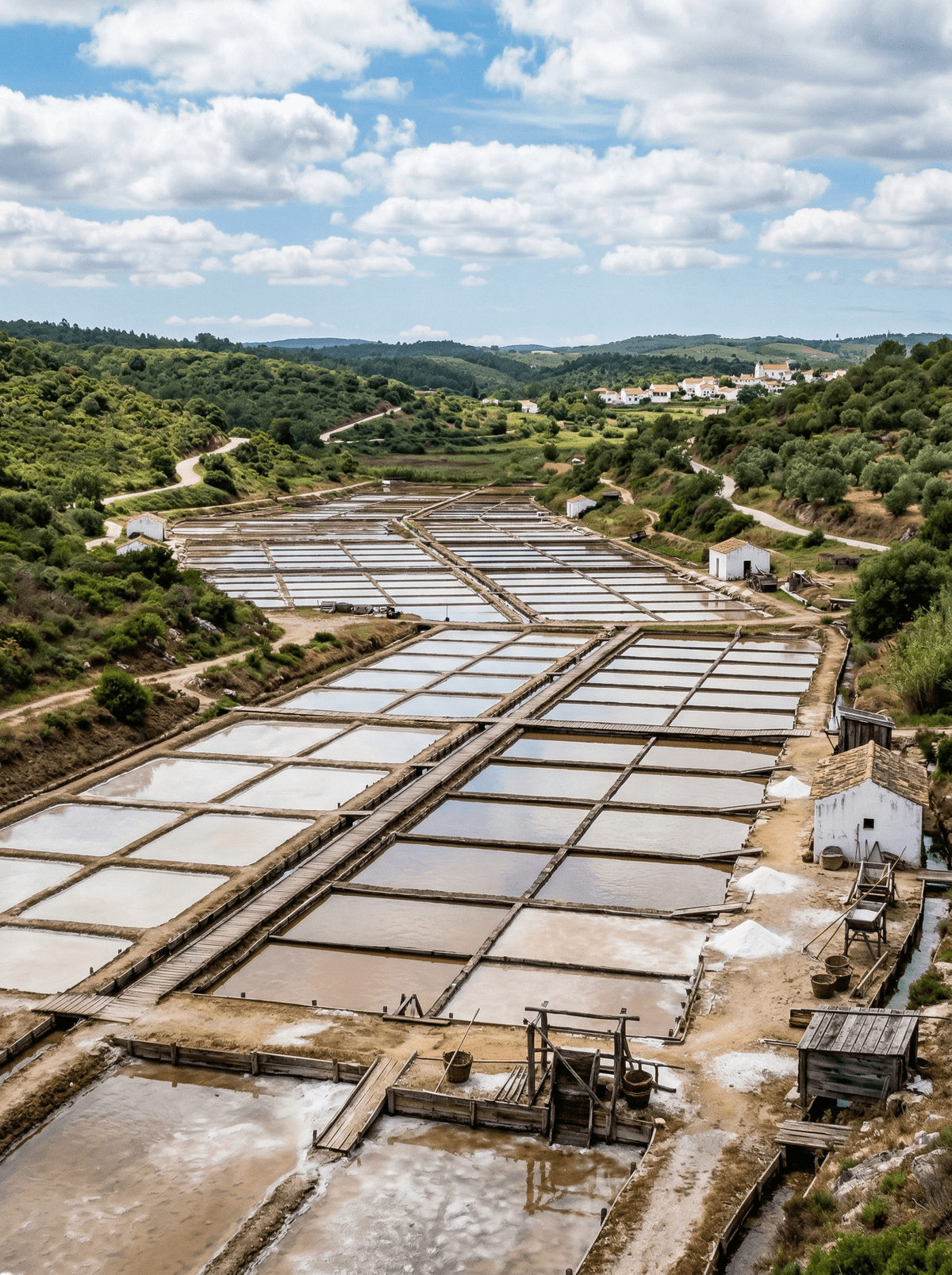
Medieval salt pans shimmer thirty kilometres from the ocean, fed by brine from below.
The salt pans gleam in geometric rows, shallow pools separated by narrow earthen walls, the water so mineral-dense it barely ripples. Workers rake crystalline crusts into mounds with wooden tools whose design has not changed in centuries. The air carries the taste of salt — which makes no sense, because the ocean is thirty kilometres away.
Salinas de Rio Maior is an inland salt operation in central Portugal, fed by an underground spring that pushes brine several times saltier than seawater up from an ancient rock-salt formation deep below. Salt has been harvested here continuously since at least the twelfth century, and unlike Portugal's coastal flats these pans sit in a green valley ringed by wooded hills — a visual contradiction that catches every visitor off guard. It remains a working, family-run operation: plots pass down through generations, the wooden salt houses around the pans are among Portugal's oldest such structures still working, and the hand-raked flor de sal commands a premium at local markets. Evaporation is by sun and wind alone, so the crystallising season spans the warmer half of the year. The stop is compact and quietly astonishing — best folded into a day across the Estremadura countryside.
Solo
This is one of those places that makes you reconsider what you think you know about Portugal — wander the pan edges, watch the rakers work, and leave with a bag of flor de sal as proof.
Couple
The quiet oddity of an inland salt flat surrounded by green countryside makes a memorable detour, unhurried and tastable, the salt itself the souvenir.
Family
Children love the science of it — why is there salt here, how does the spring work? The pans take barely an hour to explore, leaving the whole afternoon for the countryside.
- An underground spring feeds Portugal's only inland salt pans, far from any coast.
- Salt has been raked here continuously since at least the twelfth century.
- The wooden salt houses rank among Portugal's oldest structures still in working use.
- Sun and wind do all the evaporating, exactly as in the medieval operation.
Flor de sal harvested by hand from these very pans, sprinkled over local goat's cheese.
Ribatejo-style fried migas with spare ribs, the region's heavyweight lunch.
Suva
Fiji
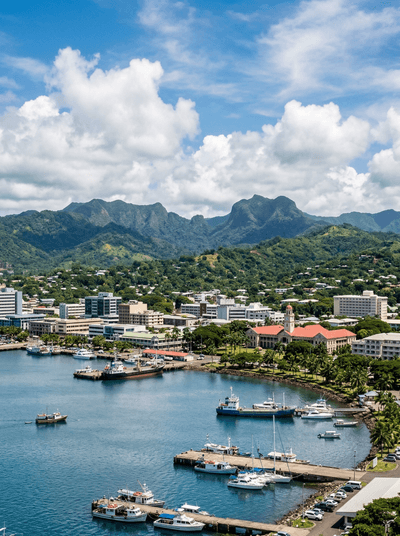
South Pacific hustle where Hindu temples share streets with Fijian markets and colonial verandahs.
Levuka
Fiji
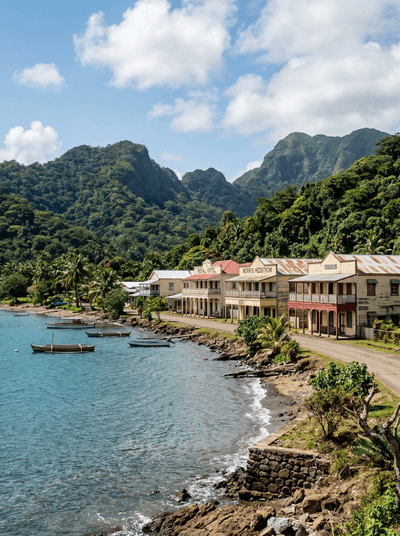
Fiji's first colonial capital frozen in the 1870s, wooden shopfronts sagging under tropical rain.
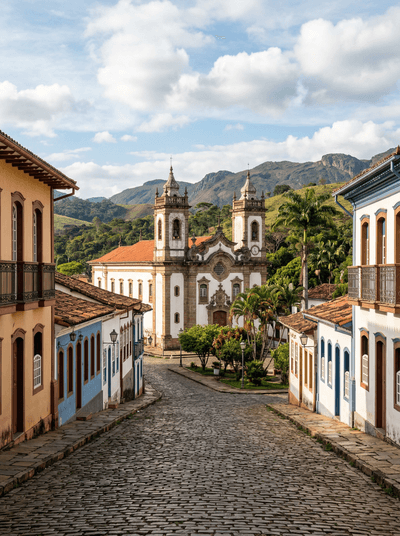
São João del-Rei
Brazil
Baroque towers answering each other across a valley, ringing the sex of whoever has just died.
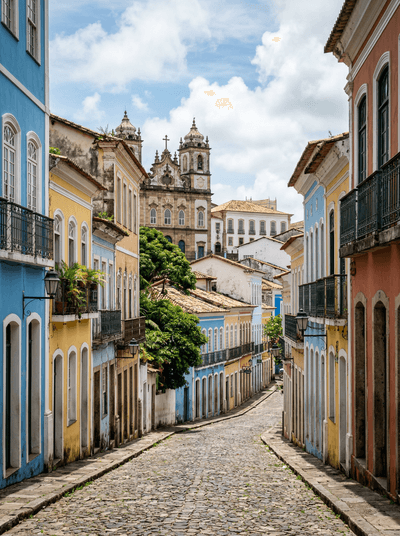
Salvador
Brazil
Drum rhythms ricocheting off colonial walls where song, dance and combat happen at once.
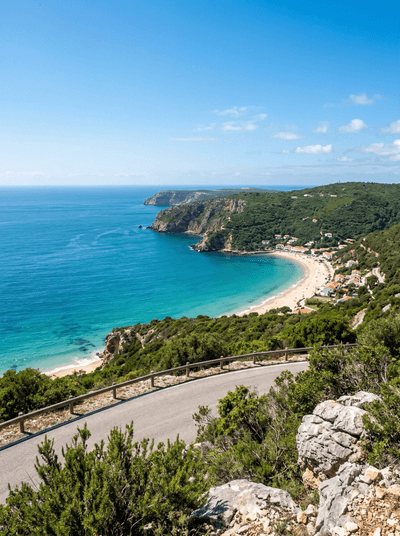
Arrábida
Portugal
Turquoise coves locked between limestone cliffs and monastery forest above the sea.
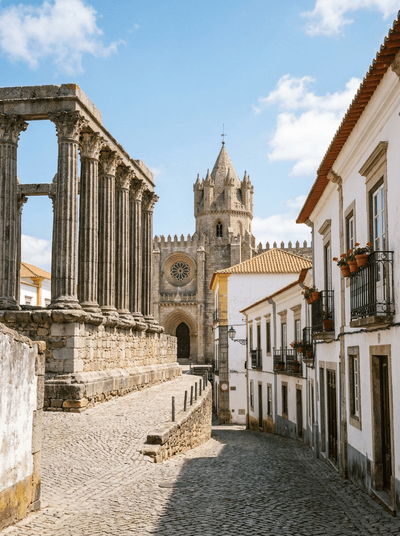
Évora
Portugal
A Roman temple stands intact beside a chapel the monks lined with their own dead.
Monsaraz
Portugal
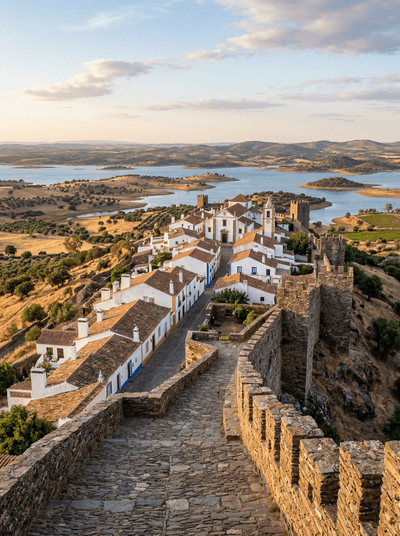
A walled village of whitewashed stone above a lake so still it doubles the sky.
Comporta
Portugal
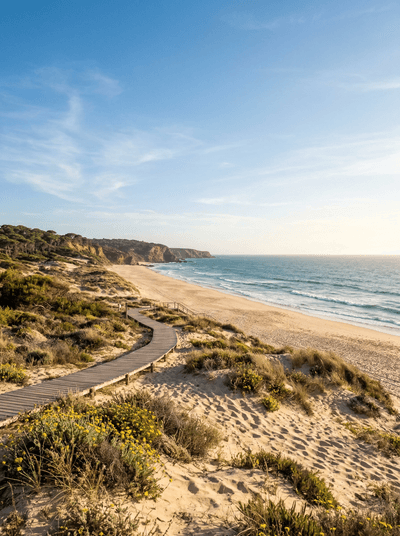
Rice paddies end where the dunes begin, an undeveloped Atlantic beach running for hours.