Turkey
Şanlıurfa
Abraham's cave meets the pool of sacred fish in a city haunted by Mesopotamia's oldest memories.
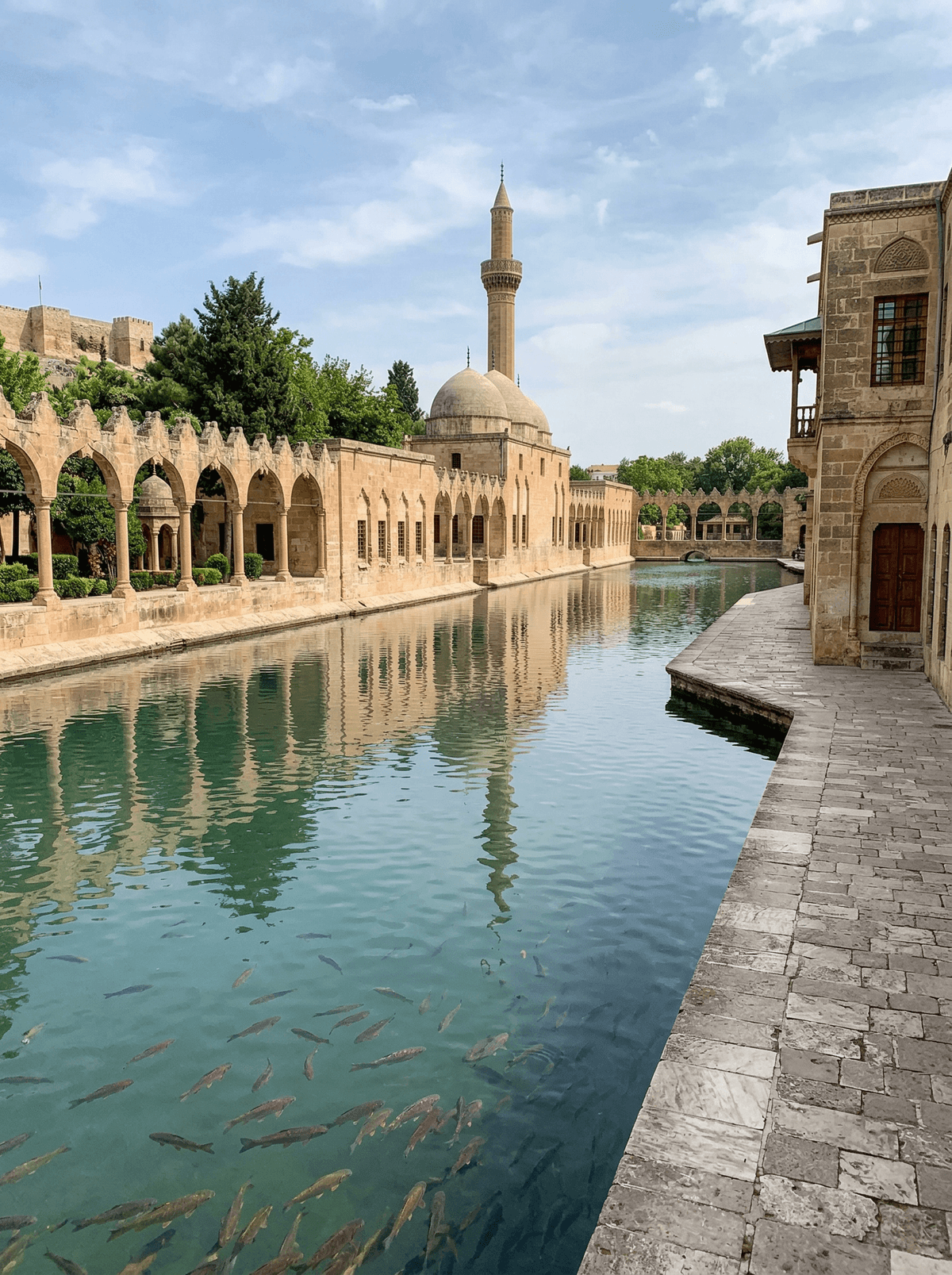
The sacred carp swirl in turquoise pools beneath limestone colonnades, and pilgrims toss them crumbs as they have for centuries. Behind the pools, the cave associated with Abraham opens in the rock, cool, dim, heavy with reverence. Step outside and the bazaar swallows you whole: copper-beaters, spice sellers, the sharp tang of isot pepper, the rhythmic slap of çiğ köfte being kneaded by hand.
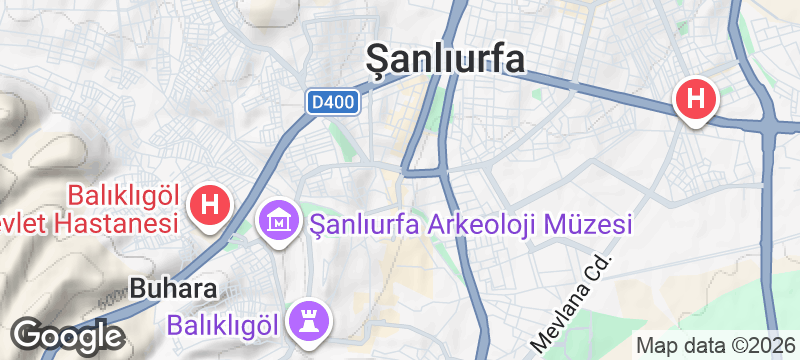
Şanlıurfa, Urfa to locals, has been lived in longer than almost any city on Earth, standing at the crossroads of Mesopotamian civilisation. Islamic tradition identifies it as the birthplace of the Prophet Abraham, and the Balıklıgöl complex of spring-fed sacred fish pools draws pilgrims year-round. About 15 kilometres away, Göbekli Tepe rewrote human history, and the city's archaeology museum holds Urfa Man, a figure with obsidian eyes from about 9000 BCE, the oldest statue of its kind. The covered bazaar has run without pause since the 16th century, and the food culture is fiercely local: smoke-grilled Urfa kebab, hand-kneaded çiğ köfte, and bitter mırra coffee poured with ritual precision.
Solo
Urfa is a city for immersion. The bazaars, the pilgrimage sites and the proximity to Göbekli Tepe create an itinerary that shifts between sensory overload and profound stillness.
Couple
An evening at Balıklıgöl as the mosque lights reflect in the pools, followed by Urfa kebab in the bazaar, is southeastern Turkey at its most atmospheric.
Family
Children are fascinated by the sacred fish and by Urfa Man, an 11,000-year-old figure with obsidian eyes. Göbekli Tepe adds a world's-oldest superlative that sticks in young minds.
- The Balıklıgöl pools hold carp considered sacred for centuries; feeding them is an act of devotion.
- Göbekli Tepe, about 15 kilometres from the city, is the world's oldest known monumental structure, and the city museum holds its finds.
- The cave where local tradition says Abraham was born receives hundreds of thousands of pilgrims a year.
- The 16th-century covered bazaar has traded continuously since it was built; copper and fabric are still working trades.
Urfa ciğer kebabı, lamb liver cut to hazelnut cubes and alternated with tail fat on the skewer.
Urfa şıllık tatlısı, thin layers and crushed walnut bound in syrup with local sheep's butter.
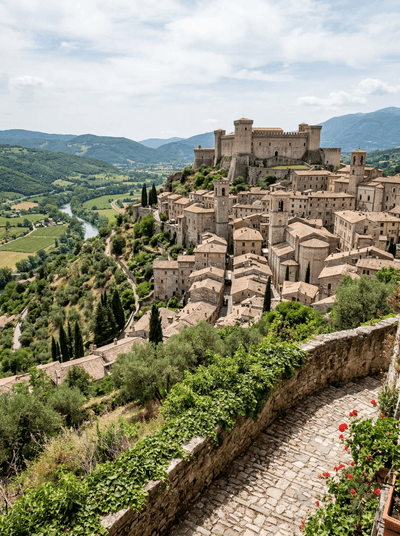
Narni
Italy
A hill town hiding an underground church discovered in 1979, frescoed walls sealed for centuries.
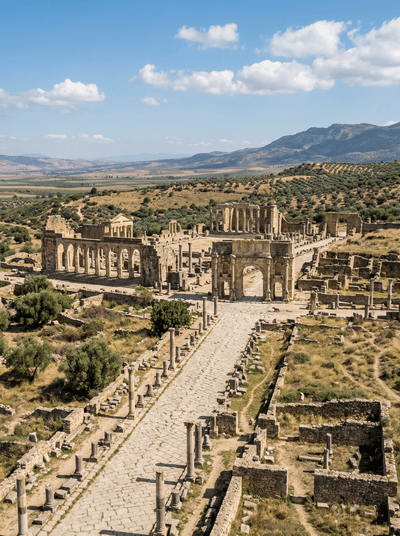
Volubilis
Morocco
Roman mosaics lying open under the sun, in a city ringed by flowering olive groves.
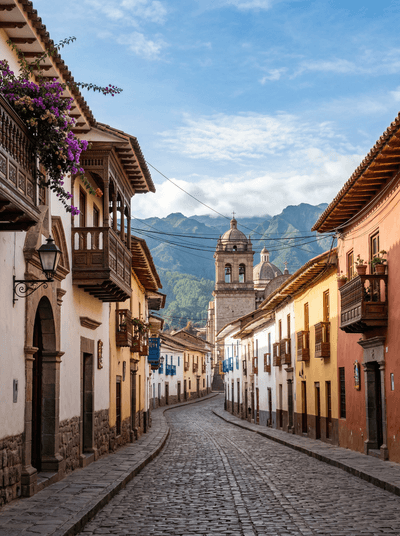
Ayacucho
Peru
Thirty-three colonial churches in a city whose Holy Week is Peru's most devoted.
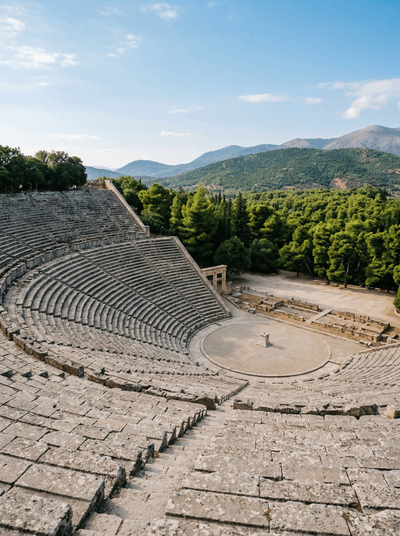
Epidaurus
Greece
A 14,000-seat theatre with acoustics so precise a coin drop on stage reaches the back row.
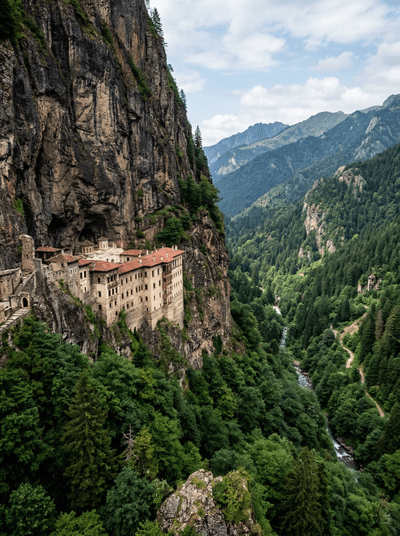
Sumela Monastery
Turkey
A monastery clinging to a cliff 300 metres above a misty Black Sea valley.
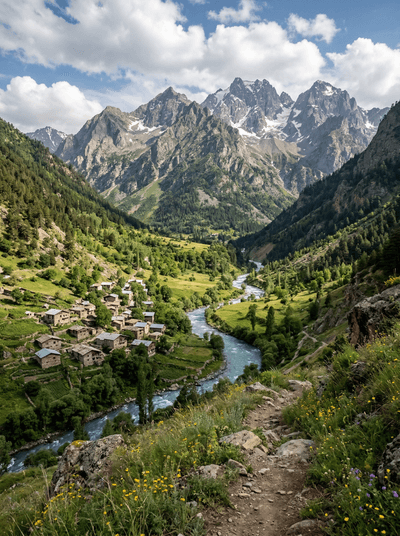
Barhal Valley
Turkey
10th-century Georgian churches stand forgotten in steep valleys where the road ends and peaks begin.
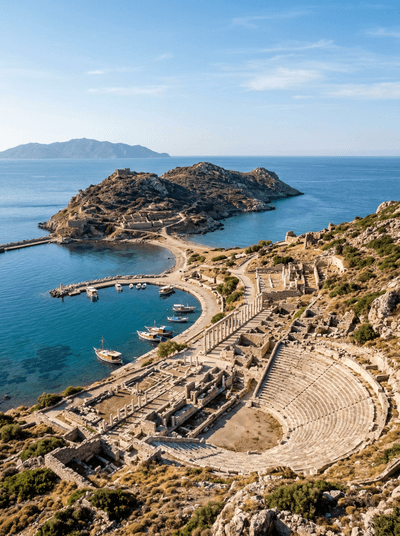
Knidos
Turkey
Two harbours face two different seas at a windswept cape where the Aegean meets the Mediterranean.
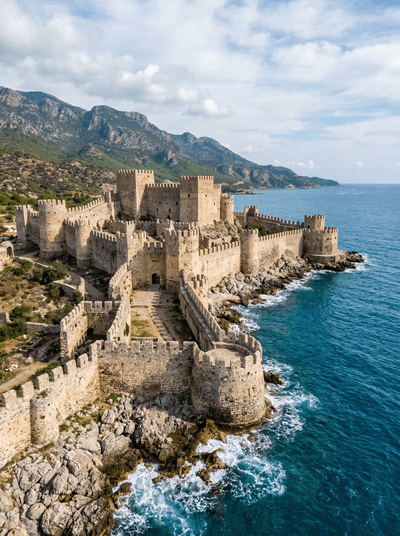
Mamure Castle
Turkey
Thirty-nine towers rise where a medieval fortress meets the Mediterranean surf.