Brazil
São Miguel das Missões
Sandstone ruins of a Jesuit republic the Guaraní built, carved, and then lost.
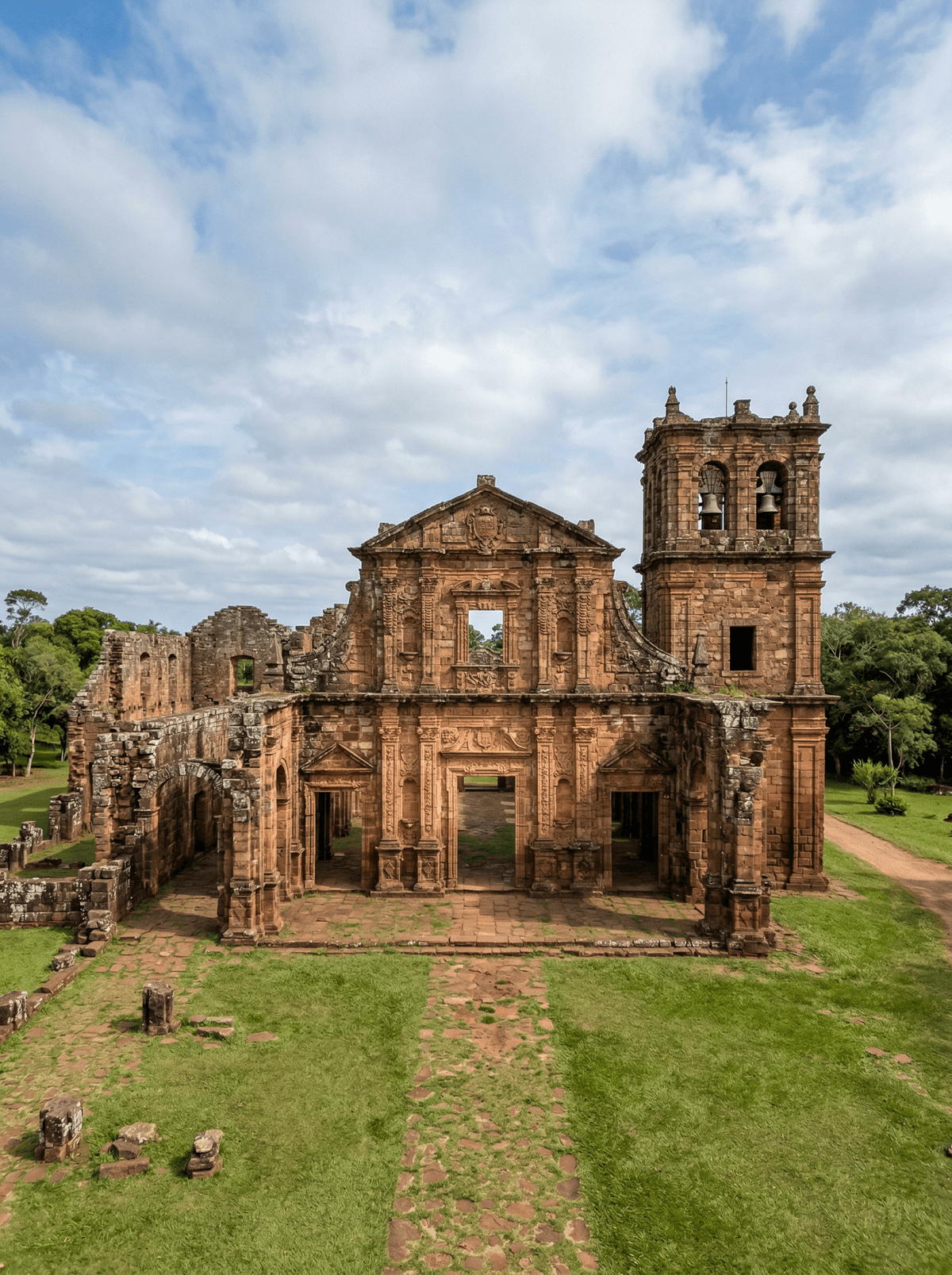
The sandstone columns of the church stand roofless against the gaucho sky, their carved capitals still sharp enough to read after three centuries of rain and sun. At nightfall the ruins are lit and narrated, and the story they are given is their own: the birth, the working life and the end of the Guaraní-Jesuit experiment. The silence between the sentences is the silence of a society that lasted and then did not.
São Miguel das Missões holds the Brazilian part of a World Heritage listing it has shared since 1983 with four former missions across the border in Argentina, and what stands here is what is left of a Guaraní-Jesuit town of the seventeenth and eighteenth centuries. The church of São Miguel Arcanjo is roofless, its tower beside it, and the old central square is still legible in front of it. The Museu das Missões sits alongside, a building Lucio Costa designed in 1938, holding the largest public collection of polychrome mission woodcarving of those two centuries anywhere in Mercosur, all of it carved by Guaraní hands inside the reductions. After dark the site does the thing it is best known for, a sound and light show created by the Rio Grande do Sul state government in 1978 and now run by the municipality, in which the ground and the ruined church are the two witnesses telling the story. If it rains the whole thing moves to the museum veranda.
Solo
Take the ruins in daylight first, while the museum is open and free: Monday afternoons only, then nine to twelve and half past one to six, Tuesday to Friday. Come back at nightfall with something to sit on. The show runs at eight for most of the year and nine from November to February, outdoors, forty-eight minutes.
Couple
The evening is the show and the language decides the night: Portuguese every day at twenty-five reais, Spanish on Tuesdays, Thursdays and Saturdays, English on Wednesdays, Fridays and Sundays. Take the chimarrão, which the town explicitly welcomes, and a blanket. Keep the next morning for the Praça das Missões opposite, which is where the whole ruin reads as one thing.
- The site has been World Heritage listed since 1983 and shares that listing with four more former missions over the border in Argentina.
- The Museu das Missões was designed in 1938 by Lucio Costa and holds the largest public collection of polychrome mission woodcarving of the seventeenth and eighteenth centuries in Mercosur, free to enter.
- The light and sound show has run since 1978, forty-eight minutes after dark inside the ruins, voiced by Fernanda Montenegro, Paulo Gracindo and Lima Duarte among others.
- It plays in Portuguese every night from twenty-five reais, in Spanish on Tuesdays, Thursdays and Saturdays, and in English on Wednesdays, Fridays and Sundays.
Pixé takes its name from the Guaraní for the smell of smoked food, and cooks contemporary missioneiro dishes out of ingredients picked in this corner of Rio Grande do Sul.
Recantu's is the one a few metres from the ruins: a buffet at midday, and after dark the entrevero, the xis and pizza until late.
Saltaire
England
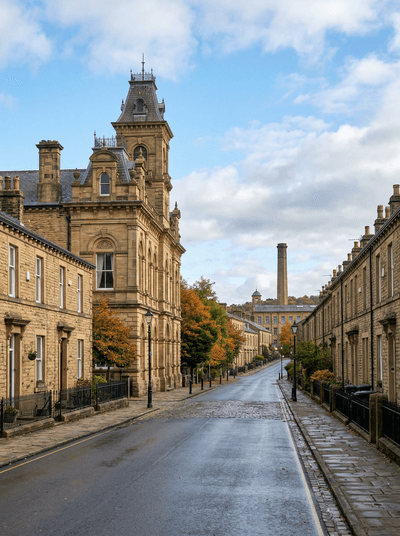
A utopian mill town built by one man's conscience, perfectly preserved beside the canal.
Takwa Ruins
Kenya
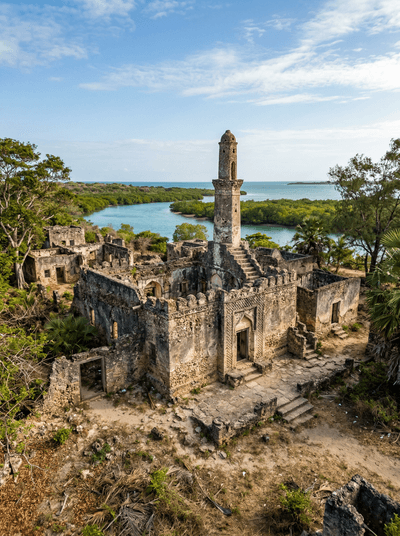
A Swahili ghost town in Manda Island's mangroves — its mosque still oriented toward Mecca.
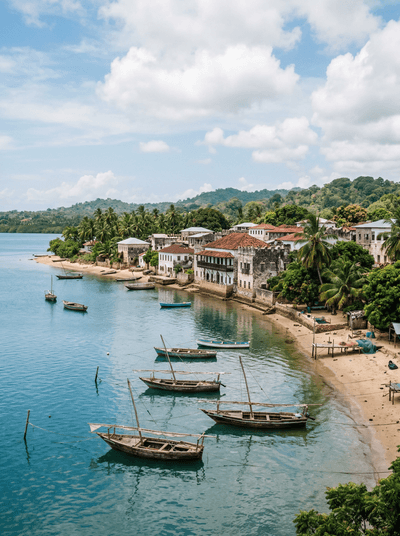
Mikindani
Tanzania
Livingstone sailed from this coral-stone harbour on his final expedition.
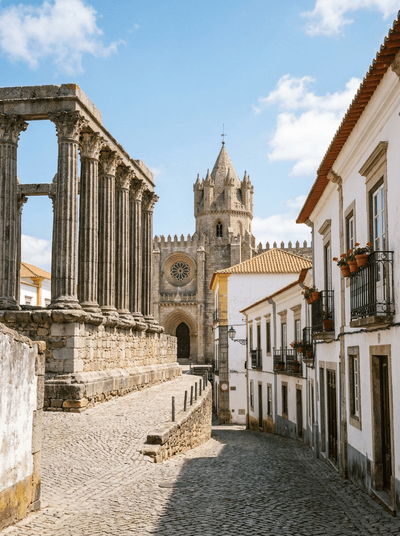
Évora
Portugal
A Roman temple stands intact beside a chapel the monks lined with their own dead.
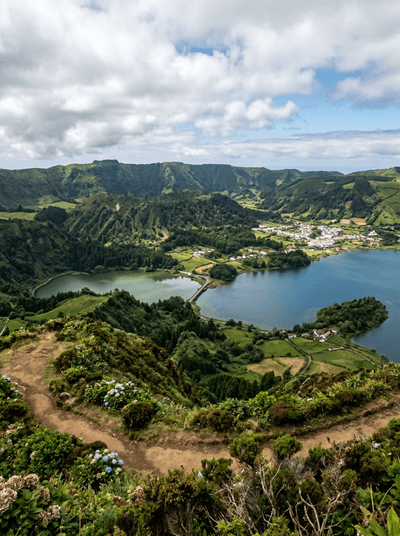
Sete Cidades
Brazil
Sandstone eroded into what look like seven separate cities, with rock paintings inside them.
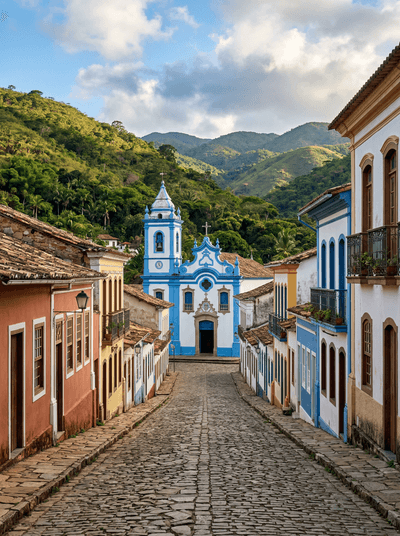
Triunfo
Brazil
Fog on dry-stone walls, in a scrap of rainforest stranded above the drought country.
Canudos
Brazil
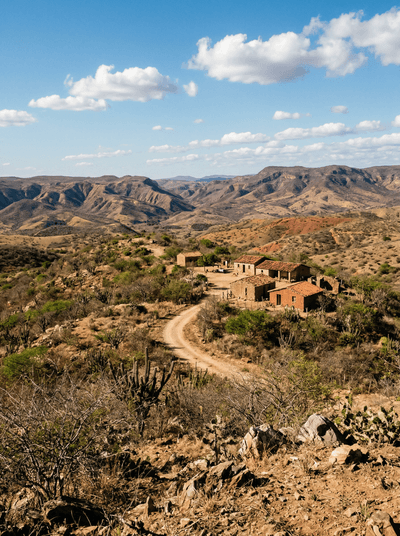
Canudos fell with four left in a trench: two men, an old man, a boy.
Itaúnas
Brazil
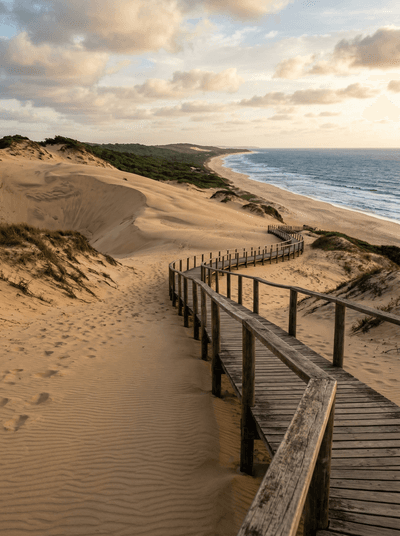
Sand dunes that swallowed an entire village, now a forró-dancing outpost on a wild coast.