Peru
Lake Titicaca
So high the air stings, so still the sky sinks into the water.
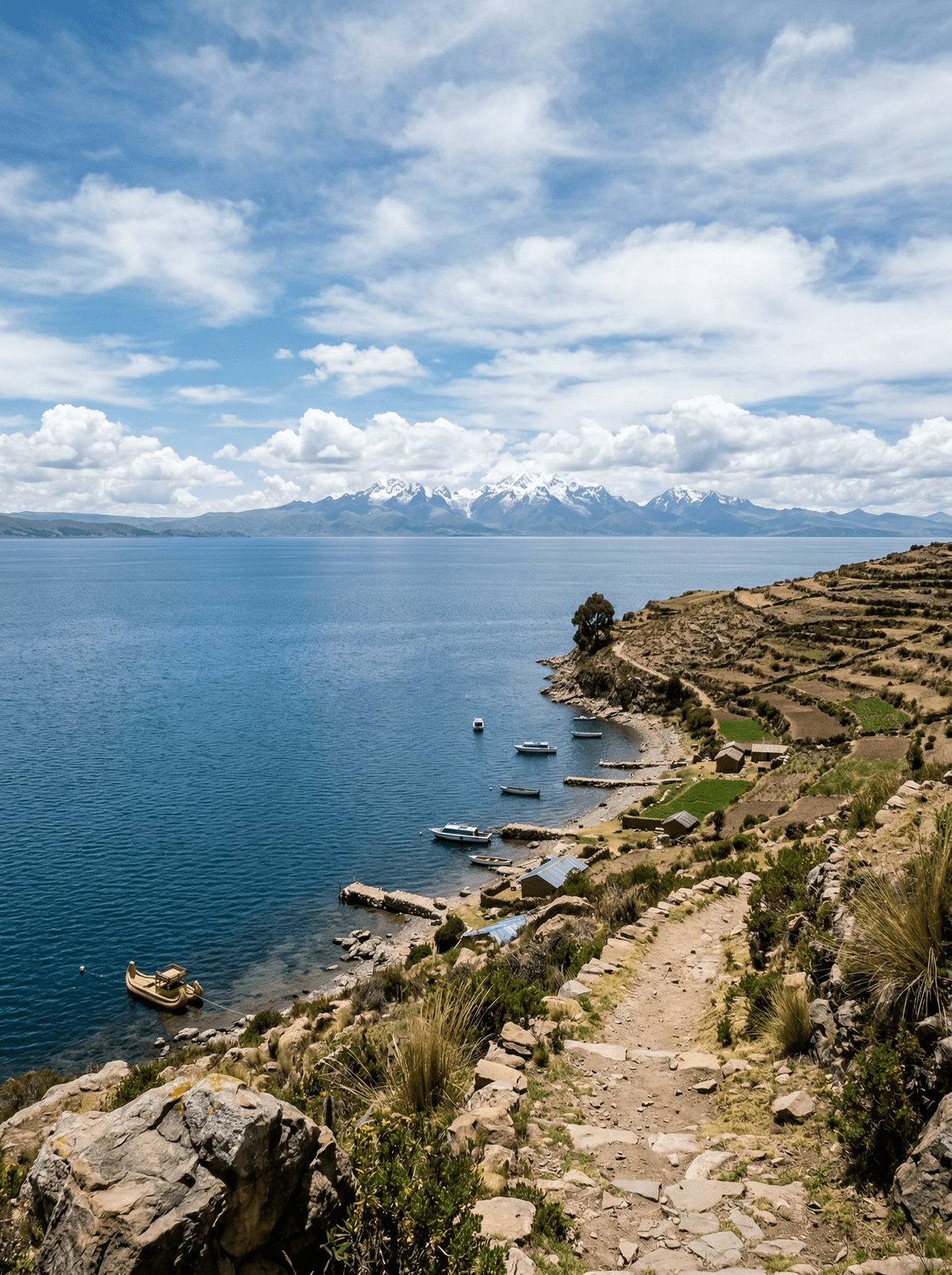
At 3,812 metres, the air at Lake Titicaca is thin enough to taste. The lake runs to the horizon like an inland sea, so still on windless mornings that the sky sinks into the water and the far Bolivian cordillera seems to float. Light at this altitude has a hardness that makes every colour — water-blue, totora gold, shoreline ochre — almost unreasonably vivid.
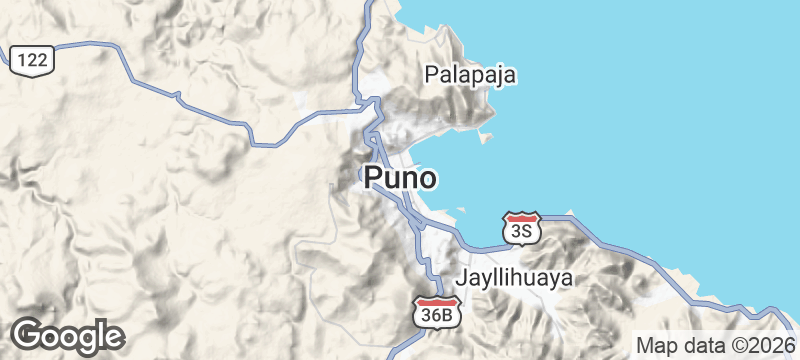
Titicaca, straddling Peru and Bolivia, carries the title of world's highest navigable lake, and it remains above all a lived place — a working cultural landscape, not an open-air museum. The Uros people have built floating islands of bundled totora reed here for centuries, renewing the surface layer by layer as families live on the water; Taquile's hand-woven textiles carry UNESCO recognition as living heritage sustained by community practice. The right visit is community-led from Puno — registered stays, fair pay for guiding and crafts, questions asked before photographs — and it repays the respect: evenings on Amantaní under a sky with more stars than dark, sunset turning the water from turquoise to violet while the cordillera burns orange.
Solo
Community-led visits strip travel to its essence — island paths, unhurried hours, and a dawn boat over still water.
Couple
The lake's stillness is its own atmosphere — sunset over the great water, the cordillera burning orange behind Bolivia, is Peru at its most quietly romantic.
Family
The Uros islands fascinate children — ground that gives underfoot, houses of reed, the surface renewed layer by layer beneath them. Keep boat time and sun in the plan.
- Often called the world's highest navigable lake — the surface sits at 3,812 metres.
- Uros families have built and renewed floating reed islands here for centuries.
- Taquile's textiles carry UNESCO recognition as living community heritage.
- Sunset turns the water violet while Bolivia's cordillera catches the last orange.
Trucha frita — lake trout fried whole — with chuño, the freeze-dried potato that tastes of the cold itself.
Quinoa soup ladled thick against the altiplano cold — the lake country's daily anchor.
Comacchio
Italy
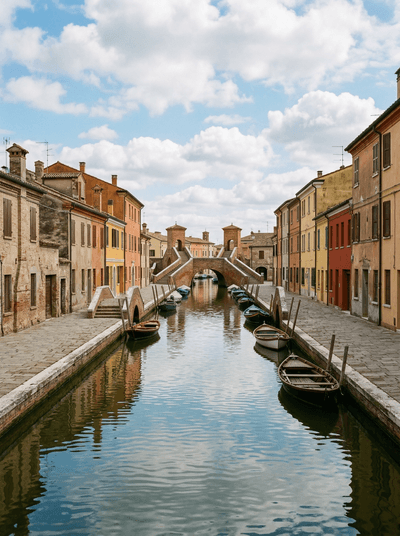
Canals thread a brick lagoon town whose fortunes have always swum in on the eels.
La Rochelle
France
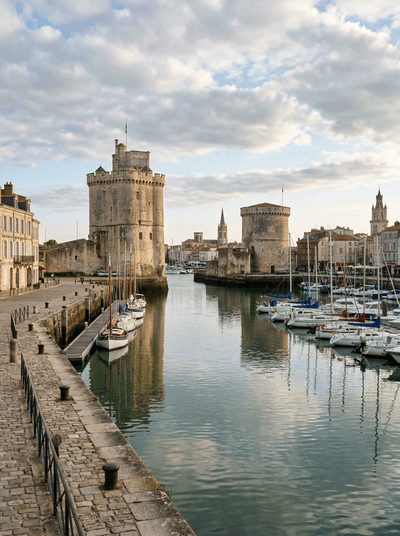
Medieval towers guarding a harbour mouth where a chain once locked out the sea each night.
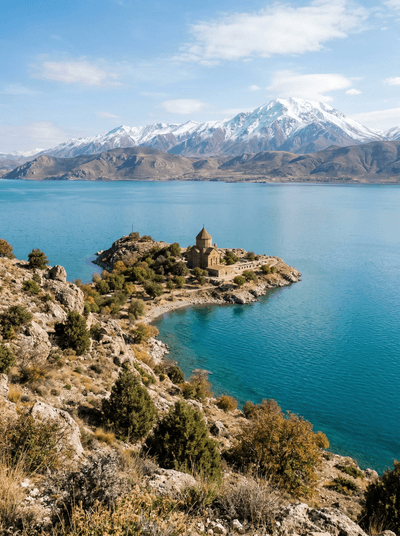
Lake Van
Turkey
A vast soda sea where you float without trying, ringed by snow-capped volcanoes.
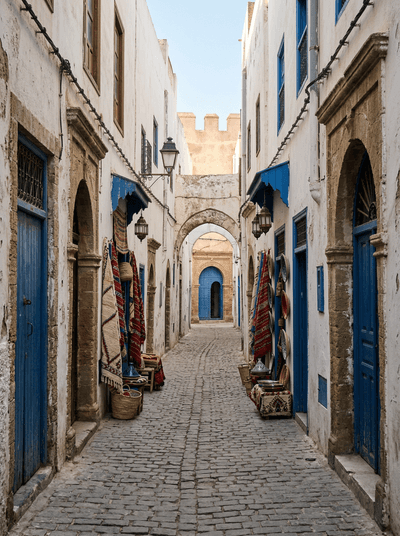
Essaouira
Morocco
Gnaoua rhythms carry a devotional trance through ramparts that once guarded half Morocco's foreign trade.
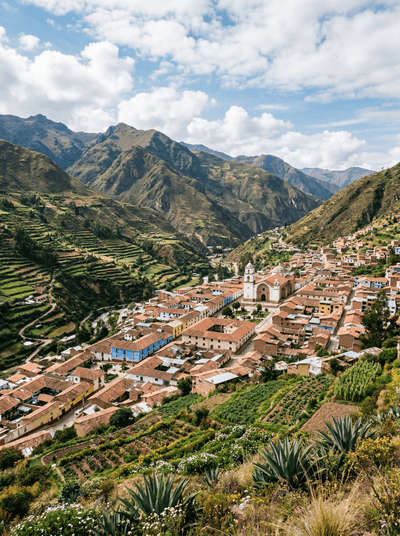
Tarma
Peru
Streets carpeted in fresh flowers for Holy Week — a town redrawn in petals.
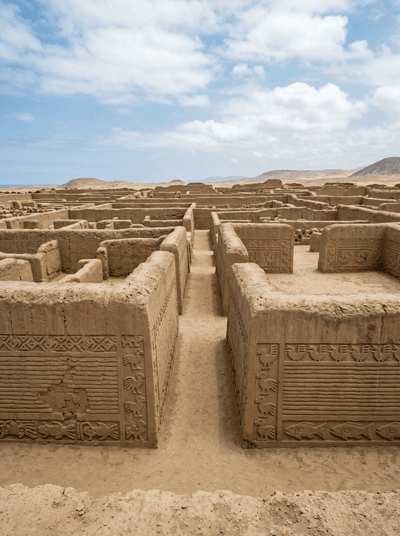
Chan Chan
Peru
The Americas' greatest earthen city — walls still carved with fish and waves after a millennium.
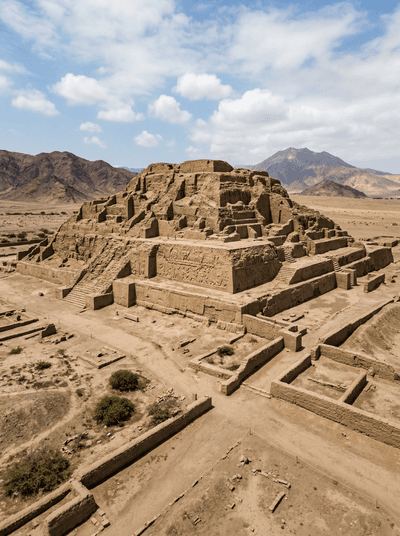
Huacas de Moche
Peru
Moche murals of spider gods and warrior priests, the paint still vivid after 1,500 years.
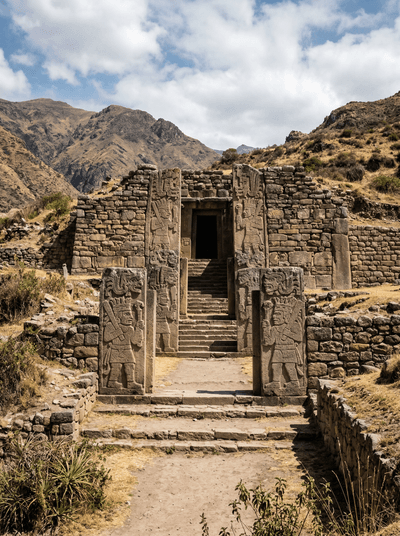
Sechín
Peru
Temple walls carved with warriors and the dismembered — 3,600-year-old stone testimony.