Pakistan
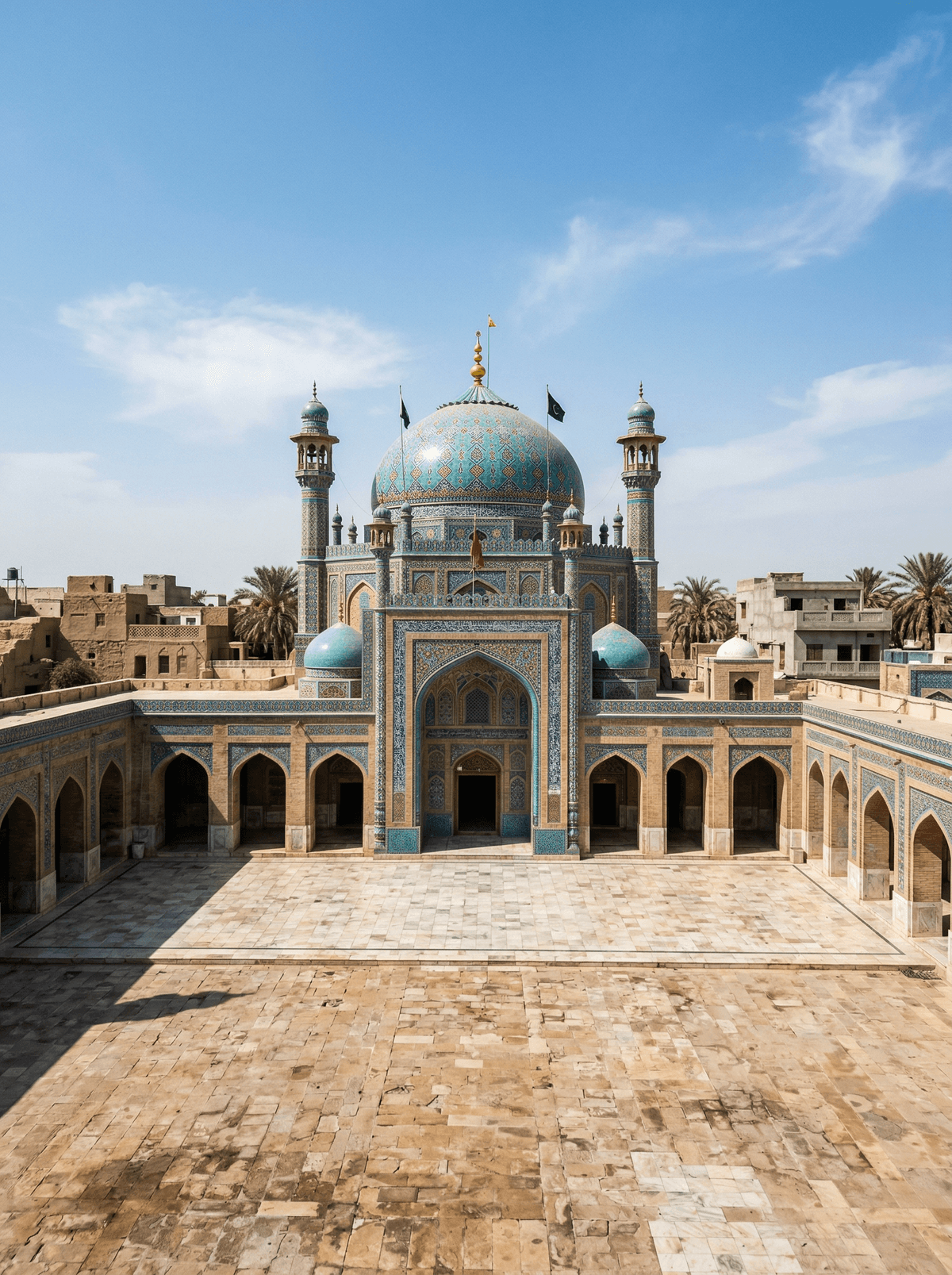
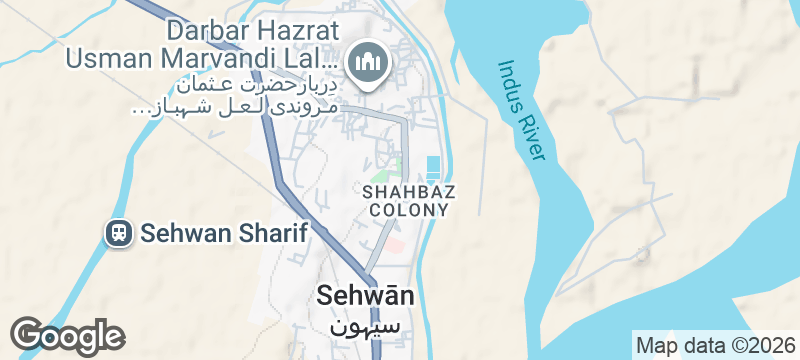
Sehwan Sharif
Sufi devotees spinning into trance at a crimson-draped shrine where ecstasy is a form of prayer.
The drums accelerate. Inside the crimson-draped shrine of Lal Shahbaz Qalandar, devotees begin to spin — arms outstretched, eyes closed, sweat darkening the crimson cloth — and the line between prayer and trance dissolves entirely. Sehwan Sharif in Pakistan's Sindh is not a place you observe. It pulls you in.
Sehwan Sharif is a small town on the Indus flood plain in Jamshoro district, Sindh, dominated by the shrine of Lal Shahbaz Qalandar, a 13th-century Sufi mystic who walked from Persia to Sindh. Every Thursday night, thousands of devotees gather for dhamaal — ecstatic spinning that can last for hours beneath the shrine's mirrored interior and crimson floral garlands. The bronze doors, inlaid mirrors, and the sheer sensory intensity of the space have no parallel at any other religious site in South Asia. The annual Urs festival in the Sindhi month of Sha'ban draws pilgrims from across Pakistan and Afghanistan. Langar — communal meals of rice and dal — is served free to every visitor. The Sufi songs sung here trace a tradition from 13th-century Persia through Sindh's own mystical lineage.
Solo
Sehwan demands surrender. A solo visitor at Thursday dhamaal — surrounded by spinning devotees, engulfed in drumbeats and crimson light — experiences something no guided tour can replicate. This is participation, not spectation.
- The dhammal — ecstatic whirling and drumming by Sufi devotees — happens every Thursday evening at the shrine of Lal Shahbaz Qalandar.
- The shrine complex is draped in red cloth and lit with thousands of oil lamps, the air dense with incense and the percussion of dhol drums.
- Qalandar, who died in 1274, was a Sufi poet whose verses are still sung in Sindhi homes as lullabies — his influence on local culture is total.
- The surrounding town on the Indus floodplain floods annually — the shrine has been rebuilt and re-draped after each inundation, the devotion outlasting every disaster.
Langar — massive pots of rice and dal served free to every visitor at the shrine.
Sehwan's famous haleem — slow-cooked wheat and meat stew, thick and deeply spiced.
Sweet chai from shrine vendors, brewed impossibly strong and served in tiny cups.
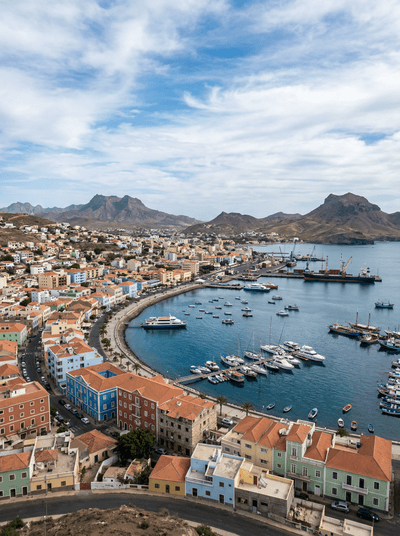
Mindelo
Cape Verde
Morna music drifts from dimly lit bars where Cesária Évora once sang barefoot for sailors.
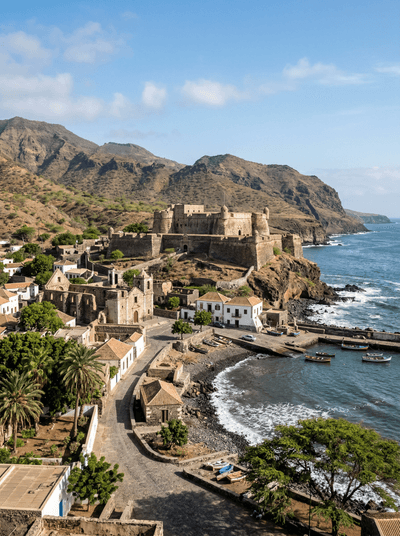
Cidade Velha
Cape Verde
First colonial city in the tropics — a slave pillory still stands in the silent square.

Fukuoka
Japan
Yatai street stalls steaming under canvas where strangers share ramen at midnight.
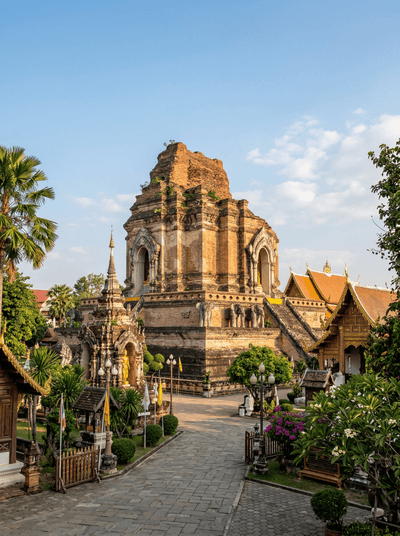
Chiang Mai
Thailand
Monks in saffron robes walking barefoot past tattooed expats and ancient brick chedis at dawn.
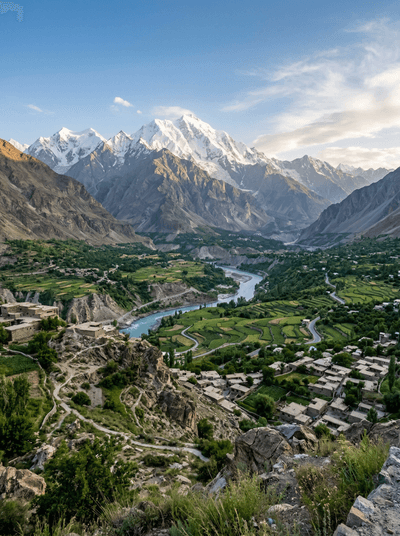
Hunza Valley
Pakistan
Apricot orchards cascading down terraces where three of Earth's mightiest mountain ranges collide.
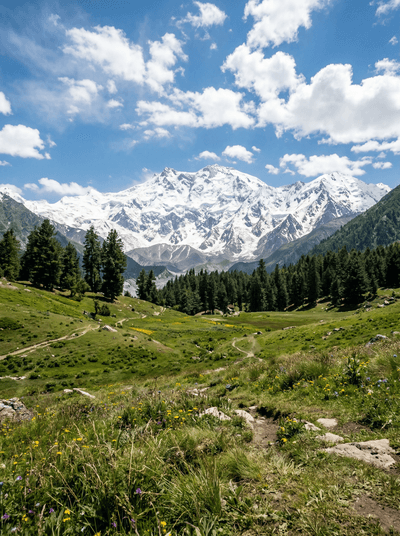
Fairy Meadows
Pakistan
A wildflower carpet at 3,300 metres where Nanga Parbat's killer face fills the entire sky.
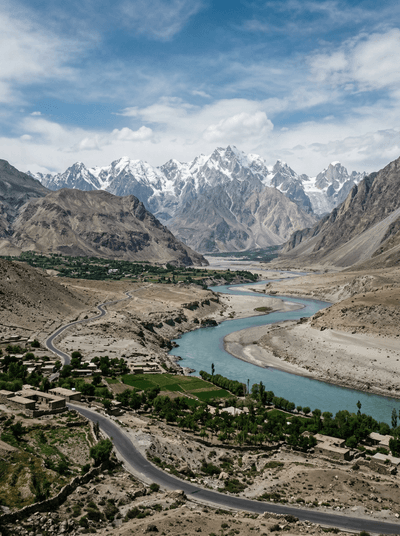
Skardu
Pakistan
Sand dunes and glacial lakes sharing the same valley floor beneath Karakoram granite walls.
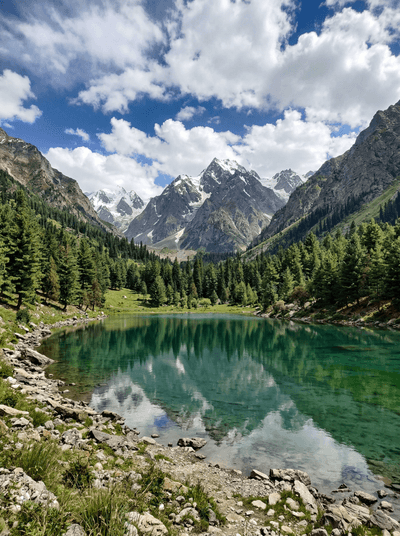
Naltar Valley
Pakistan
Three lakes cycling through turquoise, emerald, and sapphire depending on the angle of light.