Egypt
Dahshur
Two experimental pyramids alone in empty desert — one bent, one red, hardly a visitor.
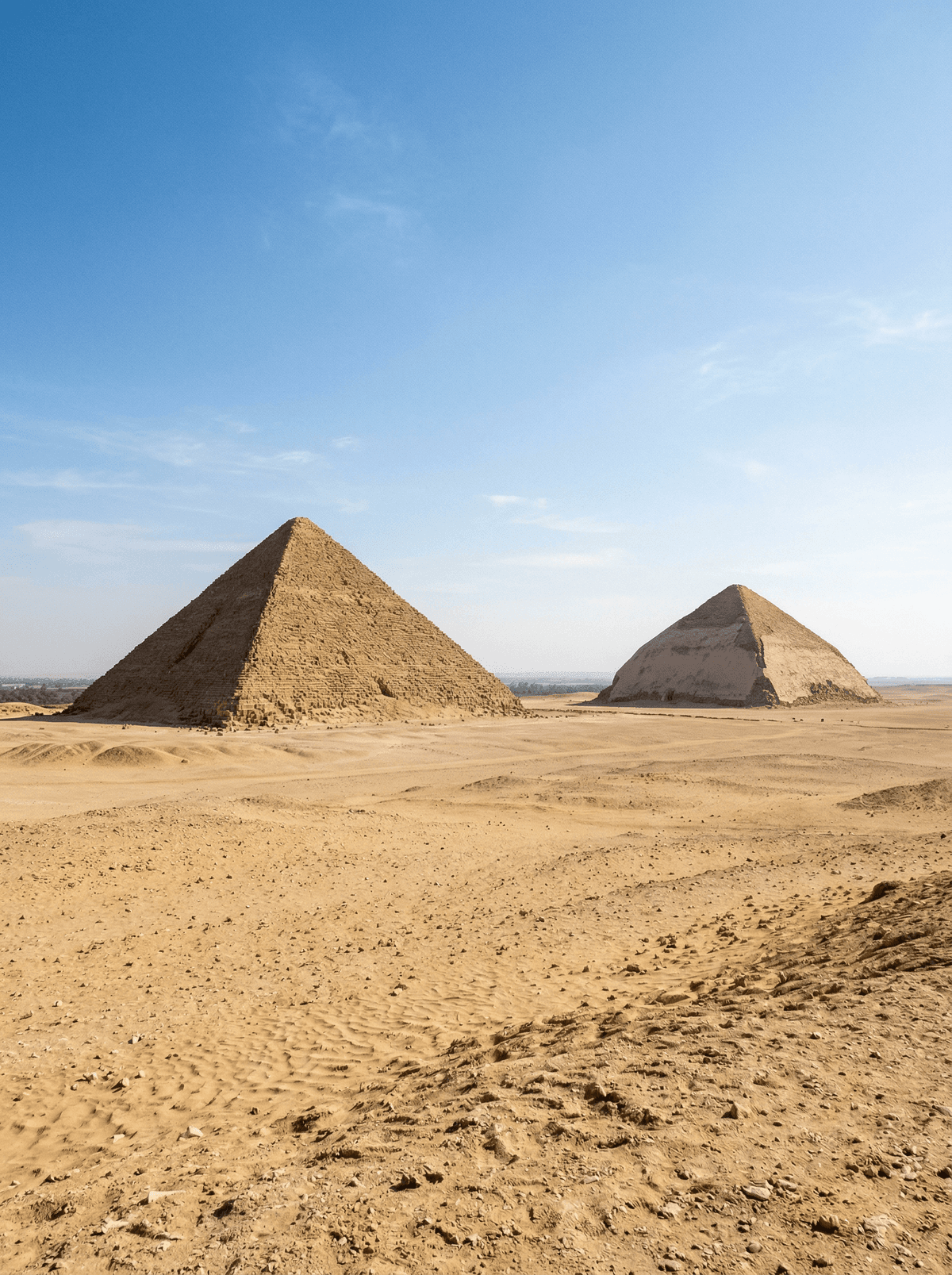
The Bent Pyramid rises from flat desert, its angle shifting visibly halfway up — a four-and-a-half-thousand-year-old engineering correction frozen in stone. A kilometre north, the Red Pyramid glows rust-orange in the afternoon light. Between the two there is nothing but sand, silence, and the absence of other people.
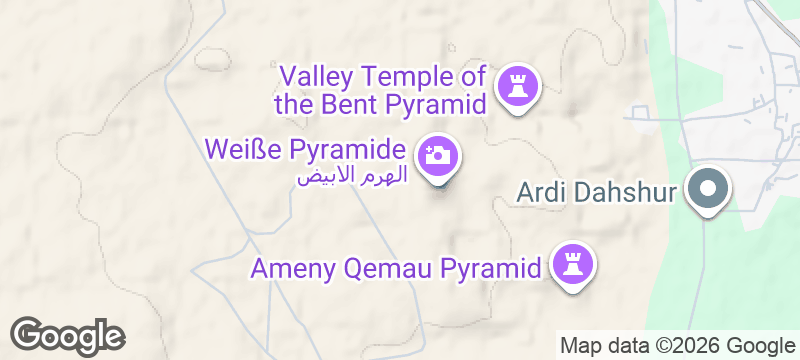
Dahshur holds Egypt's two great experimental pyramids, both built by Sneferu around 2600 BCE on a plateau he chose to rival Djoser's at Saqqara. The Bent Pyramid changed its angle partway up when the original slope proved unstable — trial and error recorded in stone — and the Red Pyramid, built immediately after, corrected it to become Egypt's first true smooth-sided pyramid, the direct ancestor of Giza. One ticket covers the site and both interiors, and the crawl down the Red Pyramid's narrow corridor often ends in a burial chamber you have entirely to yourself.
Couple
Crawl the Red Pyramid's corridor together and surface into desert with the whole site, most days, to yourselves.
- The Bent Pyramid's angle turns from 54 to 43 degrees midway up — the correction is visible from a kilometre away.
- Both pyramid interiors are included in the site ticket, a crawl through narrow tunnels Giza charges separately for.
- Both pyramids belong to Sneferu, father of Khufu — the Great Pyramid was built on what was learned here.
- A military zone until 1996, Dahshur sees a fraction of Giza's visitors despite sitting 35 kilometres down the same desert road.
There is nothing to buy at the site, so the Cairo picnic eaten between two pyramids becomes the lunch you remember.
On the road back, Saqqara's village kitchens grill pigeon and kofta for the drive home.
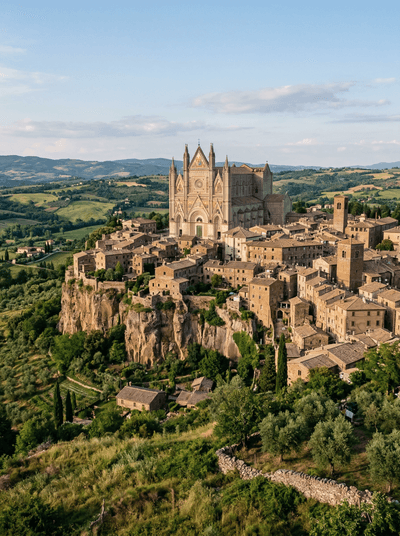
Orvieto
Italy
A city balanced on volcanic tufa, its underground carved into Etruscan tombs and medieval wells.
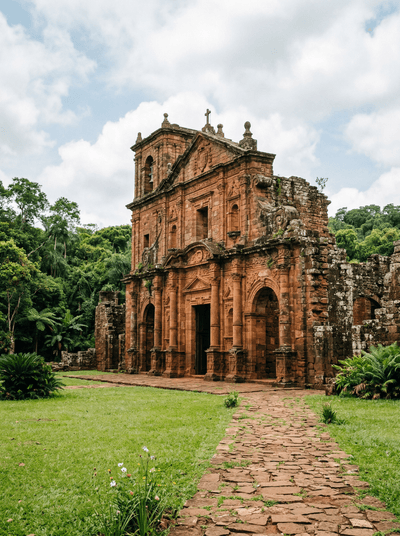
San Ignacio Miní
Argentina
Jungle-wrapped Jesuit ruins where Guaraní played baroque beneath a howler-monkey canopy.
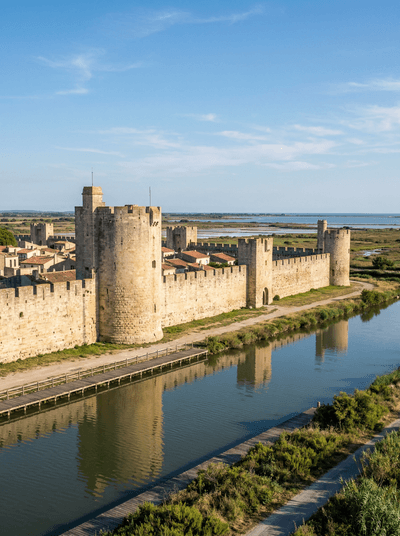
Aigues-Mortes
France
Crusader ramparts stranded on salt flats where the sea withdrew and left a walled port behind.
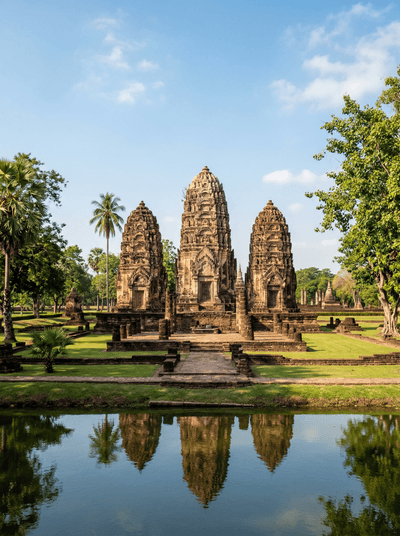
Sukhothai
Thailand
Cycling through lotus ponds and brick stupas where Thailand's first capital crumbles into dust.