Egypt
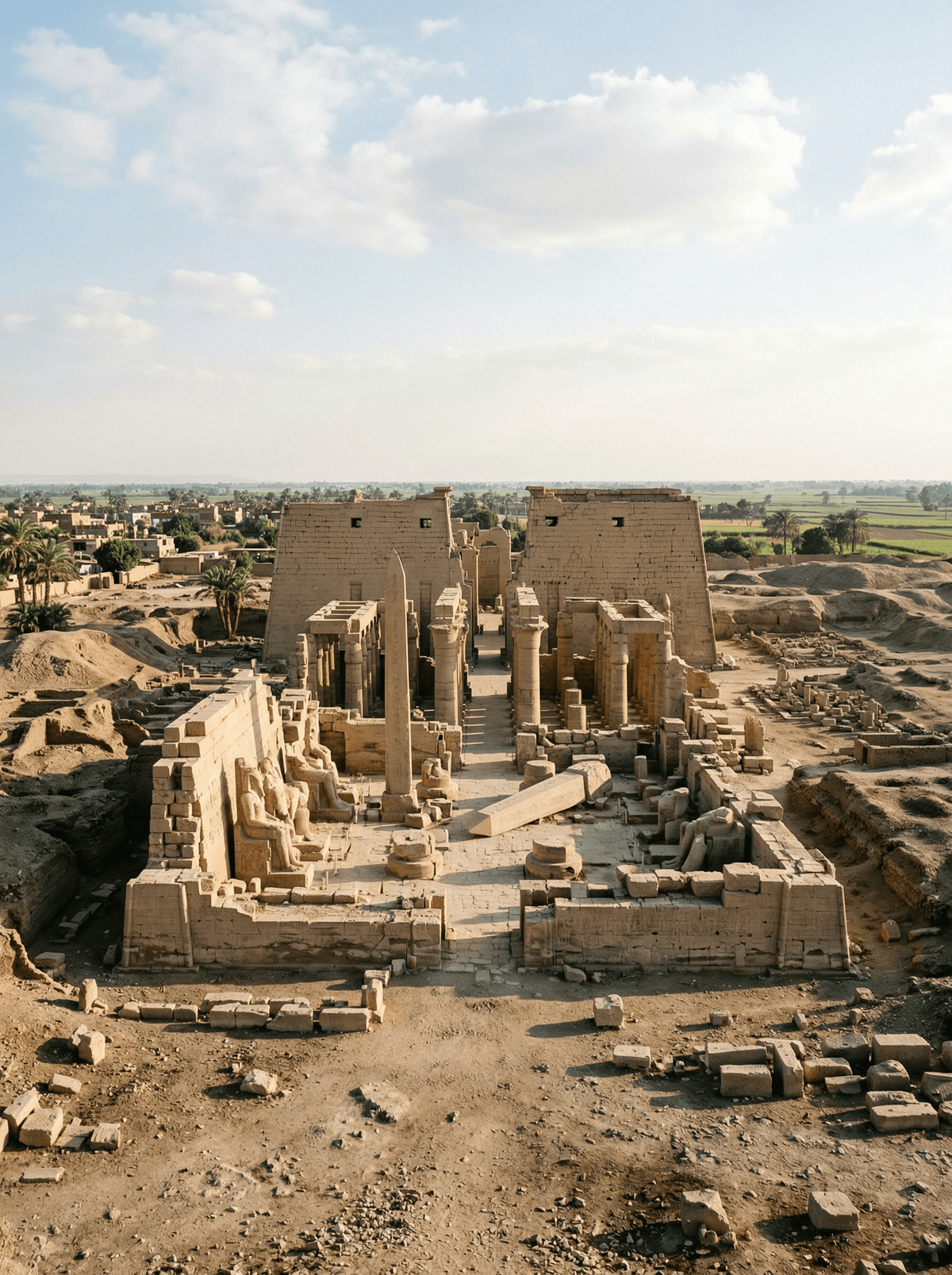
Tanis
A delta capital whose royal gold rivalled Tutankhamun's, and almost nobody has heard of it.
Broken obelisks and colossal granite blocks lie half-buried in delta earth, the remains of a capital that once rivalled Thebes. The air smells of damp soil and irrigation canals. You stand nearly alone in a field where royal tombs yielded gold masks and silver coffins — and nobody queues.
Tanis was Egypt's capital through the Third Intermediate Period, roughly 1070–664 BCE. Pierre Montet opened its royal necropolis in 1939 — the silver coffin of Psusennes I inlaid with gold, a funerary mask set with lapis lazuli and obsidian, treasure whose craftsmanship rivalled the royal tombs at Thebes — and the outbreak of war buried the news. The tombs themselves stay closed and the gold sits in Cairo, but the site keeps its scale: the toppled colossi and obelisks of the Grand Temple of Amun, traceable across the fields of San el-Hagar.
Couple
Wander the toppled colossi together in delta quiet, then finish at the museum in Cairo where Tanis's gold actually lives.
- Psusennes I was buried in silver with a gold mask — a royal trove whose craftsmanship rivalled Tutankhamun's.
- The finds came as the Second World War took hold, and the news drowned in it — the trove never entered the popular imagination.
- You walk the temple precinct's fallen obelisks and colossi with the fields to yourself.
- The tombs stay closed, but the treasure is in Cairo — see the site, then the gold.
Delta village food does the day: ful with sharp white cheese and pickled onions at a roadside table.
Sweet mint tea at the guardian's hut — he may be the only person you meet all day.
Suva
Fiji
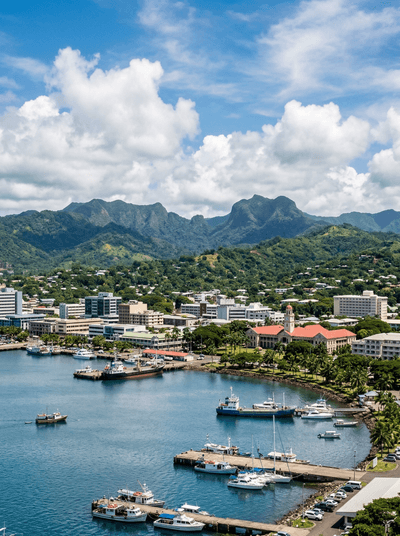
South Pacific hustle where Hindu temples share streets with Fijian markets and colonial verandahs.
Levuka
Fiji
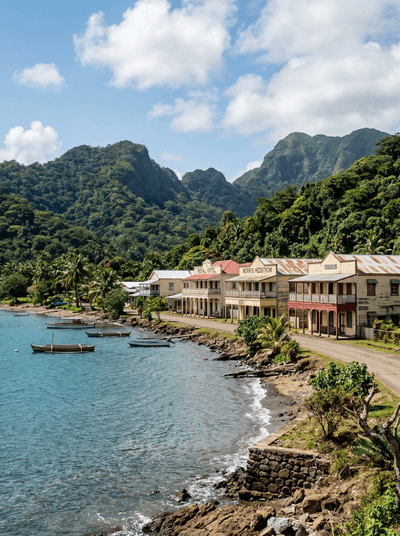
Fiji's first colonial capital frozen in the 1870s, wooden shopfronts sagging under tropical rain.
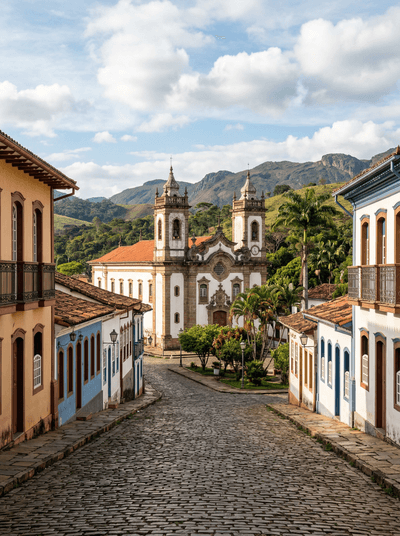
São João del-Rei
Brazil
Baroque towers answering each other across a valley, ringing the sex of whoever has just died.
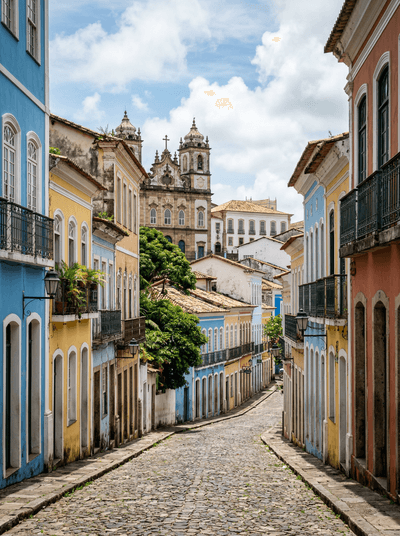
Salvador
Brazil
Drum rhythms ricocheting off colonial walls where song, dance and combat happen at once.
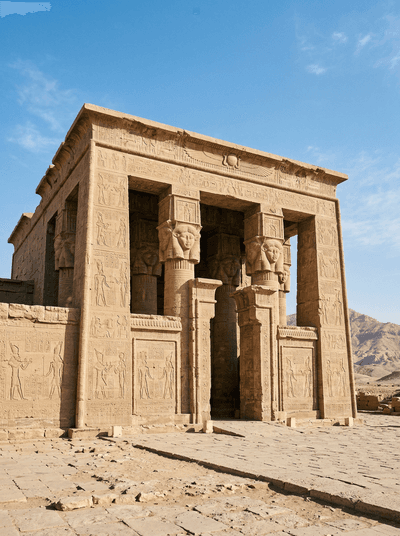
Dendera
Egypt
Two-thousand-year-old paint still vivid on ceilings where the goddess Hathor smiles from every column.
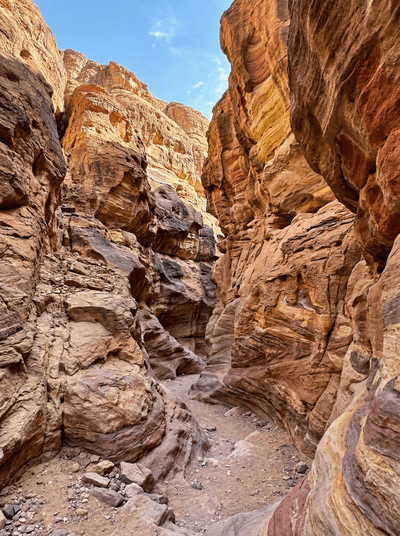
Coloured Canyon
Egypt
Sandstone walls rippling in rust, ochre, and violet, narrow enough to touch both sides.
Rosetta
Egypt
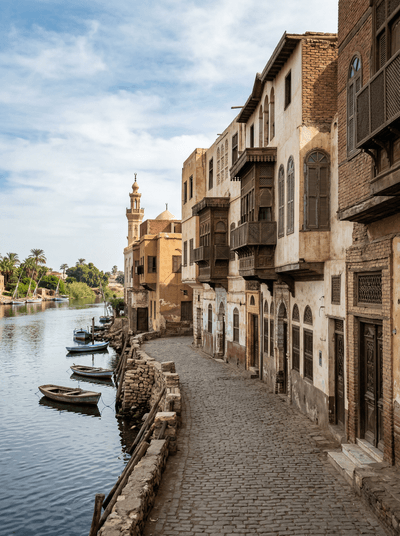
Ottoman mansions with mashrabiya screens leaning over lanes where the key to hieroglyphs was found.
Al-Bagawat
Egypt
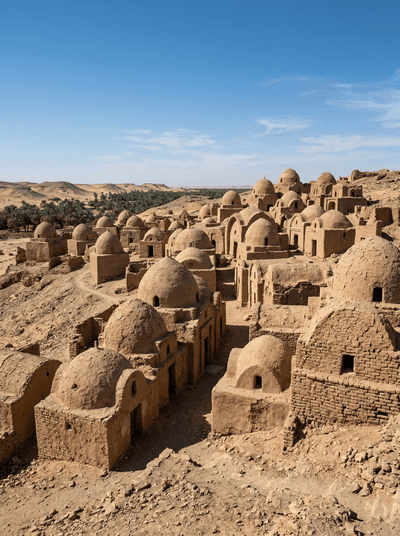
Domed desert chapels with fourth-century biblical murals, among the oldest Christian art on Earth.