Kenya
Thimlich Ohinga
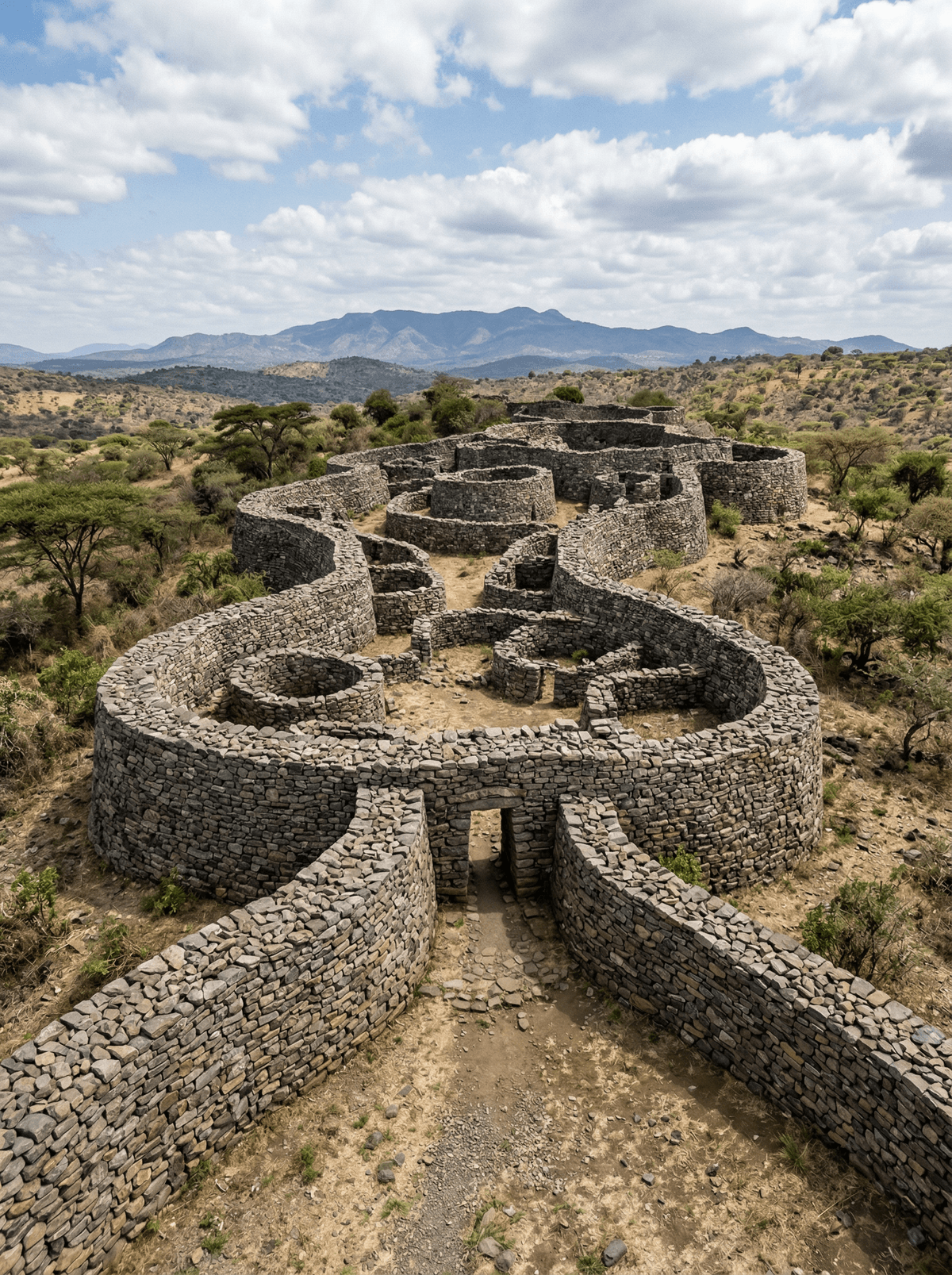
Stone walls built without mortar rise from the grass, encircling a settlement history almost erased.
Dry-stone ramparts rise out of the tall grass of western Kenya — the bones of a settlement history nearly erased. The silence at Thimlich Ohinga is near total — wind through the enclosures, birdsong, your own footsteps on ancient ground.
Thimlich Ohinga is the largest and best-preserved of the Lake Victoria basin's dry-stone enclosure settlements — walls up to metres high and a metre thick, every stone fitted by hand without a drop of mortar, raised from around the sixteenth century and lived in into the twentieth. UNESCO inscribed it in 2018, and Luo oral tradition still names families who held its enclosures; the name itself means something like 'frightening dense forest' in Dholuo, for the vegetation that once hid the walls entirely. It sits near Migori, far off every safari circuit, and the custodian's circuit through gates, cattle pens and house rings runs at whatever pace you set. Touch the walls: the mason's logic still holds after four hundred years.
Solo
A heritage site of deep quiet, far from every circuit — the walls and the birds set the mood.
Couple
Remote, contemplative and heavy with quiet history — a western-Kenya detour that stays with you.
Family
Touching hand-built centuries-old walls makes the past physical for older children in a way no textbook can.
- The largest, best-preserved dry-stone enclosure settlement of the Lake Victoria basin — UNESCO-listed in 2018.
- Walls metres high stand without mortar, each stone hand-fitted centuries ago.
- Luo oral tradition still names the families who held these enclosures into the twentieth century.
- Far from every safari circuit near Migori — a heritage detour that rewards the effort.
Whole tilapia fried crisp, with ugali and sukuma wiki, in Homa Bay after the walls.
Roasted maize and sweet potatoes from Migori's roadside vendors.
Suva
Fiji
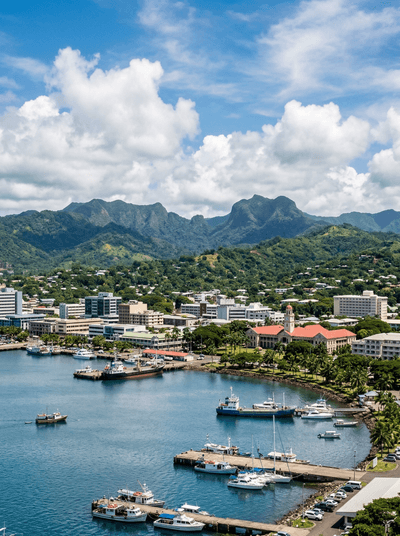
South Pacific hustle where Hindu temples share streets with Fijian markets and colonial verandahs.
Levuka
Fiji
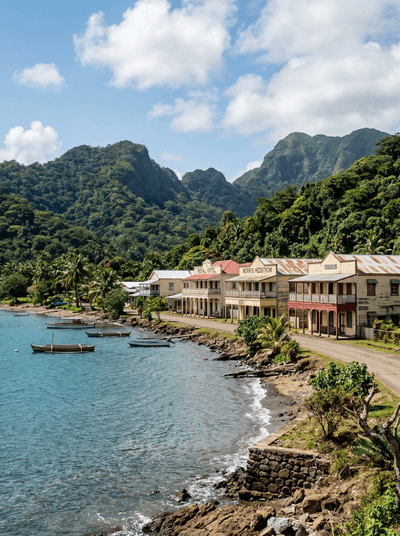
Fiji's first colonial capital frozen in the 1870s, wooden shopfronts sagging under tropical rain.
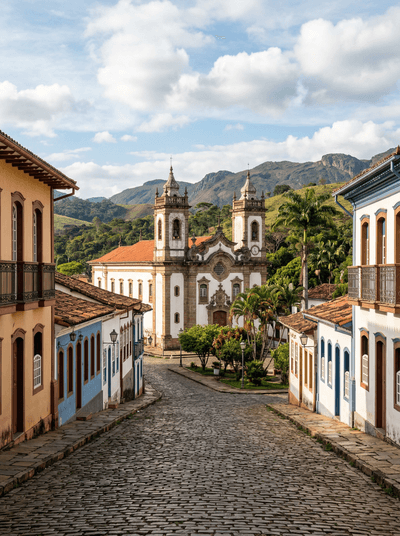
São João del-Rei
Brazil
Baroque towers answering each other across a valley, ringing the sex of whoever has just died.
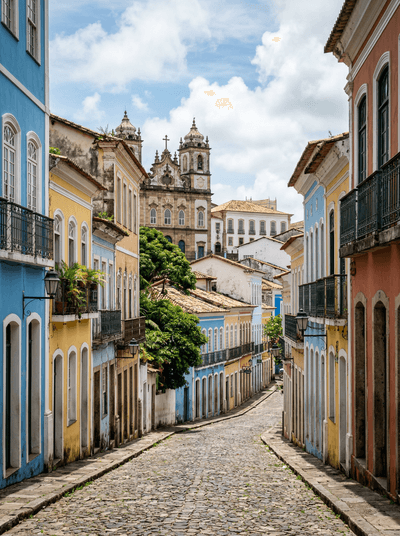
Salvador
Brazil
Drum rhythms ricocheting off colonial walls where song, dance and combat happen at once.
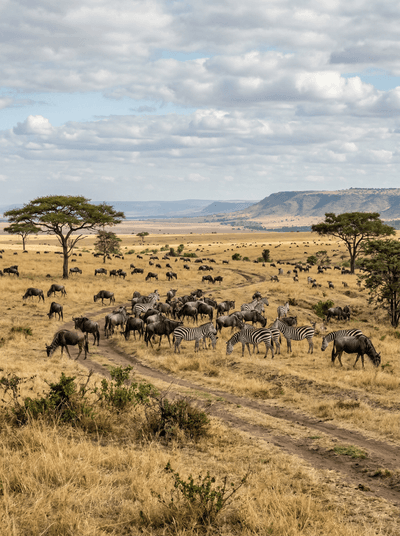
Masai Mara National Reserve
Kenya
Over a million wildebeest thunder across crocodile-thick rivers in Earth's greatest land migration.
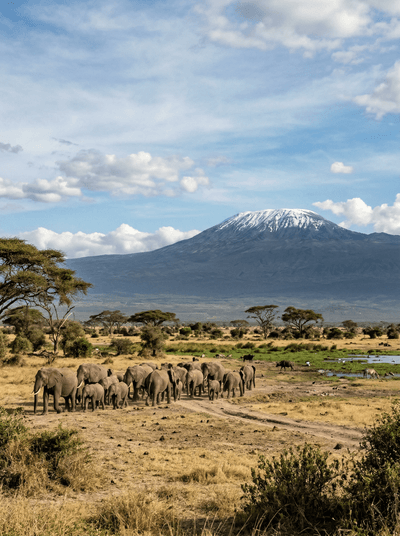
Amboseli National Park
Kenya
Elephants wade through swamp grass with Kilimanjaro's snow-capped peak floating above the haze.
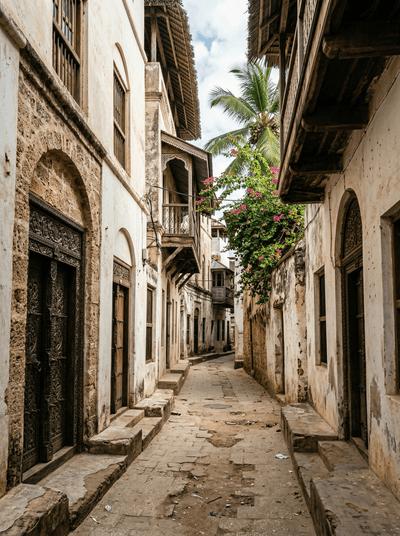
Lamu Old Town
Kenya
Donkeys replace cars on coral-stone lanes where Swahili doors tell centuries of family history.
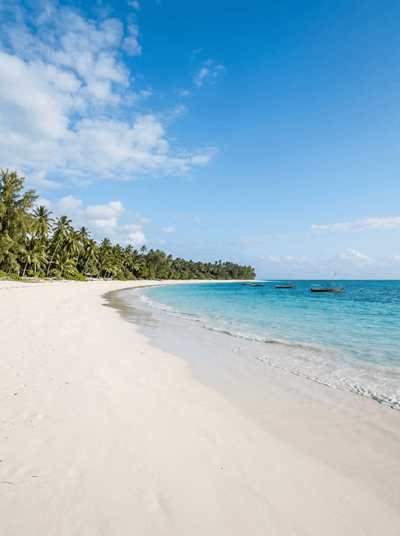
Diani Beach
Kenya
Colobus monkeys leap through the canopy above white sand so fine it squeaks underfoot.