Costa Rica
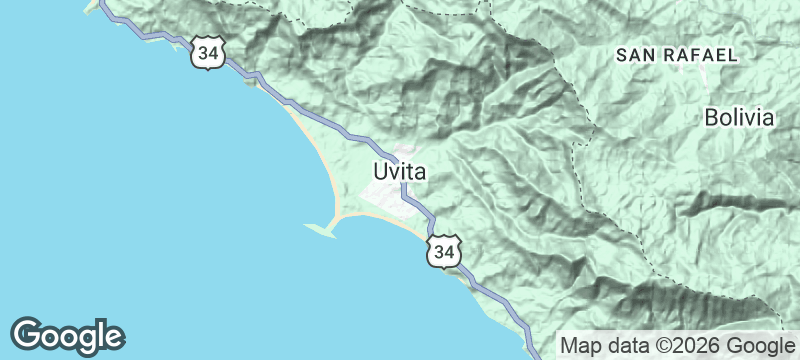
Uvita & Marino Ballena
A sandbar shaped like a whale's tail emerges where real humpbacks come to breed.
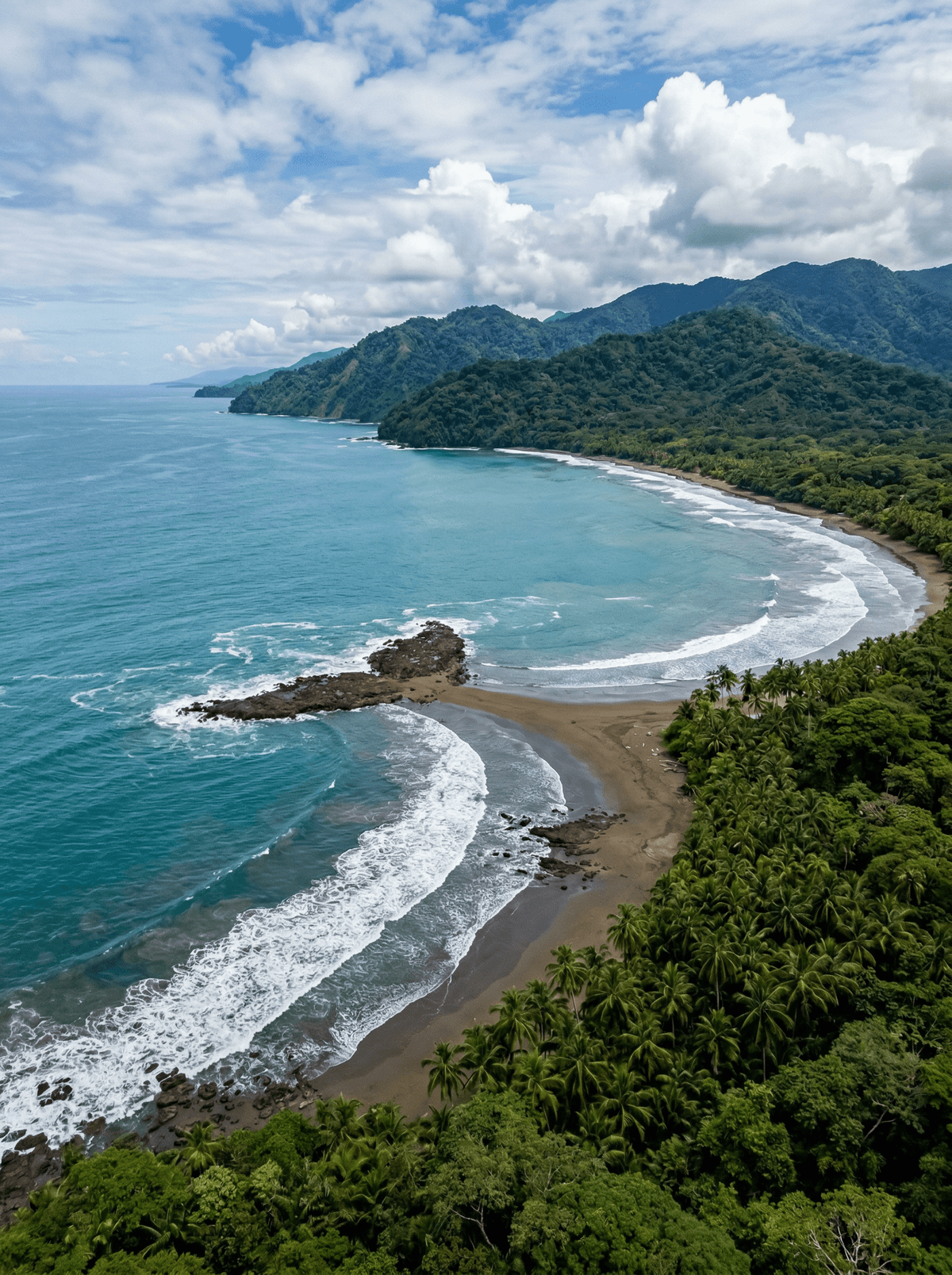
At low water a sandbar extends from the shore in a shape so precise it looks engineered: the outline of a whale's tail, curving symmetrically into the Pacific. From July, real humpbacks arrive with their calves in the warm water beyond it. Uvita is built around a coincidence so perfect it feels designed.
Marino Ballena National Park — ballena is Spanish for whale — protects 5,160 marine hectares that humpbacks use as a breeding ground: from July to November, mothers and calves roll close enough to the boats to astonish. The whale-tail formation at Playa Moses appears only around low tide, a rock-and-sand tombolo you can walk out along before the sea takes it back twice a day. Spotted and bottlenose dolphins, manta rays and hammerheads share the park's water. On land, Uvita stays small and unhurried — farm stands, and local artisans whose work nods to the old banana and palm plantations.
Couple
Walk the whale's tail at low tide, then watch real tails offshore in season — the symbolism writes itself, and the romance lives in the place, not the package.
Family
The tombolo at low water gives children a walk straight out into the sea's middle, and in season the boat trips show them whales born a few bays away.
- Humpbacks breed in the park's waters from July to November — mothers and calves close enough to astonish.
- The whale-tail tombolo at Playa Moses surfaces around low tide and vanishes again twice a day.
- Spotted and bottlenose dolphins, manta rays and hammerhead sharks cruise the 5,160 protected marine hectares.
- The town's identity arrives from the sea. The whales named the park, and the season shapes the year.
South Pacific fish soup — fish and shellfish simmered into a tomato-rich coastal bowl.
The local catch fried whole with patacones, eaten once the tide has taken the whale tail back.
Barra
Scotland
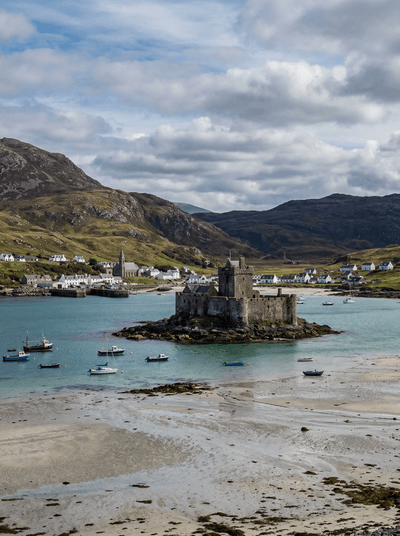
Planes land on a beach here — the tide sets the timetable, not the tower.
Lago di Braies
Italy
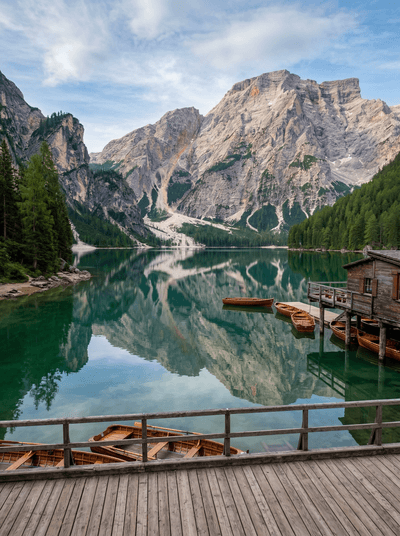
Emerald water so still the Dolomite cliffs reflect in double, wooden boats drifting like toys.
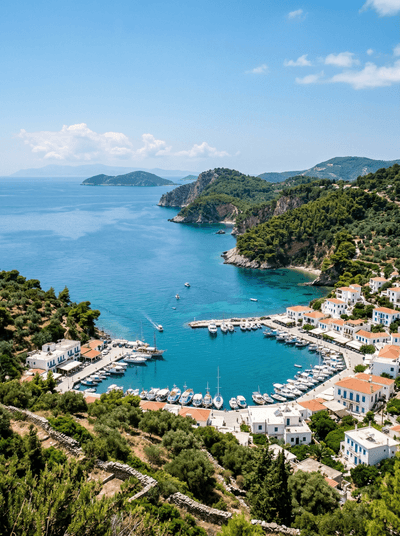
Alonissos
Greece
A vast marine park where monk seals still hold their coves — Greece's wild northern Sporades.
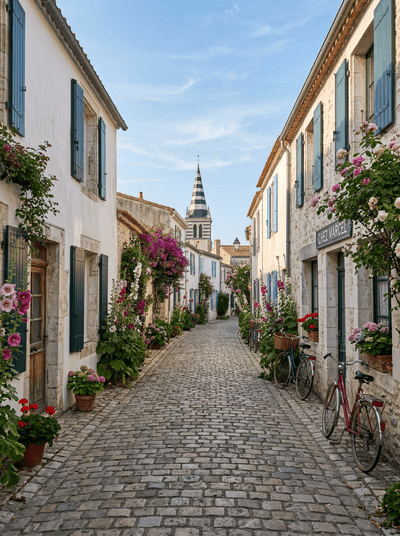
Île de Ré
France
Salt pans and whitewashed villages linked by cycle paths through hollyhock-lined lanes.
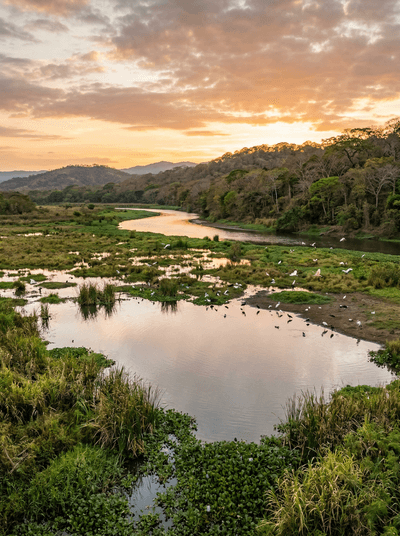
Palo Verde National Park
Costa Rica
Ten thousand hectares of marsh erupt with waterbirds while crocodiles bask below limestone hills.
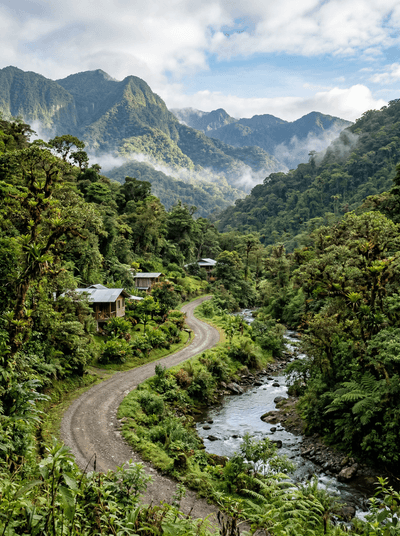
San Gerardo de Dota
Costa Rica
A bird the Maya held sacred flashes emerald through one cold valley's mist.
Caño Negro Wildlife Refuge
Costa Rica
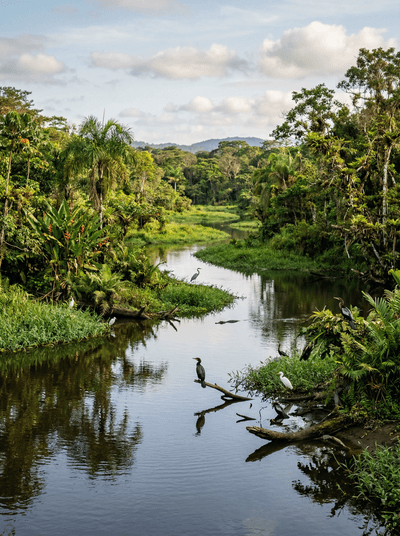
A seasonal lake that appears and vanishes, concentrating caimans and jabiru storks in shrinking lagoons.