Argentina
Yavi
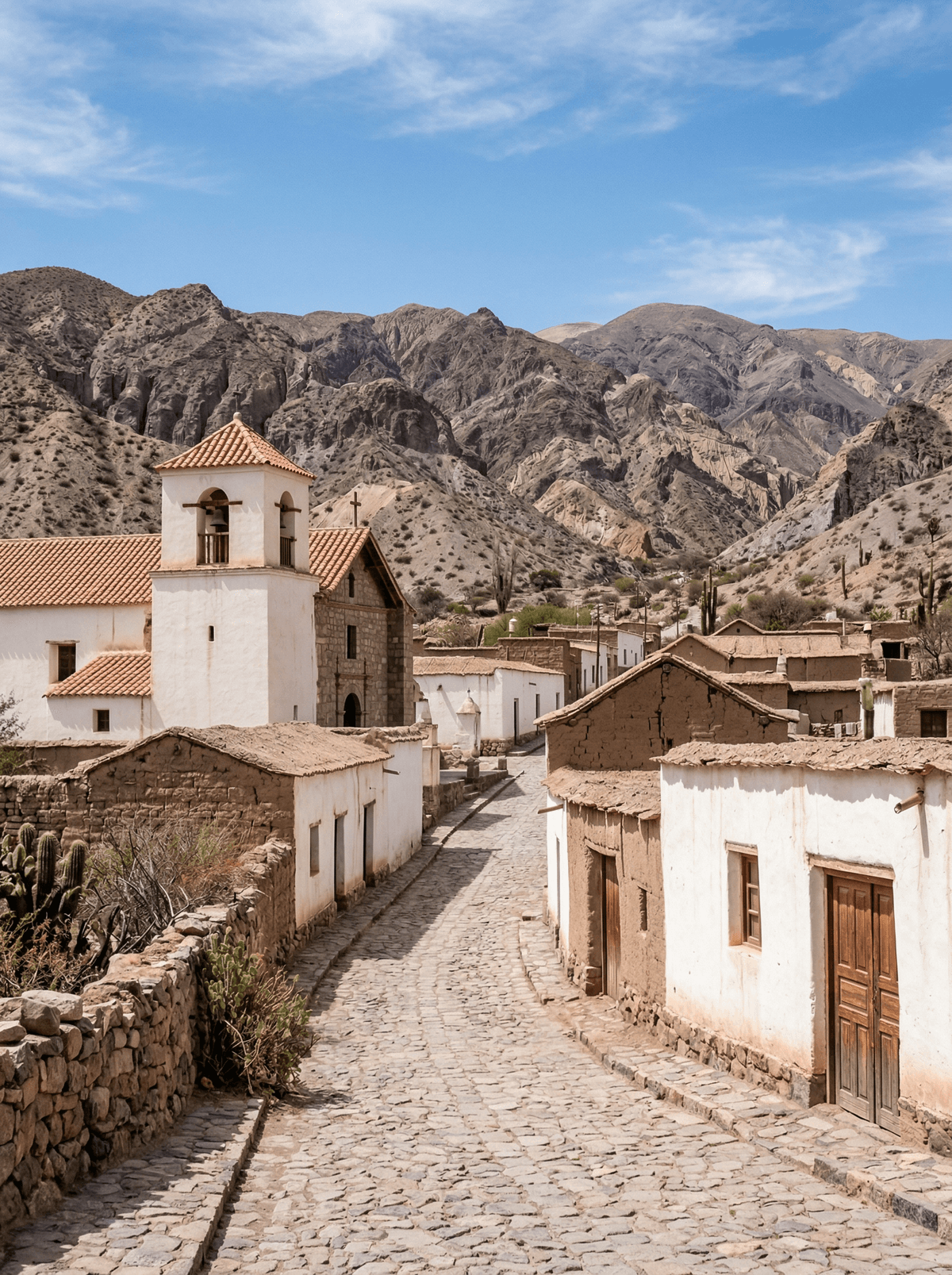
Golden baroque altarpieces glow behind mud-brick walls on the Bolivian border.
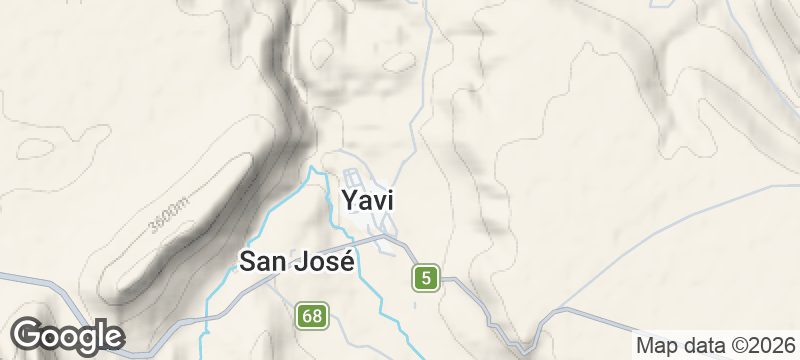
Yavi sits at 3,400 metres near the Bolivian border, and its church — Nuestra Señora del Rosario and San Francisco, completed around 1690 — holds work that belongs in a museum and has stayed in this village for three centuries instead: carved gold-leaf altarpieces threaded with Andean sun and maize imagery, and windows of translucent onyx that turn morning light amber. The village around it counts a few hundred residents and almost no tourism at all.
Yavi served as seat of the Marquesado del Tojo, the vast colonial land grant that ran across the Puna, and the pairing at its plaza tells that story whole: the protected church facing the marquis's former house across the square, now a seven-room museum carrying the colonial and independence-era history of the frontier. The onyx-window installation has almost no equal in the country, the altarpiece ranks among Argentina's finest colonial baroque work, and the puna setting gives the village the architectural stillness of an altiplano settlement without the infrastructure. Openings follow the village's own rhythms — church and museum hours confirmed locally, a walk between adobe walls filling the rest — and La Quiaca's border markets sit a short drive away for the day's second act.
Solo
The church needs no other context — for anyone with an interest in colonial art, the altarpiece alone justifies the drive north, and the village's completeness rewards a night in its simple lodging.
Couple
Paired with La Quiaca, a full day at altitude on the edge of two countries: gilded baroque in the morning, border market after lunch, and the puna sky over both.
- Windows of translucent onyx light the 1690 church in amber instead of glass-white.
- The gilded altarpieces work Andean suns and maize into their baroque design.
- The former marquis's house holds a seven-room museum of the frontier's history.
- The church carries National Historical Monument status among Jujuy's colonial treasures.
Llama charqui and potato stew in a puna comedor, fire crackling against the altitude chill.
Coca tea and simple bread in one of the hamlet's few small eateries.
Suva
Fiji
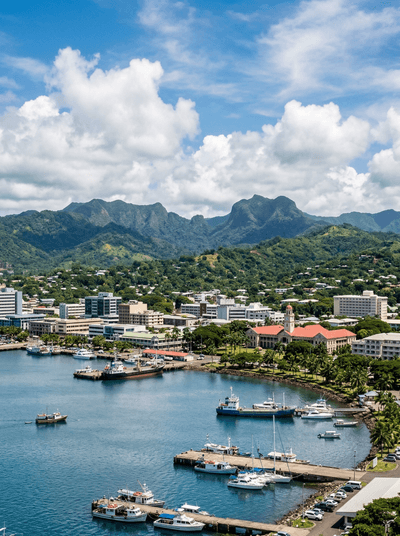
South Pacific hustle where Hindu temples share streets with Fijian markets and colonial verandahs.
Levuka
Fiji
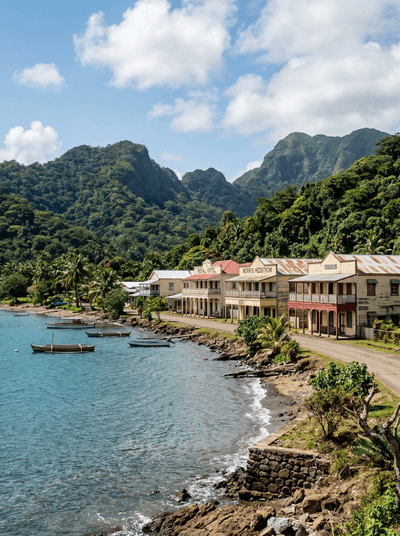
Fiji's first colonial capital frozen in the 1870s, wooden shopfronts sagging under tropical rain.
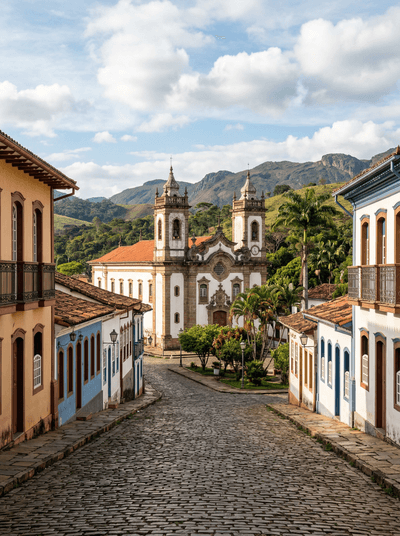
São João del-Rei
Brazil
Baroque towers answering each other across a valley, ringing the sex of whoever has just died.
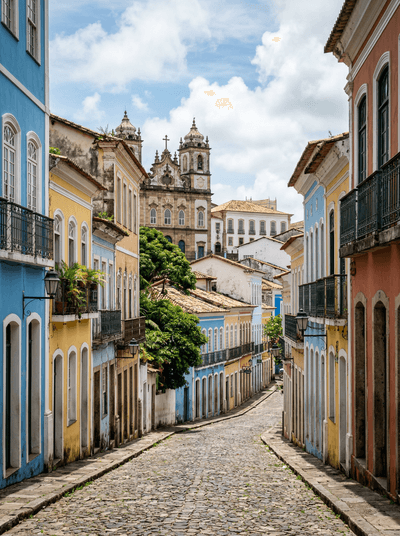
Salvador
Brazil
Drum rhythms ricocheting off colonial walls where song, dance and combat happen at once.
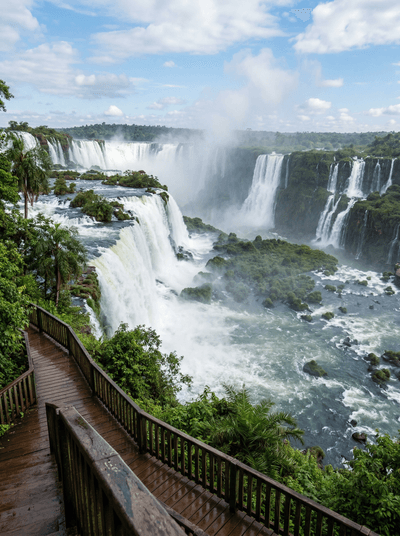
Iguazú Falls
Argentina
A river shatters into hundreds of waterfalls around the thunder of the Devil's Throat.
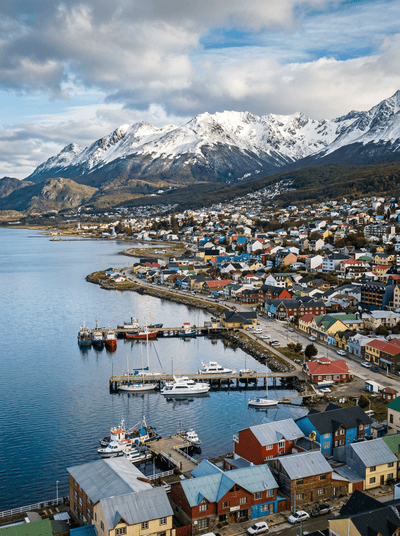
Ushuaia
Argentina
The port where Antarctica begins — beech forest climbing to glaciers at the planet's edge.
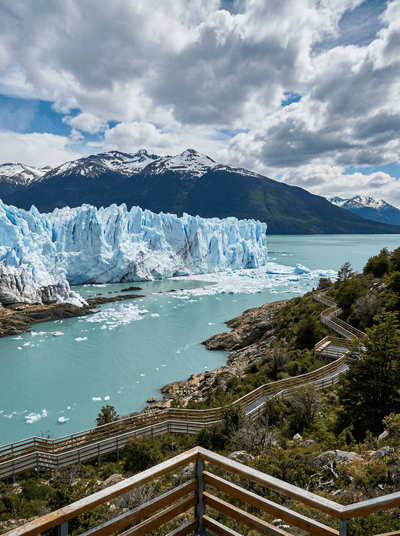
El Calafate
Argentina
A glacier calves office-block towers of ice into turquoise water as you watch.
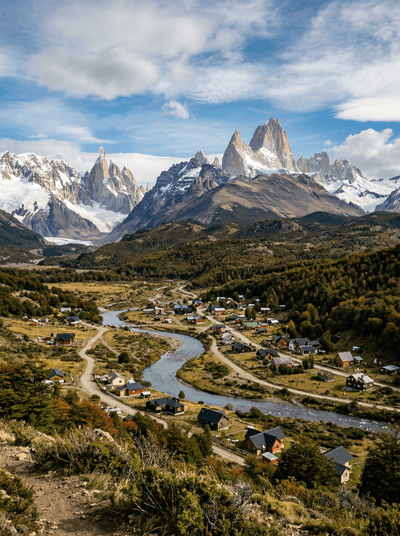
El Chaltén
Argentina
Granite spires pierce Patagonian cloud — condor country of vertical stone and wind.