Brazil
Alcântara
A crumbling colonial city with a rocket launch site visible from its overgrown ruins.
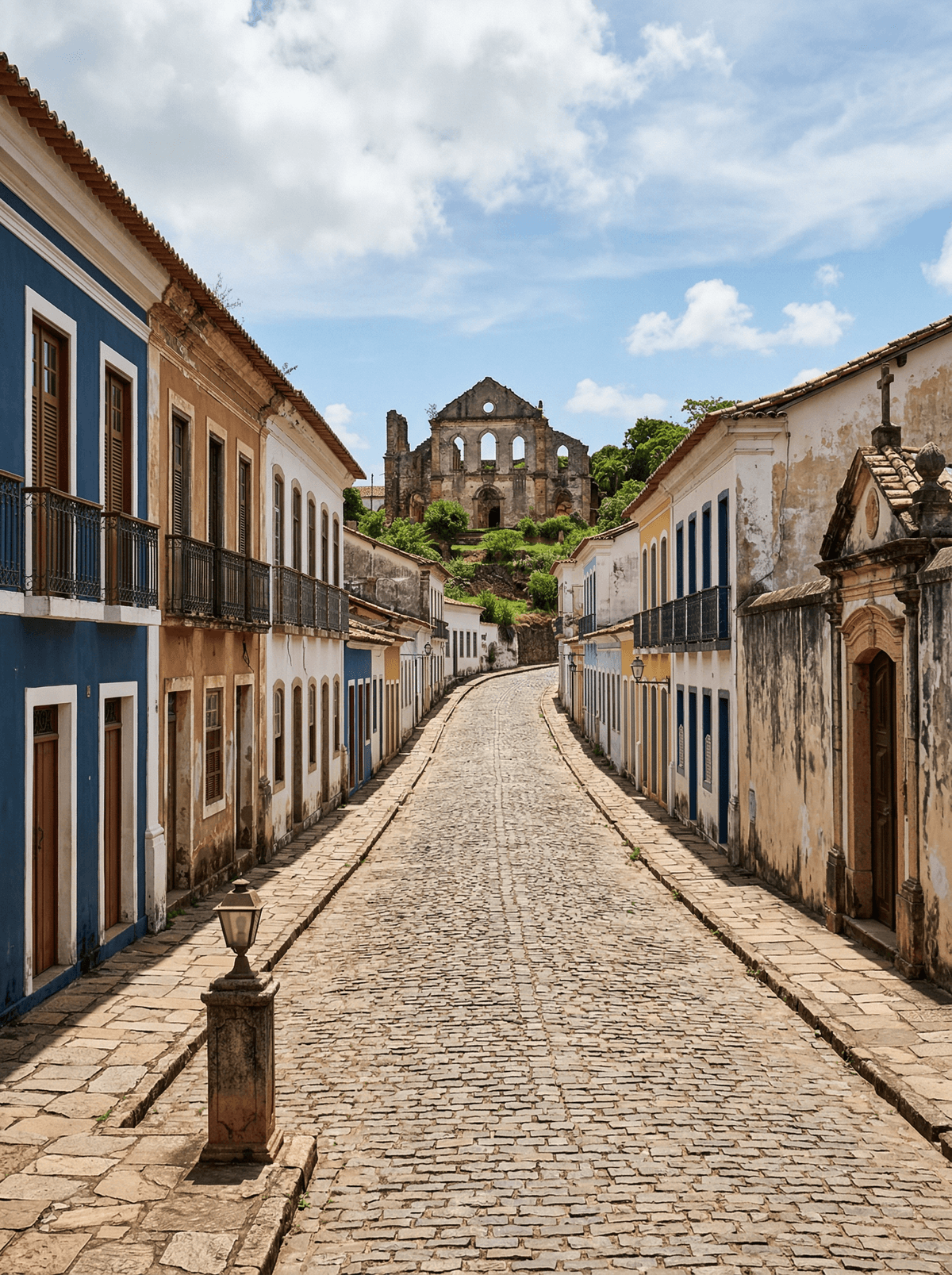
Trees grow through the floors of what were once the grandest mansions in Maranhão. The Praça da Matriz of Alcântara is bordered by roofless shells of seventeenth-century manor houses, their stone walls standing but their interiors given over to fig roots and tropical scrub. And on the horizon, just ten kilometres away, the launch towers of Brazil's satellite programme rise above the mangroves — the gap between the two centuries is visible in a single glance.
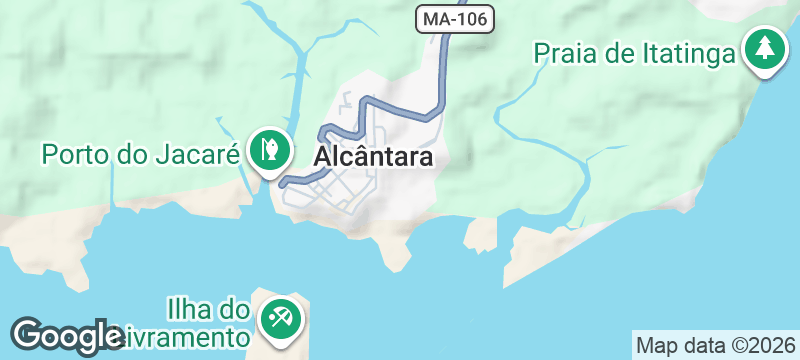
Alcântara is a colonial town on the coast of Maranhão, reached by a forty-minute ferry crossing from São Luís across the Baía de São Marcos. Founded in the seventeenth century as a sugar and cotton hub, it was abandoned by its plantation elite after abolition and has been slowly decaying ever since. The casarões — colonial manor houses — date from the 1700s, making them among the oldest surviving residential structures in the state. The Centro de Lançamento de Alcântara, Brazil's equatorial rocket launch complex, sits on the outskirts — rocket launches periodically illuminate the crumbling facades. The juxtaposition of colonial ruin and space-age technology is unlike anything else in Brazil.
Solo
Alcântara is a place for walking alone through the ruins and feeling the strangeness of the collision between centuries. The ferry crossing, the overgrown streets, and the rocket launch towers reward the kind of traveller who is pulled toward contradiction.
Couple
The ferry approach across the bay provides the most atmospheric first view, and the town's quiet decay has a melancholy beauty. Colonial-house restaurants serve dishes that haven't changed in generations, and there's nowhere to rush.
- Brazil's satellite launch complex sits less than ten kilometres from the colonial ruins — rocket launches illuminate the crumbling facades.
- The Praça da Matriz is bordered by the roofless shells of 17th-century mansions — trees grow through the floors of the former governor's palace.
- Alcântara is reached by a forty-minute ferry from São Luís across the Baía de São Marcos — the approach by water is the best first view.
- The casarões (manor houses) date from the 1700s — the oldest standing residential buildings still above ground in Maranhão.
Simple fish and rice lunches in the crumbling colonial houses converted to family restaurants.
Arroz de cuxá and fried shrimp at the waterfront while waiting for the boat back to São Luís.
Doce de espécie — a colonial-era spiced coconut sweet still made by local families.
Mindelo
Cape Verde
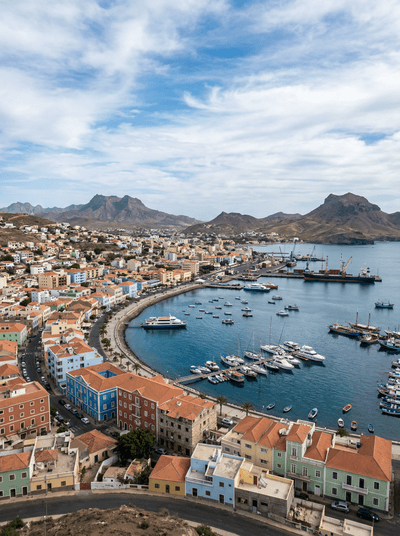
Morna music drifts from dimly lit bars where Cesária Évora once sang barefoot for sailors.
Cidade Velha
Cape Verde
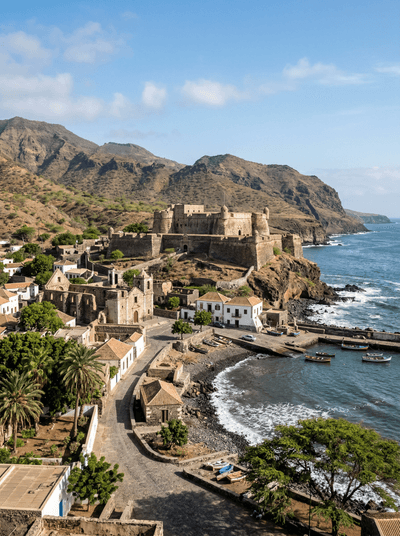
First colonial city in the tropics — a slave pillory still stands in the silent square.
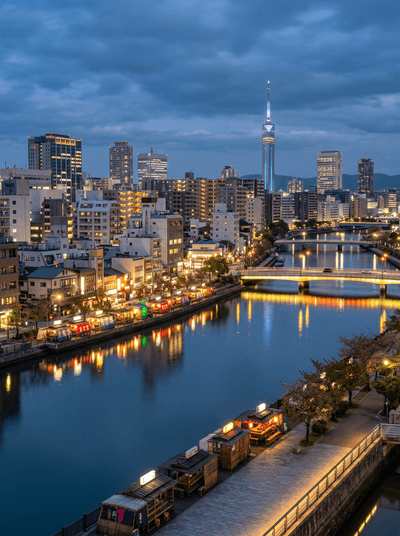
Fukuoka
Japan
Yatai street stalls steaming under canvas where strangers share ramen at midnight.
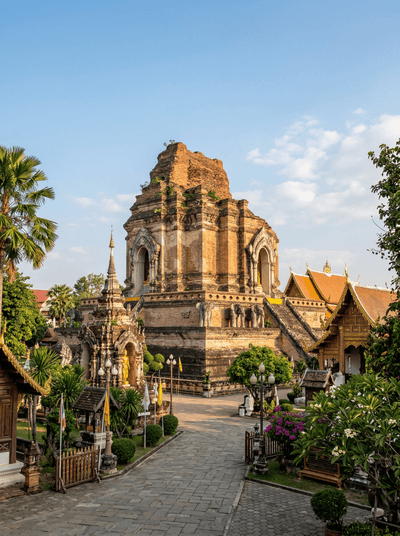
Chiang Mai
Thailand
Monks in saffron robes walking barefoot past tattooed expats and ancient brick chedis at dawn.
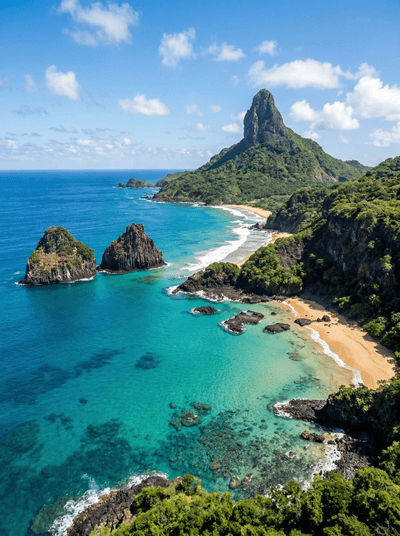
Fernando de Noronha
Brazil
Volcanic spires rising from water so clear the seafloor glows up at you from the clifftop.
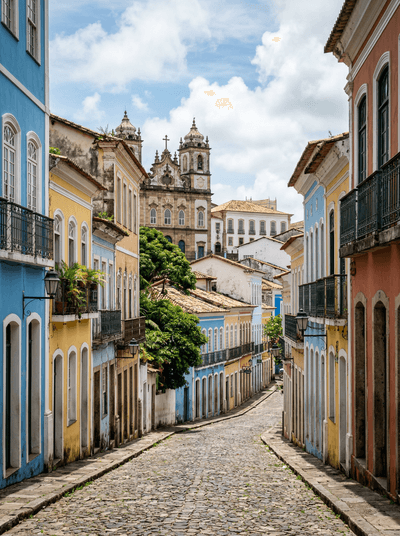
Salvador
Brazil
Drum rhythms ricocheting off pastel colonial walls where capoeira circles form before sundown.
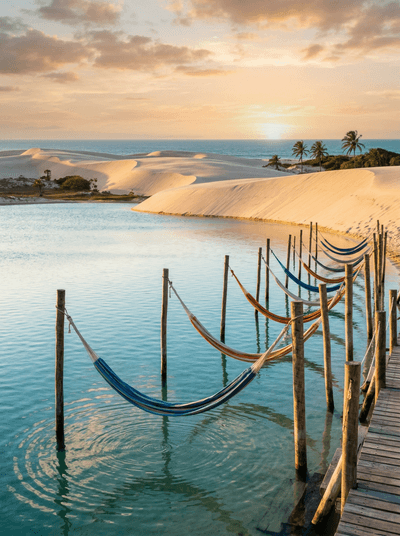
Jericoacoara
Brazil
Windswept dunes where the sun melts into the sea from a natural stone arch.
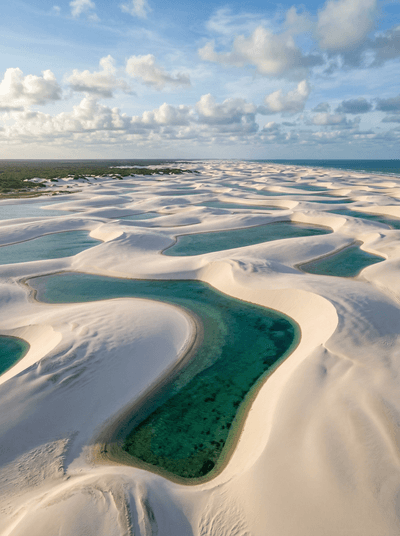
Lençóis Maranhenses
Brazil
Thousands of rain-filled lagoons between white dunes stretching to the horizon like another planet.