Brazil
Bom Jesus da Lapa
A church inside a limestone cave above the São Francisco, where two million come each year.
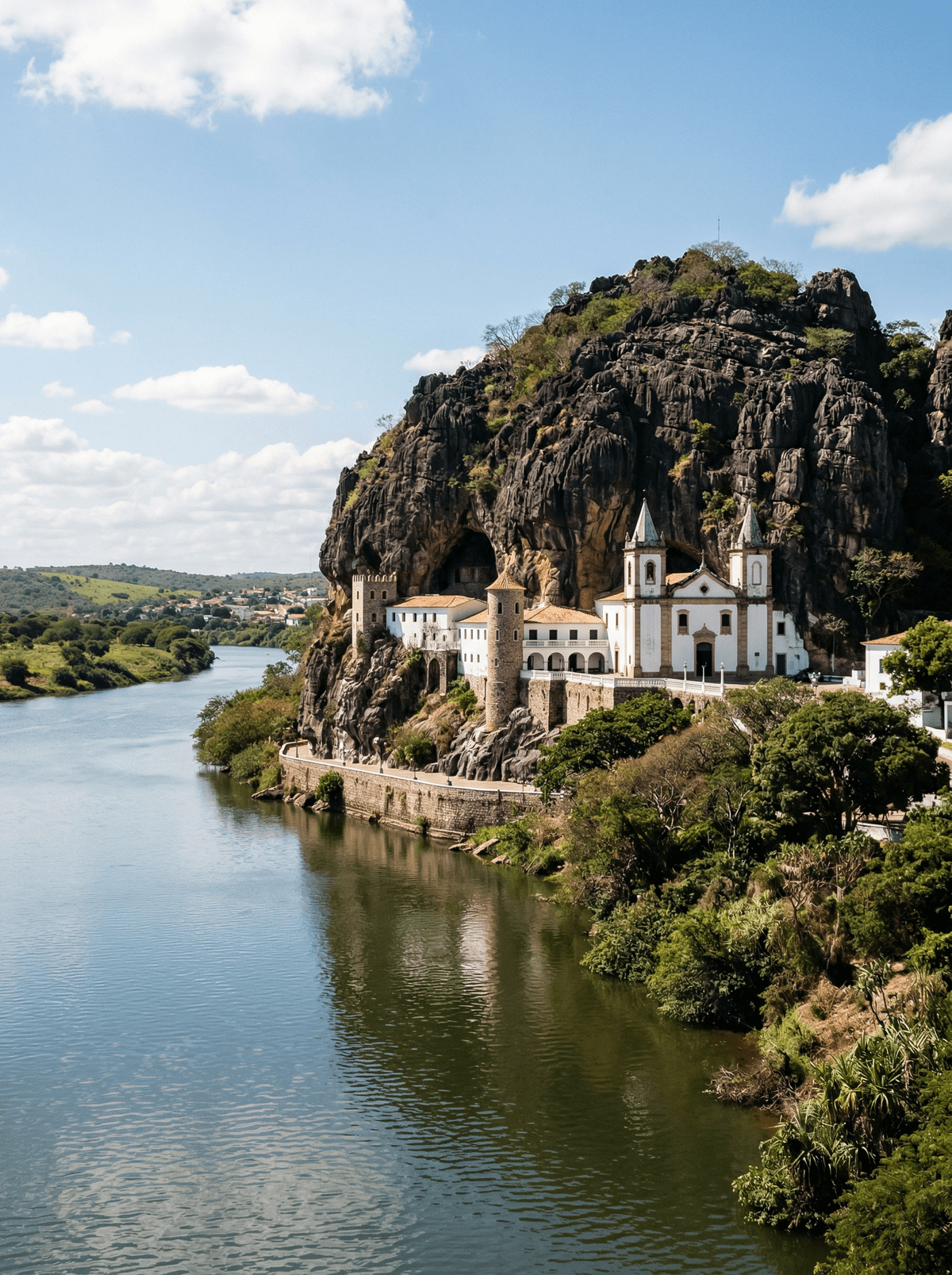
The hill comes up out of the São Francisco valley, and the parish church is inside it. The sanctuary occupies the Gruta do Bom Jesus, and the rock around it holds a dozen more named caves, each with its saint: Soledade, Santa Luzia, São Geraldo, the Sala das Promessas. Three recesses lie inside the main cave itself, called the Cova da Serpente, the Cova do Monge and the Cova da Onça.
Francisco de Mendonça Mar was born in Lisbon in 1657 and worked as a painter and goldsmith. After a spell in prison in Salvador he walked inland, reached this grotto above the São Francisco's right bank around 1691, made an altar to Bom Jesus and to Soledade, and stayed. The Archbishop of Bahia sent for him around 1702 to be trained and ordained, and he took the name Francisco da Soledade; he died in 1722, after sixteen years as a priest. Three hundred and thirty-five years on, the sanctuary keeps four romarias a year: the Romaria da Terra e das Águas in July, the Romaria do Bom Jesus in August, which is the biggest, Nossa Senhora da Soledade in September and Nossa Senhora Aparecida on 12 October. On 6 August 2026 more than 150,000 people were here in a single day and more than half a million passed through across the ten days, with the closing procession walking from the Catedral de Nossa Senhora do Carmo through the streets to the sanctuary esplanade.
Solo
Come inside the season but away from its loudest day and you get the quiet version: the caves are close to empty on an ordinary weekday and a guided ascent is easy to join. Book the slot, because the groups go up twenty at a time with twenty minutes between them.
Couple
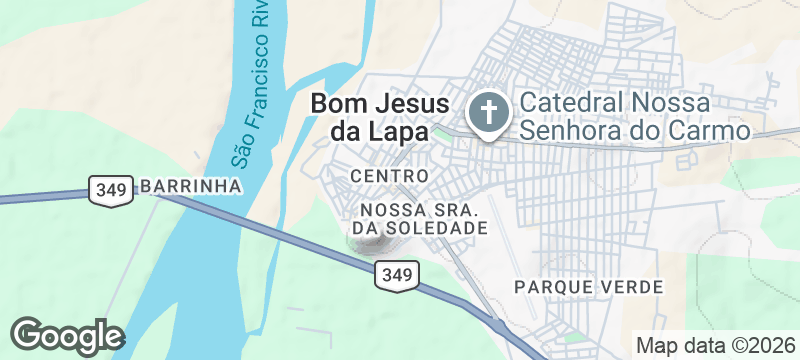
The romaria is the whole thing at full volume, and 6 August is its loudest day. In the evening, cross the Ponte Gercino Coelho to Barrinha for river fish and a boat out onto the São Francisco.
Family
The caves are what holds children here, a warren of them with a saint apiece, and the Sala das Promessas shows what people have left behind. Take the guided climb early in the day, since the hill shuts at five.
- The sanctuary is inside the Gruta do Bom Jesus, the Gruta da Soledade is the largest of the interior caves, and eight more named grottoes sit outside the rock.
- Climbing the morro is done with a guide, twenty people to a group and twenty minutes between groups, on the order of the Bahia State Public Ministry.
- The sanctuary keeps four romarias a year, in July, August, September and on 12 October, and the August one is the largest of them.
- Barrinha, on the left bank at the entrance to the Ponte Gercino Coelho, has eight to ten bars, river swimming and boat outings with local boatmen.
Peixe frito and moqueca de peixe at the Barrinha bars, with the São Francisco running past the tables.
A portion of river fish at the Pôr do Sol as the light goes off the morro across the water.
Suva
Fiji
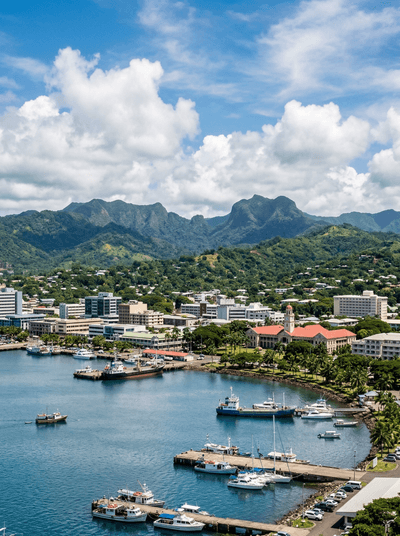
South Pacific hustle where Hindu temples share streets with Fijian markets and colonial verandahs.
Levuka
Fiji
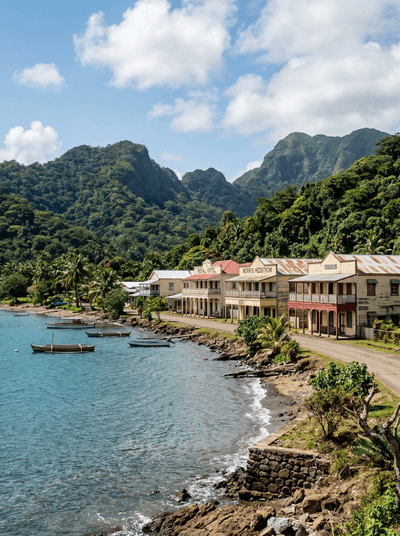
Fiji's first colonial capital frozen in the 1870s, wooden shopfronts sagging under tropical rain.
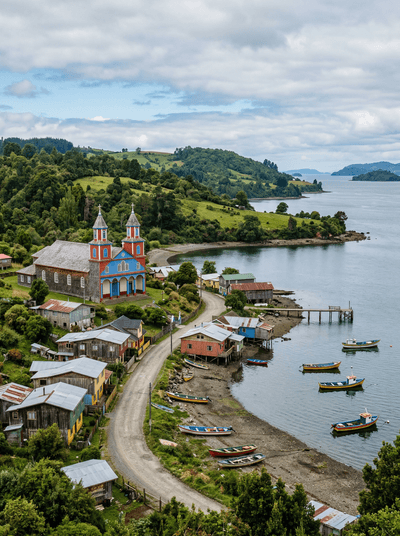
Isla Chiloé (Tenaún)
Chile
Three timber towers rise above a quiet Chilote waterfront.
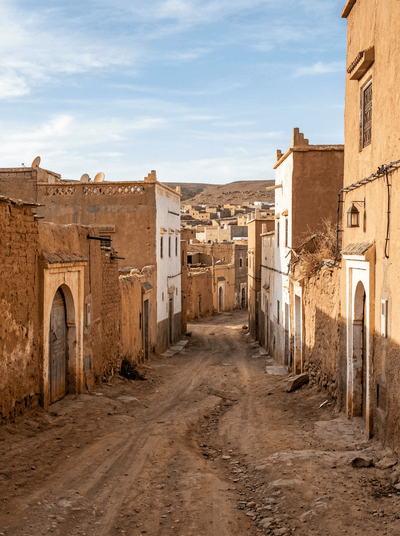
Tan-Tan
Morocco
Tbourida thunders past white tents as Hassaniya poetry gathers more than thirty desert tribes.
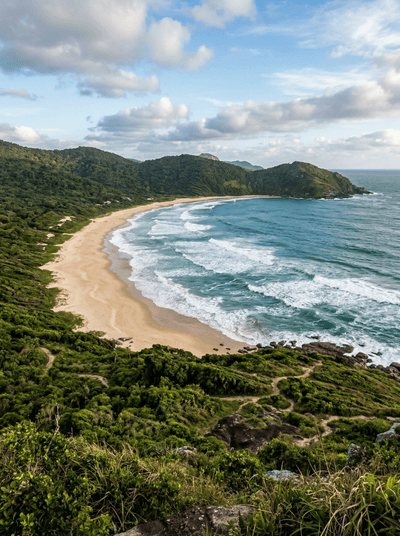
Praia do Rosa
Brazil
Right whales leave Antarctica to calve in this bay, and you watch from the headland.
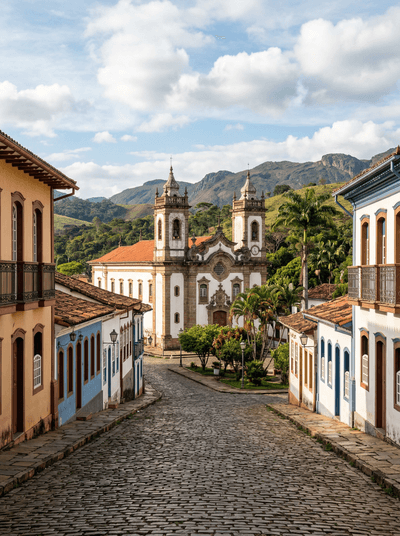
São João del-Rei
Brazil
Baroque towers answering each other across a valley, ringing the sex of whoever has just died.
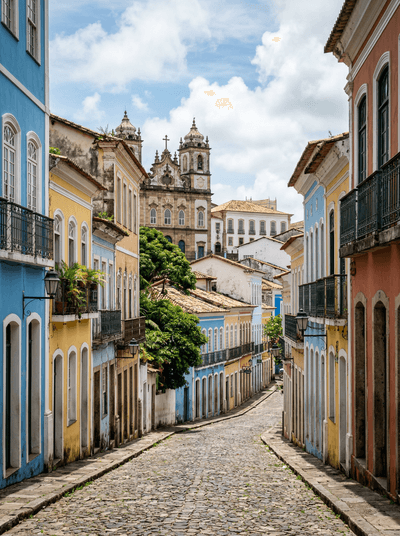
Salvador
Brazil
Drum rhythms ricocheting off colonial walls where song, dance and combat happen at once.
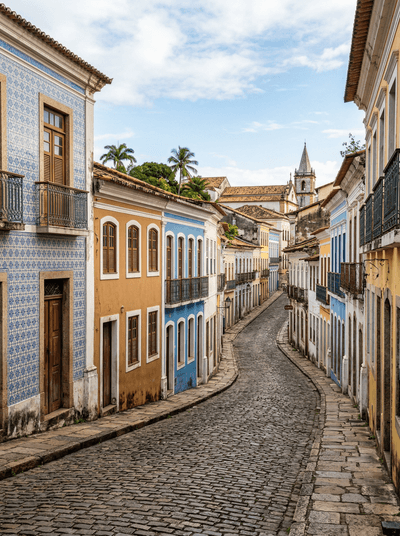
São Luís
Brazil
Hand-painted Portuguese tiles across four thousand colonial houses, cooling the walls against equatorial heat.