Brazil
Bonito
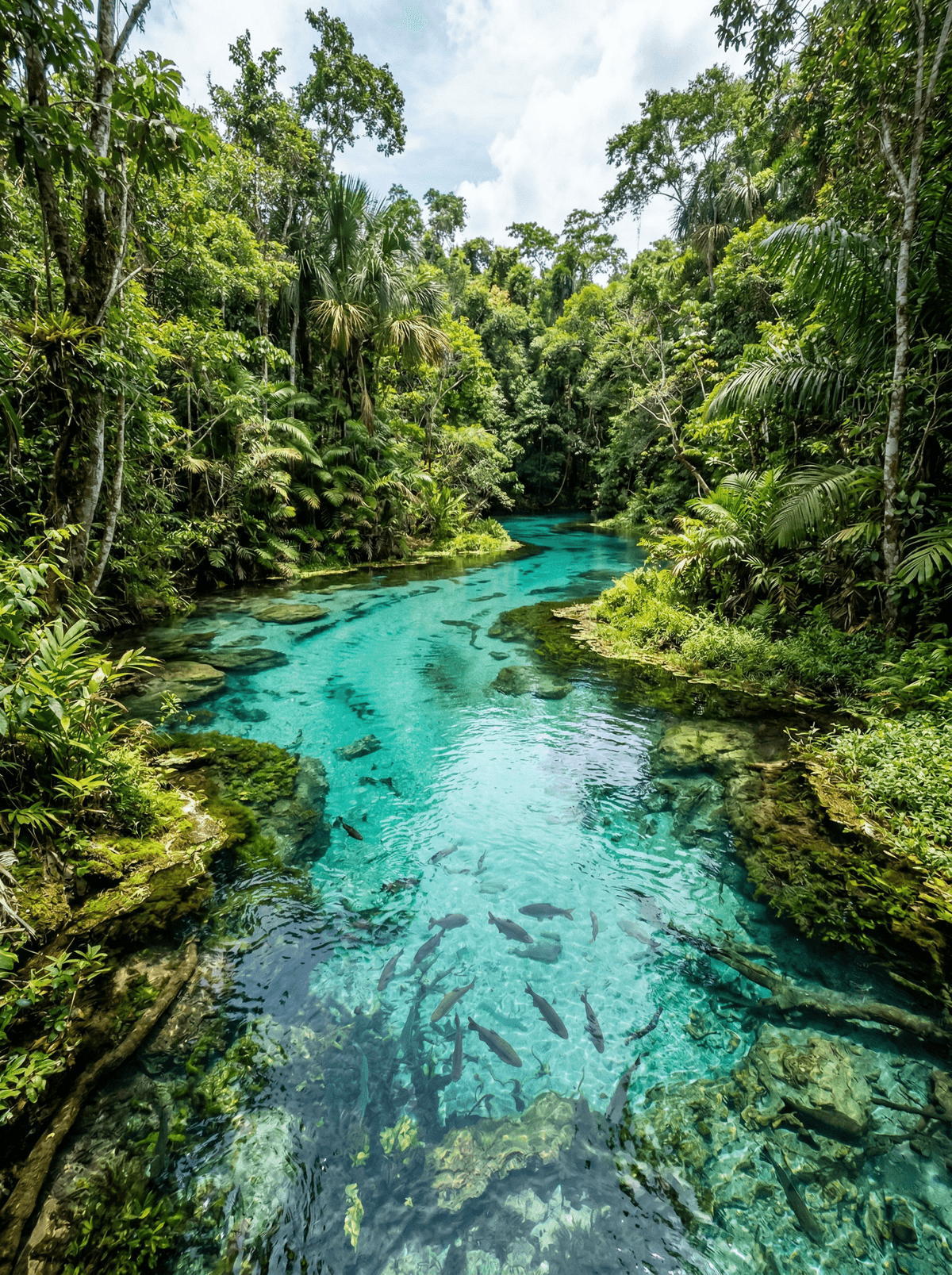
Rivers so transparent the fish cast shadows on the white sand riverbed below you.
You slip into the Rio da Prata and the floor of the world opens underneath you. Shoals of piraputanga hang over white sand, every pebble and fin distinct from several metres up, and the current does all the work while you keep your face in the water. It runs at about twenty degrees, cold enough to wake you and warm enough to drift for an hour.
Bonito is a small Mato Grosso do Sul town, two hours' flying from São Paulo, and much of what people come for actually sits in the neighbouring municipalities of Jardim and Bodoquena, where limestone filters the springs until the rivers turn to glass. The reason they still look like that is a rule the local operators wrote for themselves: since 1995 every excursion has been sold through an agency on a single voucher, which caps entry site by site and comes to about nine thousand places a day across the whole network. There are 36 attractions and 56 activities on it now, running from a level walk to watch birds at the Buraco das Araras to abseiling into the Abismo Anhumas and floating or diving in the lake at the bottom of it. Under the farmland outside town, the Gruta do Lago Azul drops to a lake eighty metres deep in a chamber a hundred and twenty metres wide. Every attraction is visited with a guide, and that is why the rivers hold up.
Couple
Take the first slot of the day at the Aquário Natural, because the voucher system means the site genuinely empties around you rather than filling up. In the evening the chef at the Marruá Hotel does a regional tasting menu built for two or a small group, paired with local beer, which is the closest thing in town to a proper night out.
Family
The flotation is the part that asks nothing of you: you go face-down and the river does the moving, and the neoprene, mask and jacket come with the ticket. Not everything here is built that way, so read the attraction before the voucher is issued. The Buraco do Macaco trail is the walk recommended for children and older visitors, and it takes in the Janela para o Céu on the way.
Friends
Stack the days. Abseil into the Abismo Anhumas and swim in the lake at the bottom, then do the Gruta do Mimoso, where the floating happens inside the cave itself, and end up at Casa do João. There is an electric abseil at Anhumas now if one of you would rather save their arms.
- A single-voucher booking system has controlled how many people enter each site since 1995, and the municipal tourism secretariat puts the whole network at roughly nine thousand places a day.
- Floating face-down with the current among freshwater fish is the trip that made the region's name, in neoprene, mask and life jacket that each attraction hands you at the gate.
- The rivers run clearest from May to September at around twenty degrees, while the summer rain that clouds them is also the season that puts the sun at the angle to light the Gruta do Lago Azul.
- The Gruta do Lago Azul holds an underground lake eighty metres deep in a chamber a hundred and twenty metres wide.
Casa do João serves traíra with the bones taken out, which is the whole difficulty with traíra, alongside pintado from the same rivers you floated down that morning.
Piraputanga, the yellow fish you will have spent the day watching, comes back smoked over angico wood, and the costela de chão is beef ribs given twelve hours over the fire.
Elba
Italy
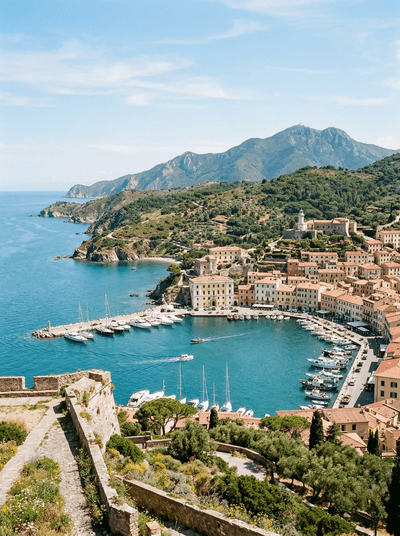
Napoleon's island of exile hides iron-red beaches beneath a granite mountain you ride up standing.
Luleå Archipelago
Sweden
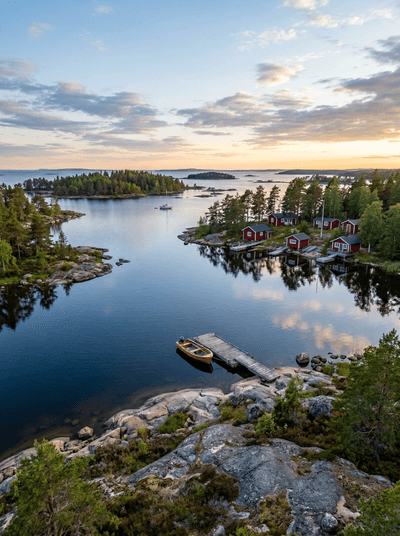
Over a thousand islands in a brackish sea that hard winters turn into a white plain.
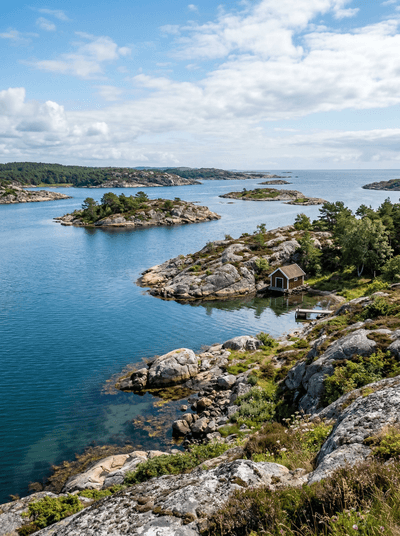
Kosterhavet National Park
Sweden
Sweden's only coral reef hides beneath the surface of its westernmost archipelago.
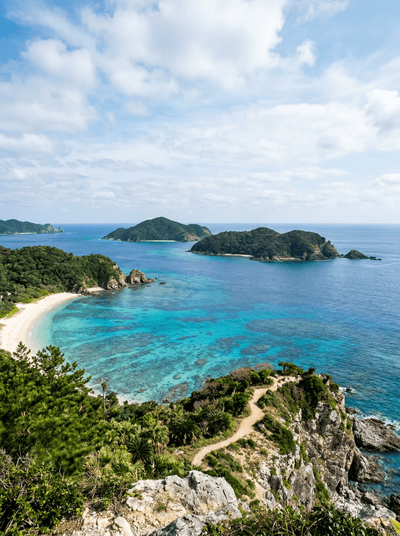
Kerama Islands
Japan
Water so clear the reef casts shadows on white sand far below the boat.
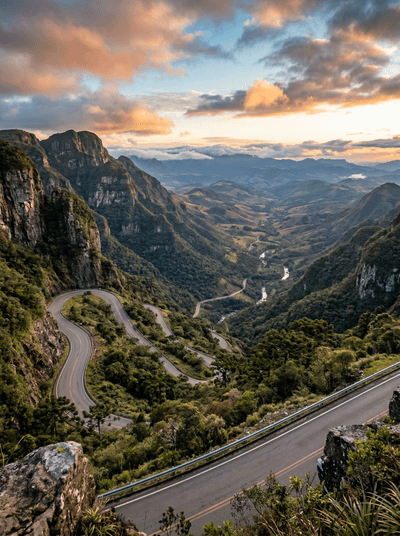
Urubici
Brazil
Frost-coated araucaria forests and canyon rims at the frozen heart of subtropical Brazil.
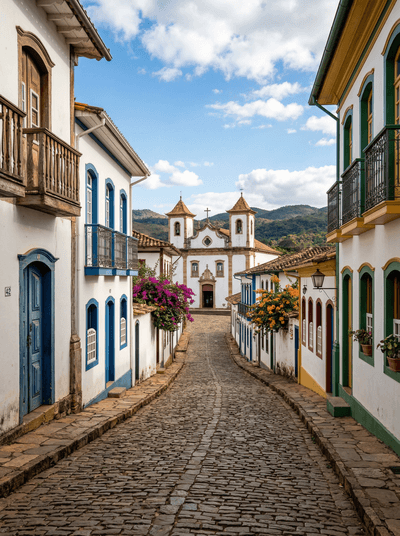
Pirenópolis
Brazil
A colonial gold town erupting in costumed cavalry battles between Moors and Christians every Pentecost.
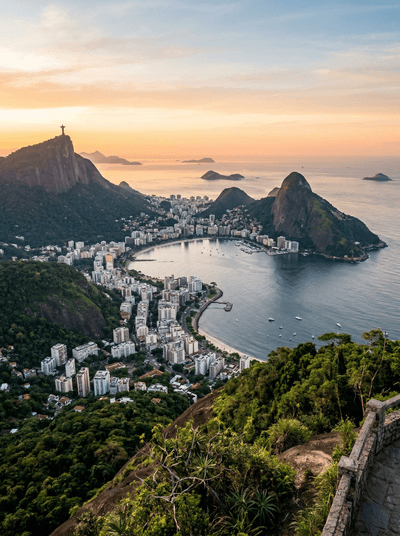
Rio de Janeiro
Brazil
Granite peaks erupting from tropical forest between lagoon and ocean, a landscape no city should have.
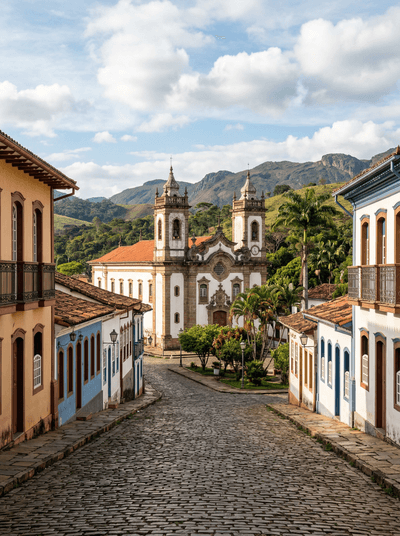
São João del-Rei
Brazil
Baroque towers answering each other across a valley, ringing the sex of whoever has just died.