Brazil
Cavalcante
Three centuries of hidden quilombo life beside cerrado waterfalls stained turquoise by the rock.
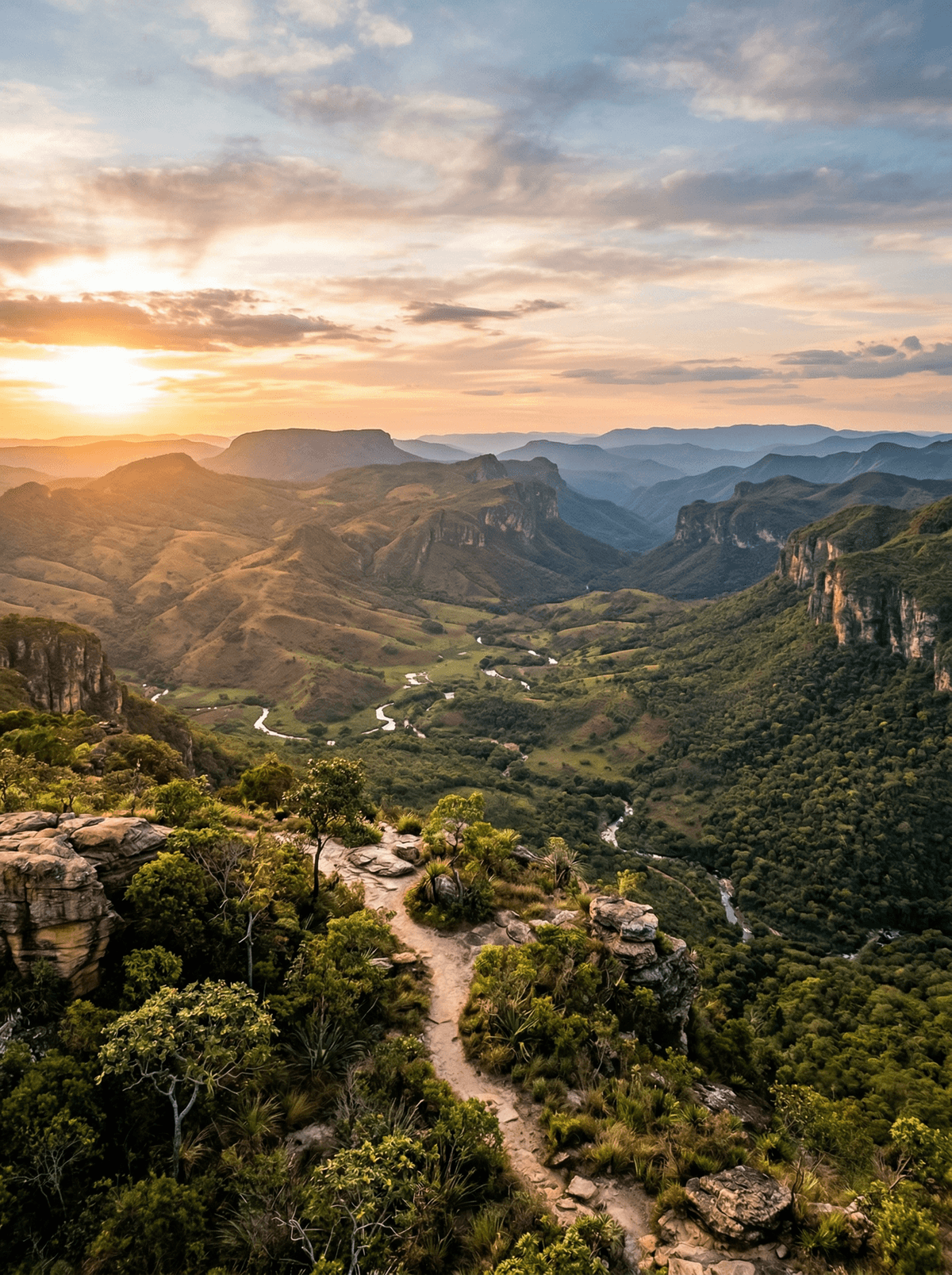
The track turns to red dirt, the cerrado closes in, and then the turquoise pool appears — Cachoeira Santa Bárbara, its water coloured by dissolved minerals against white quartzite. Upstream, the Kalunga community watches the landscape the way their ancestors have for three centuries, quietly, from the inside.
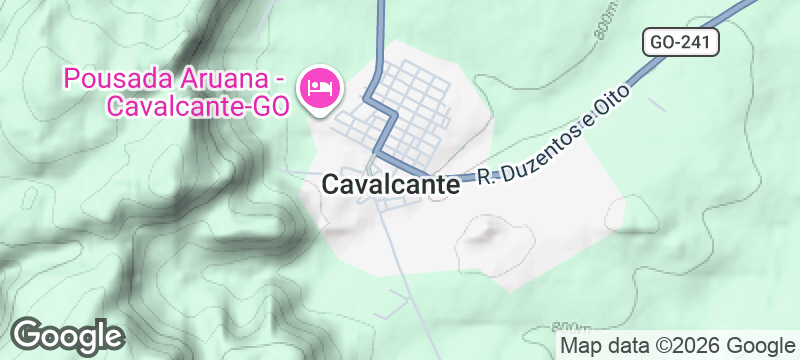
Cavalcante is a small town in northern Goiás that serves as the gateway to one of Brazil's largest and oldest quilombo communities — the Kalunga, descendants of Africans who escaped gold-mine slavery in the 18th century and built self-sustaining settlements in the cerrado. Today, the Kalunga communities of Engenho II, Vão de Almas, and Vão do Moleque maintain traditions in farming, food, and celebration that predate Brazil's abolition by a century. Cachoeira Santa Bárbara, managed by the Kalunga themselves, has become one of the cerrado's most photographed waterfalls — but access requires their guides, their roads, and their terms. Cavalcante sits at the northern edge of Chapada dos Veadeiros, offering an alternative entry point to the region's cerrado wilderness.
Solo
Cavalcante offers cultural depth that rewards curiosity. Engaging with Kalunga guides, eating community-cooked meals, and walking rough tracks to hidden waterfalls is solo travel at its most purposeful.
Couple
The combination of turquoise waterfalls, cerrado sunsets, and community-led cultural encounters creates a journey that feels meaningful rather than merely scenic.
- The Kalunga territory, the largest quilombo in Brazil, covers two hundred and sixty thousand hectares — the community has lived there continuously since the 17th century.
- Kalunga festivals in August and October are celebrated with traditional music and dancing inside the protected territory.
- The turquoise colour of the waterfalls comes from quartz crystals in the riverbed — the water runs through quartzite channels that filter and refract the light.
- Local guides from the Kalunga community lead all visits inside the territory — the income stays within the quilombo.
Kalunga community meals of arroz com pequi, feijão, and free-range chicken raised in the cerrado.
Baru nut brittle and cerrado fruit jams sold by Kalunga women at the Cachoeira Santa Bárbara trailhead.
Simple comida caseira at Cavalcante's town-square restaurants before the rough road to the communities.
Mindelo
Cape Verde
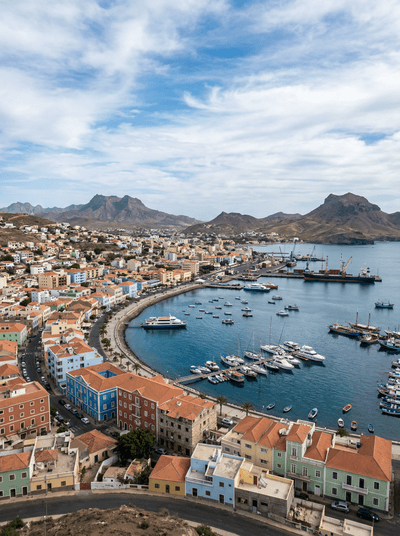
Morna music drifts from dimly lit bars where Cesária Évora once sang barefoot for sailors.
Cidade Velha
Cape Verde
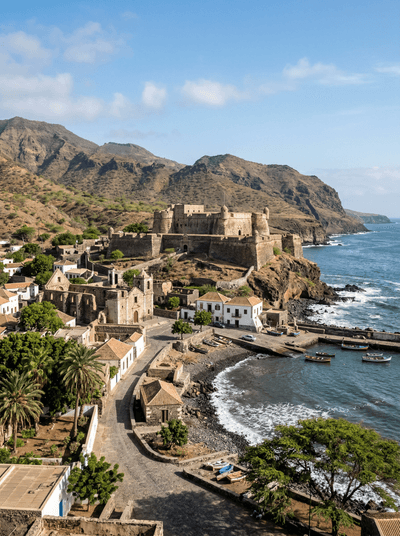
First colonial city in the tropics — a slave pillory still stands in the silent square.
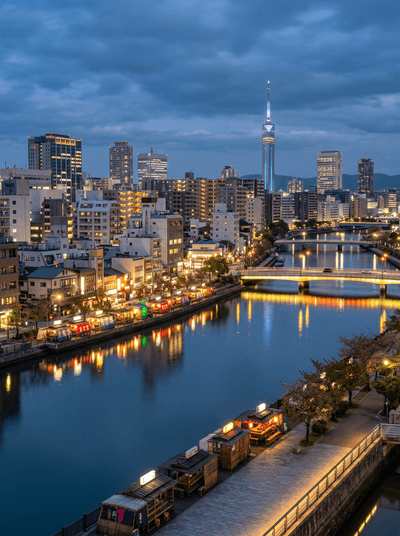
Fukuoka
Japan
Yatai street stalls steaming under canvas where strangers share ramen at midnight.
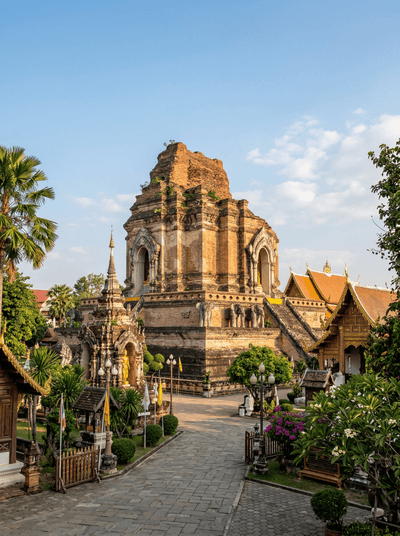
Chiang Mai
Thailand
Monks in saffron robes walking barefoot past tattooed expats and ancient brick chedis at dawn.
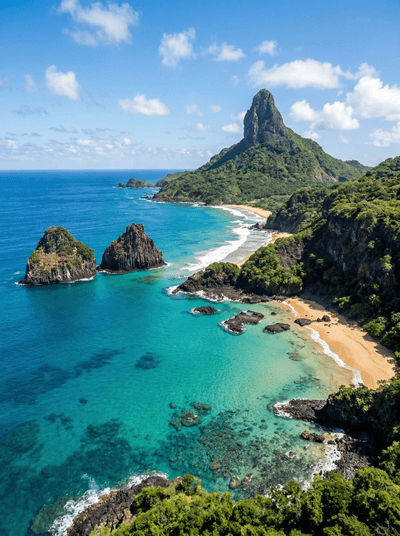
Fernando de Noronha
Brazil
Volcanic spires rising from water so clear the seafloor glows up at you from the clifftop.
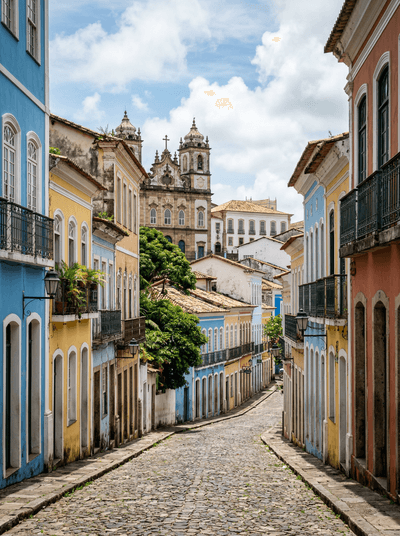
Salvador
Brazil
Drum rhythms ricocheting off pastel colonial walls where capoeira circles form before sundown.
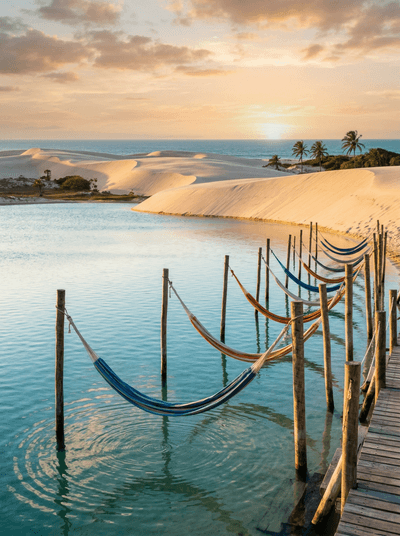
Jericoacoara
Brazil
Windswept dunes where the sun melts into the sea from a natural stone arch.
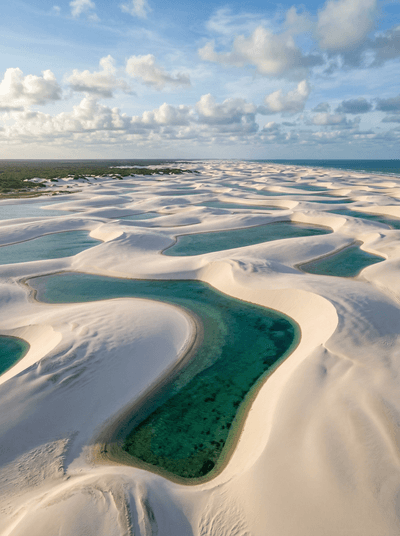
Lençóis Maranhenses
Brazil
Thousands of rain-filled lagoons between white dunes stretching to the horizon like another planet.