Peru
Choquequirao
Machu Picchu's twin, reachable only by a two-day trek, where you'll likely be alone.
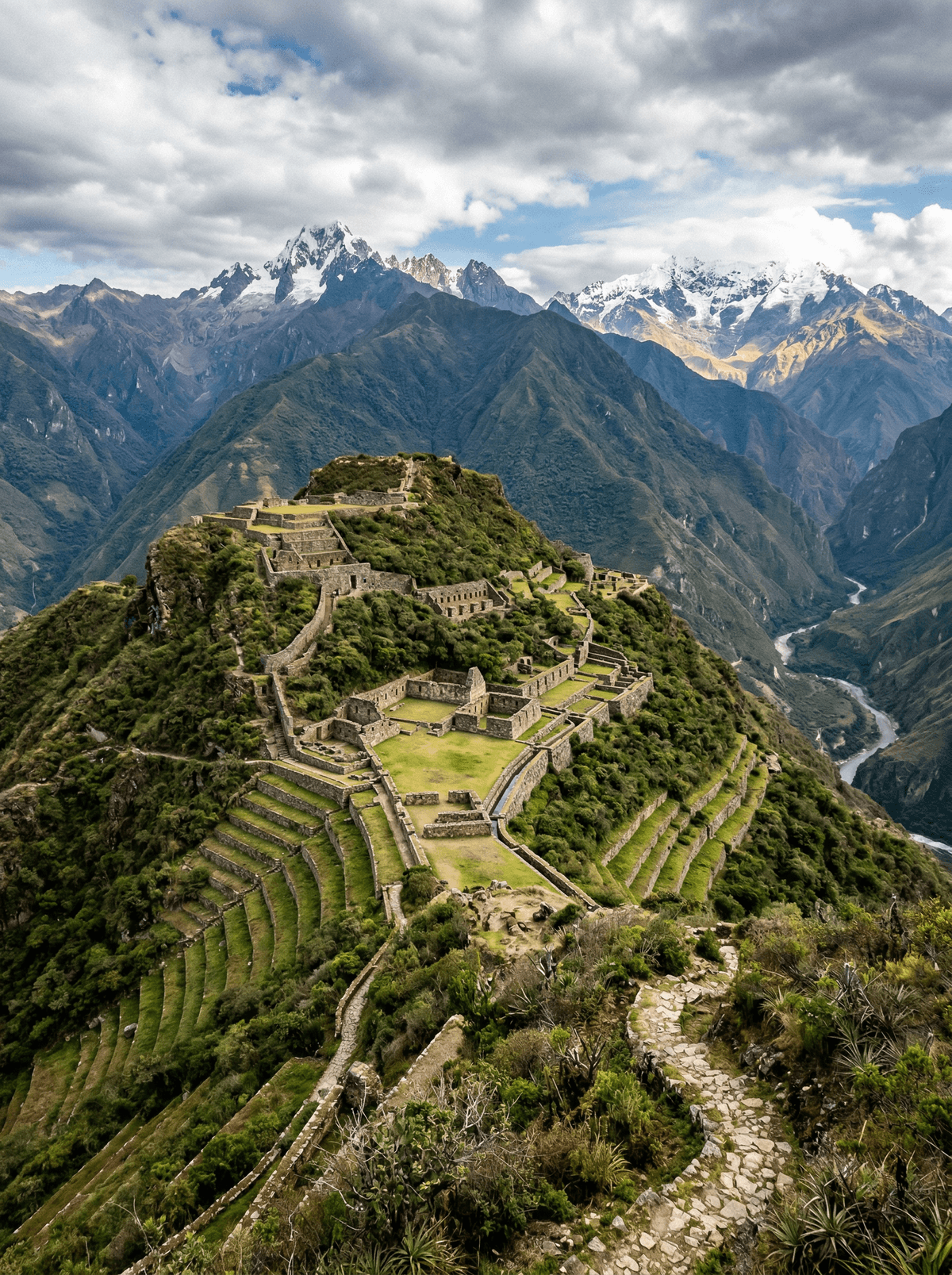
The trek begins with a 1,500-metre descent into the Apurímac canyon, the path switchbacking through dry scrub and cactus until the river appears as a green thread far below. Two days later, you climb to the ruins — granite terraces emerging from jungle on a ridge so remote that fewer than two hundred people visit on any given day. At Choquequirao, solitude is not a luxury. It is the default.
Choquequirao is a late 15th-century Inca site in Peru's Cusco Region, comparable in scale to Machu Picchu but accessible only by a minimum four-day round trek. Archaeologists estimate that only 30 to 40 per cent of the complex has been cleared from jungle growth — most of it remains unexcavated. The terraces include a unique section decorated with white stone llama mosaics visible from across the canyon. The site sits at approximately 3,050 metres on a ridge above the Apurímac gorge. Where Machu Picchu receives over 5,000 daily visitors, Choquequirao rarely exceeds 200.
Solo
Choquequirao is Peru's ultimate solitude destination. Camping alone on the terraces, with no lights visible in any direction and 70 per cent of the city still hidden beneath jungle, is the closest you can get to discovering an Inca ruin yourself.
Friends
The four-day trek is a proper expedition — steep canyon descents, river crossings, and camp-fire meals cooked by arrieros. The reward is an Inca city you essentially have to yourselves, with llama mosaics that almost no one has photographed.
- Reaching the site requires a minimum 4-day round trek descending 1,500 metres into the Apurímac canyon — there is no other access.
- Fewer than 200 people visit per day — compared to over 5,000 daily at Machu Picchu, making solitude the default experience.
- The terraces include a section decorated with white stone llama mosaics visible from across the canyon — unique in all Inca architecture.
- Archaeologists estimate only 30-40% of the site has been cleared from jungle growth — most of Choquequirao remains unexcavated.
Trail meals of quinoa soup, avocado, and bread prepared by arrieros who know every switchback by name.
Coca tea brewed at camp as the sun drops behind the Apurímac gorge — the best altitude remedy there is.
Gaua
Vanuatu
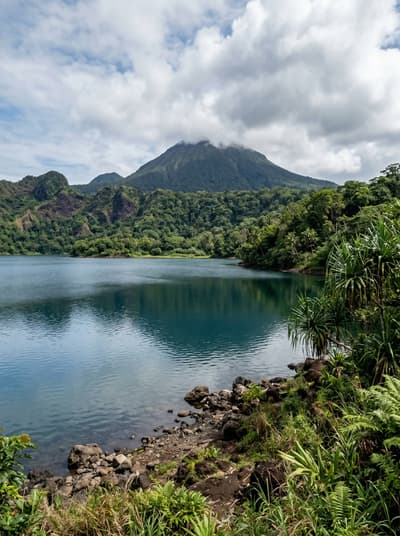
A volcanic lake drains into the ocean via a waterfall that plunges through untouched jungle.
Quebrada de Humahuaca
Argentina
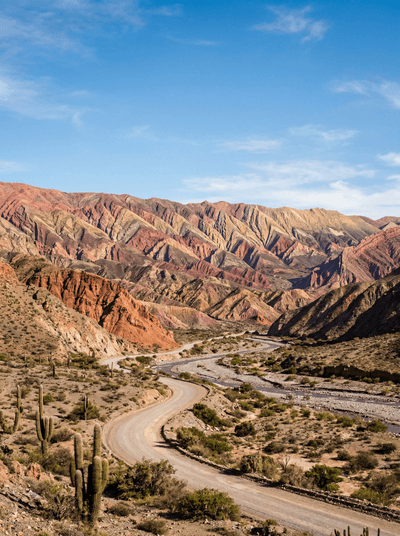
A canyon of fourteen-colour hills where Inca trails thread through villages older than the conquest.
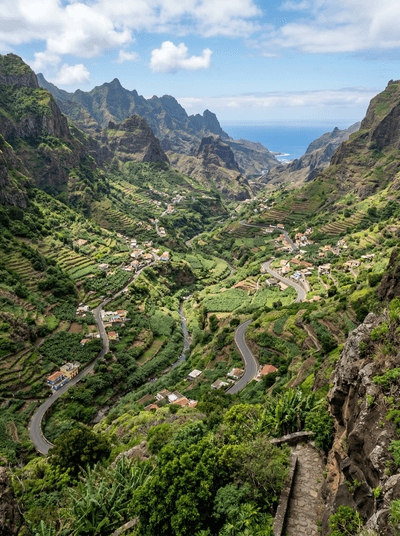
Vale do Paúl
Cape Verde
Sugarcane terraces spill down a volcanic crater into the greenest valley in the archipelago.
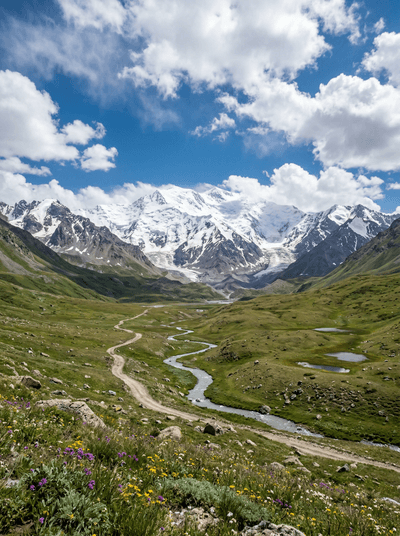
Achik-Tash
Kyrgyzstan
Yurt camps at 3,600 metres beneath a 7,134-metre peak, alpinists and trekkers sharing vodka at sunset.
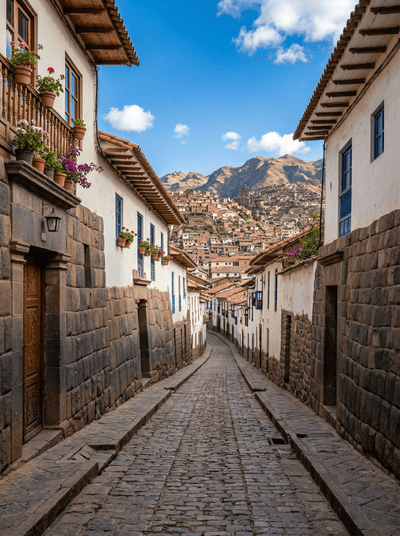
Cusco
Peru
Inca walls fitted so tightly a knife blade won't slide between the stones.
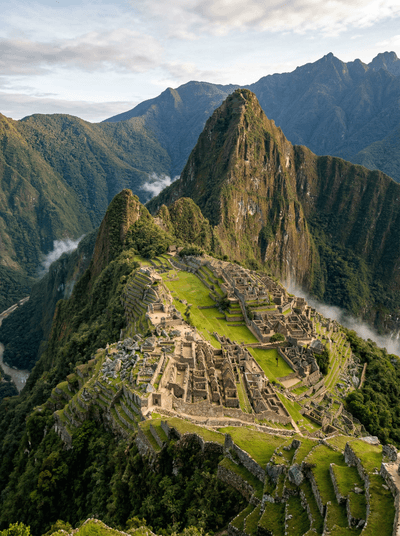
Machu Picchu
Peru
Cloud forest parts at dawn to reveal granite terraces balanced on the edge of the world.
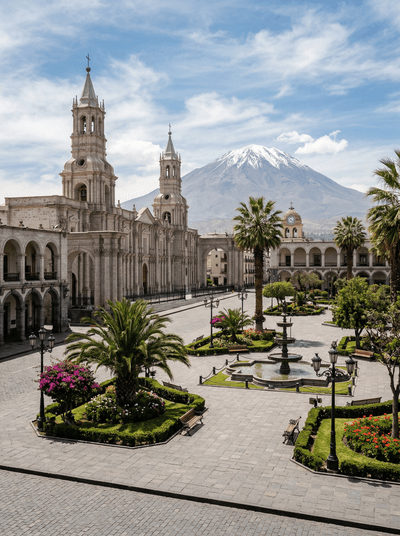
Arequipa
Peru
A city carved from white volcanic stone where every building glows amber at sunset.
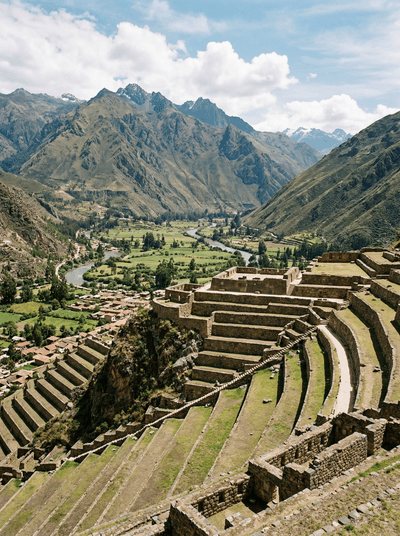
Sacred Valley (Ollantaytambo)
Peru
Inca water still flows through stone channels beneath the windows of a living fortress town.