Peru
Cotahuasi Canyon
Deeper than Colca, deeper than the Grand Canyon, and barely a soul to share it with.
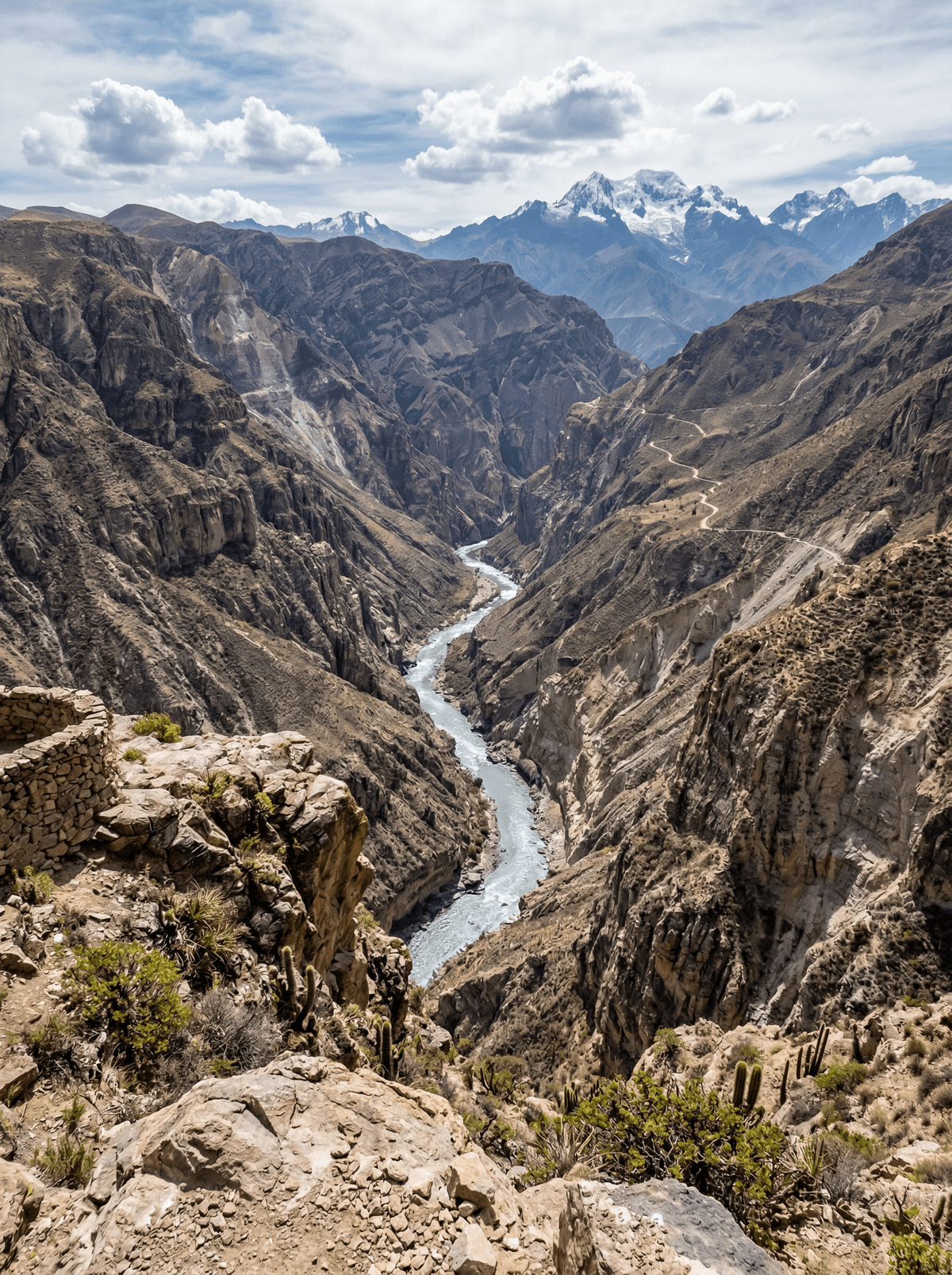
The trail drops and drops, the canyon walls rising until the sky narrows to a strip of blue high above. Down here, the Cotahuasi River roars through a gorge so deep the sound arrives before the sight of it. At the rim, the air is thin and the silence vast — Cotahuasi Canyon in Peru is a place measured in vertical kilometres, not horizontal ones.
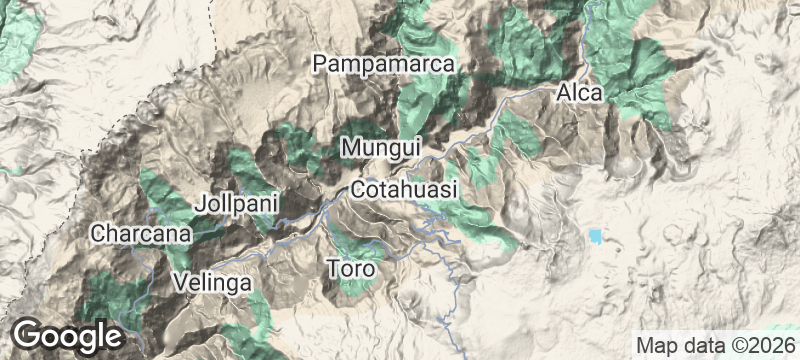
Cotahuasi Canyon, located in the Arequipa Region, is one of the deepest canyons on Earth — reaching approximately 3,535 metres from rim to river at its most extreme point. It exceeds both Colca Canyon and the Grand Canyon in sheer depth. Yet it receives a tiny fraction of the visitors, partly because the overland journey from Arequipa takes around 12 hours on a winding mountain road. The canyon shelters pre-Inca agricultural terraces, hot springs at Luicho, and the Sipia waterfall plunging 150 metres into the gorge. Multi-day treks pass through remote villages like Quechualla and Chaupo, where families have farmed terraces for centuries. The remoteness is the point: Cotahuasi is Peru's wilderness canyon, untamed and largely unvisited.
Solo
The multi-day trek through the canyon is one of Peru's most rewarding solitary challenges — days of trail without another tourist, nights in village guesthouses, and a sense of earned isolation that more accessible treks cannot match.
Friends
Tackling the canyon as a group transforms the logistical challenge — the long drive, the river crossings, the altitude — into shared adventure. The hot springs at Luicho and camp-fire suppers become the reward for collective effort.
- The canyon reaches approximately 3,535 metres in depth — among the deepest on Earth and measurably deeper than Colca Canyon.
- The Cotahuasi River at the canyon base has Class V whitewater sections — among the most technically demanding in South America.
- Fewer than 5,000 tourists visit per year — compared to hundreds of thousands at Colca — making solitude the standard experience.
- The villages inside the canyon, including Quechualla, are accessible only by a narrow path carved into the canyon wall — no road descends to them.
Watercress soup foraged from canyon streams, served in adobe-walled village kitchens where the cook is also the host.
Habas con queso — broad beans with salty highland cheese — the canyon trekker's protein at every rest stop.
Gaua
Vanuatu
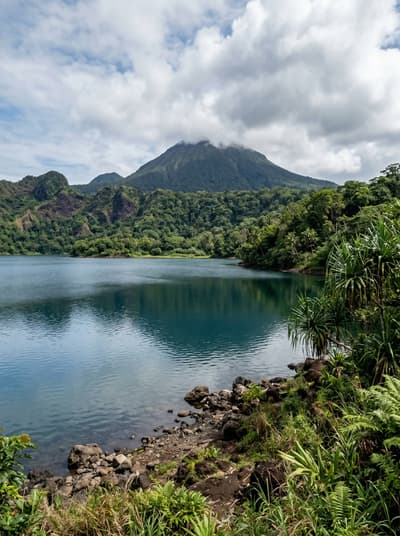
A volcanic lake drains into the ocean via a waterfall that plunges through untouched jungle.
Quebrada de Humahuaca
Argentina
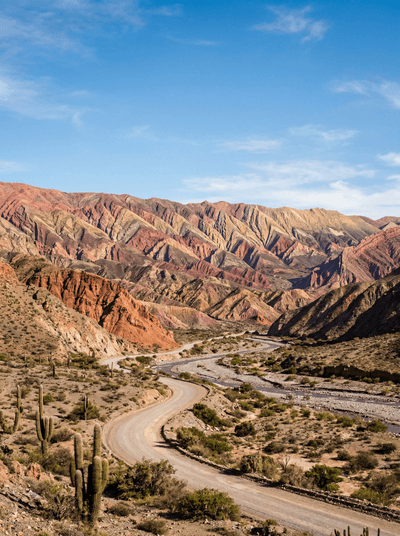
A canyon of fourteen-colour hills where Inca trails thread through villages older than the conquest.
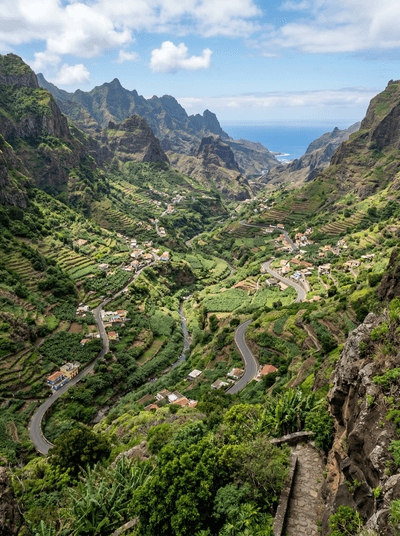
Vale do Paúl
Cape Verde
Sugarcane terraces spill down a volcanic crater into the greenest valley in the archipelago.
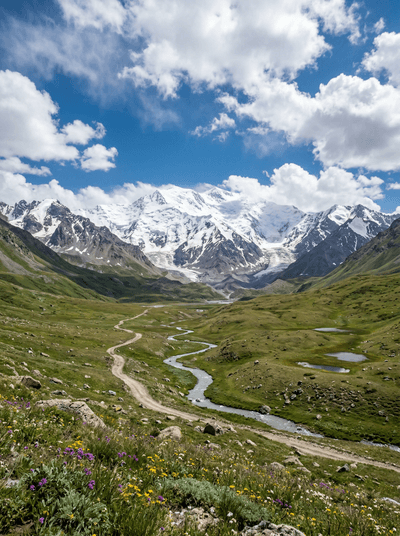
Achik-Tash
Kyrgyzstan
Yurt camps at 3,600 metres beneath a 7,134-metre peak, alpinists and trekkers sharing vodka at sunset.
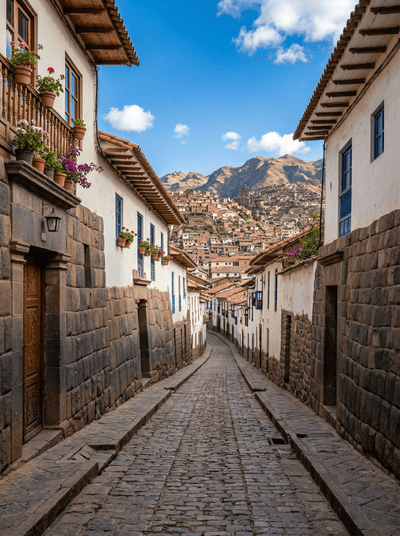
Cusco
Peru
Inca walls fitted so tightly a knife blade won't slide between the stones.
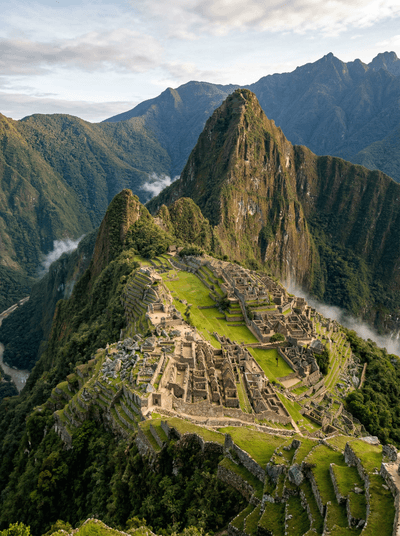
Machu Picchu
Peru
Cloud forest parts at dawn to reveal granite terraces balanced on the edge of the world.
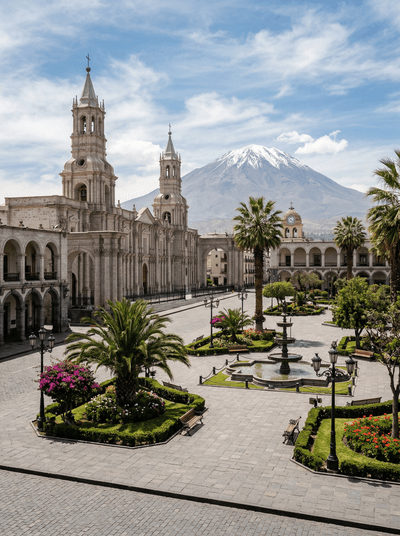
Arequipa
Peru
A city carved from white volcanic stone where every building glows amber at sunset.
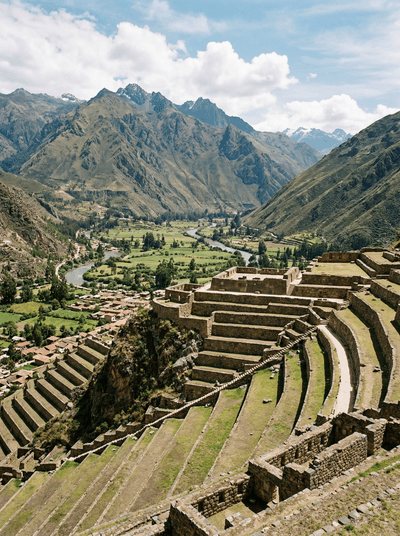
Sacred Valley (Ollantaytambo)
Peru
Inca water still flows through stone channels beneath the windows of a living fortress town.