
Panama
El Caño Archaeological Park
Pre-Columbian chiefs buried in gold beneath an ordinary cattle field — Panama's richest archaeological secret.
Stone figures stand upright in the grass, marking the burial positions of chiefs who were interred here with gold helmets, sacrificed retainers, and ceremonial offerings over a thousand years ago. The field around them is ordinary cattle pasture on the Pan-American Highway. El Caño Archaeological Park sits at the intersection of the extraordinary and the everyday — a landscape that looks like farmland above and holds gold beneath.
El Caño was occupied from approximately 700 CE to 1500 CE by the Coclé culture, whose elite burials here contained the richest pre-Columbian cache ever found in Panama. Excavations between 1925 and 1930 uncovered solid gold jewellery, ceremonial helmets, and carved stones of remarkable craftsmanship. The stone statues — thought to mark the positions of buried chiefs — stand in situ at the excavation site, the only monumental stone figures known from this culture. The park sits in active cattle country near the town of Natá, one of the oldest continuously inhabited settlements in the Americas. Ongoing excavations continue to uncover new artefacts, and the questions raised by the Coclé culture's social hierarchy and ritual practices remain largely unanswered.
Couple
El Caño is a quiet revelation — a short detour from the Pan-American Highway that places you among stone figures and gold burial sites in a working cattle field. The intimacy of the site makes it a shared discovery rather than a museum queue.
Family
The combination of buried treasure, standing stone figures, and an active excavation site captures children's imaginations immediately. The park is compact and easy to visit, and the nearby town of Natá offers traditional Coclé cooking afterwards.
- Excavations between 1925 and 1930 uncovered burial sites at El Caño containing solid gold jewellery, ceremonial helmets, and carved stones — Panama's richest pre-Columbian cache.
- The site was occupied from approximately 700 CE to 1500 CE by the Coclé culture; the elite burials here were surrounded by sacrificed retainers and elaborate offerings.
- Stone statues, thought to mark the burial positions of chiefs, stand upright in situ at the excavation area — the only monumental stone figures known from this culture.
- The park sits in the middle of active cattle pasture on the Pan-American Highway; the contrast between the ordinary working landscape and the extraordinary things extracted from it remains part of the experience.
Natá's traditional cooking: tamales de olla, thick sancocho, fresh queso blanco.
Roadside empanadas and cold chicha from stalls on the Pan-American Highway.
Buñuelos dusted with sugar from the bakeries near the park entrance.
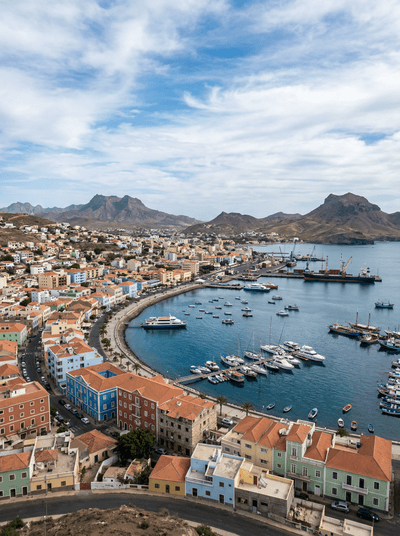
Mindelo
Cape Verde
Morna music drifts from dimly lit bars where Cesária Évora once sang barefoot for sailors.
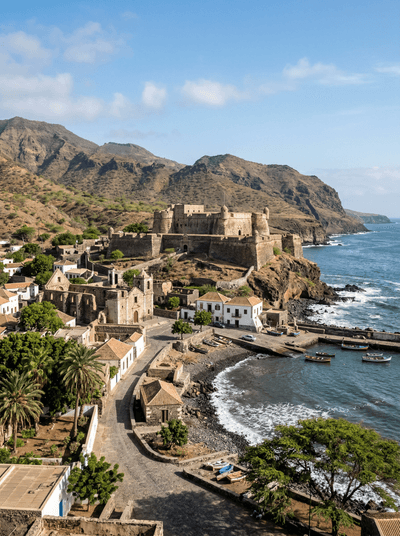
Cidade Velha
Cape Verde
First colonial city in the tropics — a slave pillory still stands in the silent square.

Fukuoka
Japan
Yatai street stalls steaming under canvas where strangers share ramen at midnight.
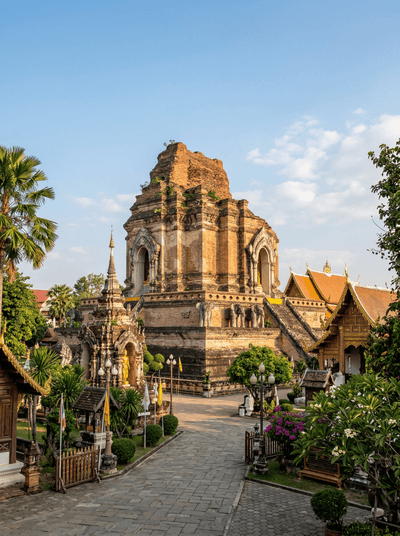
Chiang Mai
Thailand
Monks in saffron robes walking barefoot past tattooed expats and ancient brick chedis at dawn.
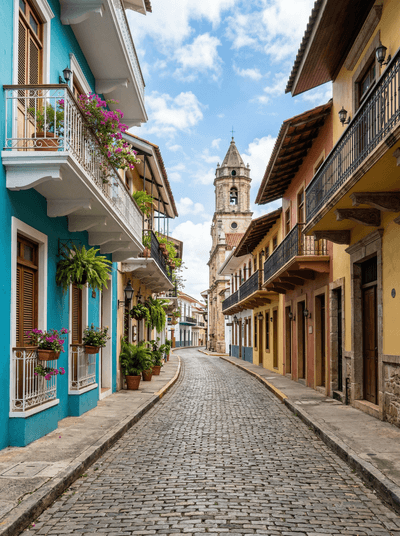
Casco Viejo
Panama
Crumbling baroque balconies where jazz drifts over a skyline of glass towers.
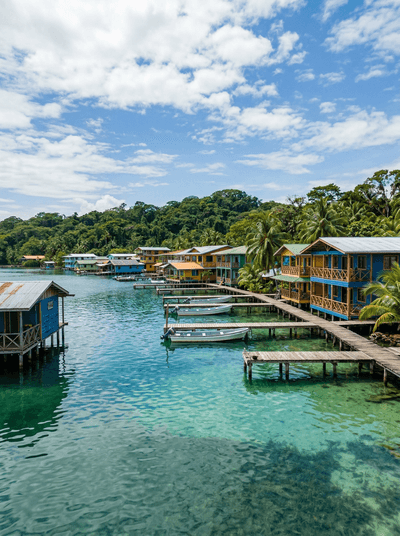
Bocas del Toro
Panama
Over-water bungalows on a Caribbean archipelago where sloths drift through mangrove canopies.
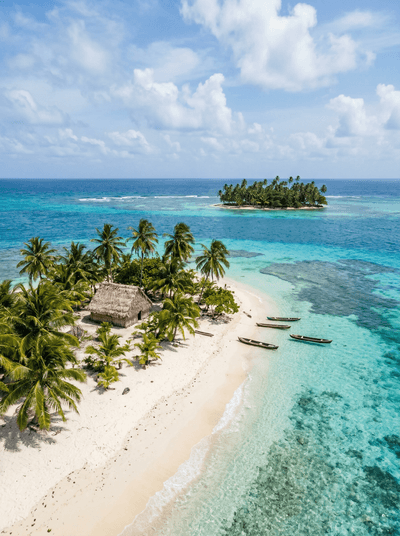
San Blas Islands
Panama
Palm-tufted coral islands governed by an indigenous nation that rejected the modern world.
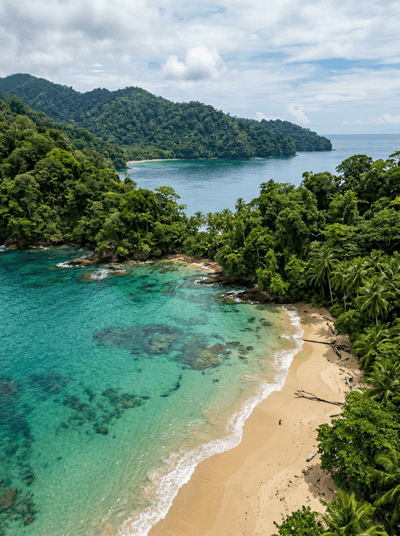
Isla Coiba
Panama
A former penal colony where eighty years of isolation let the Pacific reef thrive.