Brazil
Inhotim
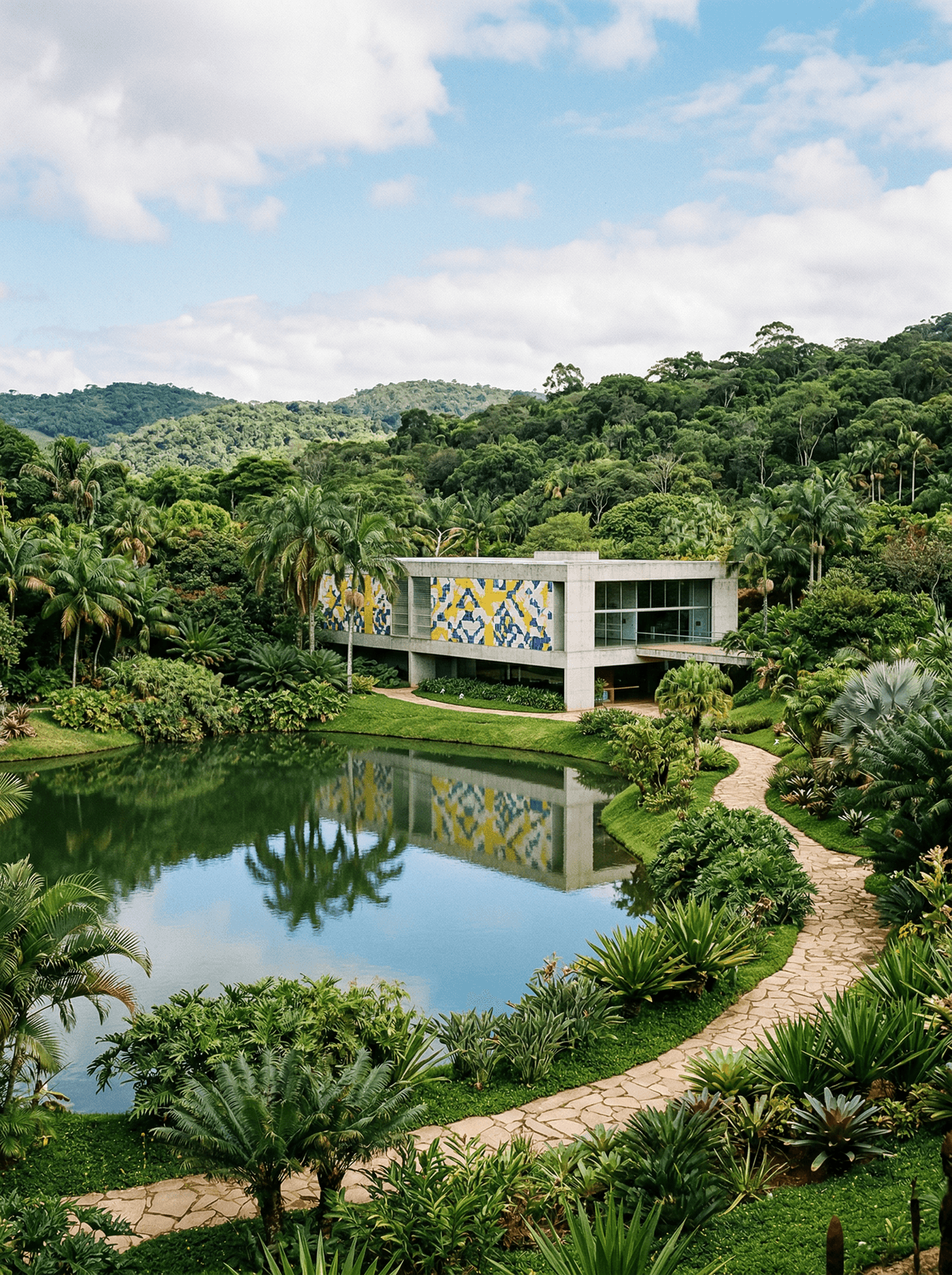
A legally recognised botanical garden with twenty-four art galleries planted through it.
The trick of the place is that it is both things at once, and legally so. Inhotim is a botanical garden, recognised as one by the National Commission of Botanical Gardens in 2010, holding more than 4,300 native Brazilian species and exotics from elsewhere. It is also twenty-four galleries with around 560 works in them, set out across 140 hectares you walk between.
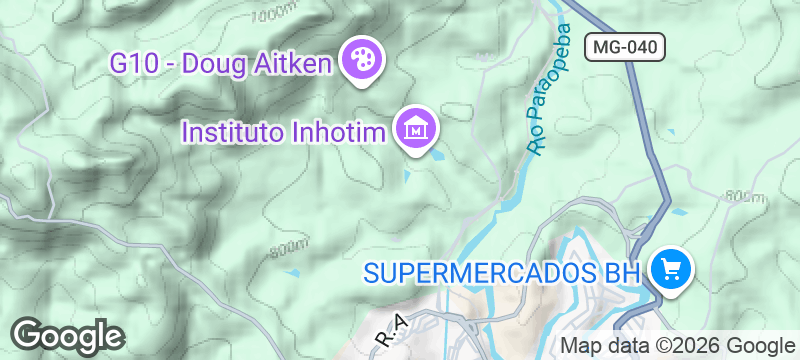
The ground was a farm in Brumadinho, on the seam where Atlantic Forest meets Cerrado, and Bernardo de Mello Paz had been imagining what to do with it since the 1980s. It opened its gates to visitors in 2006, which makes 2026 its twentieth year. Twenty of the galleries are permanent, each given to one artist or one work, among them Tunga, Cildo Meireles, Hélio Oiticica with Neville d'Almeida, Adriana Varejão, Doris Salcedo, Matthew Barney, Lygia Pape, William Kentridge and Yayoi Kusama, and four more rotate. In 2026 the New York Times put it on its 52 Places to Go as the only Brazilian entry, and the institute answered with an anniversary programme: shows opening in February and April, a twenty-year retrospective on 12 September, the Cildo Meireles gallery reopening on 17 October with Missão/Missões, and free entry on 18 October. Galleries go in and out of maintenance here, and the institute publishes which ones are shut on the day, which is worth reading before you set off.
Solo
Read the maintenance list on the institute's own visit page before you buy a ticket, because several galleries are usually closed and which ones changes. Then plan a route rather than a checklist, since 140 hectares does not reward completism.
Couple
October 2026 is the month with the most on it: the Cildo Meireles gallery reopens on the seventeenth with Missão/Missões, and the eighteenth is the twentieth-anniversary day with free entry and music.
Family
The distances are the thing to plan for, and the Comedoria Oiticica inside the grounds is the reliable stop, midday to four, Tuesday to Sunday. Everything closes on a Monday, so a weekday visit means Tuesday to Friday.
- Around 560 works by some sixty artists from 38 countries are on show across twenty-four galleries, twenty of them permanent and four given to rotating shows.
- Permanent galleries belong to Tunga, Cildo Meireles, Hélio Oiticica and Neville d'Almeida, Adriana Varejão, Doris Salcedo, Matthew Barney, Lygia Pape, William Kentridge and Yayoi Kusama, among others.
- The botanical collection runs to more than 4,300 native Brazilian species plus exotics, and the National Commission of Botanical Gardens recognised Inhotim as a botanical garden in 2010.
- The 140 hectares open to visitors sit on the seam between Atlantic Forest and Cerrado, on ground that was a farm until it opened to the public in 2006.
Comida mineira sold by weight at the Comedoria Oiticica, the menu signed by Morena Leite, served from midday to four every day the gardens are open.
Elsewhere among the galleries: pizza by the slice at the Fonte, a prato feito at the Igrejinha, and brunch under the trees at the Café das Flores.
Oxford
England
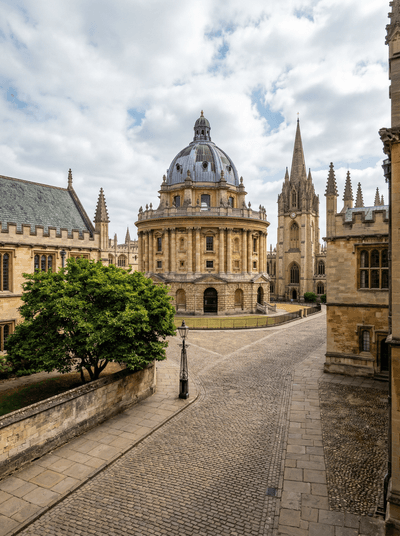
Gargoyles stare from spires so dense the skyline looks like a stone forest.
Cambridge
England
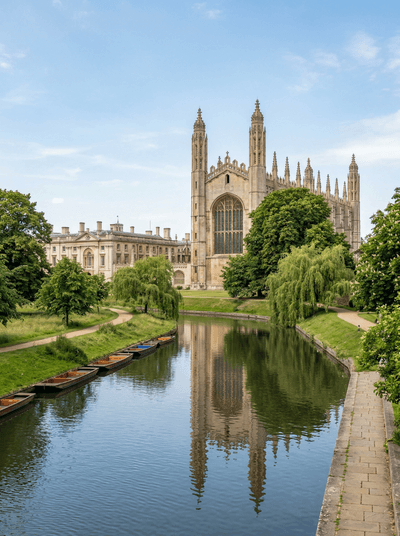
Punts glide beneath mathematical bridges over water that has mirrored genius for centuries.

Al-Ula
Saudi Arabia
Nabataean tombs carved into sandstone cliffs that glow amber at dusk.

Karimabad
Pakistan
A 700-year-old fort perched above apricot terraces where the Mir of Hunza once surveyed three empires.
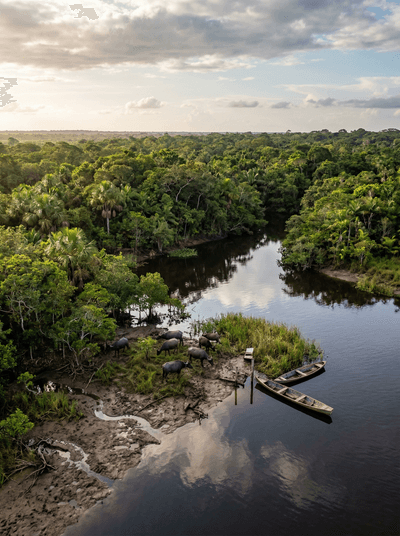
Ilha de Marajó
Brazil
The police here ride buffalo, because the flooded ground defeats anything with wheels.
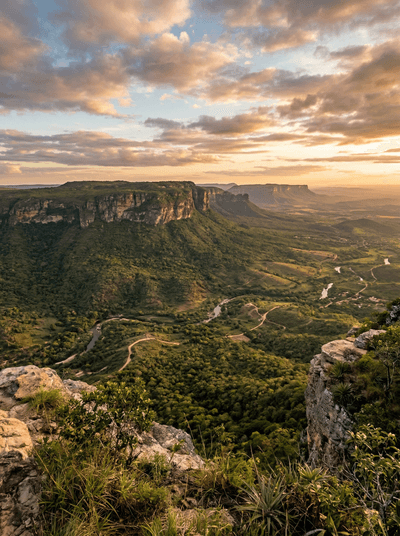
Chapada do Araripe
Brazil
Diggers call this rock pedras de peixe, fish stones, and that is exactly what is inside.
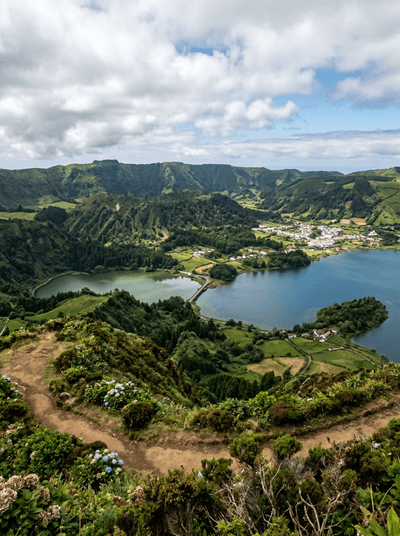
Sete Cidades
Brazil
Sandstone eroded into what look like seven separate cities, with rock paintings inside them.
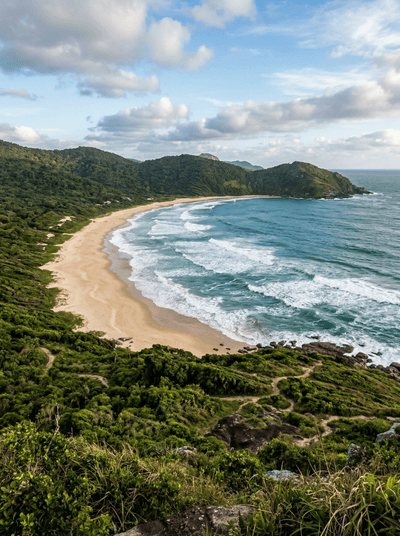
Praia do Rosa
Brazil
Right whales leave Antarctica to calve in this bay, and you watch from the headland.