Peru
Karajía
Giant painted sarcophagi wedged into a cliff five centuries ago, still watching the valley.
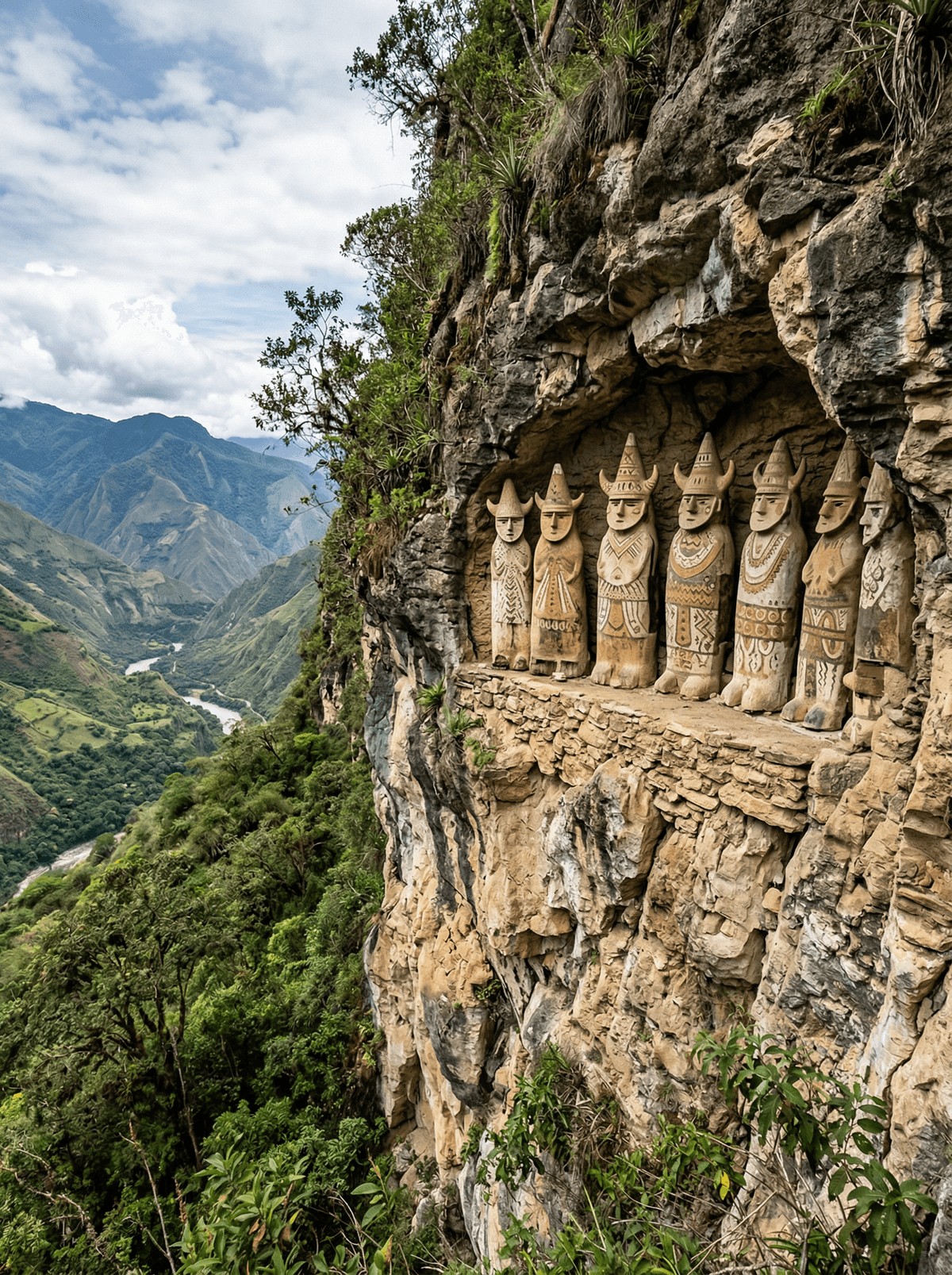
They stare down from a ledge no living person was meant to reach again. Six great anthropomorphic sarcophagi — each roughly 2.5 metres tall — stand wedged into a pale cliff above the Utcubamba valley, faces human, expressions blank. The Chachapoya sealed their honoured dead inside, seated upright and wrapped in textiles, then left them to the wind.
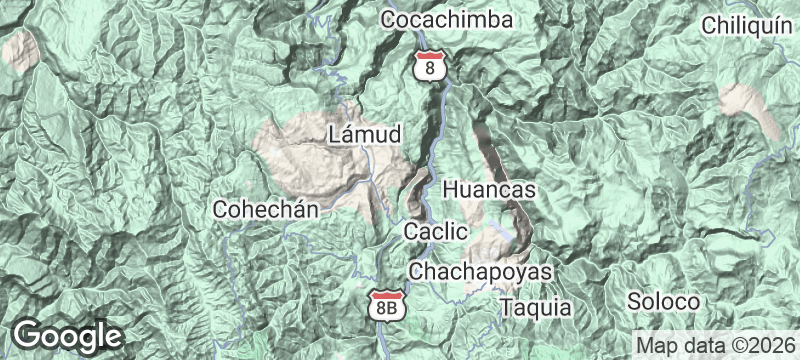
The Karajía sarcophagi are the Chachapoya's most arresting funerary monuments — purunmachus of clay and grass raised on a cliff ledge by methods still not fully understood, the best-preserved group six figures strong. They are viewed from below, at the authorised viewpoint: the distance protects both the fragile burials and the eeriness that is the site's true power. The walk down from Cruzpata village is short and rural, through corn plots and hedgerows where outsiders remain a mild novelty, and local guides place the figures within the wider Utcubamba funerary landscape — cliff tombs were the Chachapoya way of keeping their dead above the living world, forever facing the valley.
Solo
The quiet walk from Cruzpata and the cliff-face reveal — just you and six clay guardians staring over the valley — is genuinely, productively eerie.
Couple
Karajía slots into a shared Chachapoya circuit with Kuélap and Revash — intimate sites, no fences of crowds, days of discovery far from any queue.
- Six sarcophagi around 2.5 metres tall hold Chachapoya elders, seated and wrapped.
- They were raised onto the cliff ledge by methods still not fully understood.
- The authorised viewpoint keeps the fragile burials at their intended distance.
- The short walk from Cruzpata crosses working corn plots and rural quiet.
Rice, beans and fried egg — the highland comedor plate, honest and filling.
Fresh cheese and warm corn bought at the trailhead from farmhouse kitchens.
Arenal & La Fortuna
Costa Rica
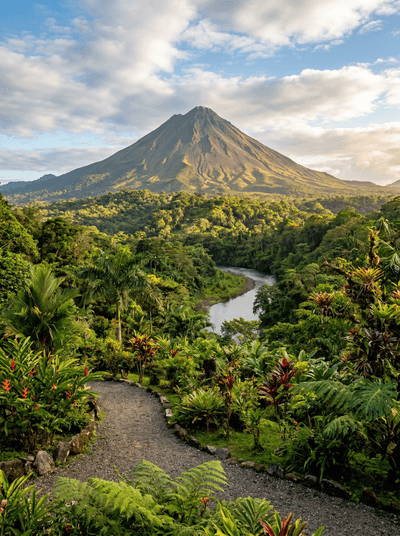
Hot springs steaming through jungle beneath a volcano's perfect cone at dusk.
Drakensberg
South Africa
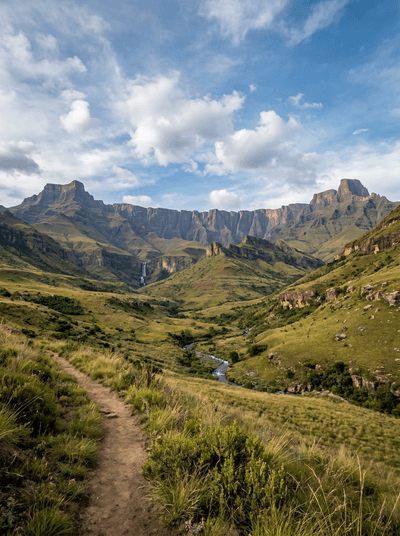
Basalt walls rise above sandstone caves painted across thousands of years.
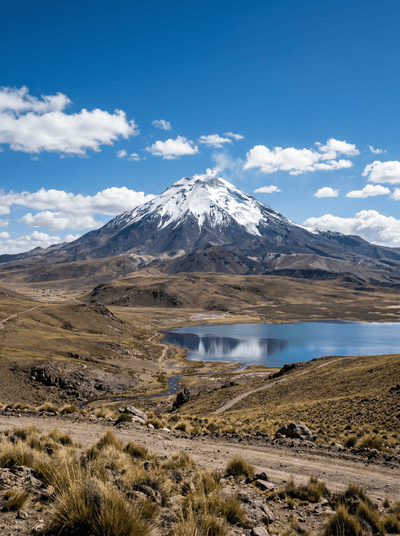
Parque Nacional Volcán Isluga
Chile
Volcanic horizons and high wetlands surround living Aymara settlements in the altiplano.
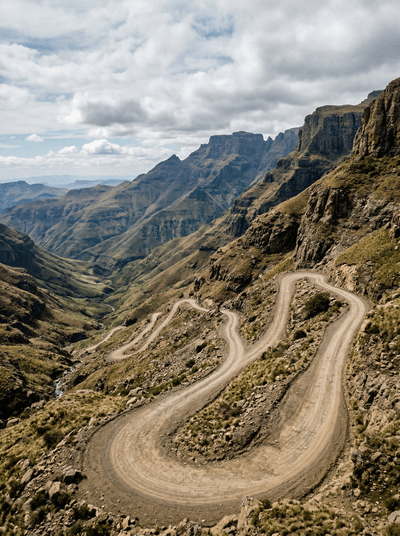
Sani Pass
South Africa
A switchback road climbs from green foothills to a high border above the clouds.
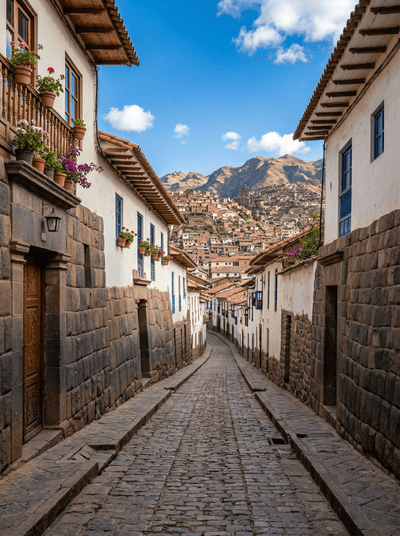
Cusco
Peru
Inca walls fitted so tightly a knife blade won't slide between the stones.
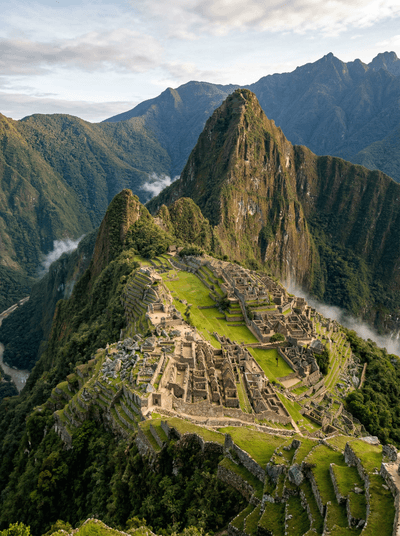
Machu Picchu
Peru
Cloud forest parts at dawn to reveal granite terraces balanced on the edge of the world.
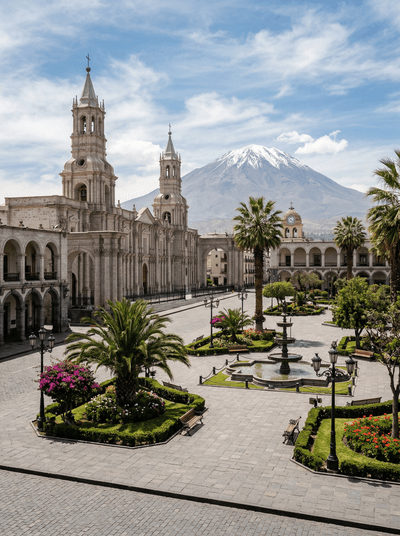
Arequipa
Peru
A city carved from white volcanic stone that glows amber under three volcanoes.
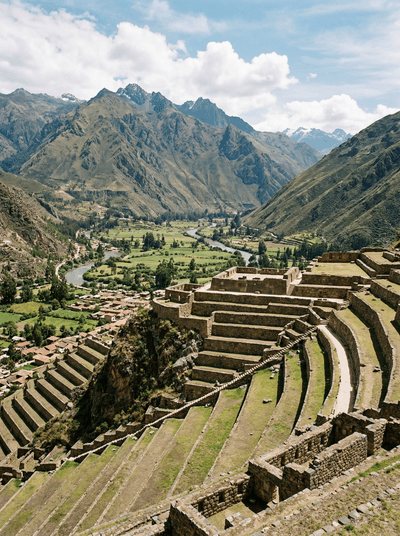
Sacred Valley (Ollantaytambo)
Peru
Inca water still flows through stone channels beneath the windows of a living town.