Pakistan
Kot Diji
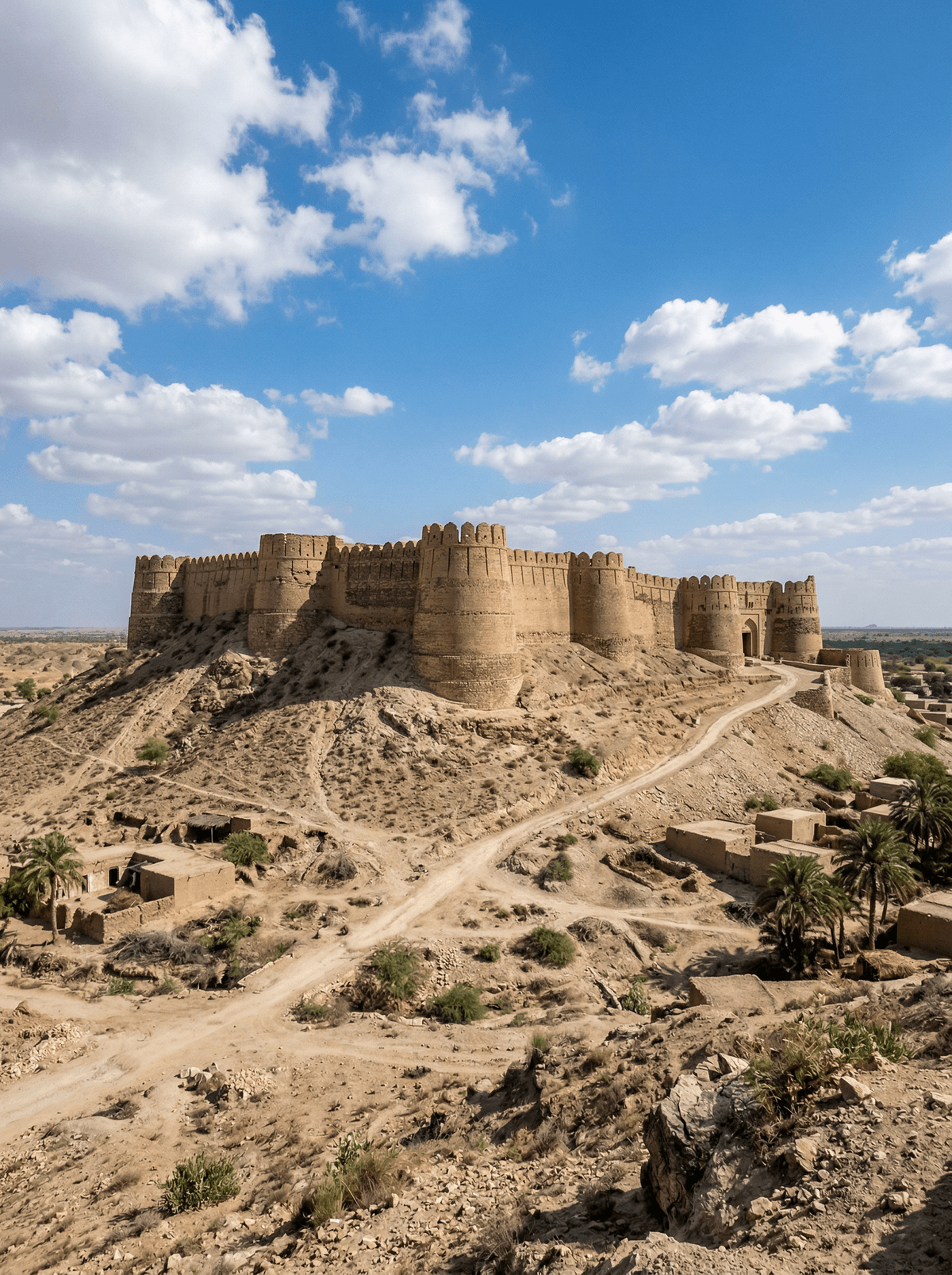
An eighteenth-century fortress guards ruins five thousand years older — civilisations stacked into a single ridge.
Eighteenth-century ramparts of pale limestone catch the Sindh sun first, but look below the fortress walls and the ground shifts five millennia backwards. Potsherds crunch underfoot. The wind carries dust from layers of civilisation compressed into a single ridge above the Indus plain.
Kot Diji is two sites in one. The upper fortress, built by Talpur Mir rulers in 1788, commands the ridge with imposing walls and cannon placements overlooking the flat farmland of Khairpur district. Below it lies the real revelation: a pre-Harappan archaeological site dating to approximately 3300 BCE, making it one of the earliest known settlements of the Indus Valley civilisation. Excavations in the 1950s uncovered a distinct pottery style — the Kot Dijian culture — that predates and likely influenced the mature Harappan phase at Mohenjo-daro. A burn layer between strata suggests the settlement was destroyed by fire before being rebuilt. The site is a short drive from Khairpur, the date capital of Sindh, and remains remarkably unvisited despite its significance to South Asian prehistory.
Solo
History this layered rewards slow, solitary attention. Walk the fortress walls, then descend to the excavation trenches and sit with the weight of five thousand years of continuous habitation beneath your feet.
Couple
The fortress ridge offers panoramic views across the Indus plain at sunset, and the quiet archaeological site below provides the kind of unhurried, reflective exploration that works when you have someone to share the wonder with.
- The 18th-century Talpur fortress on the ridge overlooks the ruins of the 5,000-year-old Kot Diji Indus Valley settlement below — 4,700 years of human occupation in a single view.
- Kot Diji-phase pottery — distinctive red-on-buff ware with fish-scale patterns — was first identified here and is now a named archaeological horizon recognised globally.
- The fort walls and bastions are intact and accessible — the same ridge has been fortified in different materials for five millennia.
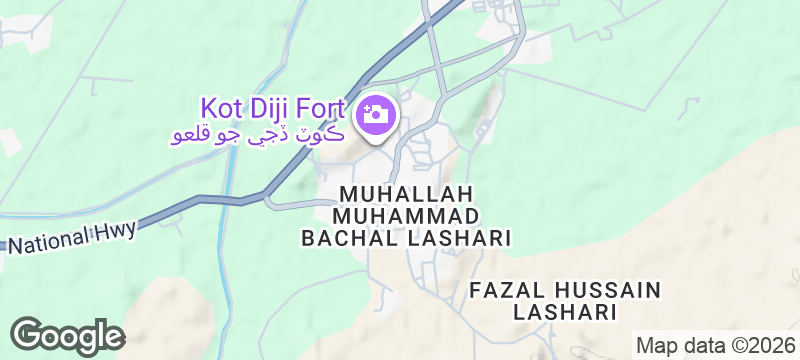
- The site is on the right bank of the Indus, 25 kilometres from Khairpur — the museum in town holds the original finds from the site's 1955 excavation.
Khairpur's famous dates — amber, syrup-sweet, sold by the kilo at bazaar stalls lining the road to the fort.
Sindhi daal chawal at family-run dhabas — yellow lentils tempered with garlic, cumin, and fresh curry leaves over rice.
Yungay
Peru
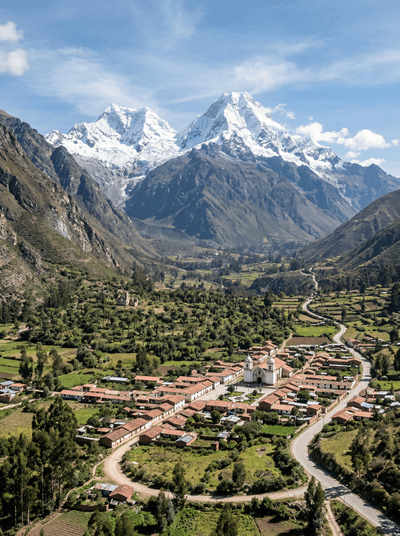
A buried city marked only by the tips of cathedral palm trees piercing the debris field.
Tazenakht
Morocco
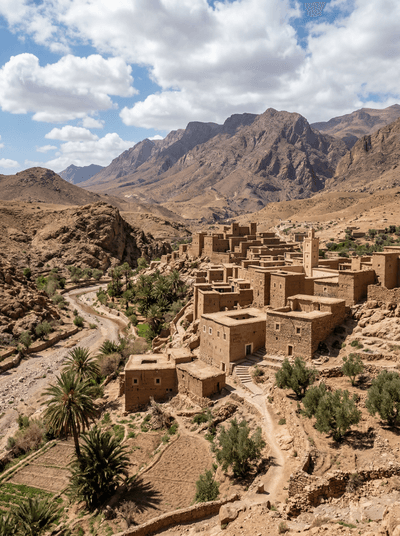
Morocco's carpet capital — Berber kilims woven in cooperatives, looms clacking on every street.
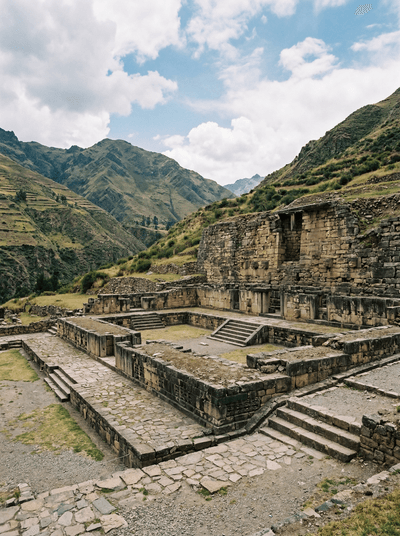
Chavín de Huántar
Peru
Underground galleries carved 3,000 years ago where hallucinogens and darkness combined in ritual terror.
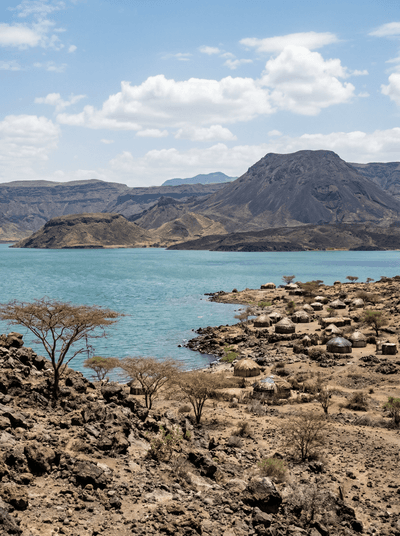
Loiyangalani
Kenya
Four tribes meet at a windswept settlement where the desert ends and the Jade Sea begins.
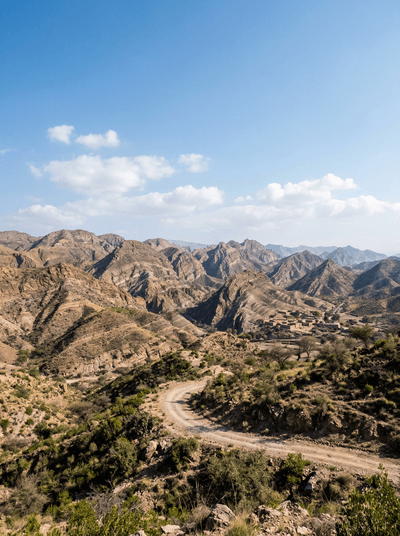
Salt Range
Pakistan
Crimson salt cliffs exposing the floor of a 600-million-year-old vanished ocean in Punjab's flat plains.
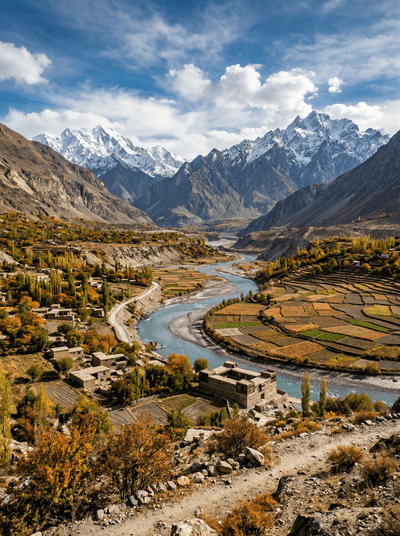
Chitral
Pakistan
Hindu Kush walls rising 7,700 metres above polo grounds where horsemen play without rules or saddles.
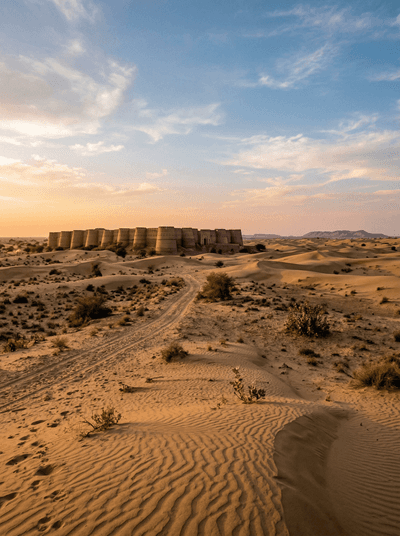
Cholistan Desert
Pakistan
Forty bastions of a forgotten fortress rising from featureless desert where camel nomads still roam.
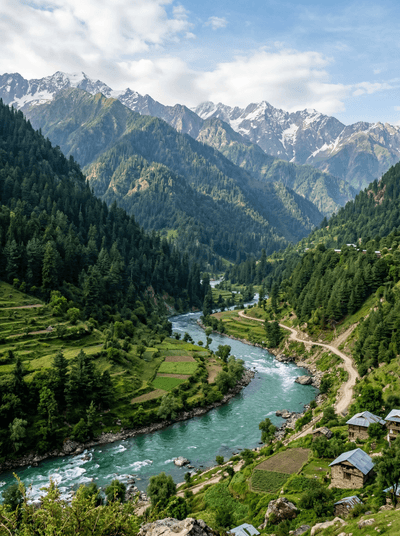
Neelum Valley
Pakistan
A valley split by a ceasefire line where the river flows freely between two warring nations.