Brazil
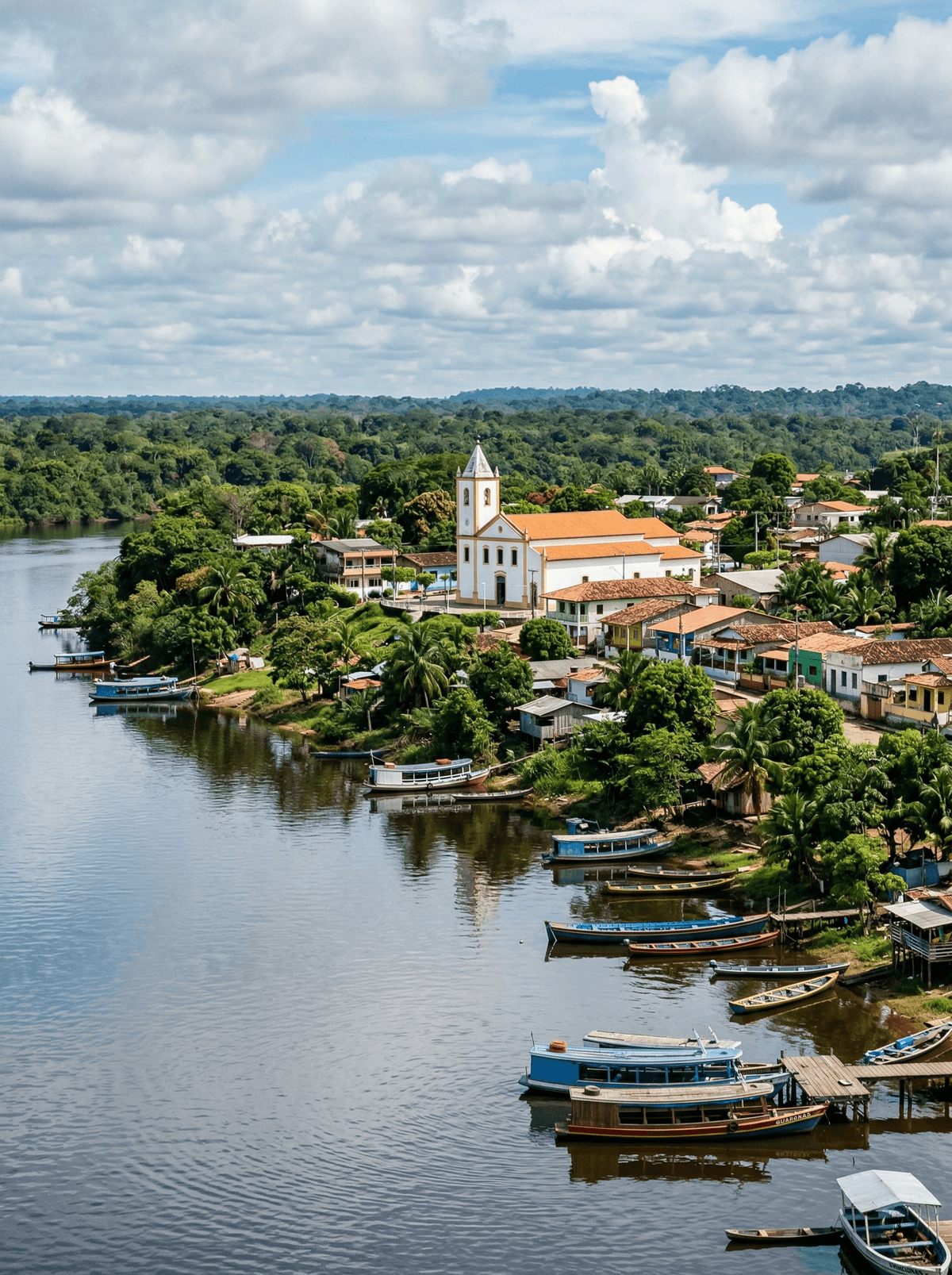
Maués
Guaraná starts as a hard stick, grated into water on the tongue of a fish.
The stick is the point. A bastão of pressed guaraná gets wetted and rubbed against a palm-sized stone, or these days against the dried tongue of a pirarucu, until a fine mud collects and dissolves into a gourd of water. Maués sits on the Maués-Açu in Amazonas and is the largest single producer of guaraná in the country; the drink that comes out of the gourd is çapó, and it passes hand to hand with the oldest served first.
In the Sateré-Mawé origin story the plant and the people begin in the same act. Uniawasap plants the left eye of her murdered son and gets guaranarana, the false guaraná; she plants the right eye and gets the true one, then revives the boy as the first Sateré-Mawé. They domesticated the wild vine, or as they themselves prefer to put it, semi-domesticated it, and in 2020 they became the first indigenous people in Brazil granted a Geographical Indication, issued as a Denominação de Origem covering waraná and the pão de waraná; Maués holds a separate indication of its own from 2018. Growers here let the harvest ferment two or three days before roasting, and only in a clay oven, a habit one of them says is now more or less Maués alone, and the picking itself runs from about November to March. None of this is recent: a colonial official was reporting in the 1770s that the Maués were famous for making the drink and that it had already reached Europe.
Solo
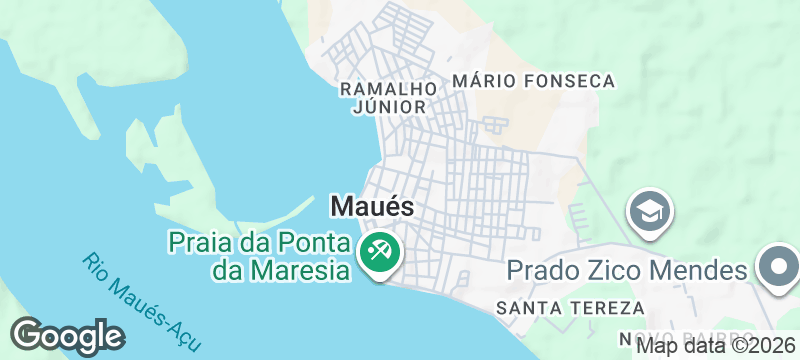
September to November is when the sand comes back. The Ponta da Maresia is walkable from the centre, a curved spit running out towards midstream with bars and restaurants along it, and the Praia da Juliana costs about ten reais in a voadeira from the port and stays quiet. Twenty minutes out of town, the Fazenda Santa Helena is where the guaraná for Guaraná Antarctica begins.
Couple
Cross to the Ilha de Vera Cruz, twenty minutes over the Maués-Açu in a voadeira, for the beach, the restaurant and an indigenous archaeological site that has given up more than five thousand pieces. The published route also offers a night in one of the river communities. September brings the Festival de Verão as the sand reappears, and the Festa do Guaraná with its national acts lands in November.
- Maués is the largest single producer of guaraná in Brazil, which is where its nickname, Terra do Guaraná, comes from.
- The Sateré-Mawé became the first indigenous people in Brazil to hold a Geographical Indication, registered in 2020 as a Denominação de Origem over waraná and the pão de waraná.
- River beaches come out along the Maués-Açu through September, October and November as the water drops, and the Ponta da Maresia runs out from the edge of town towards midstream.
- There is no road at all: 356 river kilometres from Manaus, about nineteen hours on a regional boat or nine on the ajato speedboat.
Tacacá arrives hot in a cuia: tucupi drawn off bitter manioc, tapioca gum, dried shrimp, and jambu leaf that leaves your mouth faintly numb.
Pirarucu de casaca is the everyday plate, the fish shredded through manioc flour with pacovã banana, onion, pepper and tomato; pato no tucupi, duck cooked down in the same yellow broth with garlic and jambu, is what gets made for a celebration.
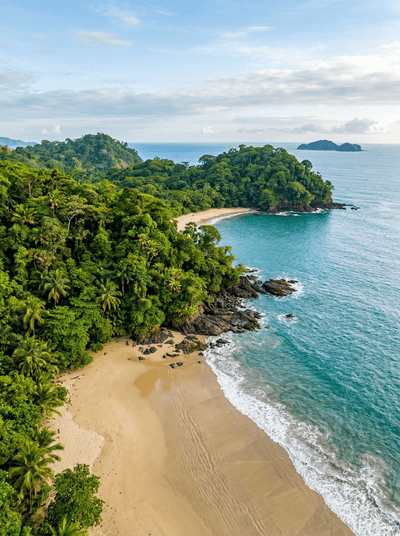
Manuel Antonio
Costa Rica
Capuchins patrol the sand beneath dozing sloths where rainforest walks into the ocean.
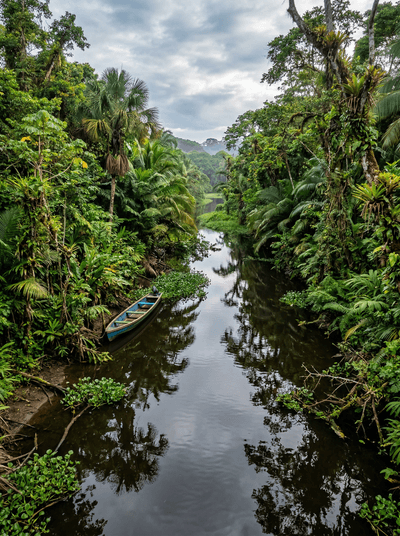
Tortuguero
Costa Rica
Jungle canals where green sea turtles haul onto black volcanic sand under a moonless sky.
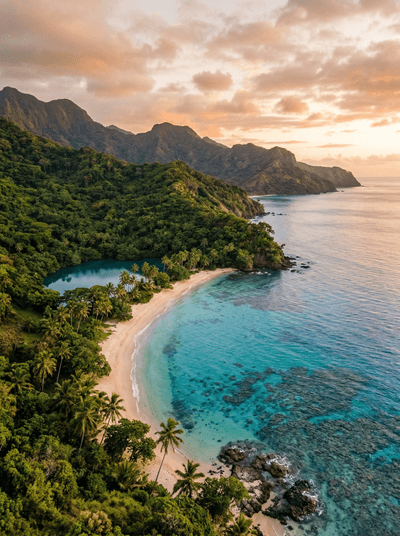
Kadavu
Fiji
Manta rays circle the world's fourth-largest barrier reef, off villages the road barely reaches.
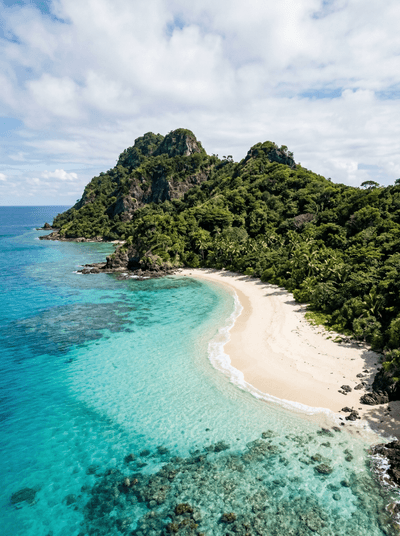
Monuriki
Fiji
The island from Cast Away truly belongs to crested iguanas brought back from the brink.
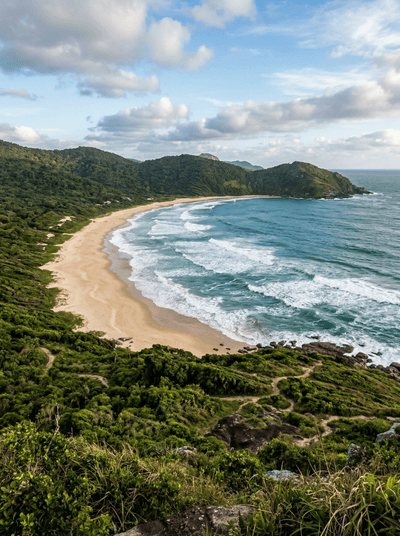
Praia do Rosa
Brazil
Right whales leave Antarctica to calve in this bay, and you watch from the headland.
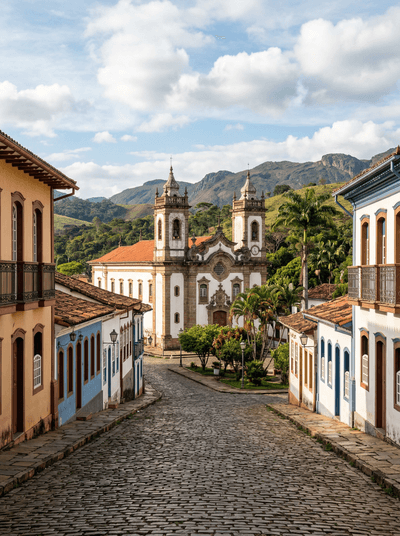
São João del-Rei
Brazil
Baroque towers answering each other across a valley, ringing the sex of whoever has just died.
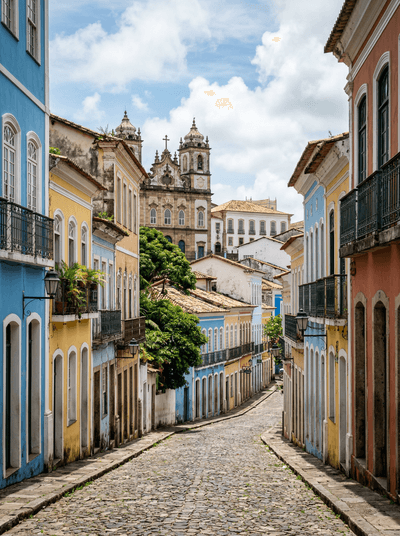
Salvador
Brazil
Drum rhythms ricocheting off colonial walls where song, dance and combat happen at once.
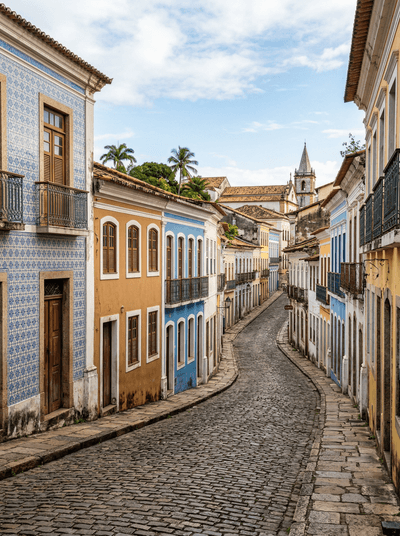
São Luís
Brazil
Hand-painted Portuguese tiles across four thousand colonial houses, cooling the walls against equatorial heat.