Egypt
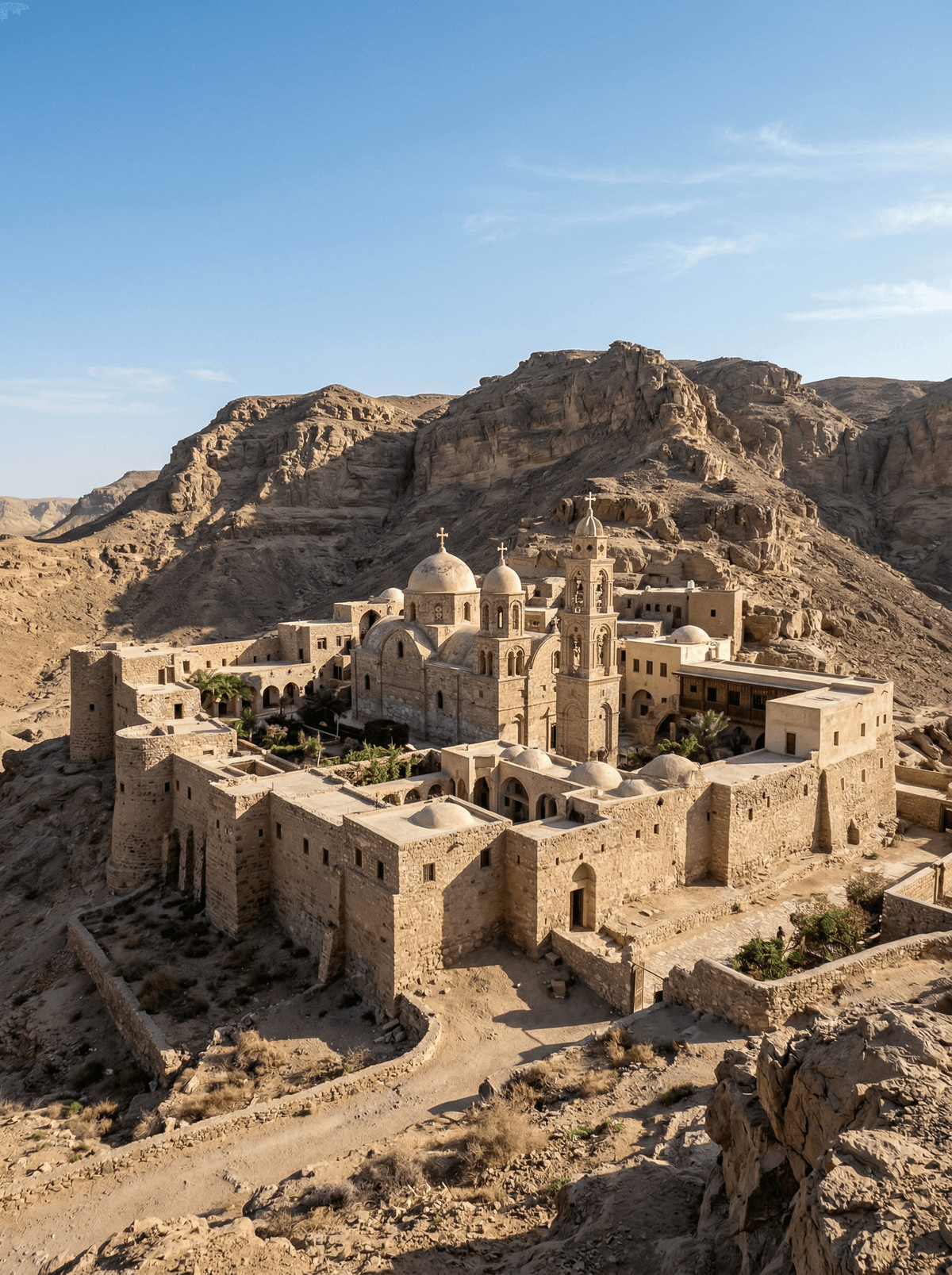
Monastery of St. Anthony
Earth's oldest inhabited monastery, wedged into a Red Sea mountain canyon since the fourth century.
The canyon walls close around you on the climb to the monastery gate, the Red Sea Mountains blocking every sound but wind and birdsong. Inside, Coptic murals glow in lamplight that has barely changed since the sixth century. The air smells of old stone, incense, and dates ripening in the monks' garden.
The Monastery of St Anthony is the oldest inhabited monastery on Earth, founded in the fourth century at the mountain where Anthony of Egypt — the father of Christian monasticism — spent his final decades. It runs as a self-contained village: churches, a library of rare Coptic manuscripts, its own bakery, and gardens fed by a natural spring. The Church of St Anthony holds some of the finest Coptic wall paintings in existence, and Anthony's cave waits two kilometres above the walls, up 1,200 steps cut into the mountain.
Solo
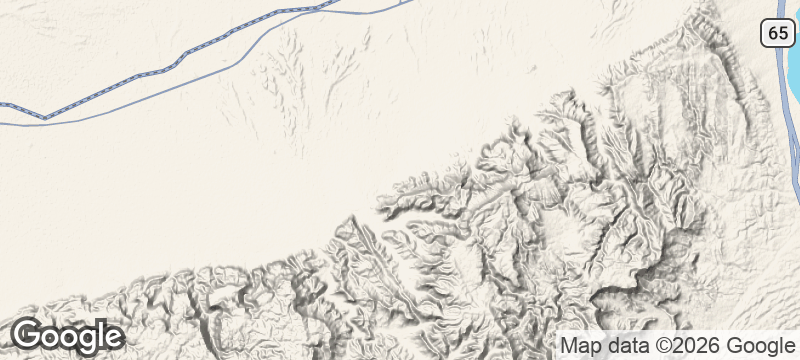
Come midweek, climb the 1,200 steps to Anthony's cave, and let the wadi silence do the talking.
- Founded in the fourth century, this is the earliest Christian monastery still in continuous operation.
- Anthony's cave sits 276 metres above the compound — 1,200 steps, with the wadis and the Red Sea beyond.
- The church frescoes, painted between the 8th and 13th centuries, came back to colour under a full restoration.
- Hospitality is part of the rule here — guests are received, and meals are shared with the community.
Meals are shared with the monastic community — bread from the monastery's own bakery, vegetables from its spring-fed gardens.
Dates and olives ripen in the canyon garden, and strong coffee is poured for guests in the reception room.
Drakensberg
South Africa
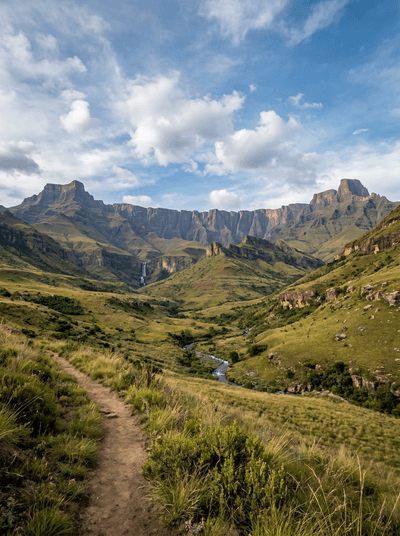
Basalt walls rise above sandstone caves painted across thousands of years.
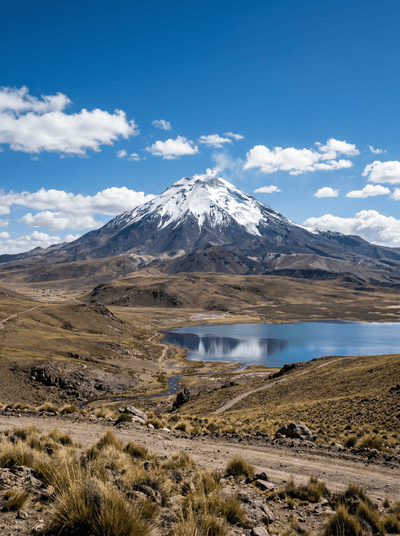
Parque Nacional Volcán Isluga
Chile
Volcanic horizons and high wetlands surround living Aymara settlements in the altiplano.
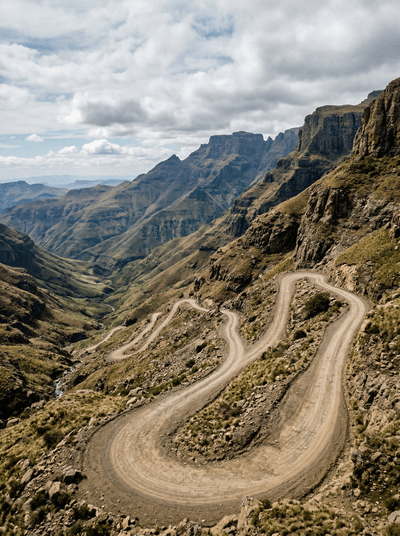
Sani Pass
South Africa
A switchback road climbs from green foothills to a high border above the clouds.
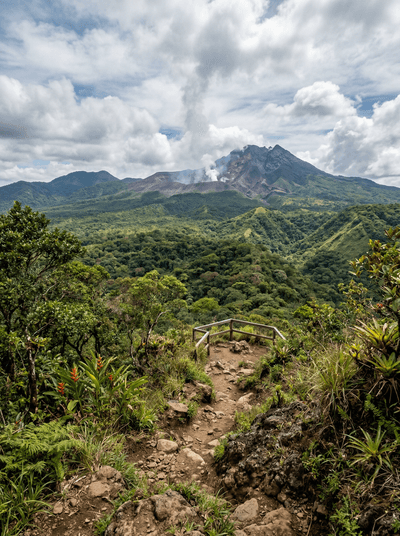
Rincón de la Vieja
Costa Rica
Volcanic mud pots belch and bubble through dry tropical forest like the earth digesting itself.
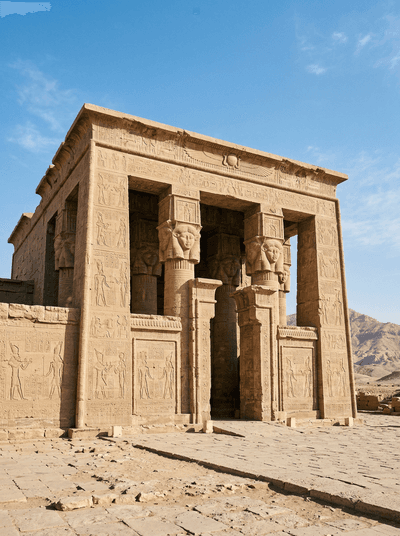
Dendera
Egypt
Two-thousand-year-old paint still vivid on ceilings where the goddess Hathor smiles from every column.
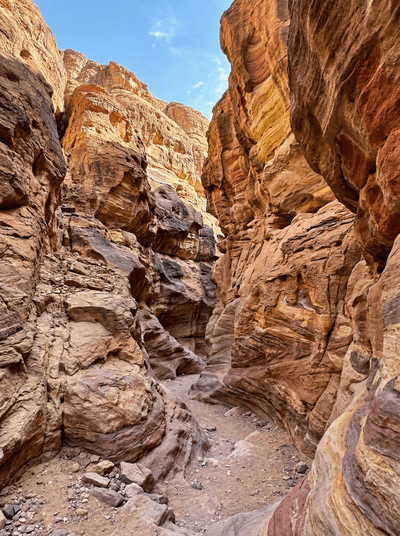
Coloured Canyon
Egypt
Sandstone walls rippling in rust, ochre, and violet, narrow enough to touch both sides.
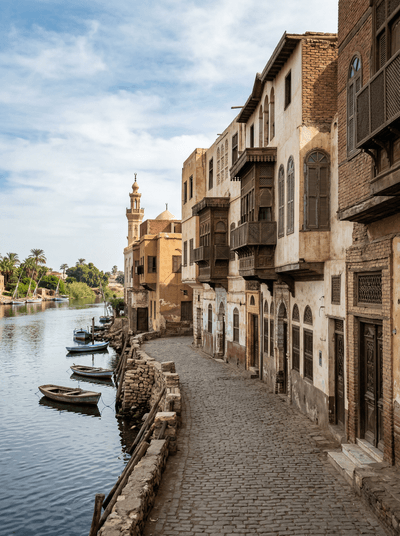
Rosetta
Egypt
Ottoman mansions with mashrabiya screens leaning over lanes where the key to hieroglyphs was found.
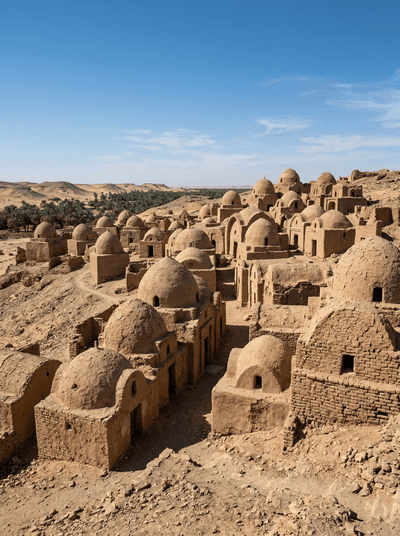
Al-Bagawat
Egypt
Domed desert chapels with fourth-century biblical murals, among the oldest Christian art on Earth.