Egypt
Mons Claudianus
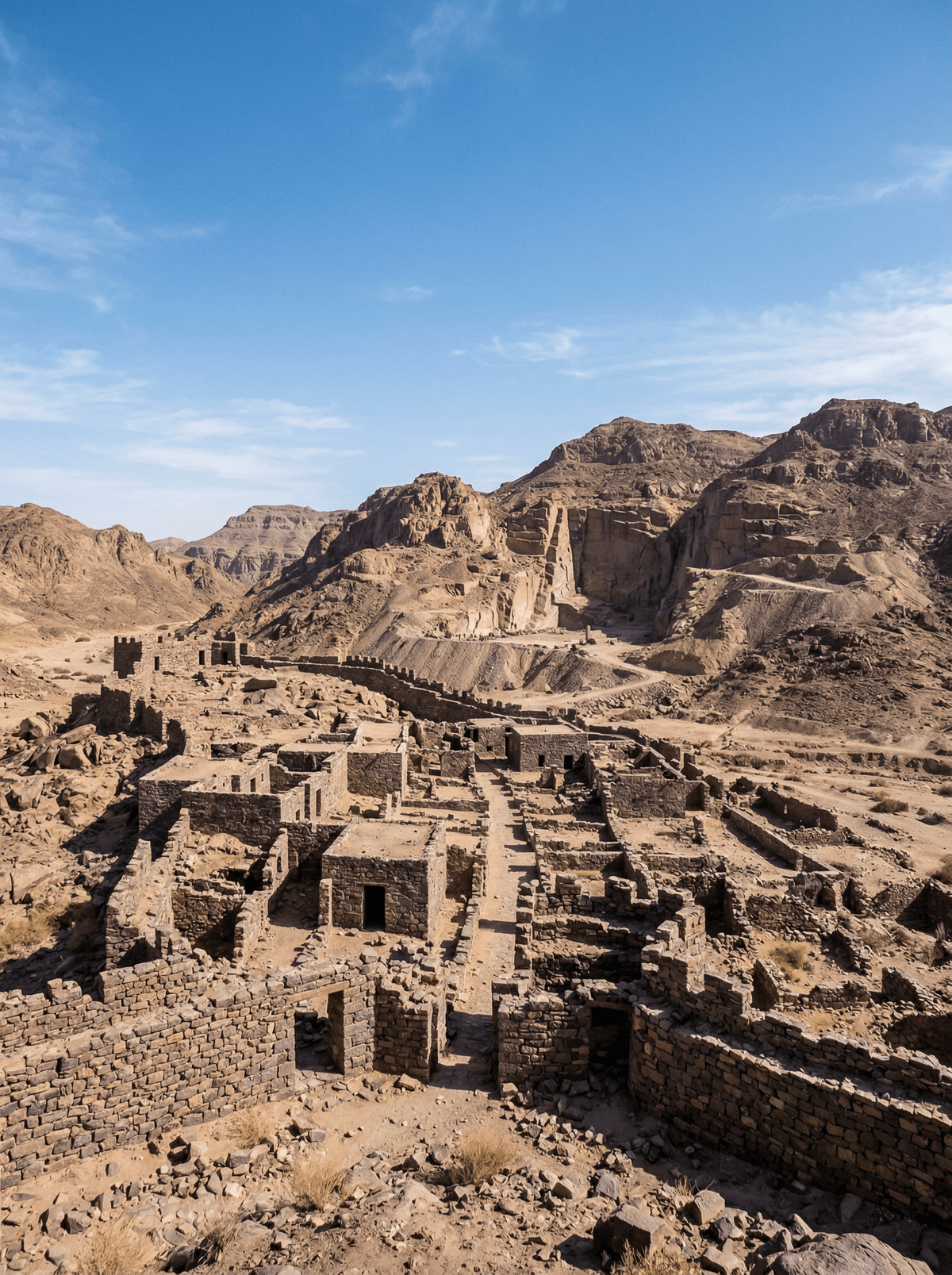
Granite columns for the Pantheon, abandoned mid-cut in a silent desert canyon eighteen centuries ago.
Granite columns lie where Roman workers abandoned them mid-cut, still bearing chisel marks eighteen centuries old. The canyon is silent now — no voices, no machinery, just the creak of cooling rock in the late afternoon. You stand in the quarry that built the Pantheon's portico, and nobody else is here.
Mons Claudianus was a Roman imperial quarry in the Eastern Desert, worked from the first to the third century CE. Its grey granite travelled by sledge to the Nile and on to Rome — the Pantheon, Trajan's Forum, Hadrian's Villa. The settlement it left behind is remarkably complete: barracks, a temple, a bath house, animal pens, and some 9,200 ostraca — pottery shards written in Greek and Latin that record the daily lives of the men, women and children who worked the stone.
Solo
Join a day tour from Hurghada and take the settlement slowly — the ostraca stories are the point.
Friends
Fill the jeep between you for the pre-dawn start, and picnic among columns cut for emperors.
- Monolithic columns for the Pantheon were cut here — blocks up to 200 tonnes moved by sledge and roller.
- A complete garrison fort survives beside the quarry face: bathhouse, barracks, stables, wells.
- The 9,200 ostraca are the quarry's own voice — supply lists, tallies and complaints from the workforce.
- What was an expedition is now a pre-dawn jeep day out of Hurghada — catered, and still 4x4 country.
Day tours out of Hurghada run catered — lunch laid in the desert, tea and water through the day.
You are back on the coast by evening, where Hurghada's seafood grills finish the day.
Arenal & La Fortuna
Costa Rica
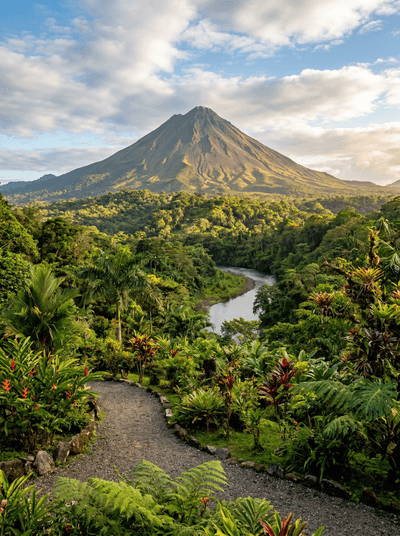
Hot springs steaming through jungle beneath a volcano's perfect cone at dusk.
Drakensberg
South Africa
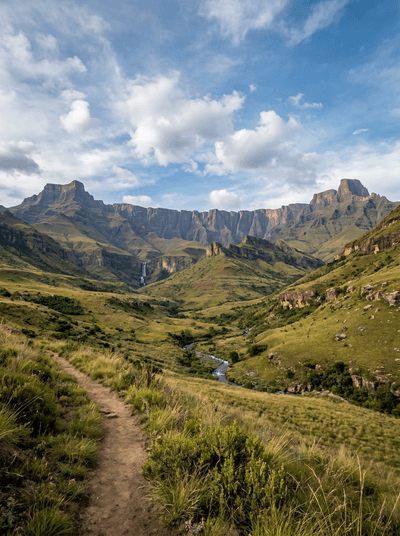
Basalt walls rise above sandstone caves painted across thousands of years.
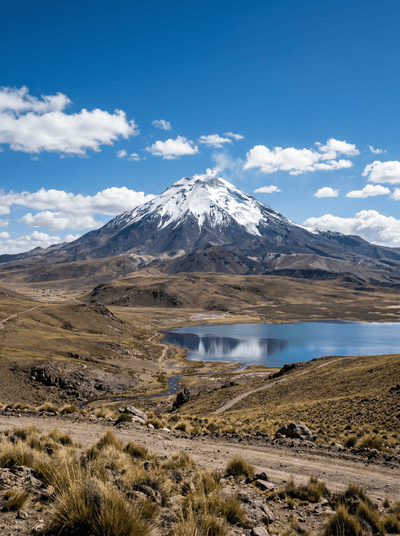
Parque Nacional Volcán Isluga
Chile
Volcanic horizons and high wetlands surround living Aymara settlements in the altiplano.
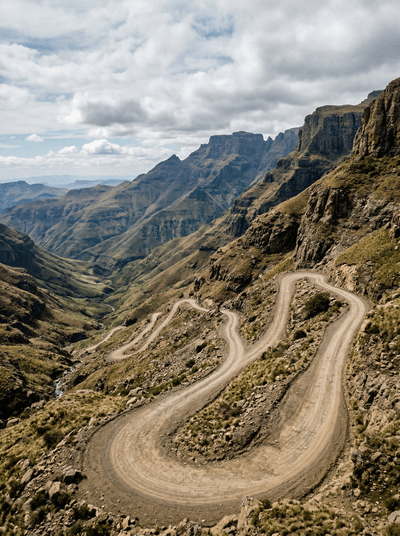
Sani Pass
South Africa
A switchback road climbs from green foothills to a high border above the clouds.
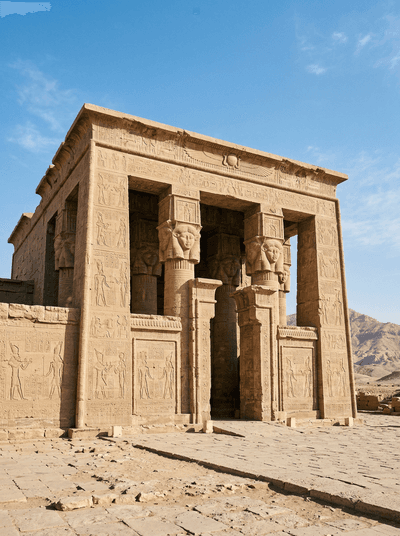
Dendera
Egypt
Two-thousand-year-old paint still vivid on ceilings where the goddess Hathor smiles from every column.
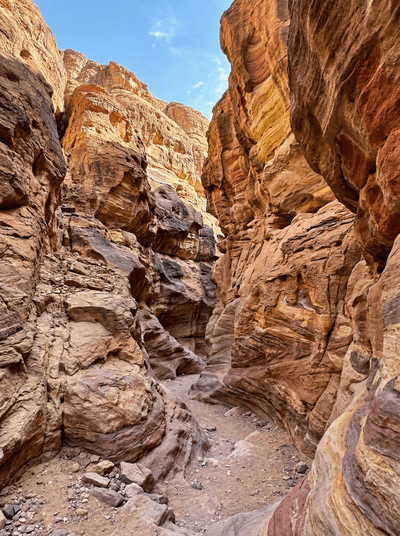
Coloured Canyon
Egypt
Sandstone walls rippling in rust, ochre, and violet, narrow enough to touch both sides.
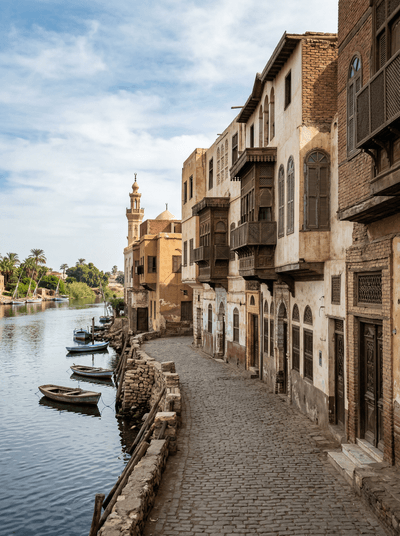
Rosetta
Egypt
Ottoman mansions with mashrabiya screens leaning over lanes where the key to hieroglyphs was found.
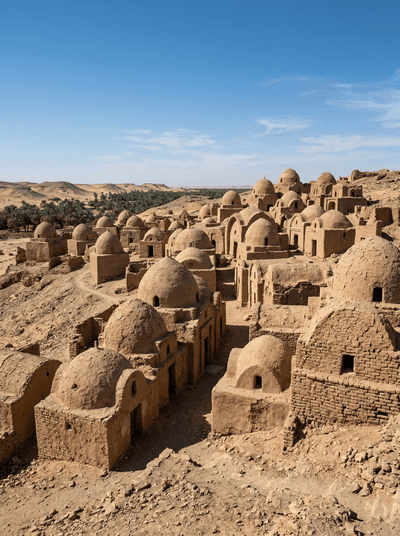
Al-Bagawat
Egypt
Domed desert chapels with fourth-century biblical murals, among the oldest Christian art on Earth.