Kenya
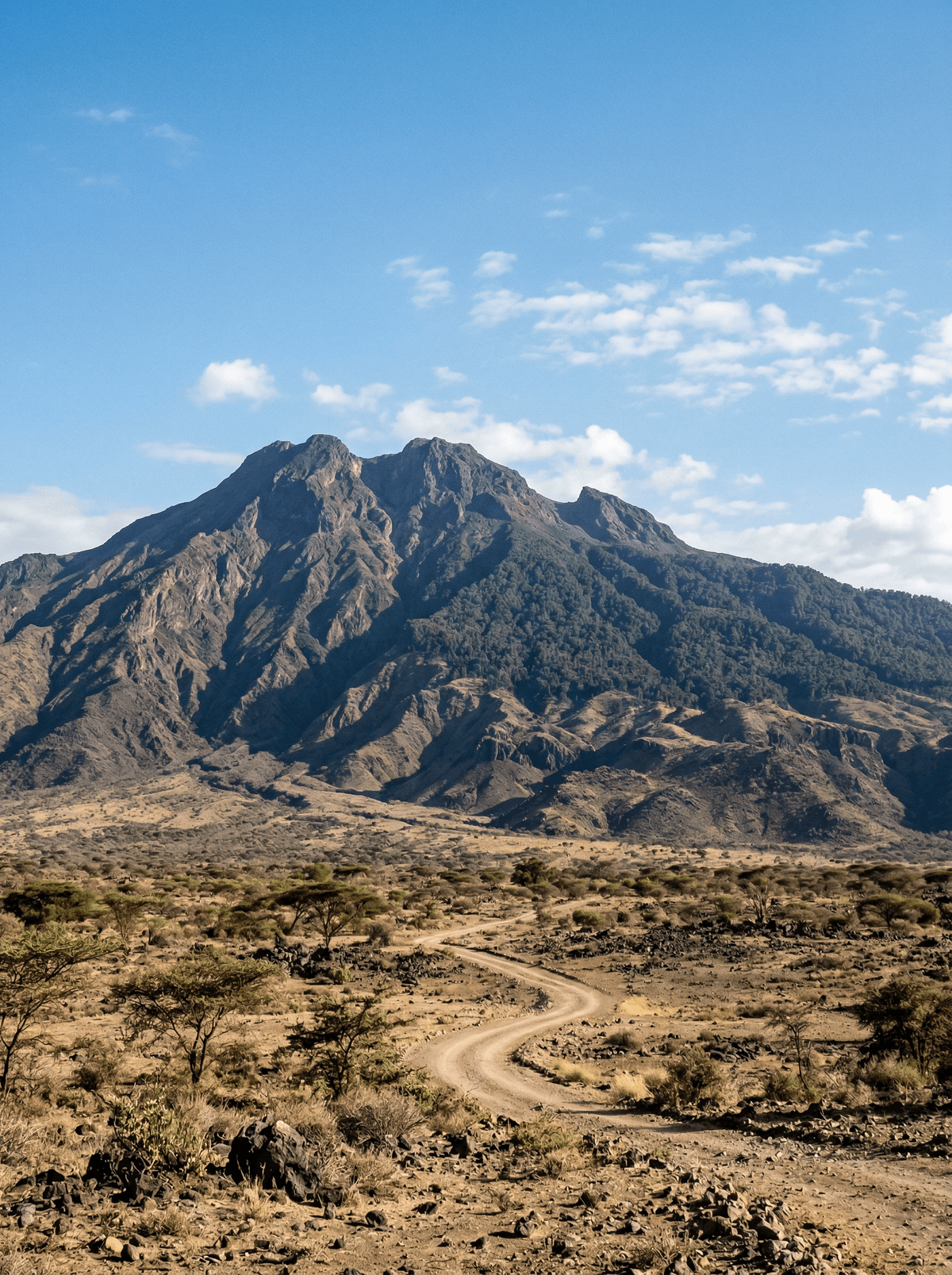
Mount Kulal
A cloud forest floats above the Chalbi Desert on a volcano rim only camels can reach.
The cloud forest appears like a hallucination — dense green canopy floating above the baked white crust of the Chalbi Desert. Moisture condenses on your skin as the camels climb higher, and the temperature drops twenty degrees in an hour. Mount Kulal in northern Kenya is a summit that belongs to a different continent entirely.
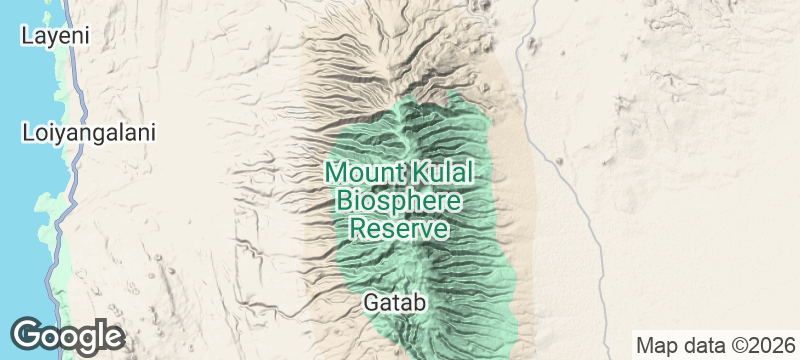
Mount Kulal is a UNESCO Biosphere Reserve, designated in 1978 as one of Kenya's first. The summit cloud forest receives 800mm of annual rainfall in a region where the surrounding desert receives fewer than 50mm — condensation from Lake Turkana's winds maintains a permanent forest on the crater rim. The Rendille and Turkana consider Kulal sacred. Access to the upper forest requires negotiation with community elders, and traditional ceremonies are still conducted on the summit. Reaching the top requires a two-to-three-day camel ascent from the Chalbi desert floor — one of East Africa's genuinely remote wilderness experiences, unchanged by roads or tourist infrastructure.
Solo
The multi-day camel ascent from scorching desert to misty cloud forest is one of Kenya's most demanding treks. Solo travellers with a guide gain a mountain that receives fewer than a hundred visitors a year — and a perspective on the Chalbi Desert that no photograph captures.
Couple
The multi-day camel ascent from scorching desert to misty cloud forest is one of Kenya's most extraordinary shared journeys. The contrast between the Chalbi and the summit is almost surreal — and you experience it together, step by step.
- Mount Kulal is a UNESCO Biosphere Reserve designated in 1978 — one of Kenya's first — protecting the cloud forest summit ecosystem and the desert transition zone where the Chalbi meets the Turkana basin.
- The summit cloud forest receives 800mm of annual rainfall in a region where the surrounding desert receives fewer than 50mm — the condensation from Lake Turkana winds maintains a permanent forest on the crater rim.
- The Rendille and Turkana consider Kulal sacred — access to the upper forest requires negotiation with community elders, and traditional ceremonies are still conducted on the summit crater.
- Reaching the summit requires a 2–3 day camel ascent from the Chalbi desert floor — one of East Africa's genuinely remote wilderness experiences, unchanged by roads or tourist infrastructure.
Rendille camel milk and dried meat sustain the climb from the desert floor.
Wild honey from hives in the cloud forest canopy is traded at base-camp settlements.
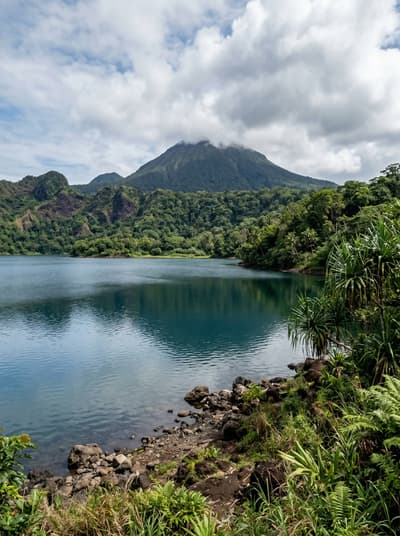
Gaua
Vanuatu
A volcanic lake drains into the ocean via a waterfall that plunges through untouched jungle.
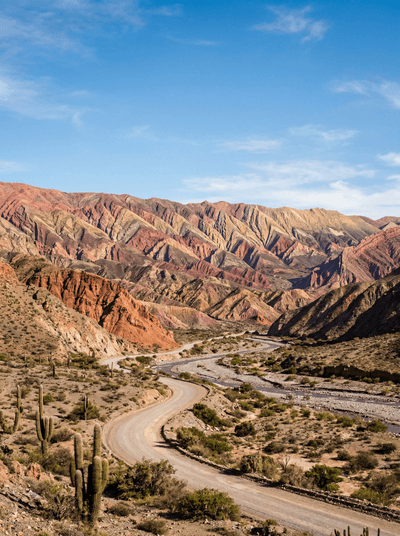
Quebrada de Humahuaca
Argentina
A canyon of fourteen-colour hills where Inca trails thread through villages older than the conquest.
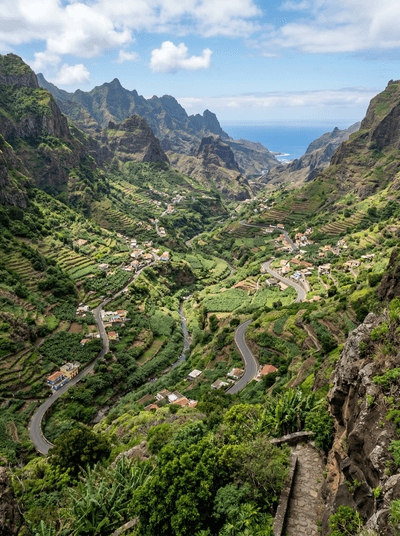
Vale do Paúl
Cape Verde
Sugarcane terraces spill down a volcanic crater into the greenest valley in the archipelago.
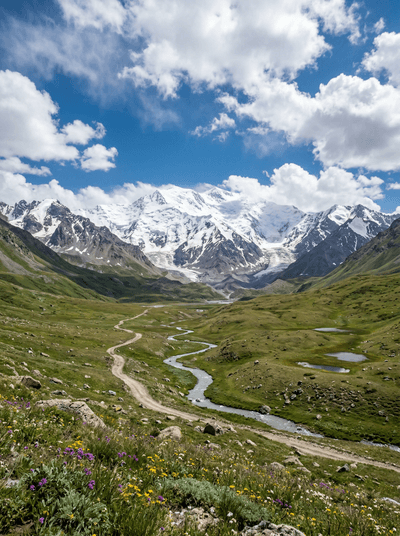
Achik-Tash
Kyrgyzstan
Yurt camps at 3,600 metres beneath a 7,134-metre peak, alpinists and trekkers sharing vodka at sunset.
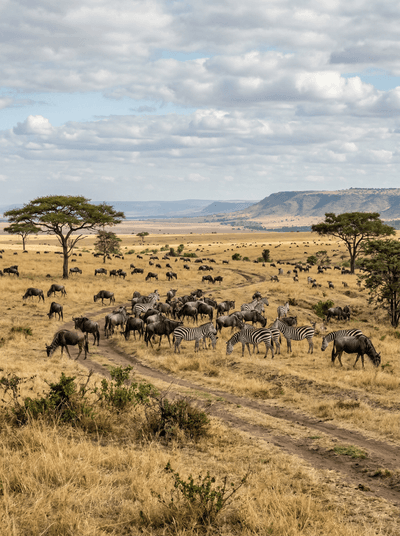
Masai Mara National Reserve
Kenya
Over a million wildebeest thunder across crocodile-thick rivers in Earth's largest land migration.
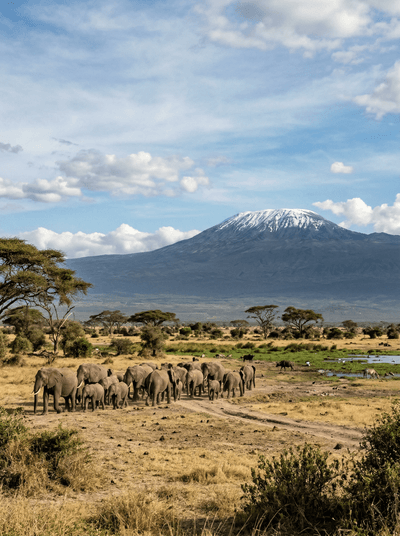
Amboseli National Park
Kenya
Elephants wade through swamp grass with Kilimanjaro's snow-capped peak floating above the haze.
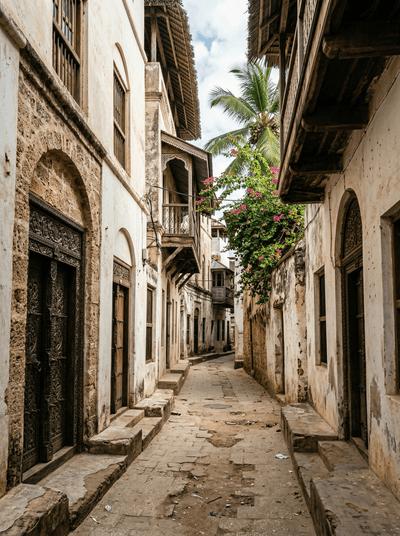
Lamu Old Town
Kenya
Donkeys replace cars on coral-stone lanes where Swahili doors tell centuries of family history.
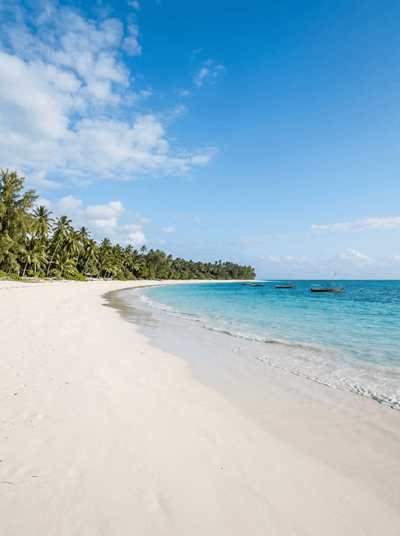
Diani Beach
Kenya
Colobus monkeys leap through the canopy above white sand so fine it squeaks underfoot.