Brazil
Parintins
Two bulls, three nights, and a title decided by seven tenths of a point.
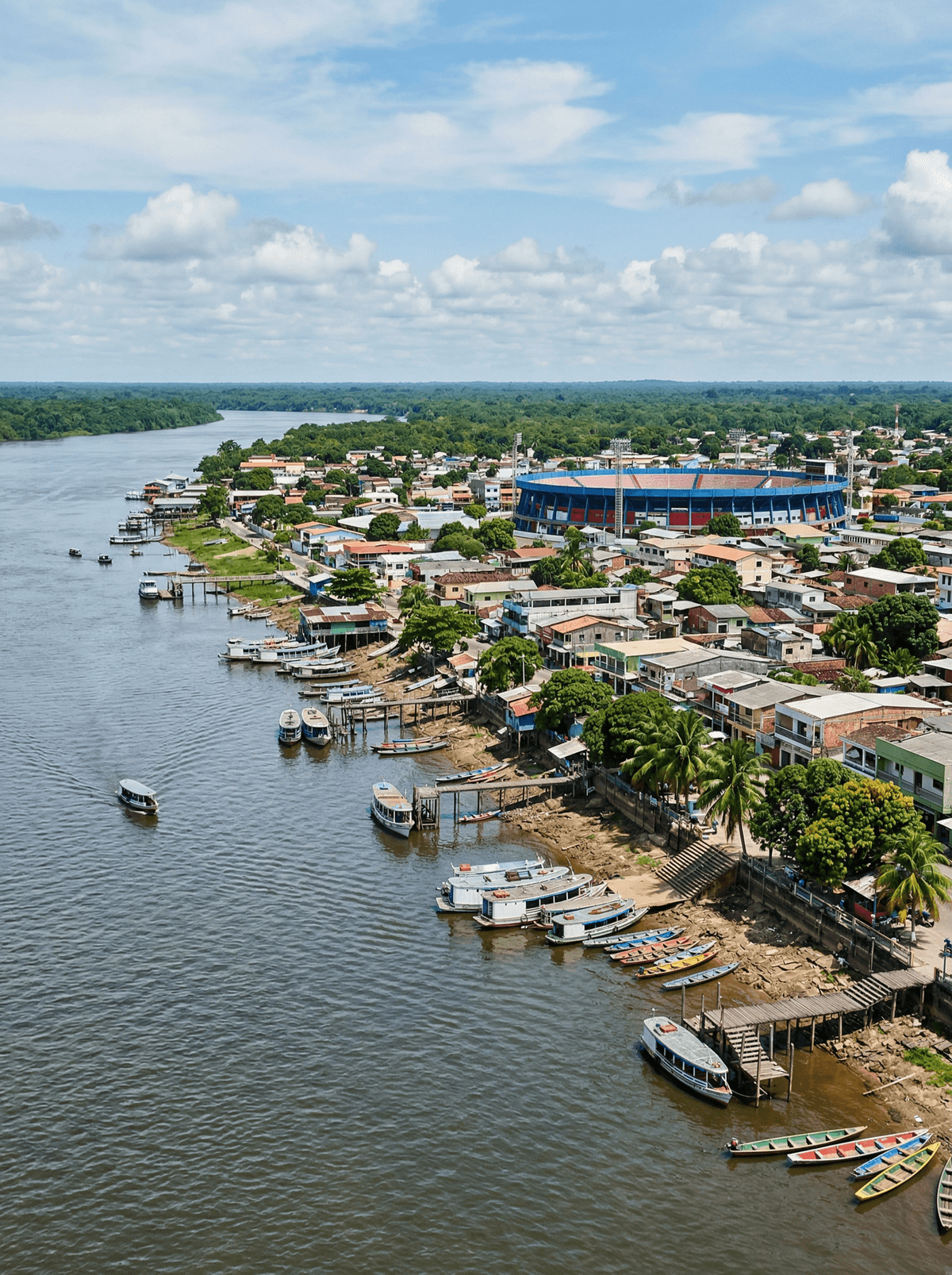
Two bulls, one island, three nights at the end of June. Caprichoso is the blue one and Garantido the red, and the arena they perform in is built in the shape of a stylised bull's head with room for around twenty-five thousand people. In 2026 it went to Caprichoso by seven tenths of a point.
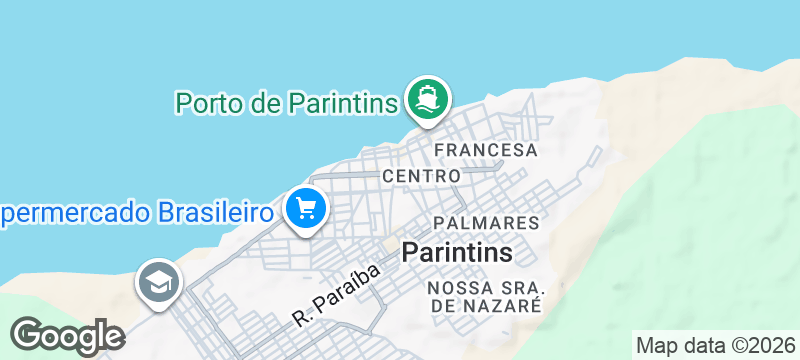
There is no road to Parintins. It sits on an island in the middle Amazon, an hour's flight from Manaus or roughly eighteen hours downriver by boat, with twenty-four coming back against the current; the fast lancha does eight out and ten back. The 59th edition ran three nights and the count was read out at the Bumbódromo on the Monday. What the two bois perform is federally protected: IPHAN registered the boi-bumbá cultural complex of the middle Amazon and Parintins in the Livro das Celebrações on 8 November 2018, describing a bull that arrived in Amazônia with the religious missions and gathered indigenous, Afro-Brazilian and north-eastern elements on the way. The arena has a second life as well, because since a full rebuild in 2013 it has been the Centro Cultural de Parintins, holding the Liceu de Artes e Ofícios Claudio Santoro and opening to the public on weekday mornings and afternoons and Saturday afternoons. Away from all of it the island runs quieter, with a short dry season from August to October, balneários along the lake edges and the Serra da Valéria going in and out of cloud beside the Amazon.
Friends
Choose a side before you land, because the stands are split between the two torcidas and there is no neutral seating in a bull's head. Book everything a long way out: this is an island with no road, and the last weekend of June is the only weekend that counts.
Couple
Come outside June if you want the island more than the crowd. The dry stretch is August to October, the lakeside balneários are what residents themselves use, and the Bumbódromo keeps public hours through the other eleven months as a cultural centre and arts school.
- The Bumbódromo is built in the shape of a stylised bull's head and takes about 25,566 people in the arena; it opened in 1988 and was rebuilt in 2013 as a cultural centre.
- There is no road here. Manaus is an hour by air, about eighteen hours downriver by boat and twenty-four coming back, or eight hours out and ten back by fast lancha.
- IPHAN registered the boi-bumbá cultural complex of the middle Amazon and Parintins in the Livro das Celebrações on 8 November 2018, a bull that arrived with the missions and took on indigenous, Afro-Brazilian and north-eastern elements.
- The contest runs on the last weekend of June, and in 2026 Caprichoso took the 59th title by seven tenths of a point after three nights.
Bodó, the plated and spined catfish, is what the island actually eats, grilled over charcoal on street corners by residents who live off selling it, or served in tucupi sauce.
Tacacá here is tucupi cooked for up to five days, jambu that numbs the tongue, prawns and manioc gum, with bolinho de piracuí, pounded fish flour rolled and fried, alongside the drinks.
Suva
Fiji
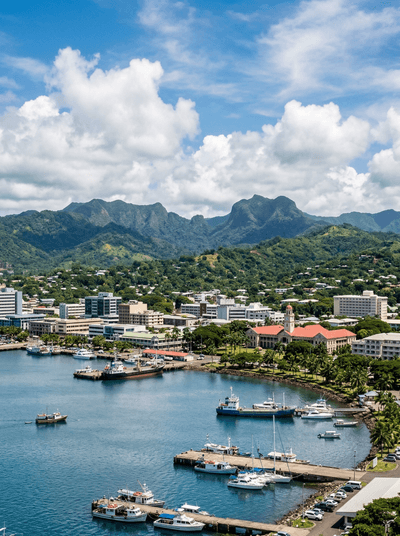
South Pacific hustle where Hindu temples share streets with Fijian markets and colonial verandahs.
Levuka
Fiji
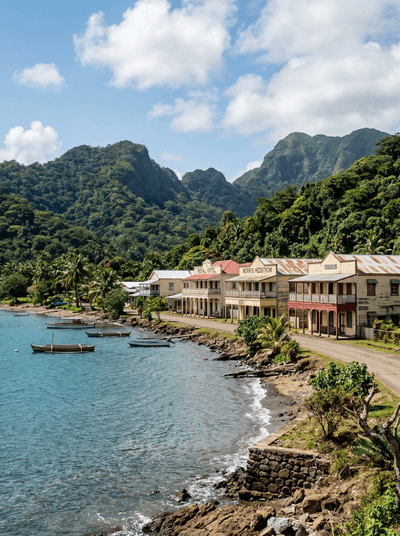
Fiji's first colonial capital frozen in the 1870s, wooden shopfronts sagging under tropical rain.
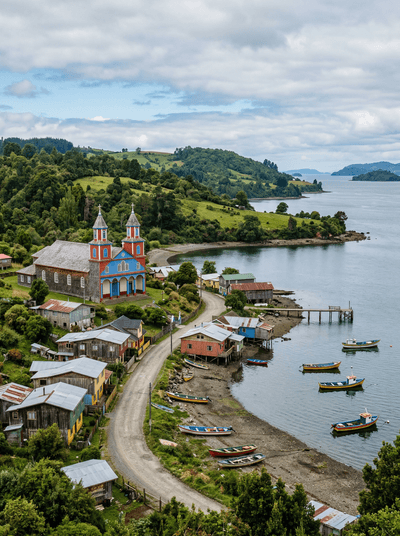
Isla Chiloé (Tenaún)
Chile
Three timber towers rise above a quiet Chilote waterfront.
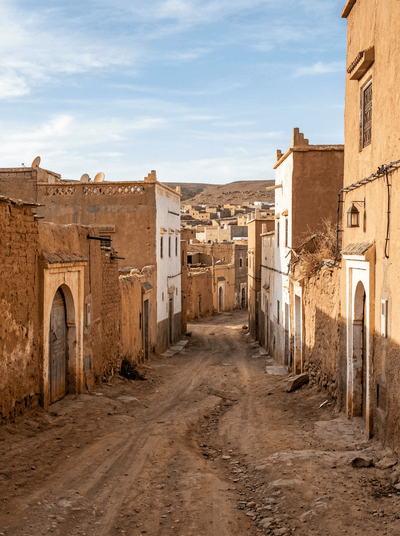
Tan-Tan
Morocco
Tbourida thunders past white tents as Hassaniya poetry gathers more than thirty desert tribes.
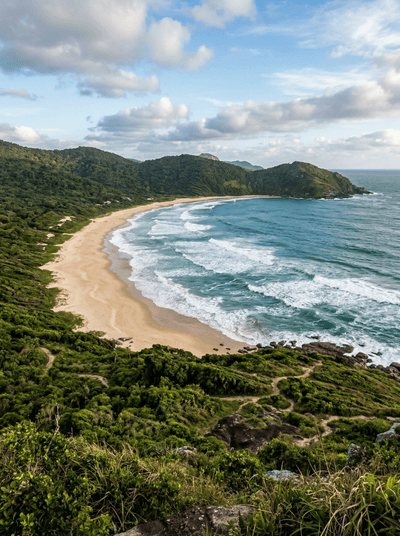
Praia do Rosa
Brazil
Right whales leave Antarctica to calve in this bay, and you watch from the headland.
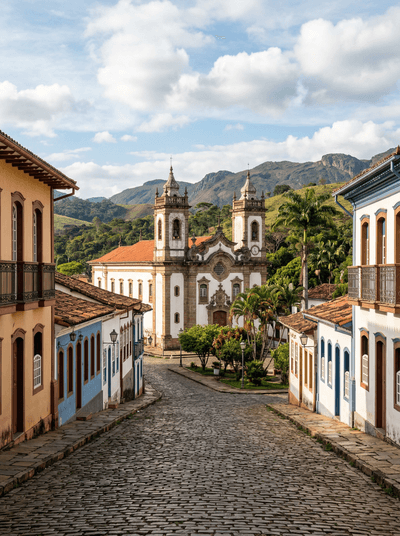
São João del-Rei
Brazil
Baroque towers answering each other across a valley, ringing the sex of whoever has just died.
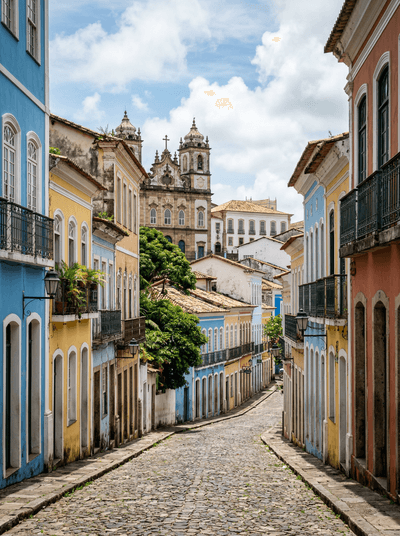
Salvador
Brazil
Drum rhythms ricocheting off colonial walls where song, dance and combat happen at once.
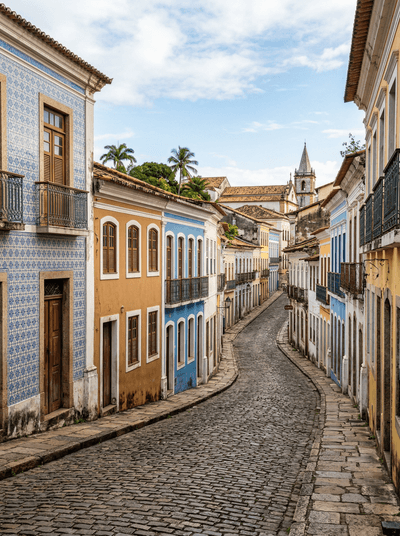
São Luís
Brazil
Hand-painted Portuguese tiles across four thousand colonial houses, cooling the walls against equatorial heat.