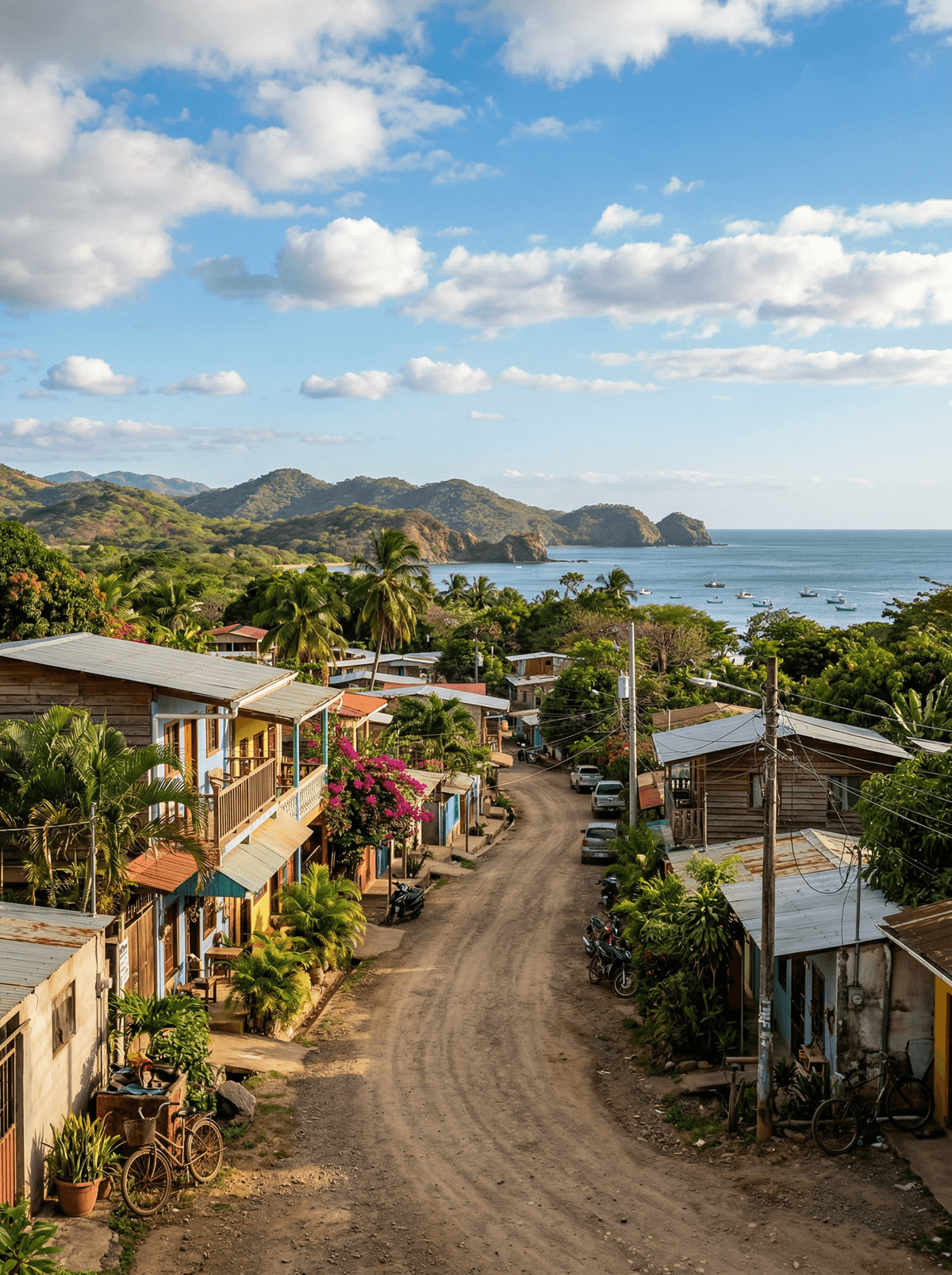
Costa Rica
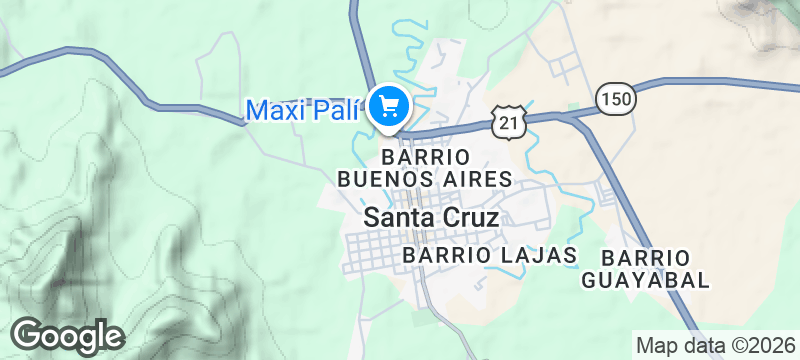
Santa Cruz
In Costa Rica's folklore capital, the bull chases the crowd — not the other way around.
Dust lifts from the ring as the bull charges and the crowd scatters — laughing, stumbling, climbing the barriers while marimba notes carry across the central park from a stage where nobody is sitting still. Santa Cruz is Costa Rica's designated Folklore Capital, and during its January Fiestas Típicas, the town becomes the loudest, most unfiltered expression of Guanacaste's cowboy culture.
Toros a la tica — Costa Rican bullfighting — involves no killing. The bull is released into an open ring, and improvised bullfighters from the crowd dodge rather than fight, turning fear into theatre. Sabanero cowboys parade on horseback through streets lined with food stalls selling rosquillas, tamales pisques, and warm atole. The festival dates back generations, rooted in the ranching traditions of Guanacaste's dry Pacific lowlands. Outside festival season, Santa Cruz's central market — operating six days a week — is one of the few places in the province where traditional Chorotega-influenced food is available year-round, preserving indigenous culinary knowledge that predates the Spanish arrival.
Friends
The Fiestas Típicas are built for groups — toro ring chaos, marimba dancing, street food crawls, and the kind of shared adrenaline that comes from dodging a loose bull in an open ring.
Family
Costa Rican families bring their children to Santa Cruz's fiestas as a rite of passage. The parades, cowboy culture, and food stalls create a festival atmosphere that is raucous but safe — the bulls chase, but nobody gets hurt.
- Santa Cruz is designated the Folklore Capital of Costa Rica — its Fiestas Típicas in January are considered the most authentic expression of Guanacaste's cowboy traditions.
- Toros a la tica — Costa Rican bullfighting — involves no killing: the bull is released into a ring with improvised bullfighters who dodge rather than fight.
- Marimba bands, sabanero (cowboy) parades, and food stalls selling rosquillas, tamales pisques, and atole fill the central park during the fiesta.
- Santa Cruz's central market operates six days a week — one of the few places in Guanacaste where traditional Chorotega-influenced food is available outside festival season.
The food capital of Guanacaste: tamales pisques, arroz de maíz, and corn atole at festival stalls.
Rosquillas and cajetas — corn-cheese rings and milk fudge — sold by women who learned from grandmothers.
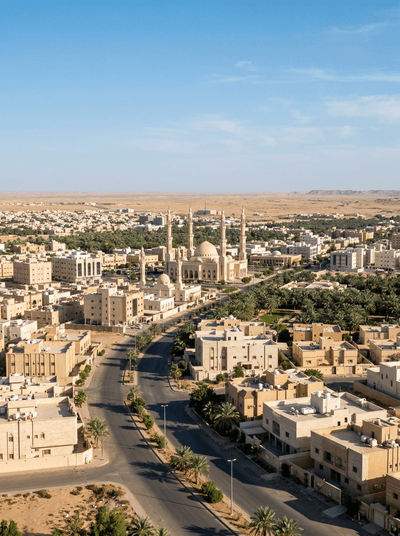
Buraidah
Saudi Arabia
The world's largest date market — mountains of amber fruit piled in a hangar-sized trading hall.
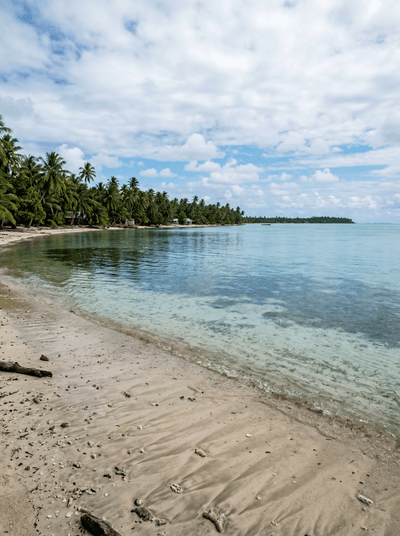
Betio
Kiribati
Rusting Japanese guns still point seaward from beaches where a thousand Marines fell in 76 hours.
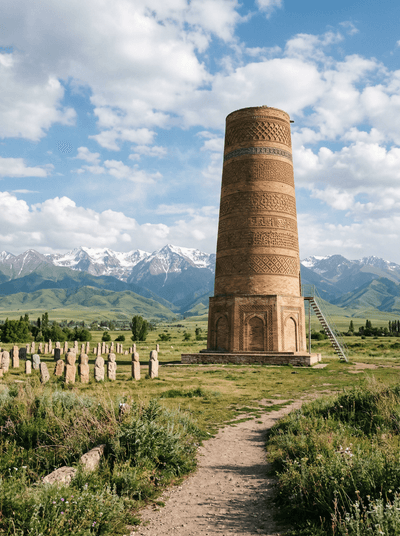
Burana Tower
Kyrgyzstan
An 11th-century minaret halved by earthquakes — all that remains of a capital swallowed by steppe.
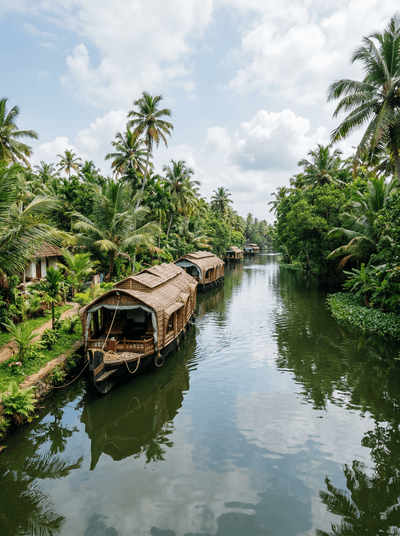
Alleppey
India
Houseboats drift through palm-fringed backwater canals where village life unfolds on narrow embankments.
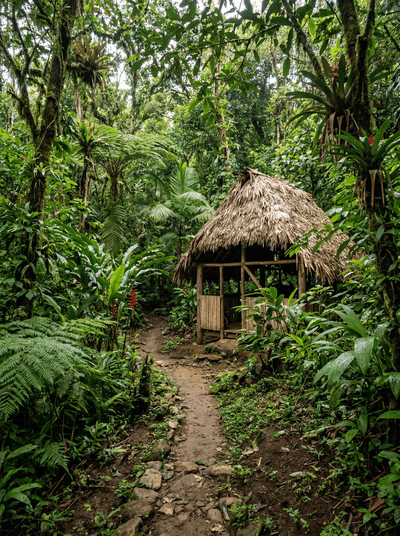
Bribri Indigenous Territory
Costa Rica
Indigenous cacao ceremonies deep in a rainforest territory where the Bribri have lived for millennia.
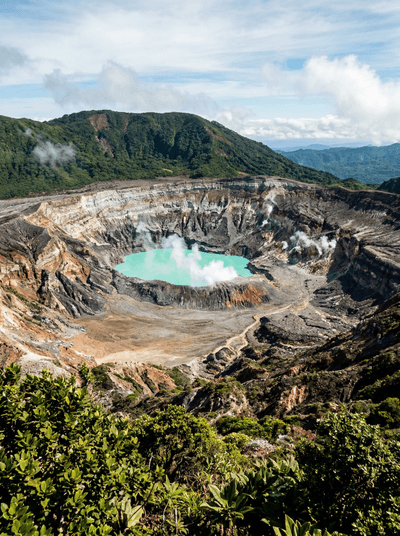
Poás Volcano
Costa Rica
An acid lake steams and shifts colour inside one of Earth's widest active craters.
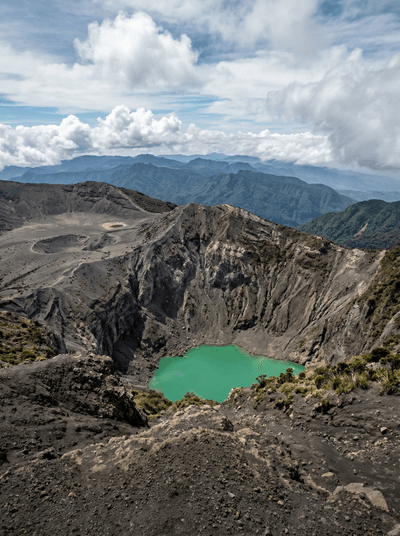
Irazú Volcano
Costa Rica
An acid-green crater lake at 3,432 metres where both the Caribbean and Pacific shimmer below.
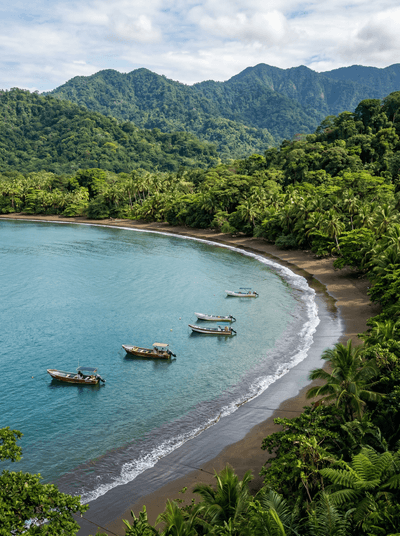
Drake Bay
Costa Rica
Scarlet macaws wheel above your morning snorkel in a bay where boats outnumber cars.