Pakistan
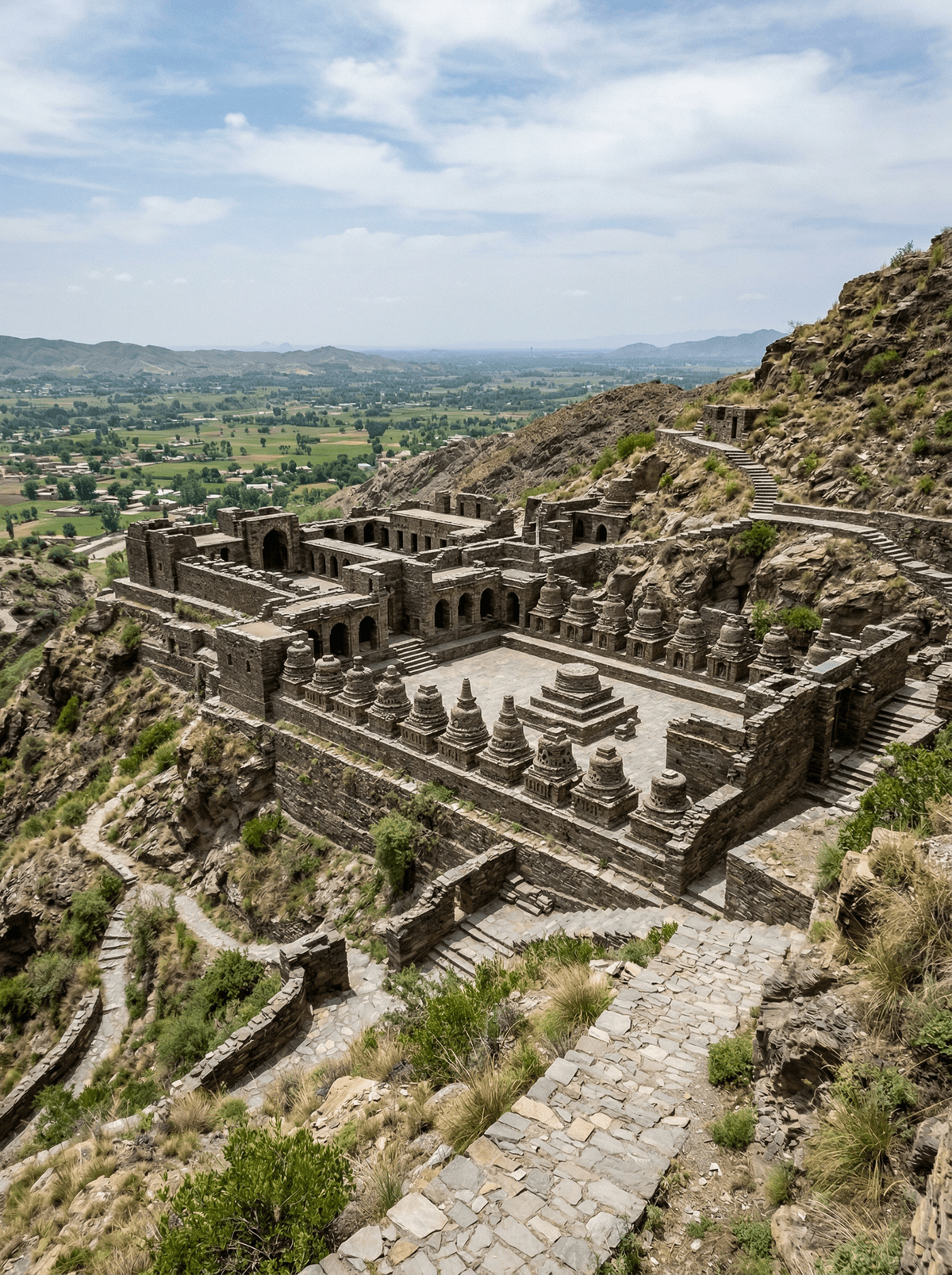
Takht-i-Bahi
A Gandhara monastery so high on its hilltop that every invading army simply walked past below.
The monastery rises from its hilltop like a crown of stone, every chamber open to the sky and the Peshawar plain spreading to the horizon below. Wind moves through the meditation cells where Gandhara monks once sat, carrying the scent of dry grass and heated rock. The silence here is the kind that accumulates over centuries — sixteen of them, at minimum.
Takht-i-Bahi is a remarkably intact Buddhist monastery complex dating from the 1st century BCE to the 7th century CE, perched on a rocky ridge near Mardan in Khyber Pakhtunkhwa. Its elevated position — the name translates roughly as 'Throne of the Spring' — is precisely why it survived: while valley-floor monasteries were sacked repeatedly by invading forces, Takht-i-Bahi's hilltop location made it strategically irrelevant and physically difficult to assault. The complex includes a main stupa court, monastic cells, meditation chambers, and a tantric hall, all built from local stone that glows amber in afternoon light. UNESCO designated it a World Heritage Site in 1980, recognising it as one of the best-preserved examples of Gandhara Buddhist architecture anywhere in Pakistan. The nearby settlement of Sahr-i-Bahlol at the base of the hill preserves a fortified city from the same period.

Solo
Solo visitors can explore Takht-i-Bahi at their own pace, sitting in the open meditation cells with nothing but wind and the plain below for company. The site receives far fewer visitors than comparable ruins in South Asia — mornings are often entirely yours.
Couple
The monastery's sun-warmed stone chambers and panoramic views over the Peshawar plain create a contemplative atmosphere that suits couples seeking something beyond typical sightseeing — this is a place to be quiet together.
- The monastery complex sits on a ridge 152 metres above the Mardan plain, high enough that Mughal-era armies bypassed it — the isolation preserved its structure.
- The main stupa court, assembly hall, and monks' cells are all intact enough to walk and inhabit imaginatively — the spatial logic of monastic life is legible.
- Gandhara Buddhist art was produced here between the 1st and 7th centuries CE, a period when Greek, Roman, Persian, and Indian visual traditions merged in a single workshop.
- The site is a UNESCO World Heritage Site that receives few Western visitors — local school groups from Mardan are often the only other people here.
Peshawari chapli kebab from nearby Mardan — the regional speciality, spiced and flat-fried.
Mardan's kulcha with thick yoghurt — simple and filling.
Sugar cane juice pressed fresh at roadside stalls, sweet and cold.
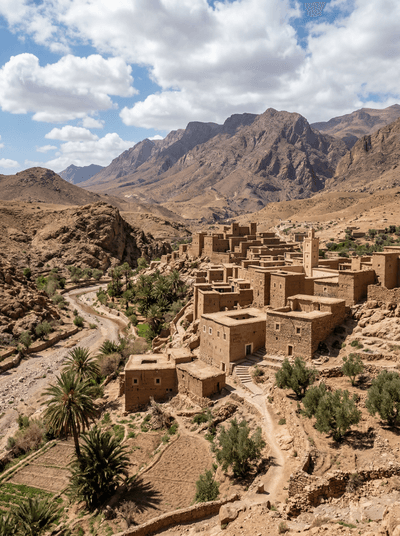
Tazenakht
Morocco
Morocco's carpet capital — Berber kilims woven in cooperatives, looms clacking on every street.
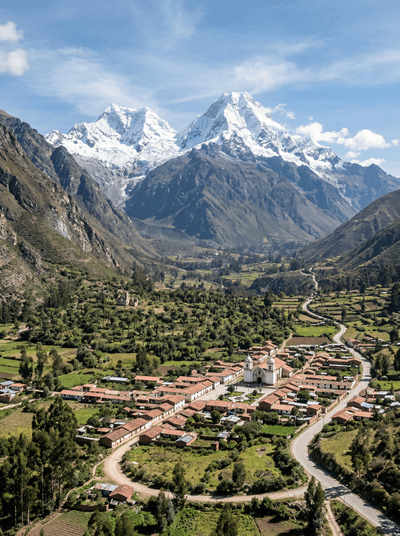
Yungay
Peru
A buried city marked only by the tips of cathedral palm trees piercing the debris field.
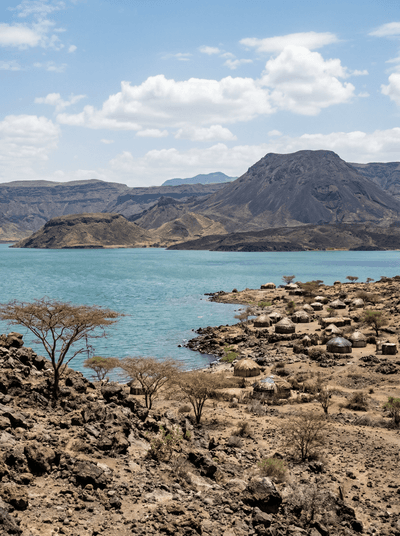
Loiyangalani
Kenya
Four tribes meet at a windswept settlement where the desert ends and the Jade Sea begins.
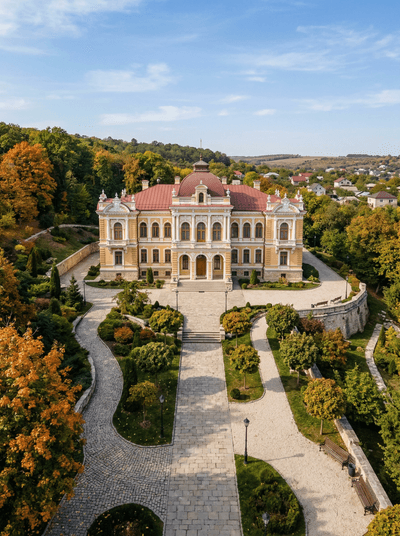
Hîncești
Moldova
An Armenian merchant prince's crumbling estate — ballrooms open to the sky, filling with ivy.
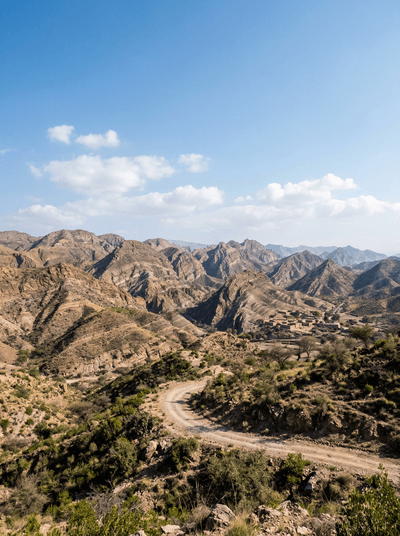
Salt Range
Pakistan
Crimson salt cliffs exposing the floor of a 600-million-year-old vanished ocean in Punjab's flat plains.
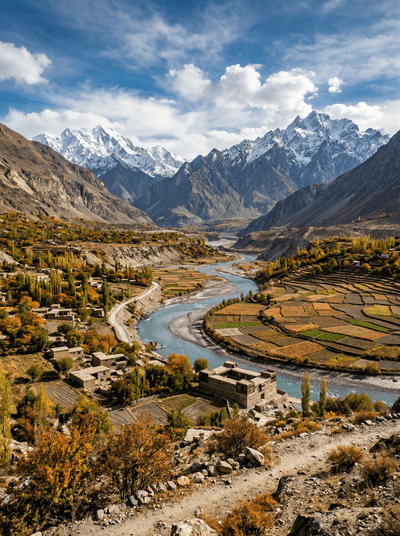
Chitral
Pakistan
Hindu Kush walls rising 7,700 metres above polo grounds where horsemen play without rules or saddles.
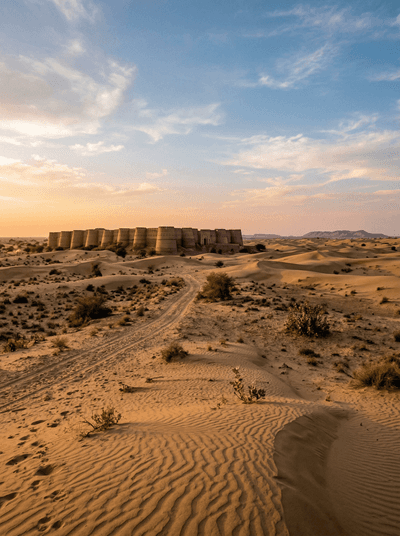
Cholistan Desert
Pakistan
Forty bastions of a forgotten fortress rising from featureless desert where camel nomads still roam.
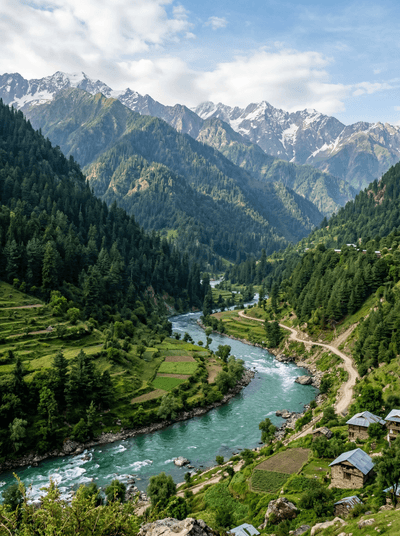
Neelum Valley
Pakistan
A valley split by a ceasefire line where the river flows freely between two warring nations.