Argentina
Villavicencio
The shuttered hotel printed on every Argentine water bottle stands beyond mountain switchbacks.
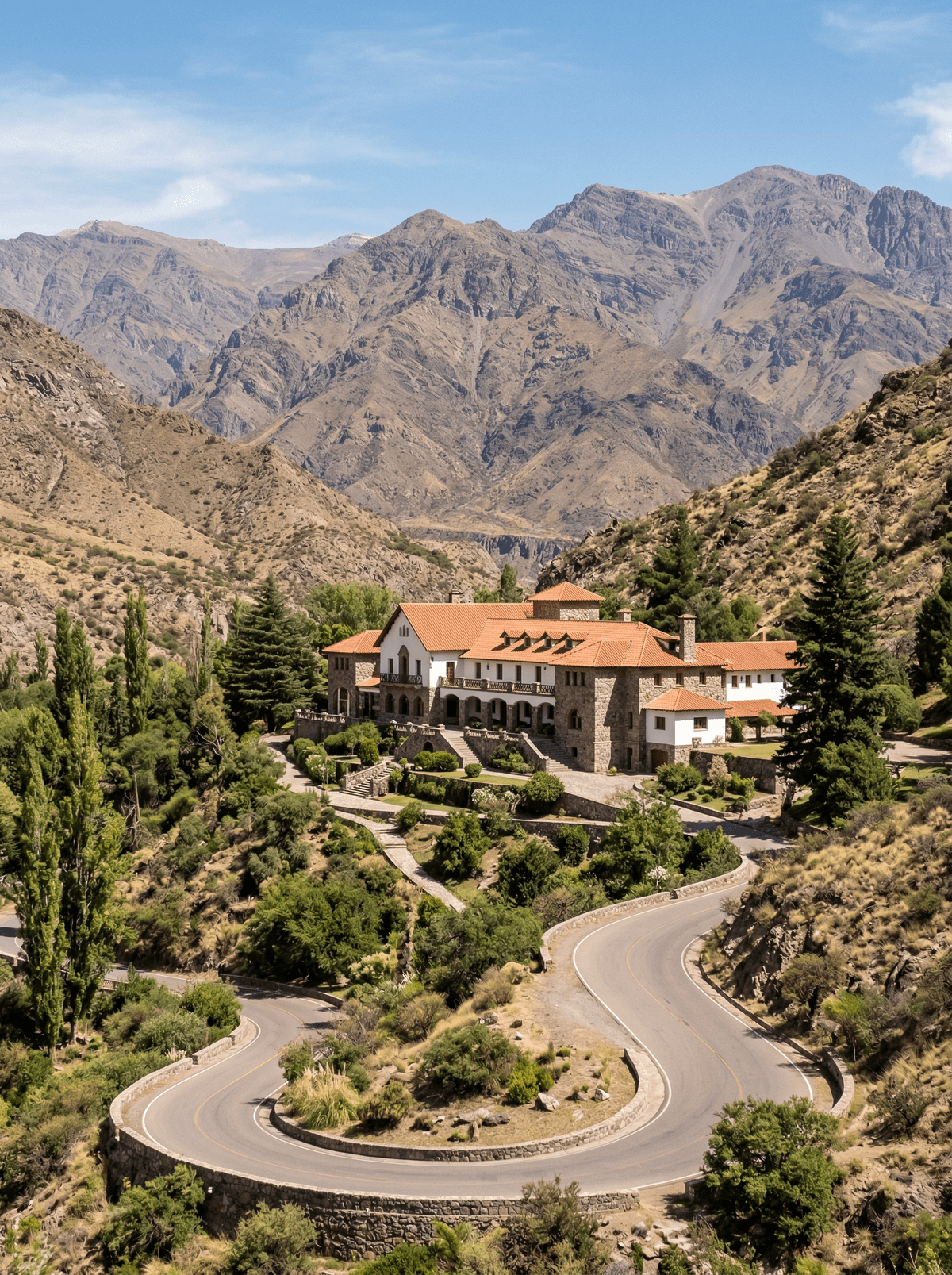
The switchback road that Villavicencio mineral water prints on every bottle sold in Argentina climbs from Mendoza's dry foothills to a shuttered grand hotel — built in 1940 in mock-colonial style to architect Arturo Civit's design, closed since 1978, now a protected monument with condors nesting in the cliffs above its terrace. The spring that made the name still flows into the mountain.
Villavicencio sits near 1,800 metres where the historic Camino del Año begins its crossing of the Precordillera — the caracoles hairpins below it among Argentina's most recognised road images. The hotel served aristocratic spa seasons for four decades; today the water company that owns the brand maintains it within a privately managed nature reserve of some 75,000 hectares, where condors, pumas and chinchillas hold the upper slopes. Visits move on the reserve's own terms — what opens, from hotel surrounds to trails to the old high road, is the reserve's decision rather than the traveller's, and springs and wildlife are protected features, never roadside invitations. Beyond, the route over the Paramerillos Pass runs into high country where nothing else is for eighty kilometres.
Solo
The switchbacks, the condors circling the abandoned grandeur, and the hotel's specific history reward arriving alone — groups move through it; solo travellers sit with it.
Couple
As a Mendoza half-day — road, condors, ruins, spring, and the Andes turning late-afternoon colours on the descent — it covers a complete narrative arc in a morning, extendable over the pass into a full-day loop.
Friends
Fit cyclists can earn the hotel by climbing the caracoles from the Mendoza side — a demanding objective with the condors and the resort as reward and the descent as conclusion, access decisions left to reserve staff.
- The caracoles switchbacks below the hotel appear on every bottle of the water they named.
- The 1940 hotel stands protected, its ornate lobby glimpsed through the locked door.
- The reserve's slopes hold condors, pumas and chinchillas across 75,000 hectares.
- The reserve decides what opens — grounds, trails or the old road over the pass.
Eat in Mendoza before the switchbacks — the heights cater to condors, not travellers.
Empanadas mendocinas and a thermos of mate for the mountain road.
Chiang Dao
Thailand
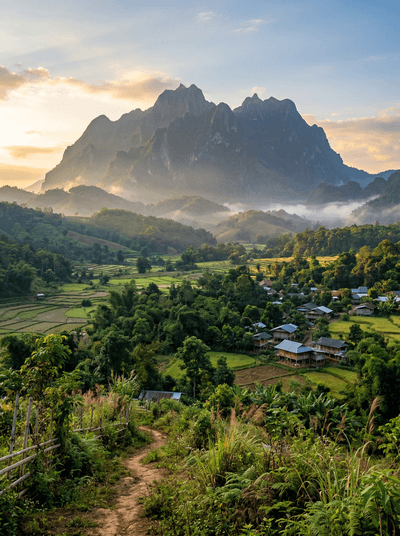
A limestone monolith hiding twelve kilometres of pitch-black caverns and underground shrines.
Upper Teesdale
England
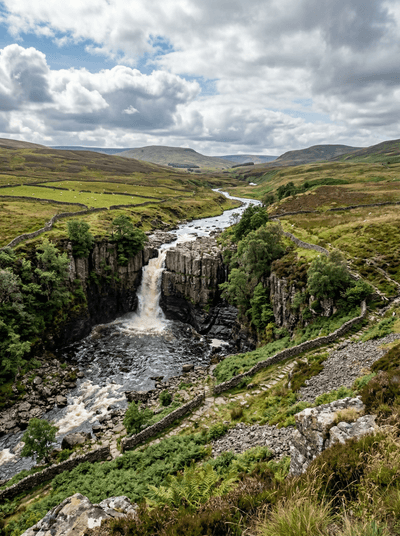
High Force thundering seventy feet into a plunge pool while arctic gentians bloom.
Pico
Portugal
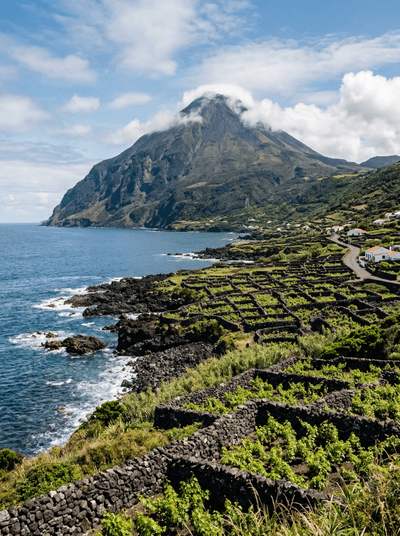
Portugal's highest peak rises from the Atlantic above vineyards in black lava corrals.
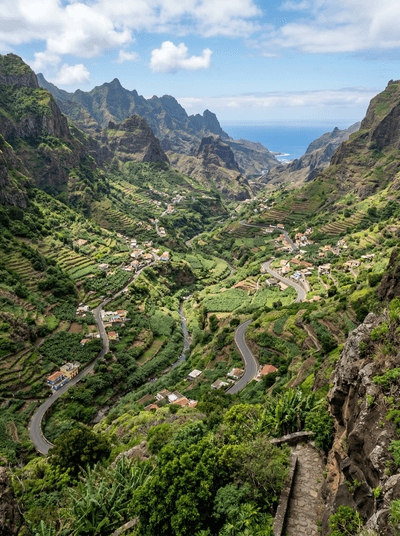
Vale do Paúl
Cape Verde
Sugarcane and coffee terraces pour off a crater rim into a valley threaded with running water.
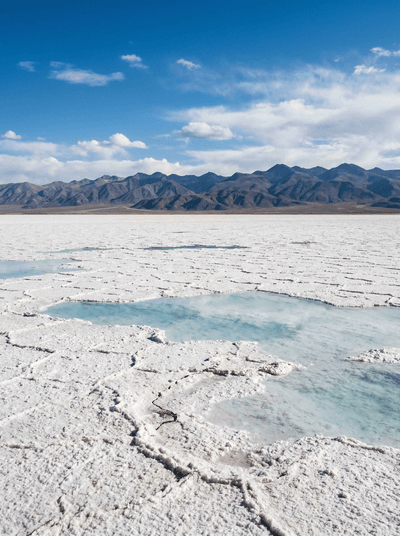
Salinas Grandes
Argentina
A salt flat so white it dissolves the horizon, cracked into hexagonal tiles.
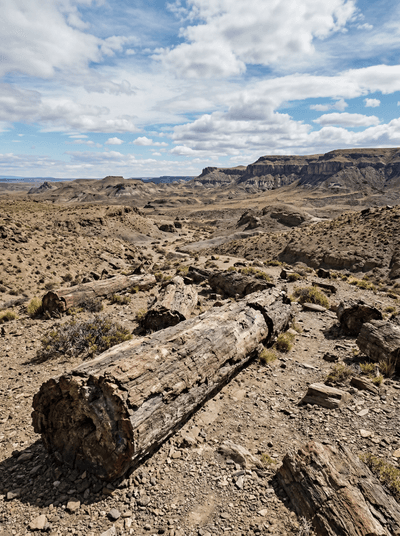
Bosques Petrificados de Jaramillo
Argentina
Trees turned to stone in the Jurassic, lying where they fell on windswept steppe.
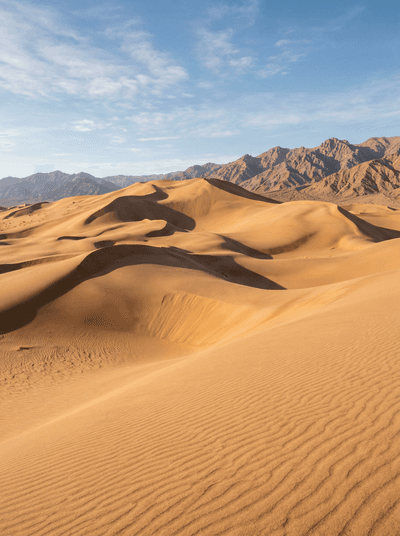
Dunas de Tatón
Argentina
Pale dunes surge against dark Andean foothills where the sand seems to climb the mountains.
Tilcara
Argentina
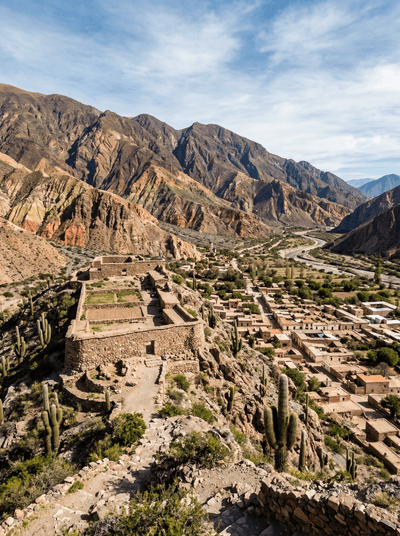
A pre-Inca fortress above a rainbow canyon where carnival explodes into devil masks.