Egypt
Wadi el-Seboua
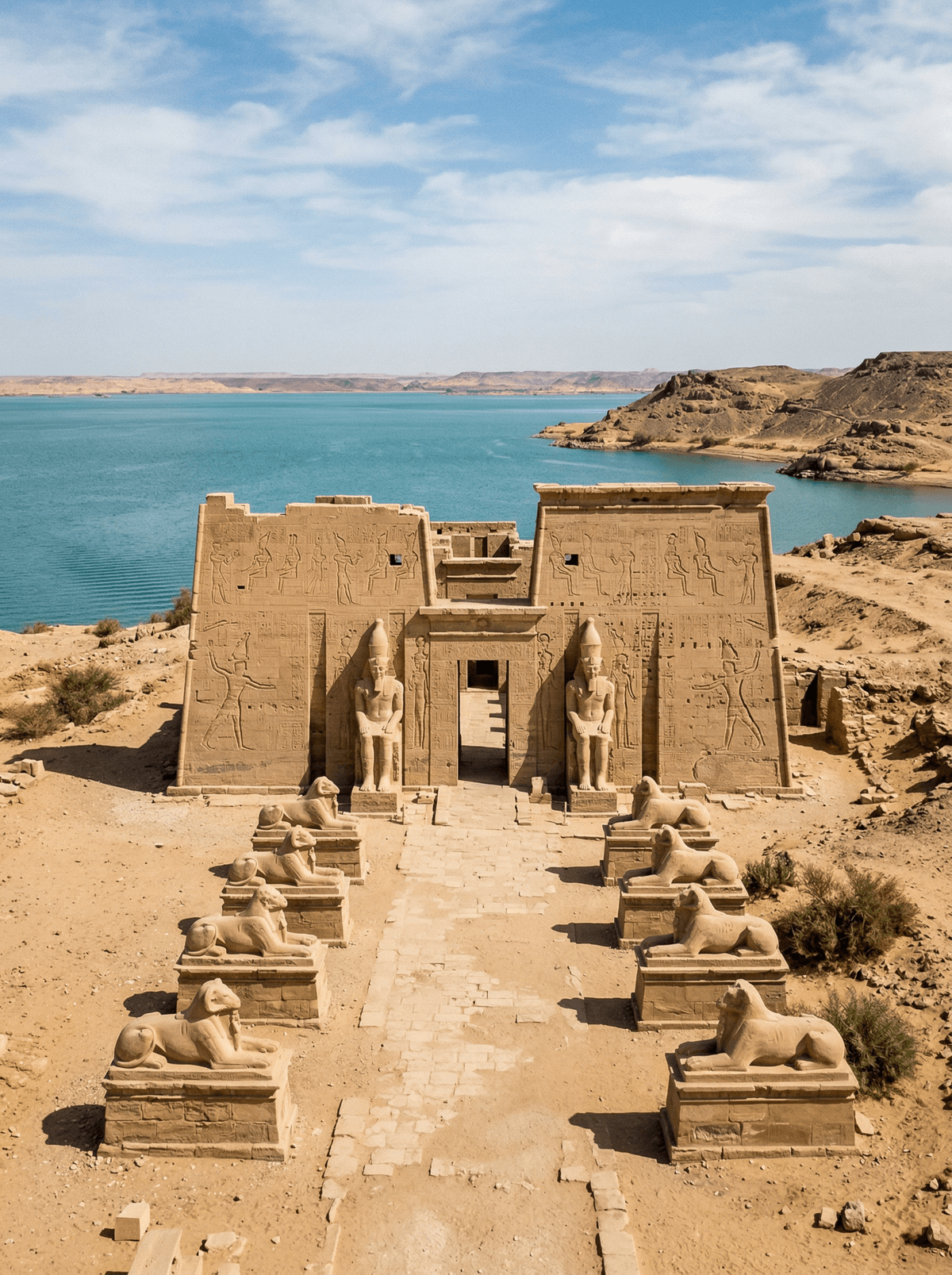
A sphinx-lined avenue rising from Lake Nasser's shore to Ramesses II's relocated Nubian temple.
Stone sphinxes line a processional avenue rising from the shore of Lake Nasser toward a facade cut with towering figures of Ramesses II. The lake stretches flat and silver behind you. No other boats are moored, no other visitors walk the avenue — just you, the sphinxes and the Nubian sun.
Wadi el-Seboua — Valley of the Lions, named for its sphinx rows — is Ramesses II's 13th-century BCE temple to Amun-Ra and Ra-Horakhty. Centuries later it served as a Coptic church, and the painted saints still overlay the pharaonic reliefs. It now stands with two neighbours moved in the same UNESCO campaign that saved Abu Simbel: the Graeco-Roman temple of Dakka, dedicated to Thoth, and the Roman temple of Maharraqa, dedicated to Isis and Serapis. Three rescued temples share one stretch of shore.
Friends
Take the cruise as a group — sphinx avenue at dawn, Dakka and Maharraqa by lunch, deck rails at dusk.
- The sphinx avenue gave the valley its name — lion bodies in two parallel rows, 3,250 years old.
- An apostle is painted directly over Ramesses II's figure, and the pharaoh's robes still show beneath the saint.
- The temple was hauled 2.5 kilometres uphill in the 1960s to outrun the rising lake.
- Lake Nasser cruises between Aswan and Abu Simbel make the stop — there is no practical road.
Meals run to the boat's rhythm — the cruise kitchen serves the three-temple day full board.
Dinner is back on deck as the lake goes silver; no shore restaurant exists on this stretch.
Tarout Island
Saudi Arabia
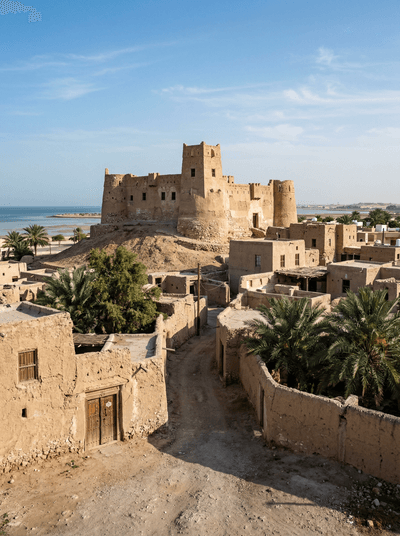
A Dilmun temple buried beneath a Portuguese-era fort on one of Arabia's oldest inhabited islands.

Santa Ana Island
Solomon Islands
Canoe houses carved inside and out, on an island where the coffins are canoes too.

Reef Islands
Solomon Islands
A six-guest lodge on one island, and reef in every direction from it.

Nanumea
Tuvalu
Japanese bombs found this atoll's church in 1943; a landing craft still rusts on the reef.
Al-Bagawat
Egypt
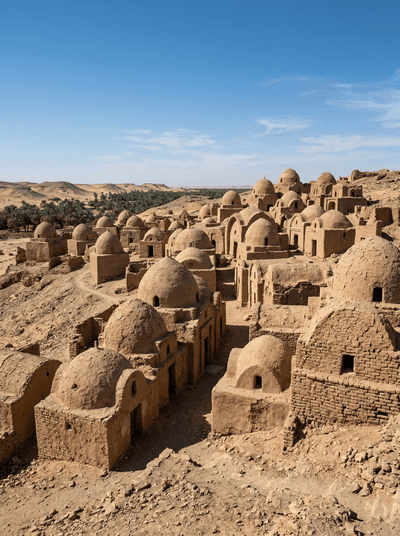
Domed desert chapels with fourth-century biblical murals, among the oldest Christian art on Earth.
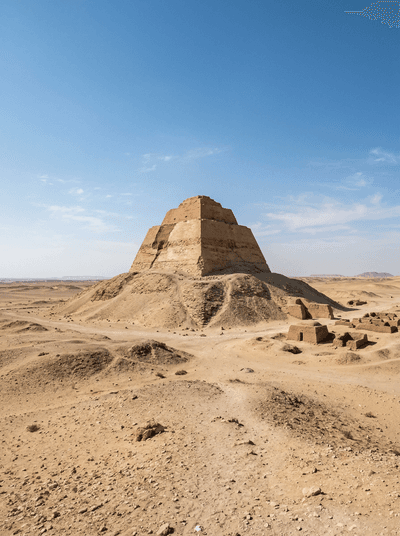
Meidum
Egypt
A pyramid that peeled apart, exposing its stone skeleton like an anatomical diagram of pharaonic ambition.
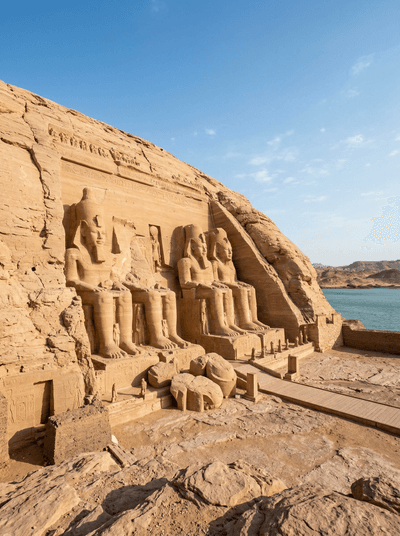
Abu Simbel
Egypt
Twice a year, dawn crawls sixty metres through solid rock to light a pharaoh's face.
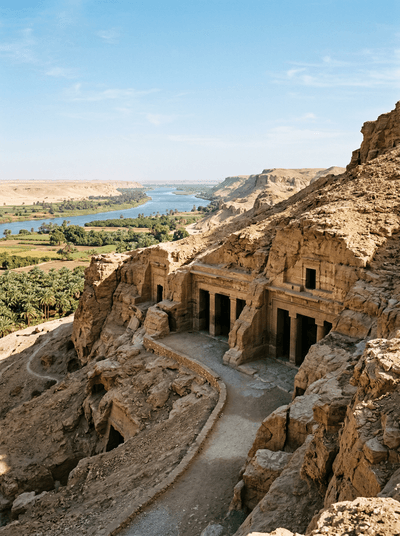
Beni Hasan
Egypt
Rock-cut tombs high on a cliff face, their four-thousand-year-old wrestlers still mid-grapple on the walls.