Pakistan
Kafir Kot
Seventh-century Hindu temples perched on wild Indus bluffs, guarded by nothing but eagles and wind.
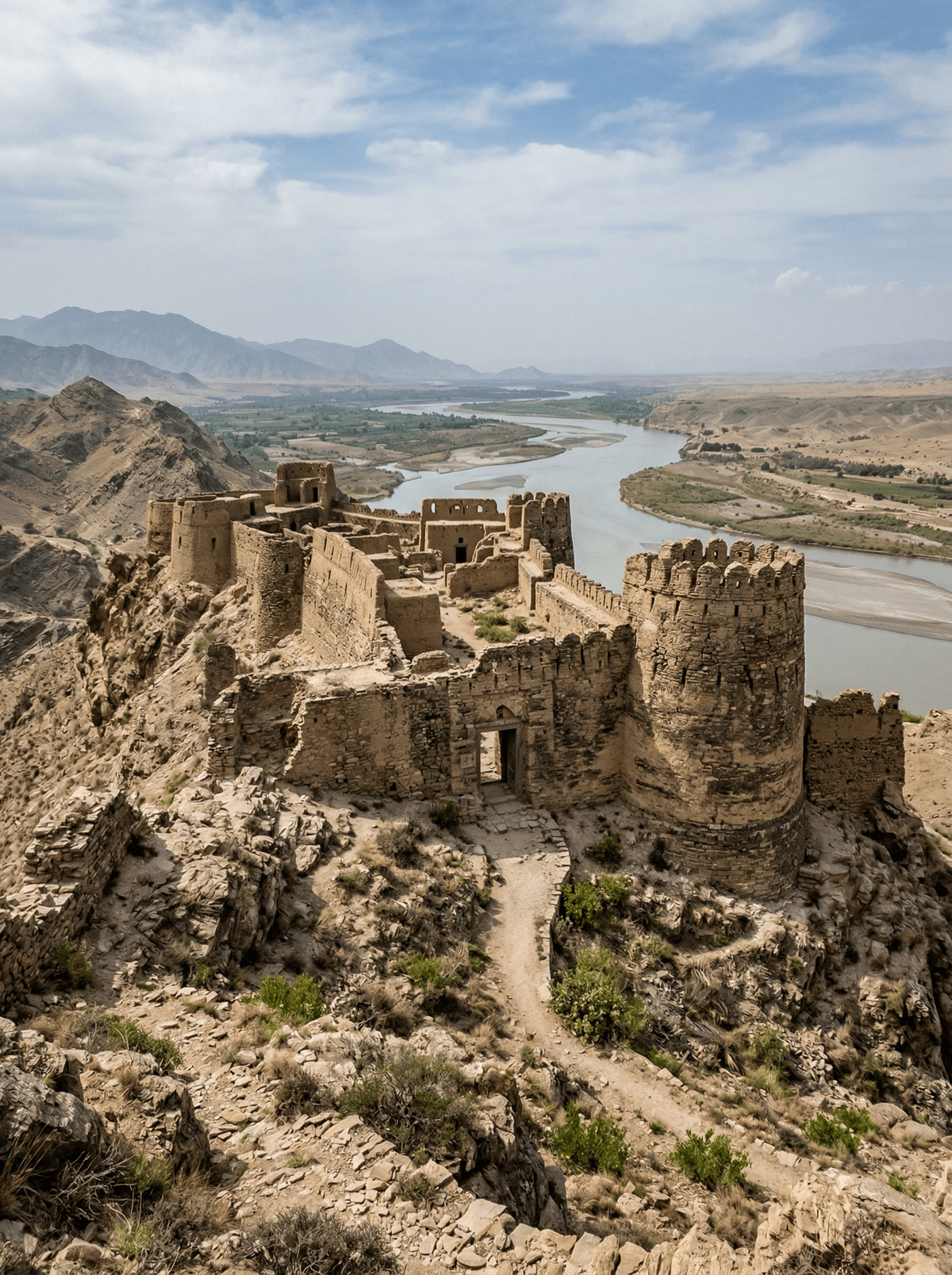
Sandstone temples perch on the edge of a wild bluff above the Indus, their carved pillars open to the sky and their doorways framing nothing but river haze and circling raptors. No fence, no ticket booth, no sign — just seventh-century Hindu architecture standing where it was built, guarded by wind and indifference. Kafir Kot is archaeology in its most unmediated state.
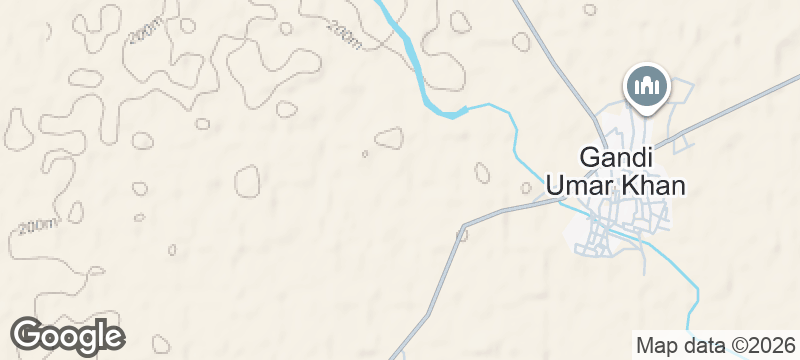
Kafir Kot is a cluster of Hindu Shahi-era temples dating to the 7th and 8th centuries CE, located on limestone bluffs above the Indus River in Dera Ismail Khan district of Khyber Pakhtunkhwa. The site comprises two groups — Bilot and Kafir Kot proper — separated by several kilometres of rugged terrain. The temples were dedicated to Hindu deities and show architectural links to the Gandhara and Kashmiri traditions, with carved stone lintels, pilasters, and sanctum chambers still partially intact. The location is remote and largely unexcavated, visited primarily by archaeology enthusiasts and historians rather than general tourists. The Indus flows below the bluffs, and eagles nest in the cliff faces. Access requires a drive from Dera Ismail Khan and a scramble up rocky paths — no maintained trail exists.
Solo
Kafir Kot is for the traveller who prefers discovery over curation — arriving alone at an unexcavated temple complex on a wild Indus bluff, with no other visitors and no interpretive panels, is archaeology at its rawest.
Couple
The romance of ruins that haven't been tidied for consumption — sitting in a 1,300-year-old doorway overlooking the Indus, sharing the silence with eagles. Kafir Kot offers seclusion that managed heritage sites cannot.
- The temples sit on a sandstone bluff directly above the Indus — their reflection in the river is visible from the opposite bank on still mornings.
- The site has two separate temple complexes, east and west, each with a different deity dedication and construction period spanning the 7th to 10th centuries CE.
- No road reaches the bluff — access requires a 30-minute walk from the riverside, which keeps the site free of coach groups and souvenir sellers.
- Eagles and vultures nest in the cliff faces below the temples — the presence of large raptors circling the ruins is a constant during the walk up.
Dera Ismail Khan's renowned paya — slow-simmered trotters soup eaten at dawn with fresh naan from the tandoor.
Local chapli kebab served with cooling lassi and pickled onions at bazaar stalls near the Indus bank.
Loiyangalani
Kenya
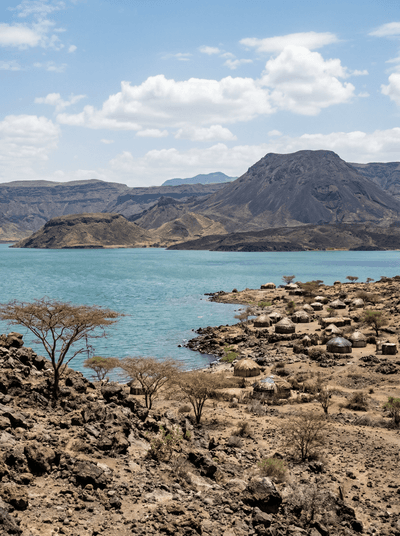
Four tribes meet at a windswept settlement where the desert ends and the Jade Sea begins.
Hîncești
Moldova
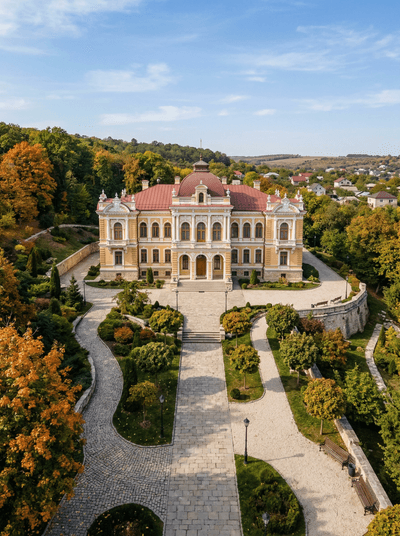
An Armenian merchant prince's crumbling estate — ballrooms open to the sky, filling with ivy.
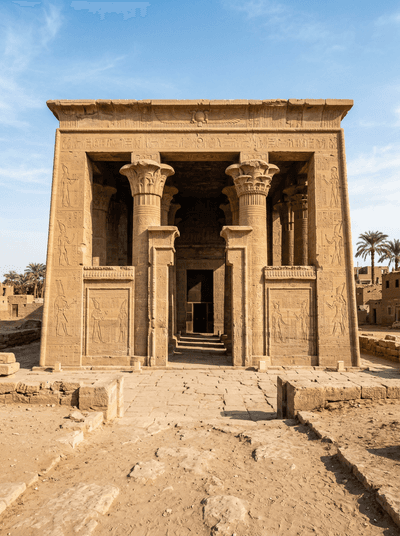
Esna
Egypt
A Ptolemaic temple buried nine metres below a modern town, its zodiac ceiling still overhead.
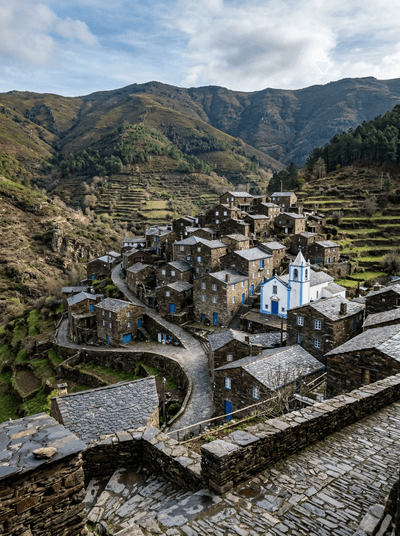
Piódão
Portugal
Blue-grey schist houses cascade down a mountain bowl, glowing amber when floodlit after dark.
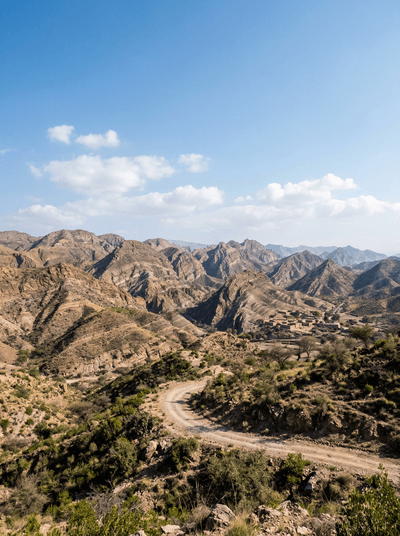
Salt Range
Pakistan
Crimson salt cliffs exposing the floor of a 600-million-year-old vanished ocean in Punjab's flat plains.
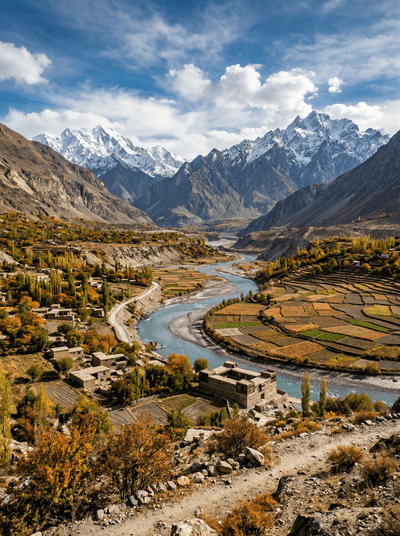
Chitral
Pakistan
Hindu Kush walls rising 7,700 metres above polo grounds where horsemen play without rules or saddles.
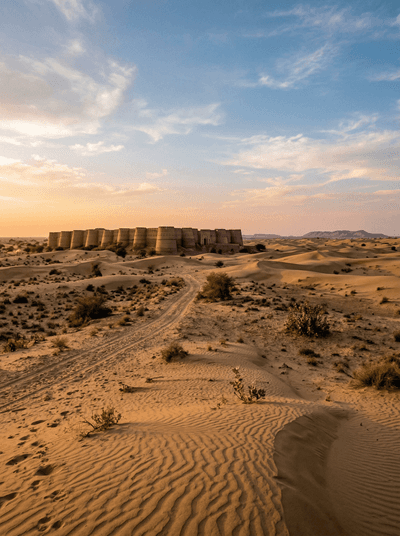
Cholistan Desert
Pakistan
Forty bastions of a forgotten fortress rising from featureless desert where camel nomads still roam.
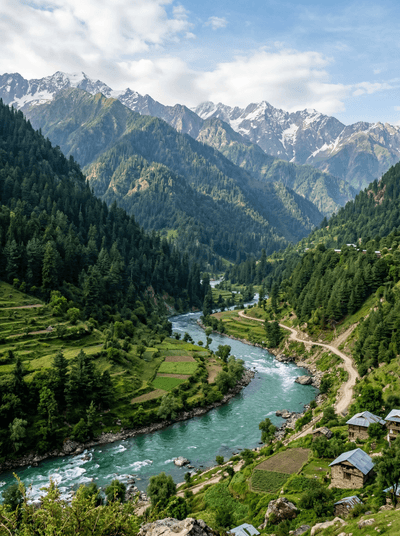
Neelum Valley
Pakistan
A valley split by a ceasefire line where the river flows freely between two warring nations.