Brazil
Peruaçu Caves
Cave chambers so vast they swallow cathedrals, with rock art and a ninety-metre sinkhole skylight.
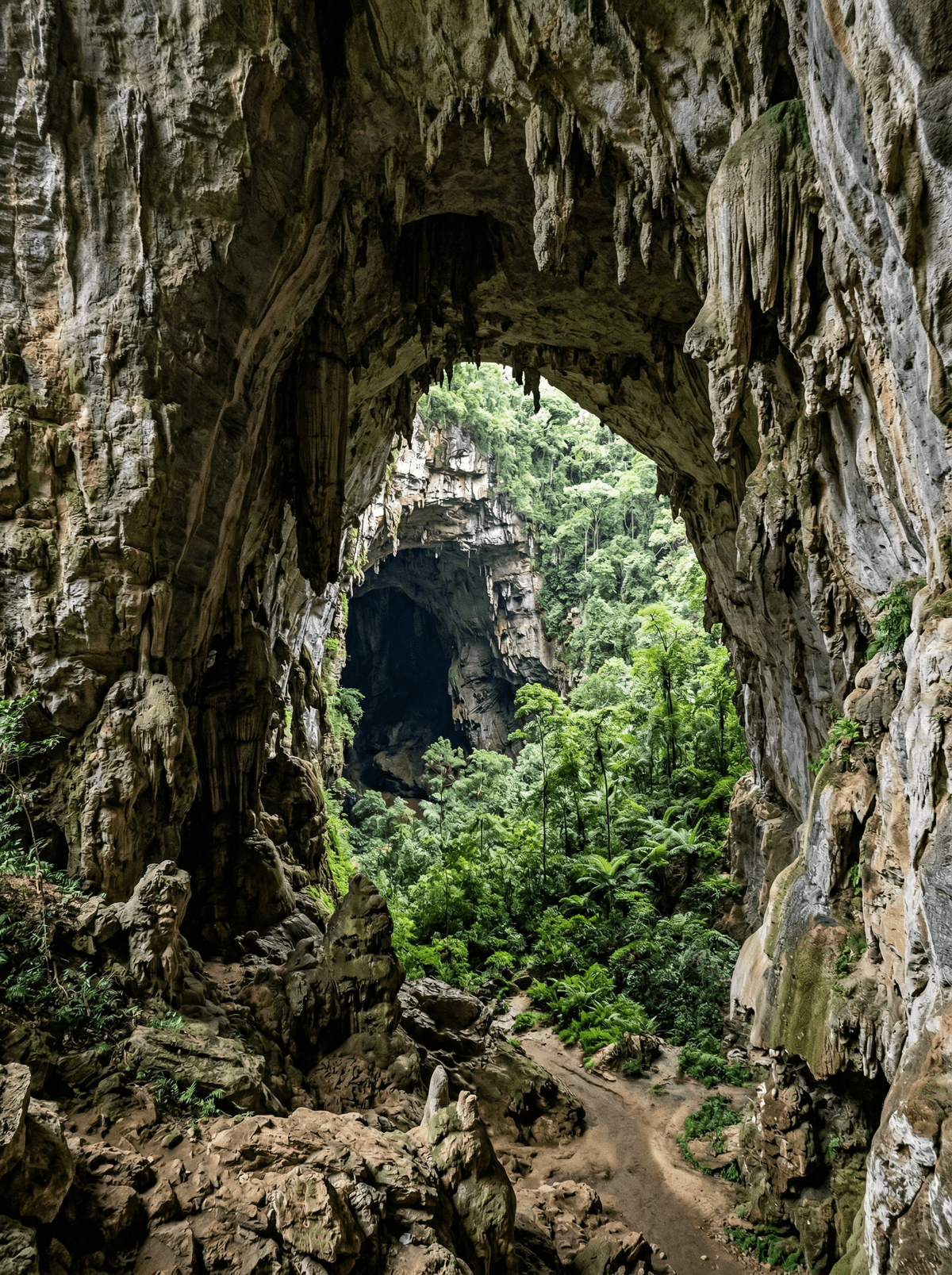
You step into the Gruta do Janelão and the world changes scale. The cave chamber opens to a width and height that swallow sound, and ninety metres above, a collapsed sinkhole pours daylight into the darkness like a cathedral oculus. Rock art lines the walls — paintings left by people who stood in this same space thousands of years ago.
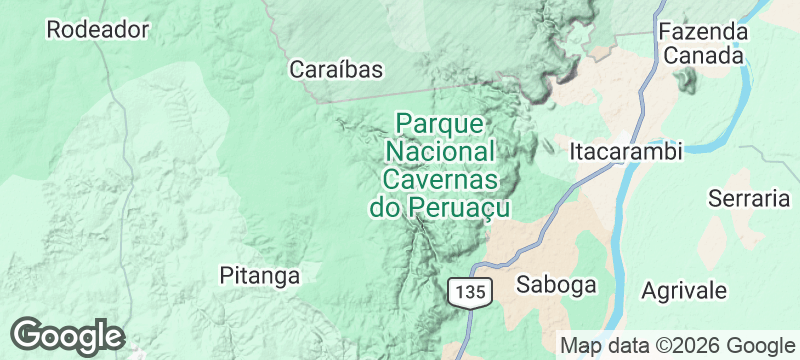
The Cavernas do Peruaçu National Park in northern Minas Gerais protects one of the most significant cave systems in South America. The Gruta do Janelão — the park's centrepiece — contains chambers over one hundred metres wide, with a collapsed ceiling creating a natural skylight nearly ninety metres above the cave floor. The surrounding canyons and rock shelters hold one of the densest concentrations of prehistoric rock art in Brazil, with painted panels dating back thousands of years depicting hunting scenes, geometric patterns, and human figures. The park sits in the dry north of Minas Gerais, near the São Francisco River, in a transition zone between cerrado and caatinga. Access requires a guide and a willingness to travel to Januária — this is not a place that gives itself up easily.
Solo
Peruaçu rewards the self-directed traveller willing to navigate the logistics of reaching Januária. Inside the caves, the scale and the silence create a deeply personal encounter with geological time.
Couple
The combination of vast cave chambers, ancient rock art, and remote São Francisco valley landscape creates a journey that feels like genuine exploration rather than tourism.
- The Janelão cave chamber is ten kilometres long, three hundred metres wide, and the ninety-metre skylight creates a natural spotlight on the cave floor.
- Rock paintings dating back twelve thousand years cover the cave walls — images of deer, human figures, and geometric forms in red and black ochre.
- The Peruaçu River flows underground for sections of the cave — guided boat tours navigate through the dark where the ceiling drops.
- The open canyons outside the caves have wild fig trees growing from vertical walls — roots splitting rock that has been cracking since the Pleistocene.
Carne de sol with mandioca and vinagrete at simple restaurants in Januária before the cave expeditions.
Queijo Canastra and rapadura from the surrounding sertão farms.
Cachaça de alambique from the São Francisco valley distilleries in Januária.
Gaua
Vanuatu
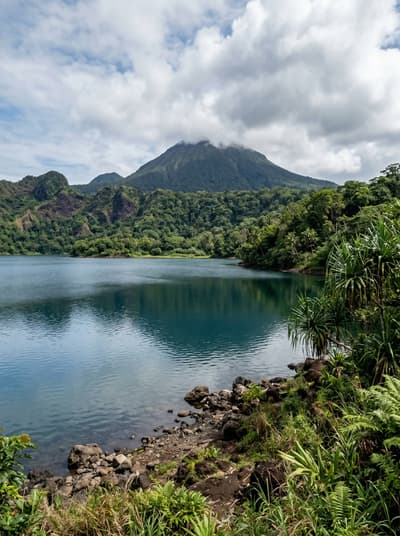
A volcanic lake drains into the ocean via a waterfall that plunges through untouched jungle.
Quebrada de Humahuaca
Argentina
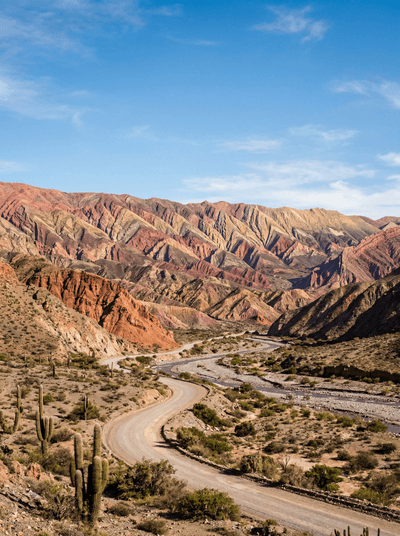
A canyon of fourteen-colour hills where Inca trails thread through villages older than the conquest.
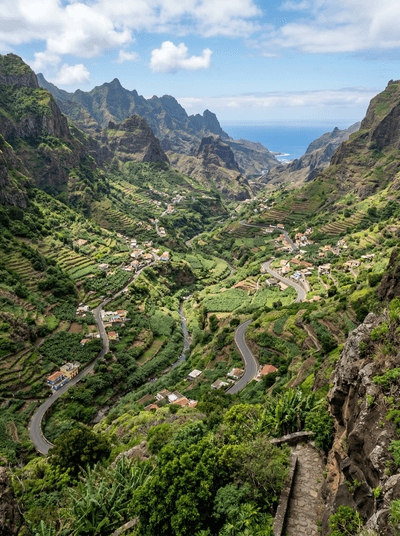
Vale do Paúl
Cape Verde
Sugarcane terraces spill down a volcanic crater into the greenest valley in the archipelago.
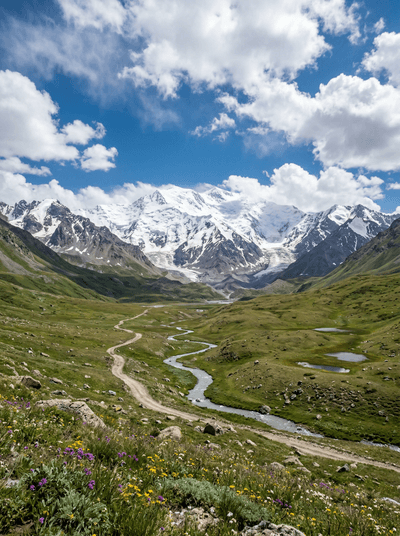
Achik-Tash
Kyrgyzstan
Yurt camps at 3,600 metres beneath a 7,134-metre peak, alpinists and trekkers sharing vodka at sunset.
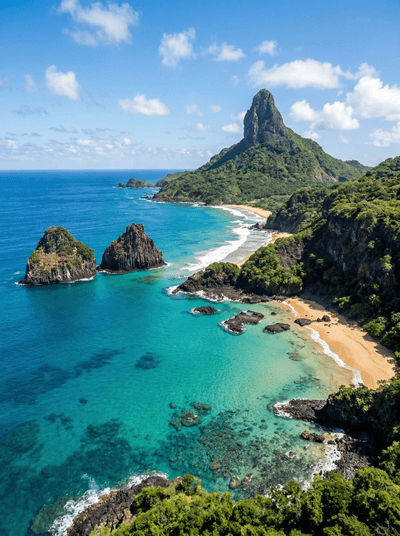
Fernando de Noronha
Brazil
Volcanic spires rising from water so clear the seafloor glows up at you from the clifftop.
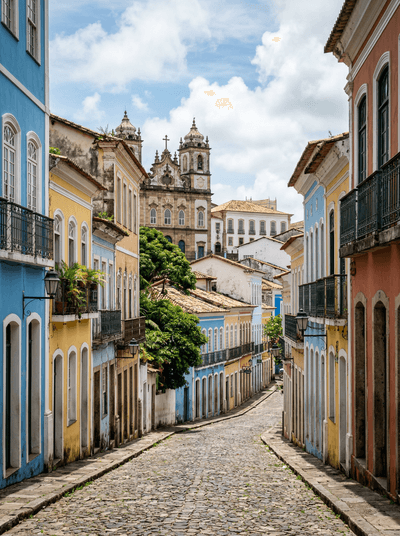
Salvador
Brazil
Drum rhythms ricocheting off pastel colonial walls where capoeira circles form before sundown.
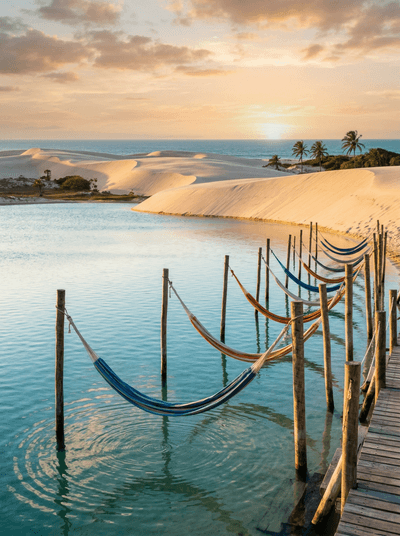
Jericoacoara
Brazil
Windswept dunes where the sun melts into the sea from a natural stone arch.
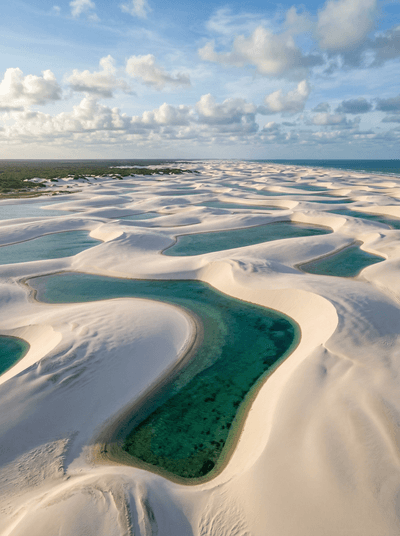
Lençóis Maranhenses
Brazil
Thousands of rain-filled lagoons between white dunes stretching to the horizon like another planet.